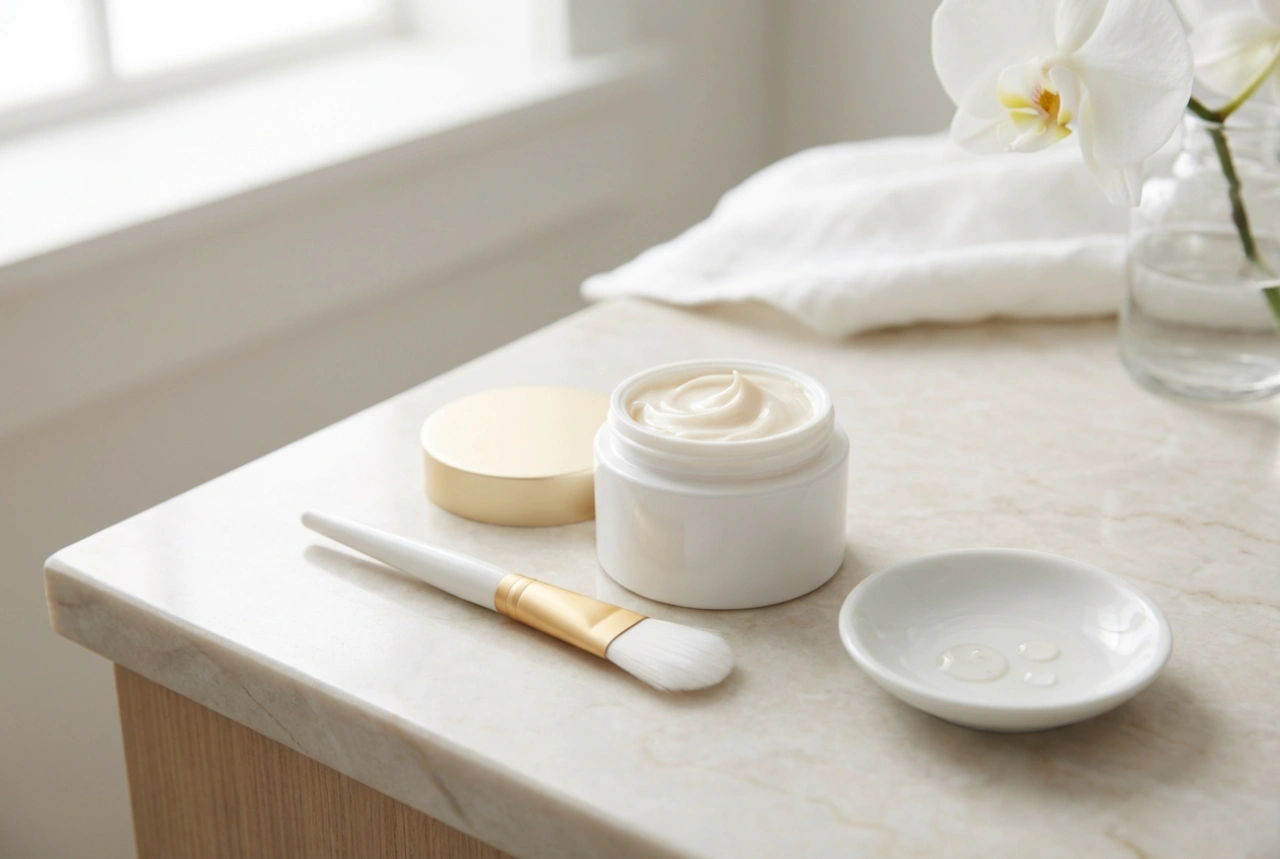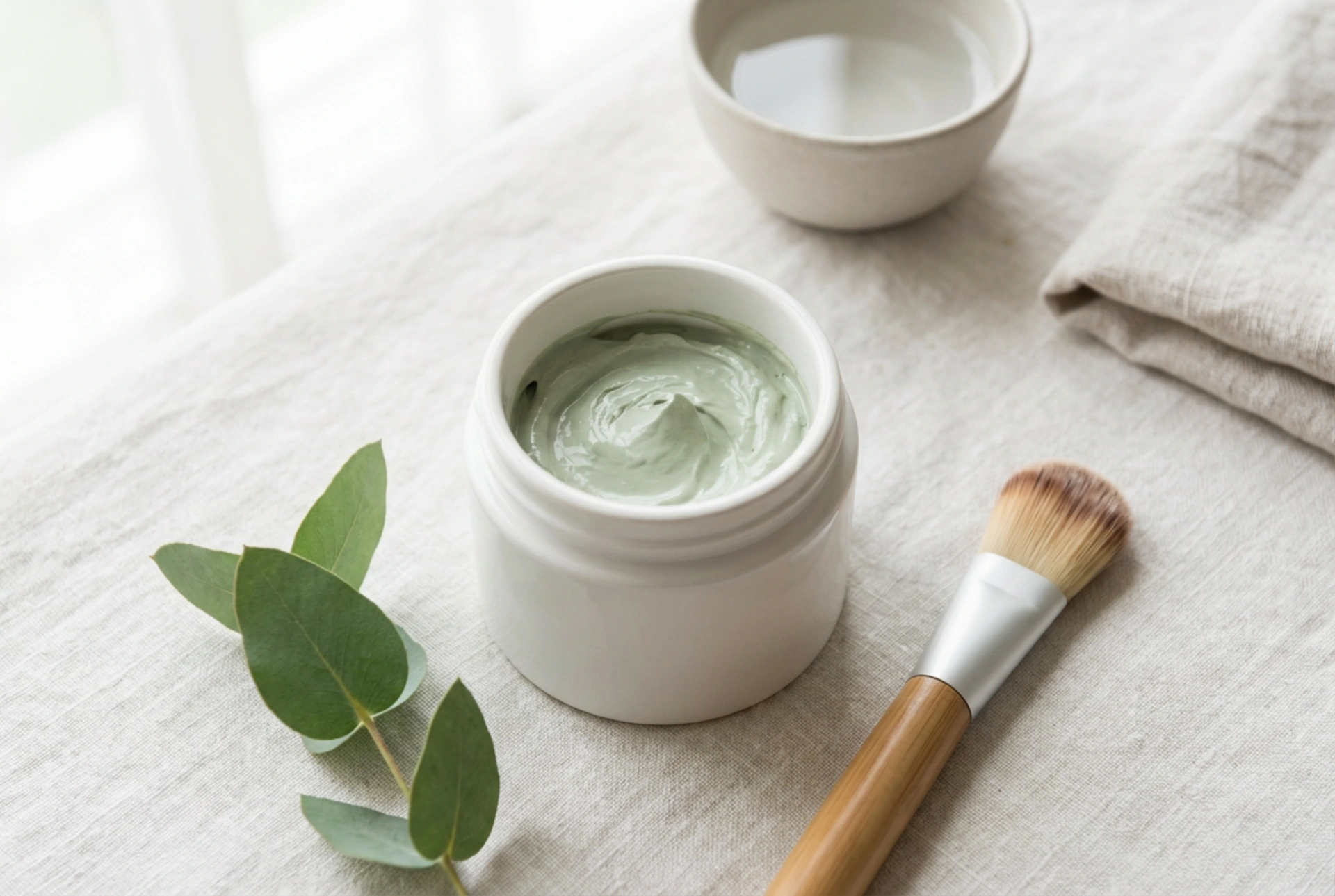


Maintaining well-hydrated skin is fundamental to achieving a radiant and healthy-looking complexion. While daily moisturisers are essential, a hydrating face mask can provide a powerful, concentrated boost of moisture, delivering a spa-like experience of gentle care right at home. Incorporating a hydrating mask into your routine can help replenish lost moisture, soothe the skin, and leave it feeling soft, supple, and refreshed. Understanding the key ingredients, proper application, and ideal frequency is crucial to unlocking the full potential of this simple yet effective skincare step.
Key Ingredients in an Effective Hydrating Mask
When selecting a hydrating mask, the ingredient list is your best guide. Certain components are renowned for their ability to attract and retain moisture in the skin. Familiarising yourself with them can help you make an informed choice for your skin's needs.
Common Humectants
Humectants are ingredients that draw water from the dermis to the epidermis, or from the air into the skin's surface. They are superstars of hydration.
- Hyaluronic Acid: A powerful humectant that can hold up to 1000 times its weight in water. It provides intense hydration without feeling heavy, helping to plump the skin and reduce the appearance of fine lines.
- Glycerin: A reliable and effective ingredient that attracts moisture to the skin, helping to maintain a healthy skin barrier and prevent dryness.
- Aloe Vera: Known for its soothing and hydrating properties, aloe vera is rich in vitamins and minerals. It calms the skin while providing a light layer of moisture, making it suitable for most skin types.
Emollients and Occlusives
These ingredients work by creating a protective barrier on the skin's surface to prevent water loss and lock in moisture.
- Ceramides: These are lipids (fats) that are naturally found in the skin and are crucial for maintaining its barrier function. Adding ceramides through a mask helps to reinforce this barrier, preventing moisture from escaping.
- Squalane: A lightweight, non-greasy oil that mimics the skin's natural sebum. It is an excellent emollient that helps to moisturise and soften the skin.
- Natural Oils and Butters: Ingredients like shea butter, jojoba oil, or avocado oil are rich in fatty acids and vitamins. They nourish the skin and form a protective layer to seal in hydration.
The Correct Way to Apply a Hydrating Face Mask
To get the most out of your hydrating mask, a proper application technique is essential. Following a few simple steps ensures that the beneficial ingredients are absorbed effectively and your skin reaps all the rewards.
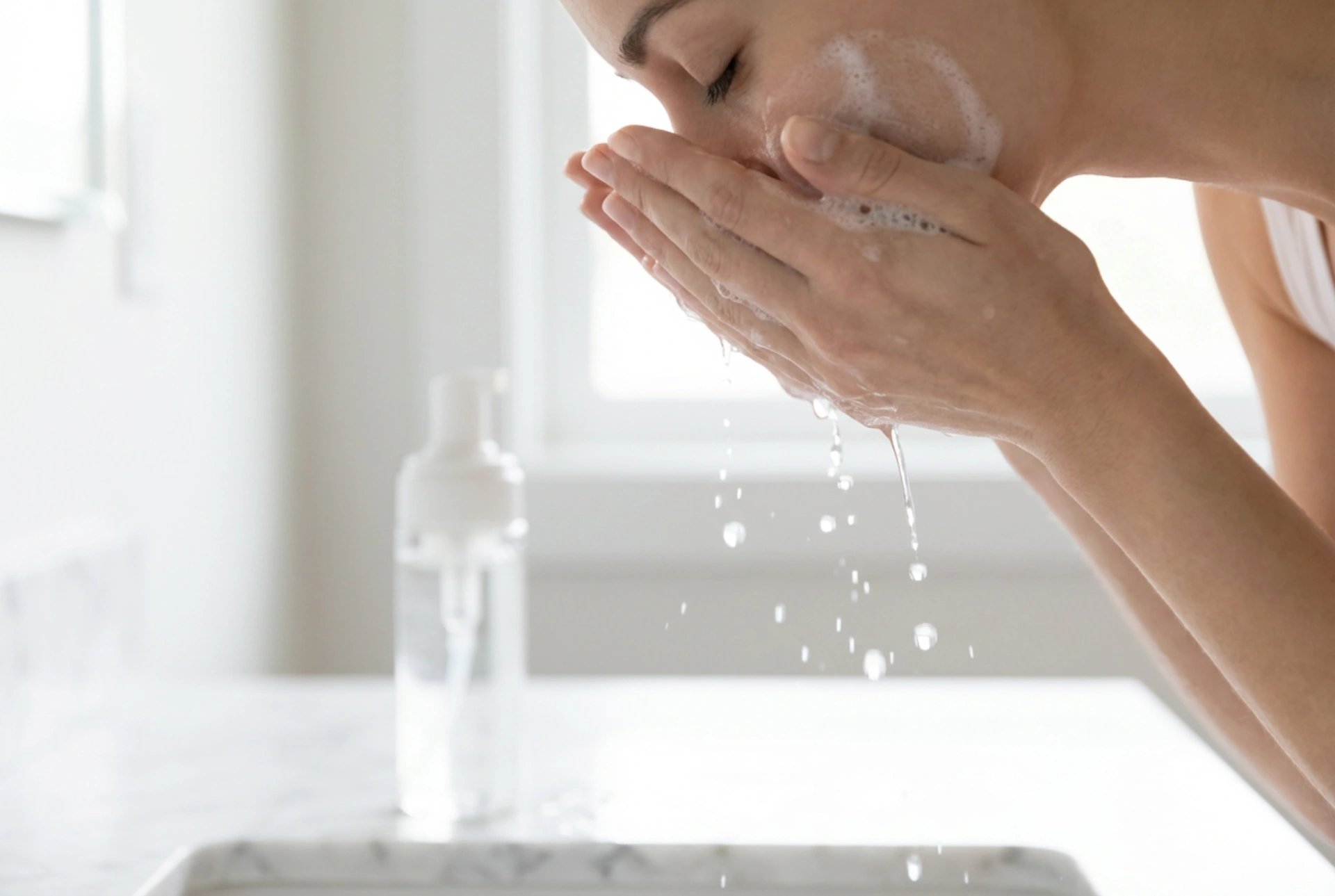
Step 1: Cleanse Your Face Thoroughly
Always start with a clean canvas. Use a gentle cleanser to remove all makeup, dirt, and impurities from your skin. This allows the mask's ingredients to penetrate without any barriers. Pat your skin dry with a soft towel.
Step 2: Apply the Mask Evenly
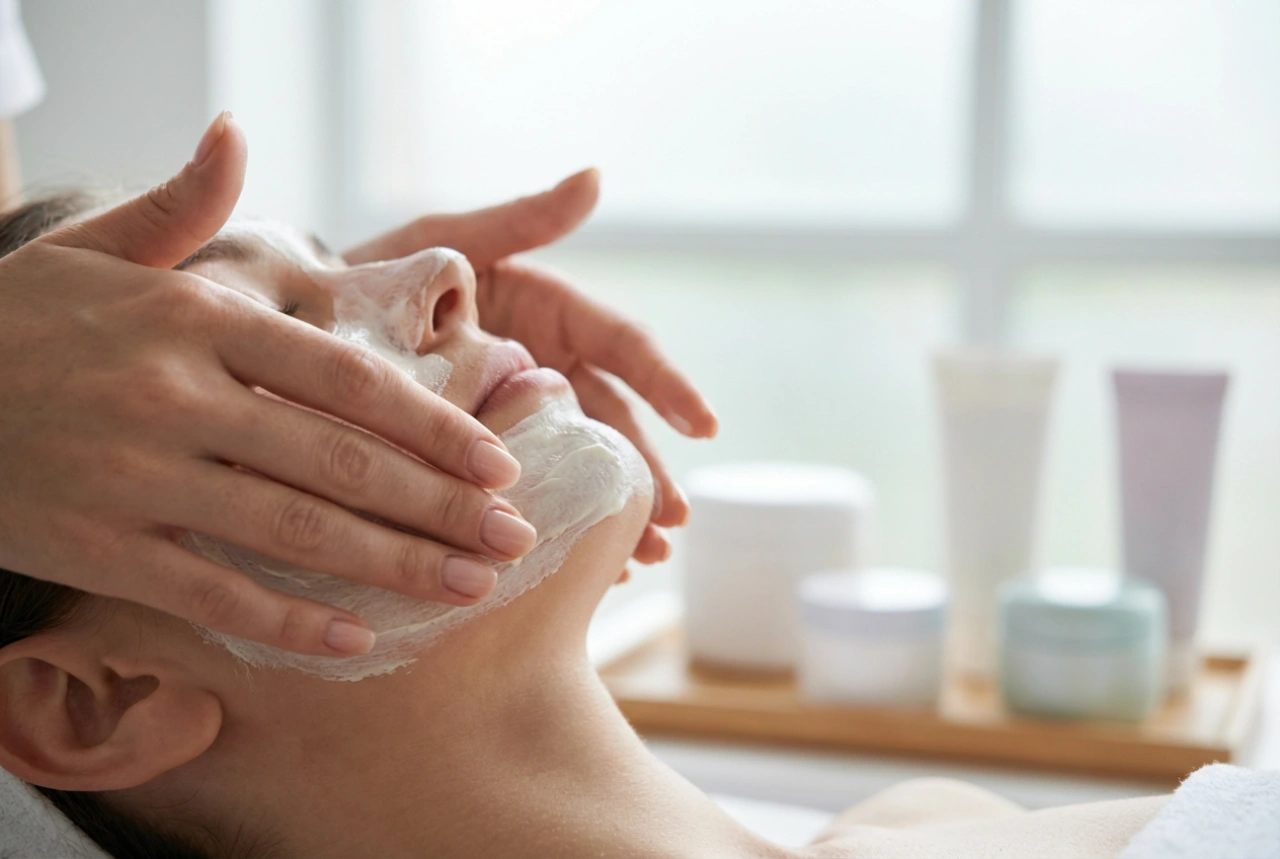
Using clean fingertips or a soft mask brush, apply a generous, even layer of the mask to your face and neck. Avoid the delicate areas around your eyes and lips. A brush can help provide a more even application and a more hygienic, spa-like feel.
Step 3: Relax and Let It Work
This is your time to unwind. Let the mask sit for the duration recommended in the product's instructions, typically between 10 to 20 minutes. Lying down can enhance relaxation and prevent the mask from sliding.
Step 4: Remove the Mask Gently
When the time is up, rinse the mask off with lukewarm water. Avoid using hot water as it can strip the skin of its natural oils. You can use a soft, damp washcloth to gently wipe away any remaining residue. Pat your skin dry – do not rub.
How Often Should You Use a Hydrating Mask?
The ideal frequency for using a hydrating mask depends largely on your skin type and its current condition. Listening to your skin is key, but here are some general guidelines to follow.
- For Dry or Dehydrated Skin: If your skin often feels tight, flaky, or rough, it will benefit from more frequent hydration. Using a hydrating mask 2-3 times per week can help to restore moisture levels and improve the skin's barrier function.
- For Combination or Normal Skin: For skin that is generally balanced, using a hydrating mask once or twice a week is usually sufficient to maintain hydration and give your complexion a healthy glow.
- For Oily Skin: Even oily skin can be dehydrated. Dehydration can sometimes cause the skin to produce even more oil to compensate. A lightweight, non-comedogenic hydrating mask used once a week can help to balance the skin without clogging pores.
Tips for an Enhanced Masking Experience
Transform your masking session into a true self-care ritual with a few extra touches. To boost absorption, consider applying your mask after a warm shower, as the steam helps to open up your pores. After rinsing off the mask, don't leave your skin bare. Immediately follow up with your favourite serum and a good moisturiser. This final step is crucial as it helps to seal in all the hydration and beneficial ingredients delivered by the mask, ensuring long-lasting effects and a plump, dewy finish.