

A beautifully styled, voluminous hairstyle can significantly boost confidence and enhance your overall look. For those with fine or thinning hair, or concerns about a receding hairline, the right cut and styling techniques are transformative. It's not about changing your hair, but rather working with its natural texture to create an illusion of fullness and body. With a few strategic adjustments to your routine, you can achieve a look that feels both full and effortlessly elegant.
The Power of a Strategic Parting
One of the simplest yet most effective ways to change the appearance of your hair's density is by adjusting your parting. The way your hair is divided can instantly conceal sparser areas and create an impression of greater volume. Moving away from a long-held parting can also give the roots an immediate lift, as they are no longer trained to lie flat in one direction.
The Deep Side Parting
A deep side part is a classic technique for a reason. By creating the parting further to one side than usual, you can sweep a larger section of hair over the top of your head. This manoeuvre not only covers any thinning you might be experiencing around the crown or hairline but also creates dramatic, asymmetrical volume that draws the eye and adds a touch of glamour.
The Zig-Zag or Messy Parting
For a softer, more modern look, a zig-zag parting is an excellent choice. Instead of a straight, defined line that can draw attention to the scalp, a less precise, slightly messy parting helps to blur the lines. Use the end of a comb or your fingers to create a soft zig-zag pattern. This technique cleverly breaks up the view of the scalp, making hair appear denser at the roots.
Building Volume from the Roots Up
Creating lasting volume requires focusing your efforts at the roots, where hair needs the most support. Flat roots will make even the thickest hair appear limp, so mastering a few lift-enhancing techniques is key to achieving a fuller-bodied style.
Smart Blow-Drying Techniques
How you dry your hair can make all the difference. For a significant volume boost, try blow-drying your hair upside down. This method lifts the roots away from the scalp as they dry. Alternatively, use a medium-sized round brush, lifting sections of hair at the root and aiming the hairdryer's nozzle upwards from underneath. Finishing with a blast of cool air will help to set the style and lock in the volume.
The Importance of Layers
A well-executed layered haircut can remove excess weight that pulls hair down, allowing it to have more bounce and movement. Soft, long layers can create the illusion of thickness and texture throughout the hair. It's crucial, however, that the layers are cut strategically. Avoid overly thinned-out ends, as this can make fine hair look sparse. Instead, focus on creating shape and volume around the crown and mid-lengths while keeping the ends relatively blunt.
Flattering Haircuts for Finer Hair
The right haircut provides the foundation for any great style. For thin or fine hair, certain cuts are particularly effective at maximising volume and minimising the appearance of thinning or receding areas.
The Bob and Long Bob (Lob)
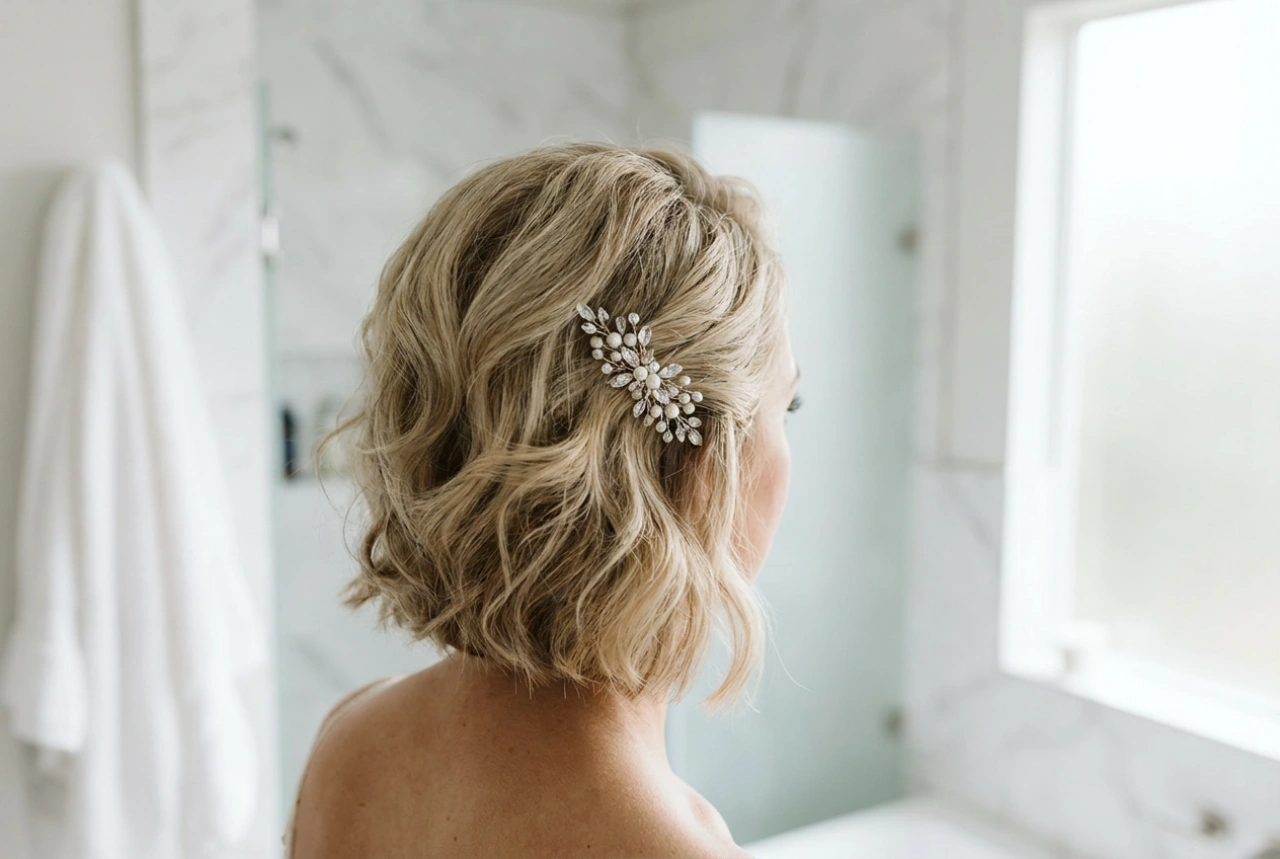
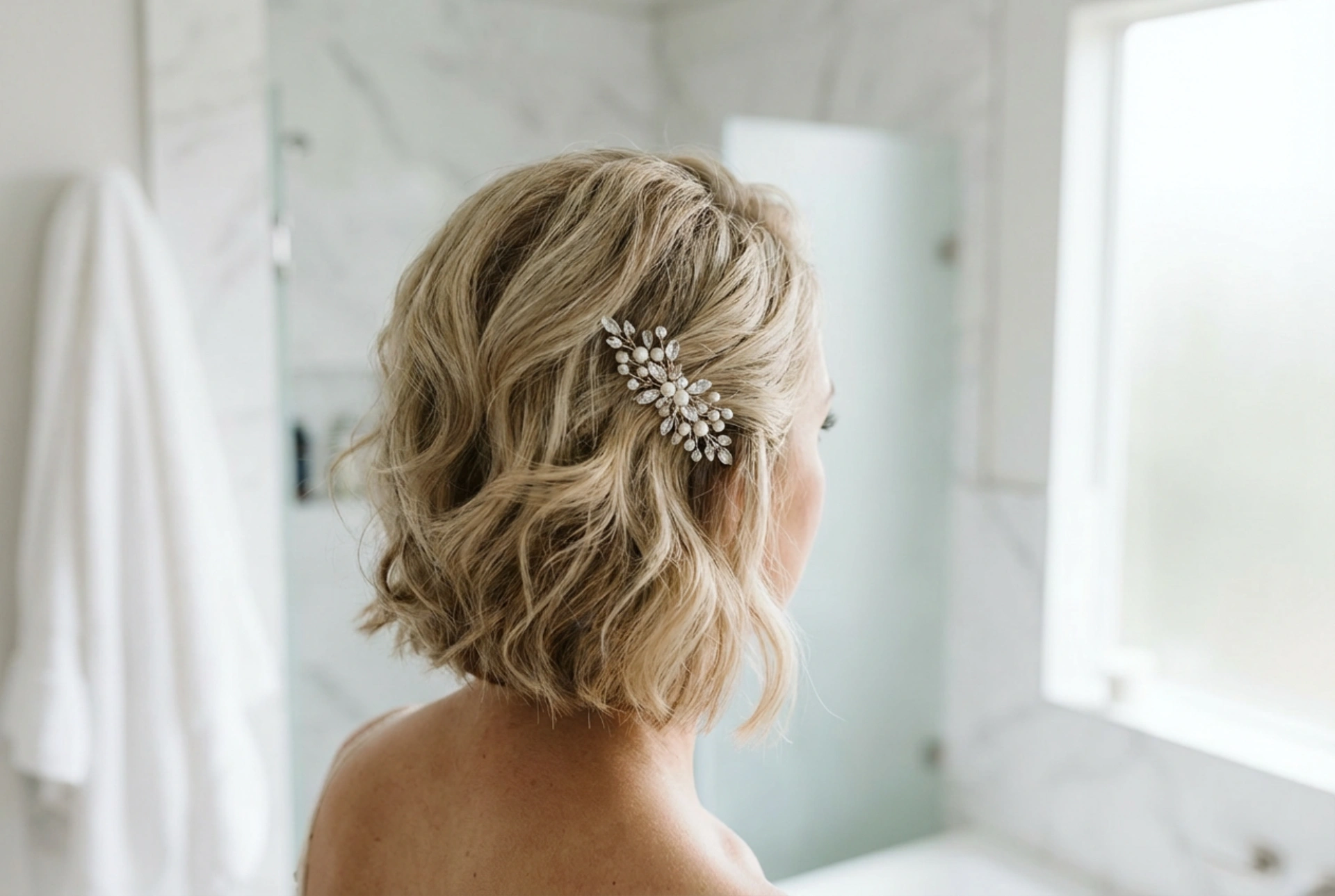
Shorter styles, such as a classic bob or a chic long bob, are fantastic for making hair appear thicker. When hair is all one length or has very blunt ends, it creates a strong, solid line that gives the impression of density. These styles are also incredibly versatile and can be worn sleek or with soft waves to add even more texture and body.
Textured Crops and Pixie Cuts
For those willing to embrace a shorter length, a textured pixie cut can be a liberating and stylish option. By keeping the sides and back neat and focusing on choppy, piecey layers on top, you can create a huge amount of volume and texture. This style draws attention away from the hairline and makes any sparseness virtually undetectable.
Soft Fringes and Bangs
A fringe is one of the most effective tools for camouflaging a receding hairline or thinning at the front. A soft, wispy fringe or side-swept bangs can elegantly frame the face while providing coverage where you need it most. Avoid very heavy, blunt fringes, which can sometimes look too severe on finer hair types.