

A fringe, often called bangs, can be a transformative element for anyone with long hair. It has the power to frame the face, highlight your best features, and add a touch of personality to your style. However, the key to a successful look lies in balance—the harmony between the fringe, the length of your hair, and your unique facial structure. Achieving this equilibrium isn't about complicated rules but understanding simple principles of proportion and mastering a few easy styling tricks.
Choosing the Right Fringe for Your Face Shape
The first step to a flattering fringe is selecting a style that complements your face shape. The goal is to create the illusion of a perfectly balanced, oval-shaped face. By strategically choosing the length, thickness, and shape of your fringe, you can enhance your natural beauty.
For an Oval Face
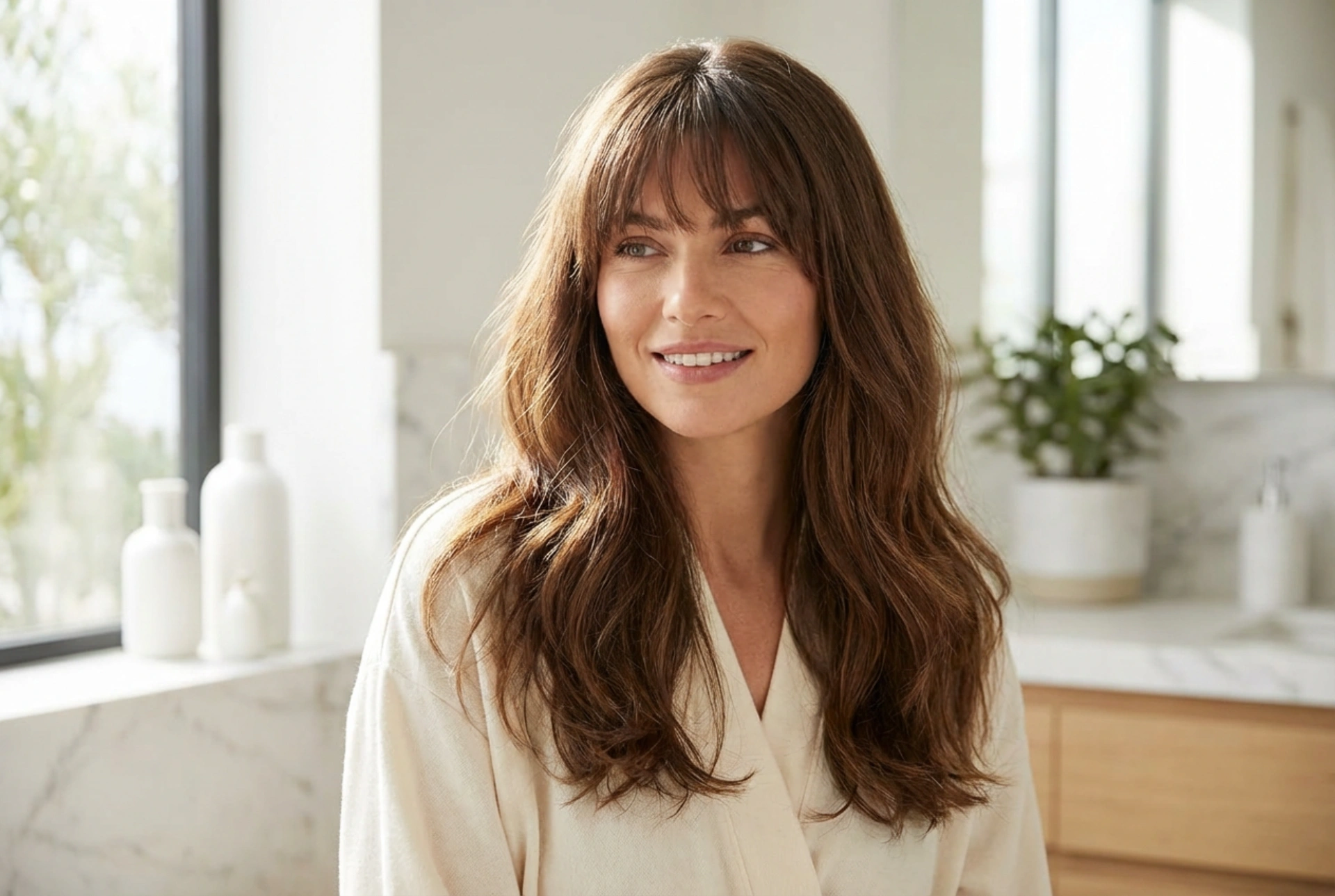
If you have an oval face, you're in luck. This face shape is considered the most versatile, and almost any fringe style will suit you. You can experiment with bold, blunt-cut fringes, soft and wispy styles, or trendy curtain bangs that part in the middle. The choice is more about personal preference and the overall aesthetic you wish to achieve.
For a Round Face
To add length and dimension to a round face, consider a longer, side-swept fringe or a choppy, textured fringe. These styles create angles and draw the eye downwards, which helps to elongate the face. A parted curtain fringe that is longer at the sides can also be very flattering. It's best to avoid heavy, blunt fringes that can make the face appear wider.
For a Square Face
A square face is characterised by a strong jawline. To soften these features, opt for a fringe with rounded edges or a soft, layered texture. A long, wispy fringe or A-shaped curtain bangs that are shorter in the middle and longer on the sides work beautifully. These styles add softness and contrast the angularity of the jaw.
For a Heart-Shaped Face
A heart-shaped face is wider at the forehead and tapers to a narrower chin. A side-swept fringe is an excellent choice as it draws attention to the eyes and cheekbones while balancing the width of the forehead. A light, wispy fringe that doesn't add too much bulk is also a great option. Avoid very short or heavy fringes that can make the forehead appear wider.
Daily Styling for a Flawless Fringe
A fringe requires a little more daily attention than the rest of your hair, but with the right techniques, styling can be quick and effortless. The key is to control its shape and keep it looking fresh.
- Washing and Freshening Up: Fringes tend to get oily faster than the rest of your hair because they are in constant contact with your forehead. You can wash just your fringe over the sink in the morning if you're short on time. Alternatively, a good dry shampoo is a fringe's best friend. Simply spray a small amount at the roots, wait a minute, and brush it through.
- The Art of Blow-Drying: The secret to a perfectly styled fringe is in the blow-dry. While your fringe is still damp, use a hairdryer with a nozzle attachment. Point the airflow downwards from the roots to the tips. Use a paddle brush or a round brush to guide the hair. For a straight fringe, brush it from side to side as you dry to eliminate any cowlicks. For a side-swept or curtain fringe, use a medium round brush to create a gentle curve away from the face.
- Finishing Touches: If needed, a quick pass with a flat iron can create a sleek finish. For a softer look, you can use the flat iron to create a slight bend at the ends. Use a minimal amount of light-hold hairspray to keep it in place without making it stiff.
Integrating Your Fringe with Long Hair
A fringe shouldn't look like an afterthought; it should blend seamlessly with your long hair. Creating a cohesive style ensures your look is harmonious and intentional.
Create a Connection with Layers
Ask your hairstylist to incorporate subtle, face-framing layers that connect the fringe to the rest of your hair. These longer pieces will bridge the gap between the short fringe and the long lengths, creating a soft, fluid transition. This technique works especially well with curtain bangs and longer, side-swept styles.
Complementary Hairstyles
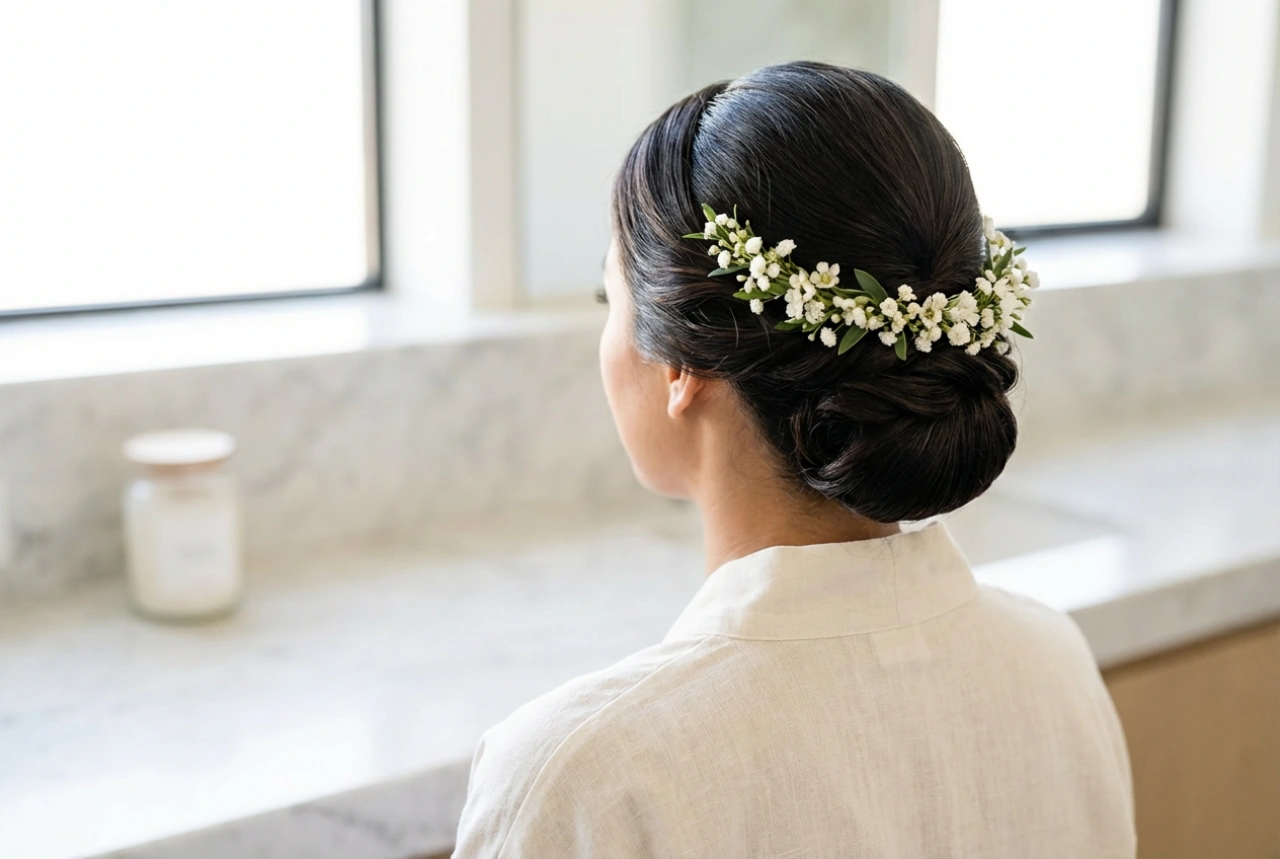
A fringe can elevate many classic hairstyles. A high ponytail or a top knot looks incredibly chic with a fringe, as it draws all the attention to your face. For a more relaxed look, soft waves or curls in your long hair can complement the texture of a wispy or layered fringe. Even a simple, low bun becomes more elegant when a perfectly styled fringe frames the face.
Common Challenges and Simple Solutions
Living with a fringe can sometimes present minor challenges, but they are all easily managed.
The Growing-Out Phase
Every fringe-wearer eventually faces the "in-between" stage of growing it out. When your fringe becomes too long to wear down but too short to tuck back, accessories are your ally. Use stylish hair clips, barrettes, or a headband to pin it back. You can also part it in the middle and style it as curtain bangs or braid it into a side-plait along your hairline.
Taming a Cowlick
A cowlick can make a fringe want to part or stick up in an unwanted direction. The trick is to tackle it while the hair is very wet. Apply a small amount of styling mousse or gel directly to the root of the cowlick. Then, using a brush, blow-dry the hair in the opposite direction of its natural growth, and then back into the desired position. This helps to reset the hair's direction.