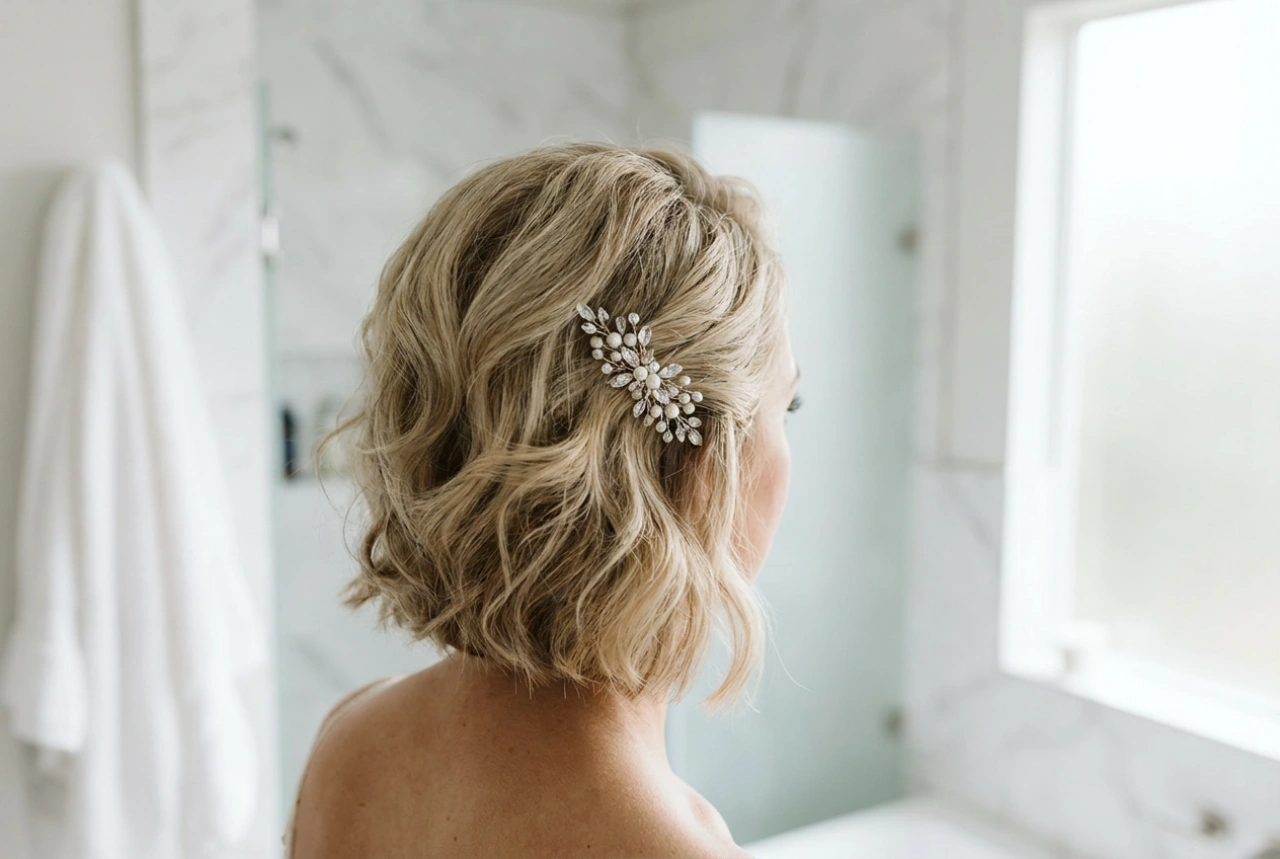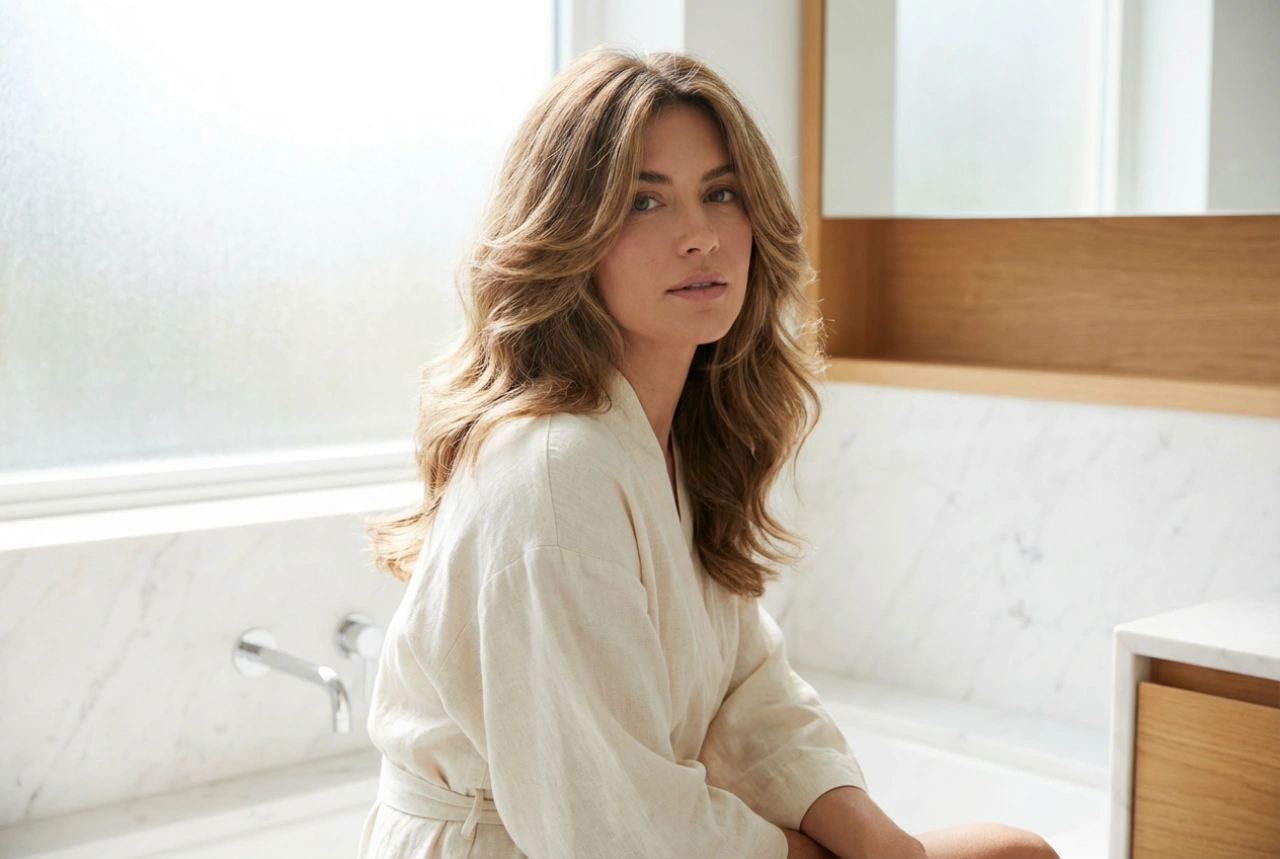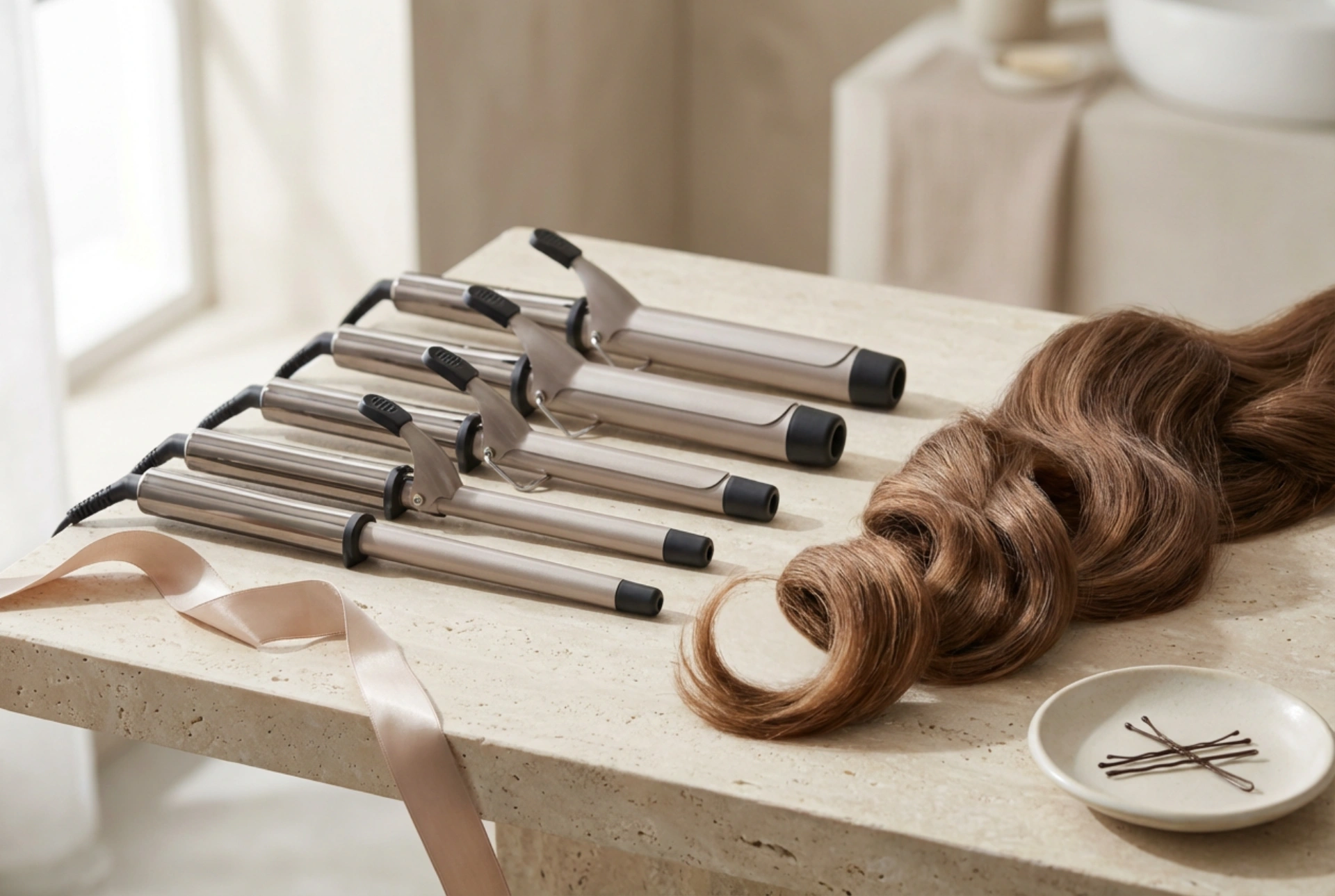


Achieving salon-worthy, bouncy curls at home is an art form, and the curling iron is your most essential brush. As seen with the array of styling tools available, the secret to radiant, healthy-looking locks lies in choosing the right instrument and mastering the technique. Whether you dream of tight ringlets, classic curls, or gentle waves, understanding your tool is the first step towards unlocking endless styling versatility and bringing your hair vision to life.
Choosing the Right Curling Iron
The vast selection of curling irons can be overwhelming, but the choice boils down to a few key factors: barrel diameter, material, and temperature settings. Making an informed decision will not only help you achieve your desired style but also protect your hair's health.
Barrel Diameter and Curl Type
The size of the curling iron's barrel directly determines the size and shape of your curls. Here’s a simple guide to help you choose:
- Small Barrels (10-19mm): These are perfect for creating tight, defined ringlets or for styling shorter hair. They produce a very springy, textured look. If you have naturally straight hair that struggles to hold a curl, a smaller barrel can provide a longer-lasting style.
- Medium Barrels (20-25mm): This is the most versatile and popular size range. A 25mm barrel is often considered the standard for creating classic, uniform, and bouncy curls. It's an excellent all-rounder for most hair lengths and types, delivering a polished yet natural finish.
- Large Barrels (26-38mm and above): If you're aiming for loose, flowing waves, beachy texture, or simply want to add volume to your hair, a large barrel is the tool for you. It creates a soft, subtle bend rather than a distinct curl, which is ideal for a more relaxed, modern look, especially on long hair.
Material and Heat Technology
The material of the barrel affects how heat is distributed and how it interacts with your hair.
- Ceramic: A very common and popular choice, ceramic irons provide even and consistent heat, which helps to minimise hot spots and potential damage. They glide smoothly through hair and are suitable for most hair types, from fine to medium.
- Tourmaline: Often found as a coating on ceramic plates, tourmaline is a crushed mineral that emits negative ions when heated. These ions help to counteract the positive ions in dry or damaged hair, resulting in reduced frizz and increased shine. This makes it a great option for those with frizzy or fine hair.
- Titanium: This material is known for its rapid heat-up time and ability to hold very high temperatures stably. It’s lightweight yet durable. Because it gets very hot, it is most effective for thick, coarse, or hard-to-curl hair, but requires careful use to avoid heat damage.
Preparing Your Hair for Flawless Curls
Proper preparation is non-negotiable for both the health of your hair and the longevity of your style. Always start with completely dry hair, as styling wet hair with a curling iron can cause significant damage. Before applying any heat, spritz a heat protectant spray evenly throughout your hair, from roots to ends. This creates a barrier that shields your strands from high temperatures. For easier management and more uniform results, divide your hair into several sections using clips. Working with smaller, manageable sections ensures that every strand gets styled evenly.
The Art of Curling: A Step-by-Step Guide
With your hair prepped and your tool selected, it’s time to start curling. The right technique is crucial for achieving a polished look.
- Select the Right Temperature: A key feature of modern curling irons is adjustable heat. For fine, colour-treated, or delicate hair, use a lower setting. For normal hair, a medium setting is sufficient. Thick, coarse, or very straight hair may require a higher temperature to hold a curl, but always start lower and increase only if necessary.
- Wrap the Hair: Take a section of hair about one to two inches wide. The way you wrap it affects the final look. For a classic spiral curl, clamp the end and wrap the hair flat against the barrel. For a more modern, beachy wave, leave the last inch of the ends out and twist the section as you wrap it around the barrel.
- Hold and Release: Hold the hair around the barrel for about 5-10 seconds. The exact time depends on your hair type and the temperature. Gently release the clamp and let the curl slide off the barrel.
- Let It Cool: This is a critical step. Avoid the temptation to touch or brush the warm curl. Let it cool down completely in its coiled shape. This allows the hair's cuticle to close and sets the style, making it last much longer.
Tips for Long-Lasting, Bouncy Curls
Ever wonder why your curls fall flat within hours? These professional secrets can help your style go the distance.
The Power of the Cool-Down
As mentioned, allowing each curl to cool is vital. For maximum hold, after releasing a curl from the iron, catch it in your palm and pin it against your head with a small clip. Let all curls set this way until they are completely cool to the touch before releasing them.
Use the Right Finishing Products
Once your curls are cool and you've gently separated them with your fingers, a light mist of a flexible-hold hairspray can lock in the style without making it stiff or crunchy. Avoid heavy serums or creams, which can weigh down the curls and cause them to drop faster.
Day-Two Hair Holds Better
Freshly washed, silky hair is often too slippery to hold a style well. Curls tend to last longer on hair that is on its second day after washing, as the natural oils provide a bit more grip and texture. If you must style clean hair, using a texturizing spray or a light mousse before you start can provide a better foundation.