

The samurai bun, once a traditional hairstyle for Japanese warriors, has evolved into a chic and modern statement for women. Its appeal lies in its simplicity, elegance, and versatility, offering a polished look that keeps hair neatly away from the face. This high bun style is both practical and sophisticated, making it suitable for a wide range of occasions, from a busy day at the office to an elegant evening event. Mastering this hairstyle is easier than it looks and can instantly elevate your appearance.
What Defines the Modern Samurai Bun?
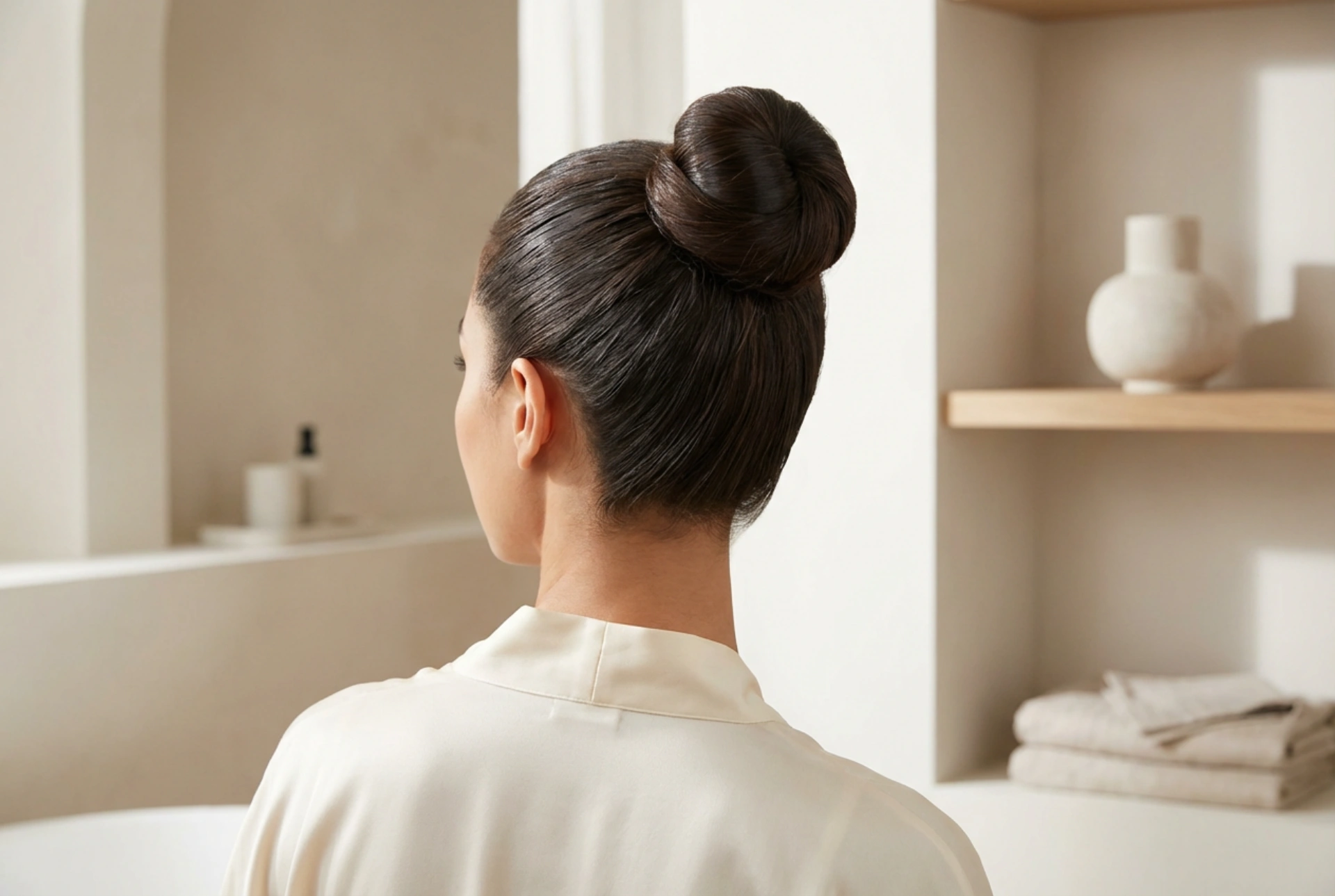
The contemporary female samurai bun is a variation of the classic top knot, but it has its own distinct characteristics. It is typically positioned high on the crown of the head, creating a strong and confident silhouette. Unlike a simple messy bun, the samurai bun often has a more structured and intentional look, whether it's styled to be sleek and smooth or artfully textured. It is a half-up or full up-do that gathers the hair from the top and sides, leaving the back either free or fully incorporated into the bun. This adaptability is what makes it a go-to choice for many.
Preparing Your Hair and Gathering Your Tools
The success of your samurai bun largely depends on the preparation of your hair. While the style can be achieved on freshly washed hair, it often holds better on second-day hair, which has more natural grip and texture. If your hair is too clean and slippery, a light mist of texturising spray or dry shampoo can add the necessary hold.
Essential Tools:
- A good quality hairbrush to detangle your hair.
- A strong hair elastic to secure the ponytail.
- A second, thinner elastic or several bobby pins to secure the bun.
- A fine-toothed comb for smoothing and creating a sleek finish.
- A light-hold hairspray to tame flyaways and set the style.
How to Create the Perfect Samurai Bun: A Step-by-Step Guide
Follow these simple steps to achieve a flawless samurai bun. This method focuses on a full, classic up-do, but the principles can be adapted for a half-up style as well.
Step 1: Brush and Gather Your Hair
Begin by thoroughly brushing your hair to remove any knots and tangles. This ensures a smooth base for your bun. Tilt your head forward and gather all of your hair into a high ponytail, positioning it on the crown of your head. Use your brush or a fine-toothed comb to smooth down the hair on your scalp for a sleek look. Secure the ponytail tightly with a hair elastic.
Step 2: Create the Loop
On the final pull-through of your hair elastic, do not pull the ponytail all the way through. Instead, create a loop, leaving the ends of your hair pointing towards your forehead or tucked under the base of the elastic. The size of the loop will determine the size of your bun, so adjust it according to your preference. For a classic samurai look, a smaller, tighter loop is often preferred.
Step 3: Secure and Refine the Bun
Now, take the ends of the hair that are sticking out of the loop. You can either wrap them around the base of the elastic to conceal it or leave them out for a more modern, edgier look. Use bobby pins to secure the wrapped ends and any loose sections of the bun. This is where you can perfect the shape, tucking in any stray pieces to create a clean silhouette.
Step 4: Finishing Touches
To complete the style, gently pull at the bun to add volume if desired, or keep it tight and compact for a more traditional feel. For a sleek finish, spray a light-hold hairspray onto your comb and gently smooth down any flyaways around your hairline and the nape of your neck. For a softer, more romantic version, you can carefully pull out a few fine strands of hair to frame your face.
Variations for Every Occasion
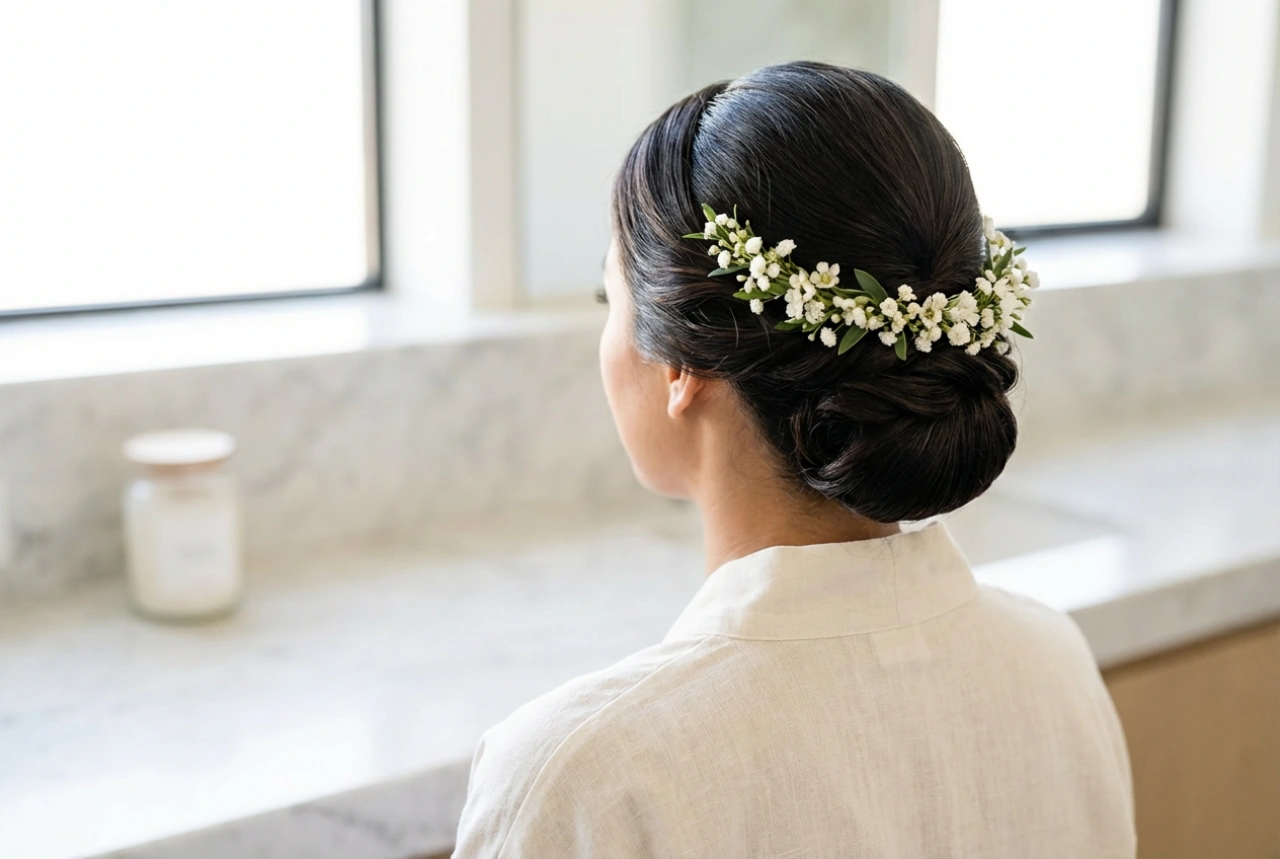
The beauty of the samurai bun is its adaptability. For a casual daytime look, create a looser, more textured bun by using your fingers instead of a brush to gather your hair. For a formal event, aim for a perfectly sleek, polished bun with no flyaways in sight. You can also experiment with a half-up samurai bun, which works wonderfully on medium-length hair. Simply gather the top section of your hair and follow the same steps, leaving the rest of your hair to flow freely.