A rotating hot air brush is a fantastic tool for achieving a polished, salon-quality finish at home. It combines the power of a hairdryer with the styling capability of a round brush, offering an efficient way to dry, smooth, and add volume to your hair. Mastering its functions, particularly the rotation, and selecting the correct attachments are key to unlocking its full potential and ensuring your hair remains healthy and vibrant. This guide will walk you through the essentials of using this versatile styler effectively and safely.
Understanding the Basics of Your Styler
Before you begin styling, it’s important to understand the features of your rotating hot air brush. Most models come with multiple settings that give you control over the styling process. Typically, you will find several heat and speed settings, as well as buttons to control the direction of the rotation. Lower heat settings are ideal for fine or delicate hair and for finishing your style, while higher settings are suitable for thicker, coarser hair types. The dual-rotation feature is designed to help you style both sides of your head symmetrically, creating inward or outward curls with ease. Familiarise yourself with these controls to make your styling session smooth and predictable.
Choosing the Right Attachment for Your Desired Look
The attachments that come with your rotating hot air styler are not just accessories; they are specialised tools designed for different hair types and styles. Selecting the correct one is the first step towards achieving your desired outcome.
For Volume and Soft Waves
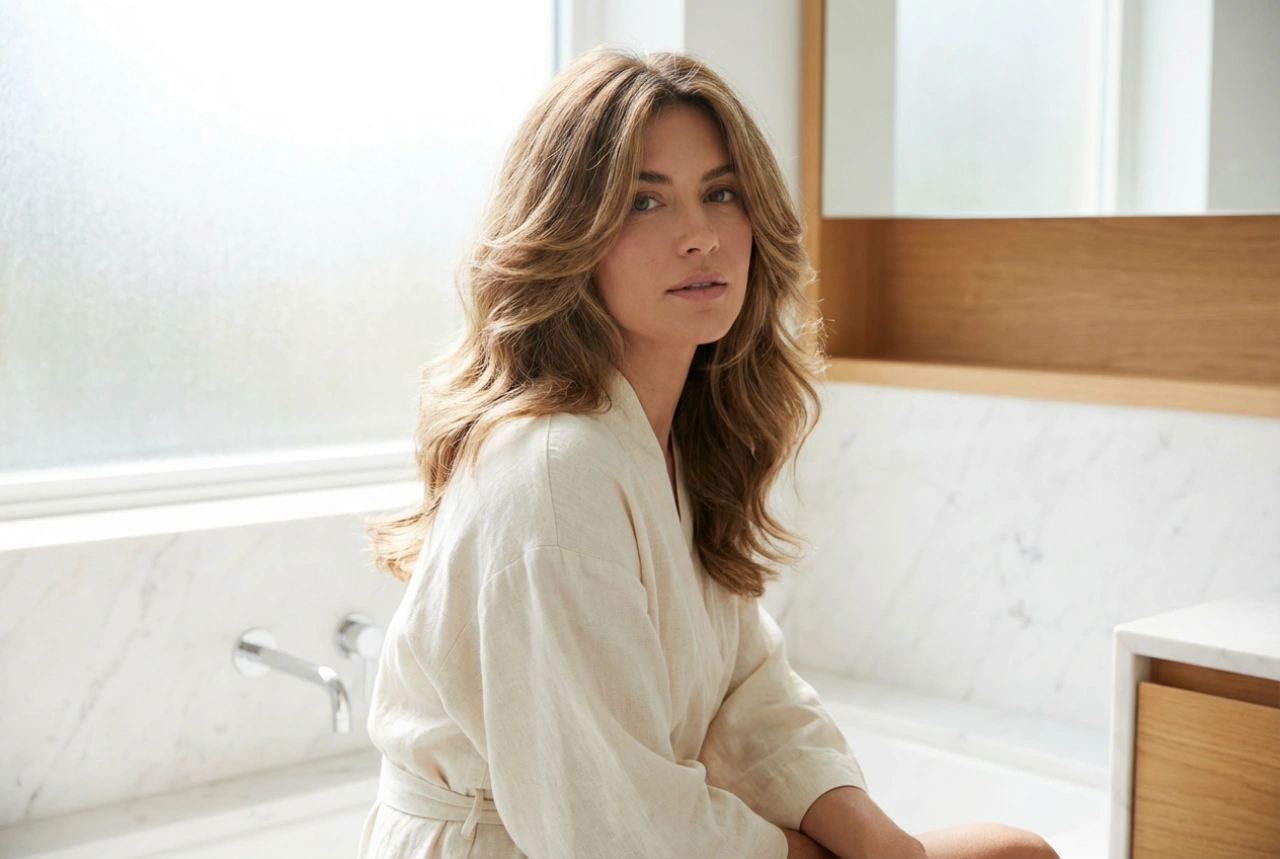
A large-barrelled rotating brush (typically 40-50mm) is your best choice for creating significant volume, especially at the roots, and for styling soft, bouncy waves in medium to long hair. The larger surface area allows you to work with bigger sections of hair, smoothing them out while lifting from the scalp. To use, place the brush under a section of hair at the root and lift upwards as you dry, allowing the rotation to gently guide the hair around the barrel for a smooth, voluminous finish.
For Fringes and Shorter Hair
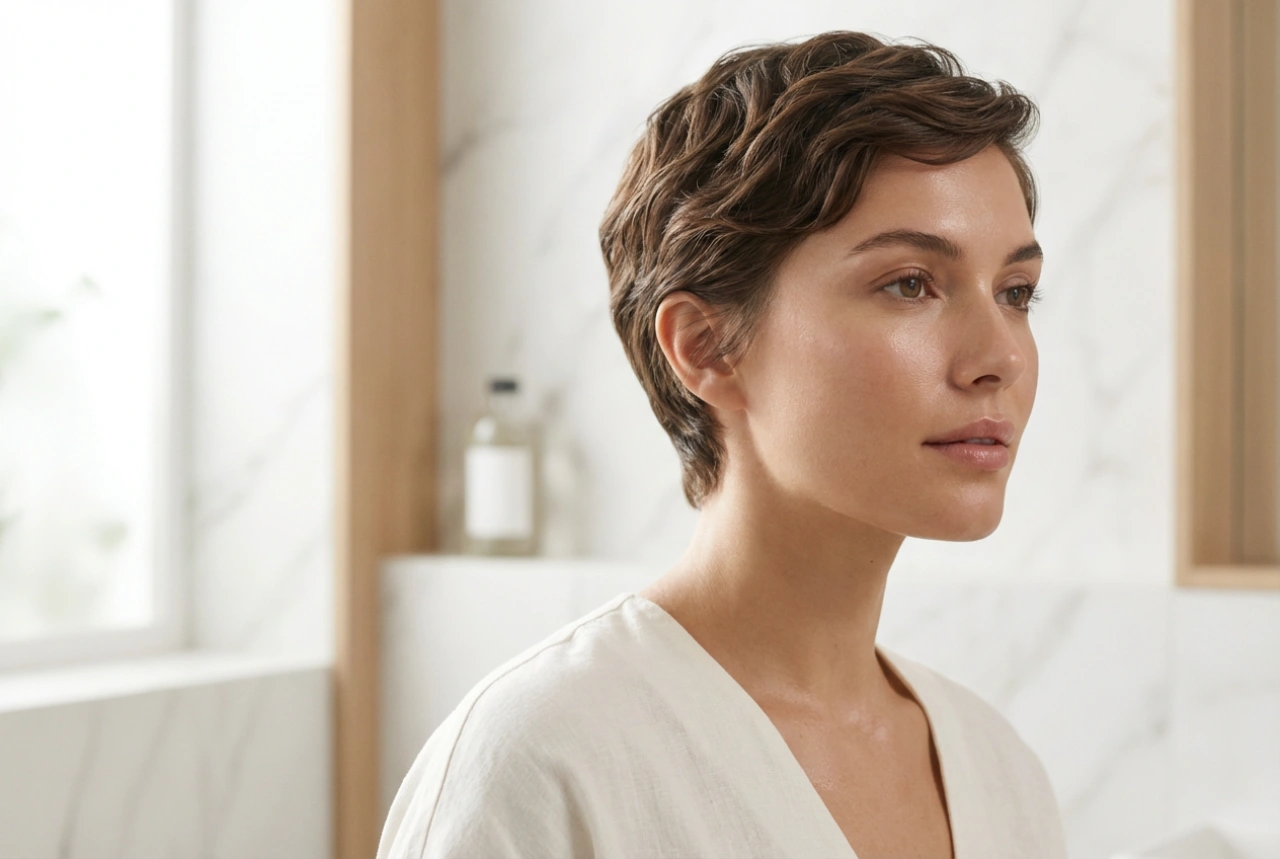
A smaller barrel (around 30mm or less) offers more precision, making it perfect for styling shorter hair, shaping fringes, and creating more defined curls or flicks at the ends. Its compact size allows you to get closer to the roots and provides greater control over smaller sections of hair, ensuring even shorter layers are perfectly styled and shaped.
For a Sleek, Smooth Finish
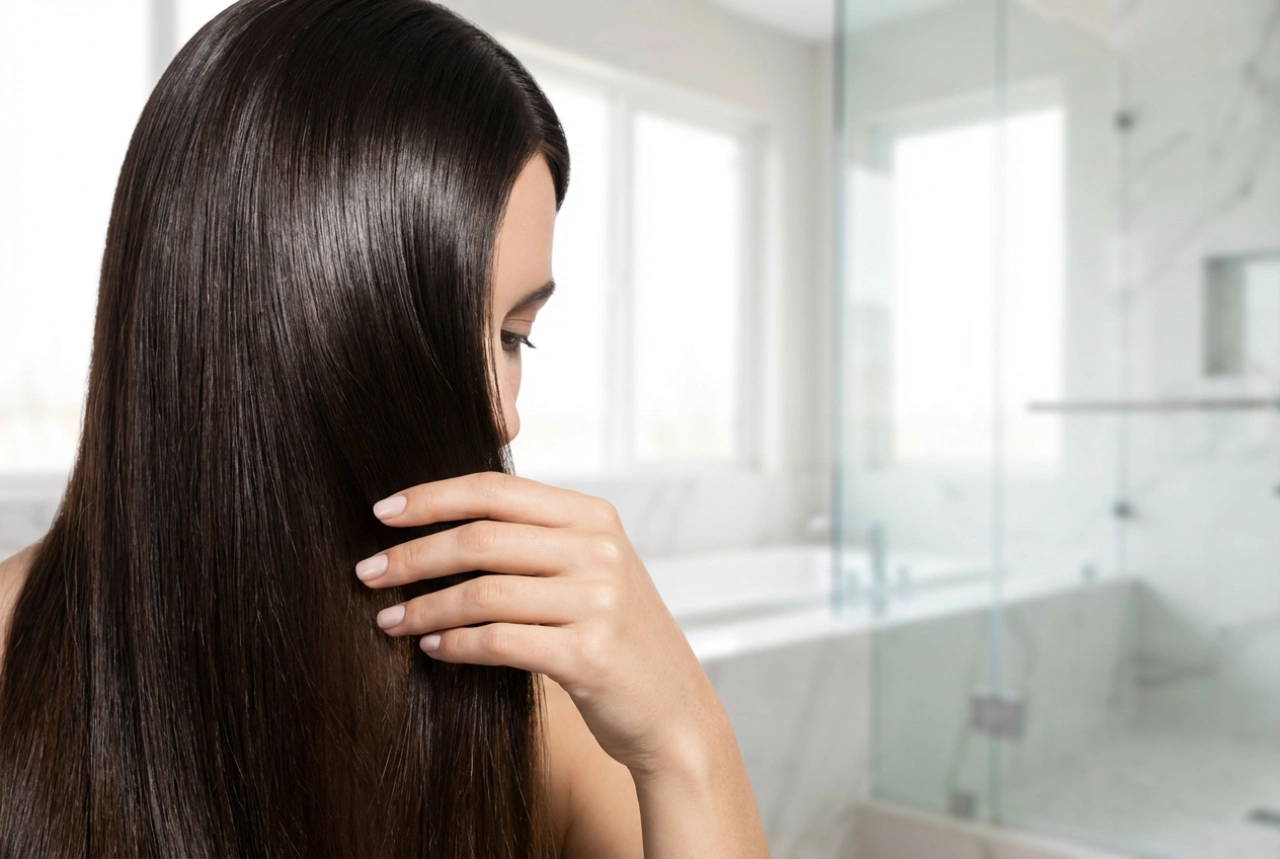
Some stylers come with a non-rotating paddle brush attachment. This is excellent for achieving a naturally straight and sleek look. While it doesn't rotate, it channels the hot air through bristles to detangle and smooth the hair cuticle as you brush. It mimics the effect of using a hairdryer and a separate paddle brush but in one easy-to-handle tool, reducing frizz and adding shine.
Mastering the Styling Technique
The right technique is crucial for a flawless result. Rushing the process or using the tool incorrectly can lead to tangles or a less-than-perfect style. Follow these steps for success:
- Start with Damp Hair: For best results, your hair should be about 80% dry. Styling from soaking wet will take much longer and can cause unnecessary heat exposure. Towel-dry your hair thoroughly and let it air-dry for a bit, or use the styler without rotation as a simple hairdryer first.
- Section Your Hair: Divide your hair into manageable sections using clips. Working with smaller sections ensures that each part is dried and styled evenly, leading to a more consistent and longer-lasting result.
- Technique is Everything: Take one section and place the brush underneath it at the roots. Glide the brush down the length of the hair shaft to smooth it. When you get to the last few inches, press the rotation button. Allow the brush to rotate and gently wrap the hair ends around the barrel for a few seconds to create a polished, bevelled look. To avoid tangles, always keep the hair taut and move the brush in a continuous downward motion.
- Use the Cool Shot: Once a section is dry and styled, use the 'cool shot' function. A blast of cool air will set the style in place, helping it to last longer and boosting shine by sealing the hair cuticle.
Essential Tips for Protecting Your Hair
Using any heat-styling tool requires a focus on hair health. A rotating hot air brush is generally gentler than flat irons or curling tongs, but proper care is still essential to prevent damage, especially to the ends.
- Always Use a Heat Protectant: This is a non-negotiable step. Before you begin styling, spritz a quality heat protectant spray evenly throughout your damp hair. This creates a barrier between your hair and the heat, minimising moisture loss and reducing the risk of damage.
- Don't Overdo the Heat: Start with a lower heat setting. You may find it is perfectly sufficient for your hair type. Only use the highest setting if your hair is particularly thick or resistant to styling, and even then, try not to pass over the same section repeatedly.
- Keep the Ends Healthy: The ends of your hair are the oldest and most fragile part. Pay special attention to them by using nourishing hair oils or serums after styling. Regular trims every 6-8 weeks are also crucial to remove any split ends and keep your hair looking its best.