

Achieving smooth, lustrous hair that flows beautifully can often feel like a daily battle against frizz and static. The frustration of carefully styling your hair only to have it puff up or develop flyaways is a common experience. The foundation of taming unruly hair lies in your washing routine, specifically in choosing and using the right shampoo. Understanding the causes of frizz and the ingredients that combat it can transform your hair care, leading to the sleek, manageable locks you desire.
What Causes Hair to Frizz and Become Static?
Frizz and static are primarily related to hair's moisture levels and the condition of its outer layer, the cuticle. When hair is healthy and well-hydrated, the cuticles lie flat, creating a smooth surface that reflects light and feels soft. However, several factors can cause these cuticles to lift, resulting in a rough, frizzy texture.
The Role of Moisture
The main culprit behind frizz is a lack of moisture. Dry hair is porous and its cuticles are raised. In humid conditions, dry hair tries to absorb moisture from the air, which causes the hair shaft to swell unevenly and the cuticles to lift further, creating frizz. Conversely, in very dry conditions (like in centrally heated rooms), the lack of moisture in the hair can lead to a build-up of static electricity, causing individual strands to repel each other and create flyaways.
External and Mechanical Factors
Your environment and daily habits also play a significant role. Friction from hats, scarves, pillowcases, or aggressive towel-drying can rough up the hair cuticle. Similarly, washing with very hot water and over-using heat styling tools can strip the hair of its natural oils, leading to dehydration and, consequently, more frizz and static.
Key Ingredients in a Smoothing Shampoo
When selecting a shampoo to combat frizz, reading the ingredient list is crucial. Look for formulations designed to hydrate, nourish, and smooth the hair shaft. Avoid harsh cleansing agents that can strip moisture and exacerbate the problem.
Hydrating and Moisturising Agents
These ingredients help to replenish and lock in moisture. Key components to look for include:
- Glycerin: A powerful humectant that draws moisture from the environment into the hair shaft, providing deep hydration.
- Natural Oils and Butters: Ingredients like argan oil, coconut oil, jojoba oil, and shea butter are rich in fatty acids. They act as emollients, smoothing the cuticle, and as occlusives, forming a protective barrier to prevent moisture loss.
- Hyaluronic Acid: Known for its ability to hold vast amounts of water, this ingredient provides intense hydration for thirsty hair strands.
Strengthening and Smoothing Components
Repairing and reinforcing the hair structure can also lead to a smoother appearance.
- Hydrolysed Proteins: Keratin, silk, or wheat proteins can temporarily fill in the gaps and cracks in the hair cuticle, strengthening the strand and creating a smoother surface.
- Silicones: While sometimes debated, certain silicones are very effective at coating the hair to reduce frizz, add shine, and provide heat protection. Look for water-soluble or lightweight versions if you are concerned about build-up.
The Right Way to Wash for Frizz-Free Results
How you wash your hair is just as important as what you use. Adopting a gentle technique can make a significant difference in managing frizz and static.
Temperature and Technique
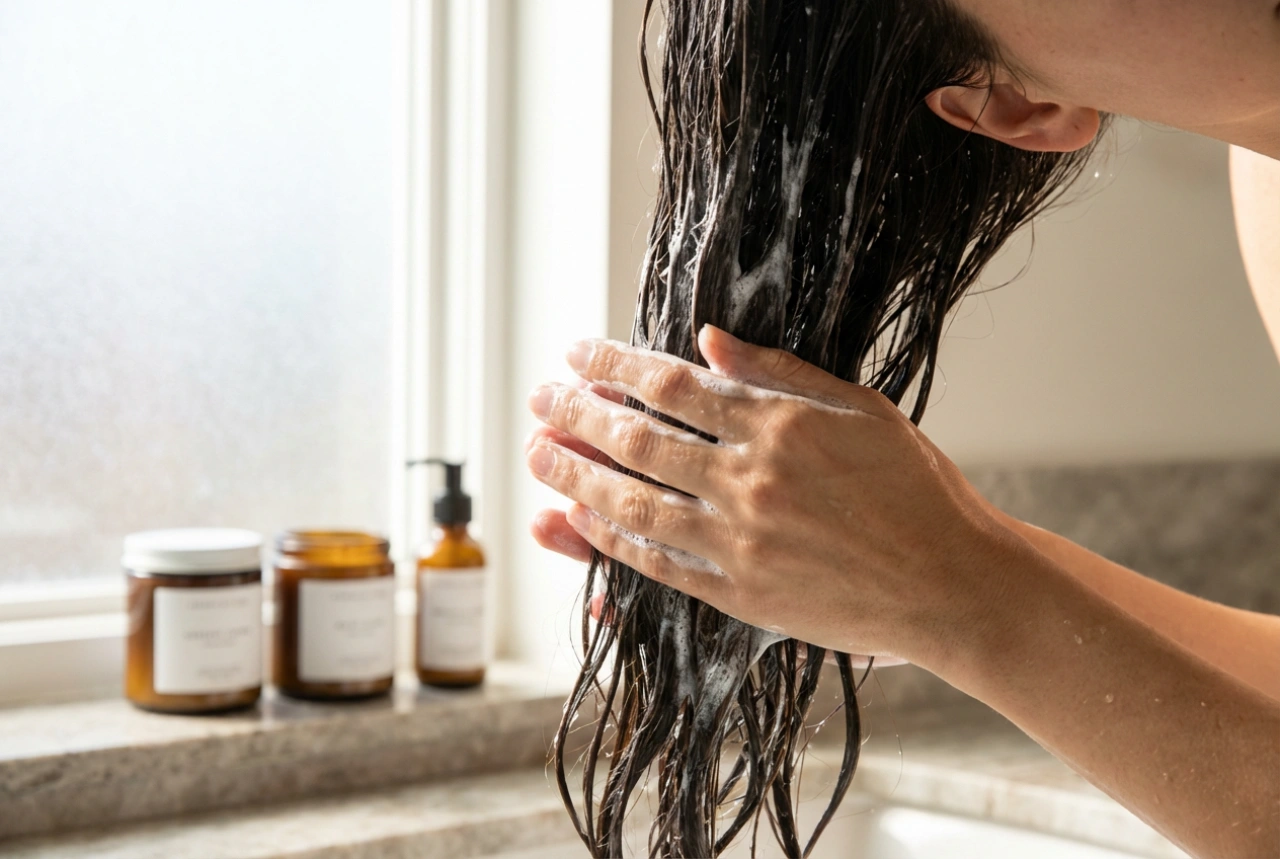
Always use lukewarm water to wash your hair. Hot water can strip protective oils and lift the cuticle. Concentrate the shampoo on your scalp, where oil and product build-up is most concentrated. Gently massage it in with your fingertips, then allow the lather to rinse down the lengths of your hair. There is no need to vigorously scrub your hair strands, as this creates friction and damage. Finish with a cool water rinse to help seal the cuticles, which locks in moisture and enhances shine.
Complementary Care Steps
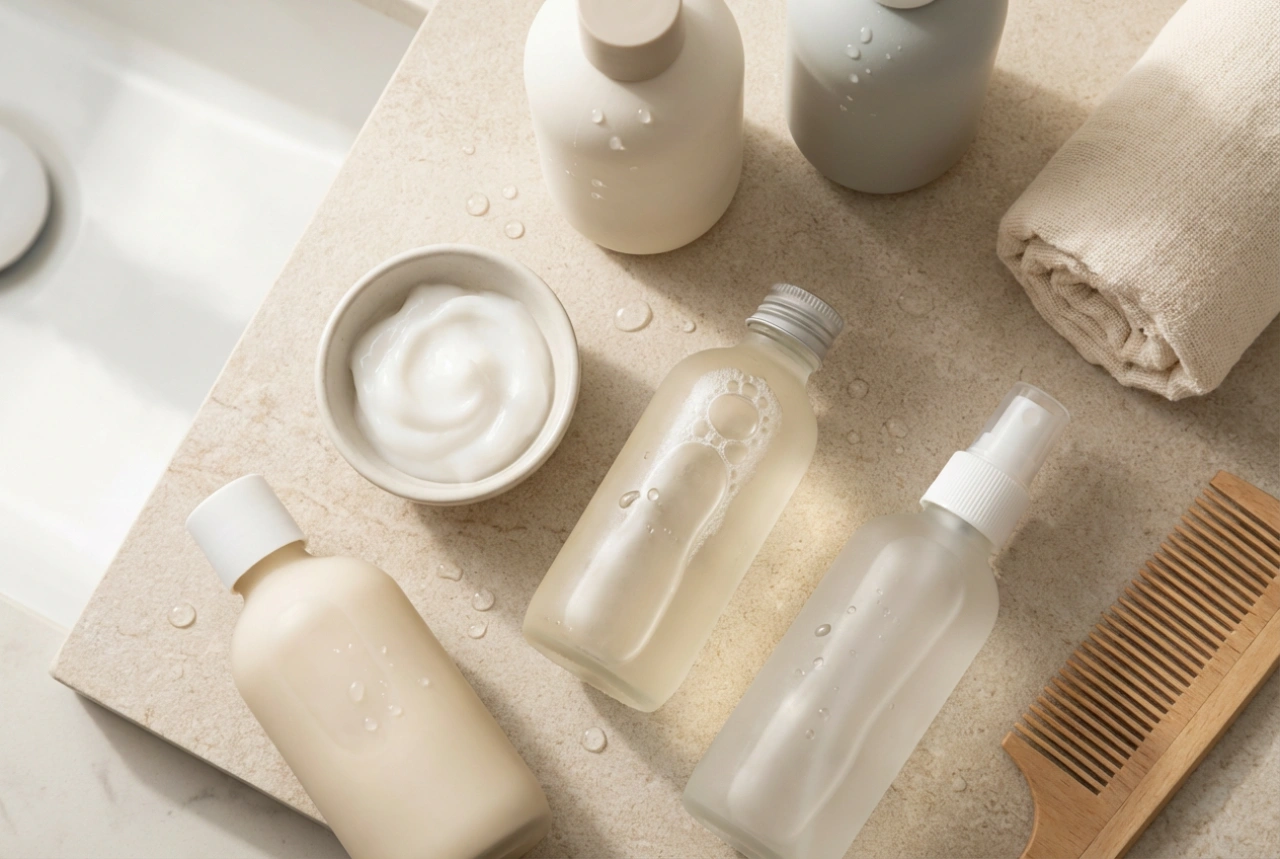
A smoothing shampoo is the first step, but a holistic routine is essential for the best results. Always follow up with a hydrating conditioner, focusing its application on the mid-lengths and ends. After washing, gently squeeze out excess water and pat your hair dry with a soft microfibre towel or an old cotton t-shirt instead of rubbing it with a coarse towel. Using a wide-tooth comb to detangle and applying a leave-in conditioner or anti-frizz serum to damp hair will provide an extra layer of protection against humidity and static throughout the day.