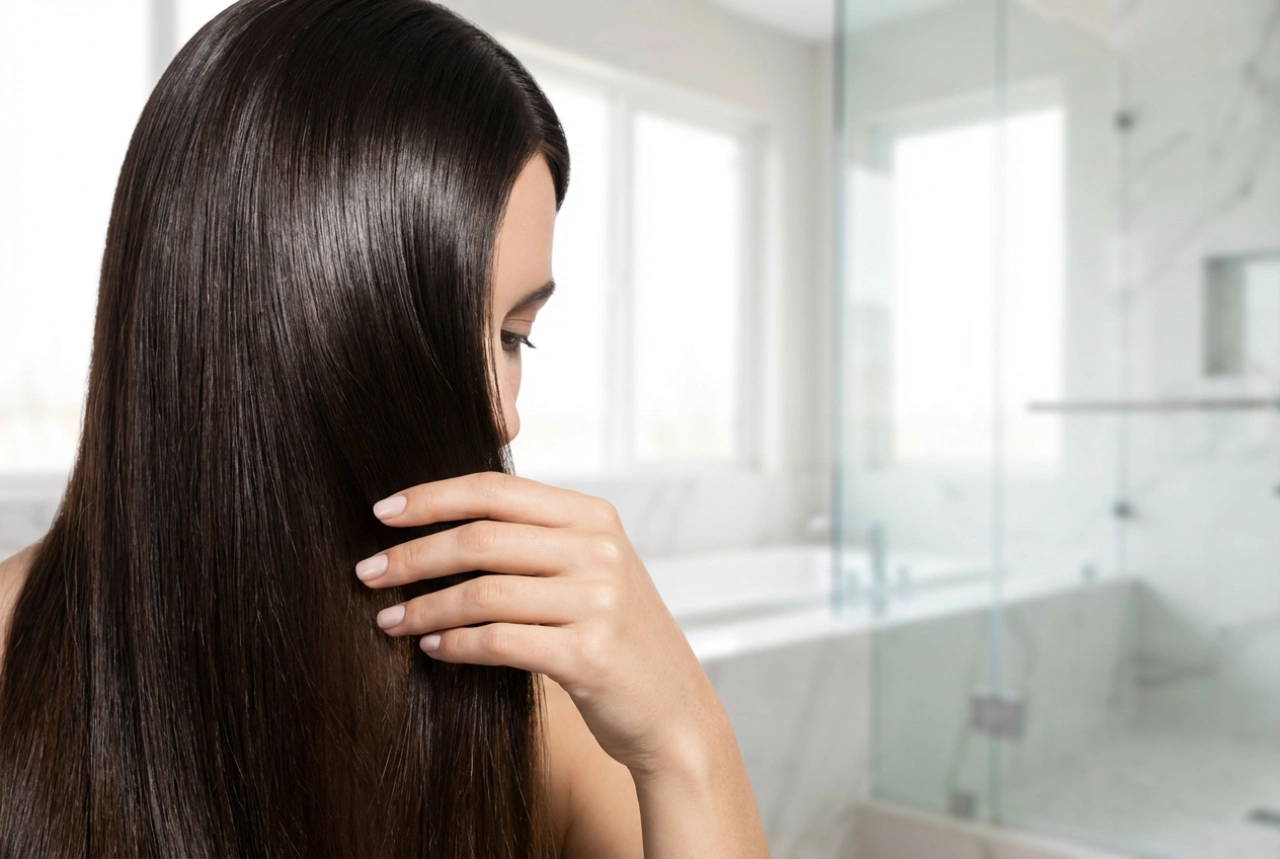


Long hair offers a wonderful canvas for expressing personal style, but it can sometimes feel heavy or lack dimension. A layered haircut is a fantastic solution to revitalise long locks, adding movement, texture, and an illusion of volume without sacrificing precious length. This classic cutting technique can be adapted to suit any hair type and face shape, making it one of the most versatile choices for those with longer hair. It’s all about creating shape and interest, transforming a simple look into something more dynamic and sophisticated.
What Are the Benefits of Layering Long Hair?
Opting for layers in long hair brings numerous advantages. Unlike a one-length cut, which can hang heavily and appear flat, layering introduces varied lengths throughout the hair. This technique is designed to achieve specific effects based on the desired outcome.
- Adds Volume and Movement: By cutting shorter pieces over longer ones, layers create natural lift and body, making hair appear fuller and more dynamic. This is especially beneficial for fine or straight hair that tends to fall flat.
- Removes Unwanted Weight: For those with thick, dense hair, layers are a game-changer. They strategically remove bulk, making hair feel lighter, more manageable, and less prone to overwhelming the face.
- Enhances Natural Texture: Whether your hair is wavy or curly, layers can help define its natural pattern. They prevent the dreaded 'triangle' shape where hair is flat at the roots and overly full at the ends, encouraging curls to form beautifully.
- Frames the Face: Shorter layers can be cut around the face to soften features and draw attention to the eyes, cheekbones, or jawline. This provides a flattering, bespoke finish to your hairstyle.
Common Layering Techniques for Long Hair
A conversation with your hairdresser will help determine the best technique for you, but it's useful to know the different options available. Each method creates a distinct effect, from subtle and soft to bold and textured.
Subtle, Long Layers
This is the ideal choice for anyone new to layers or wanting to maintain a sense of length and thickness. The layers are typically long and seamlessly blended, starting from the collarbone or lower. The result is gentle movement and shape without a dramatic change, perfect for adding a little interest to straight or fine hair.
Face-Framing Layers
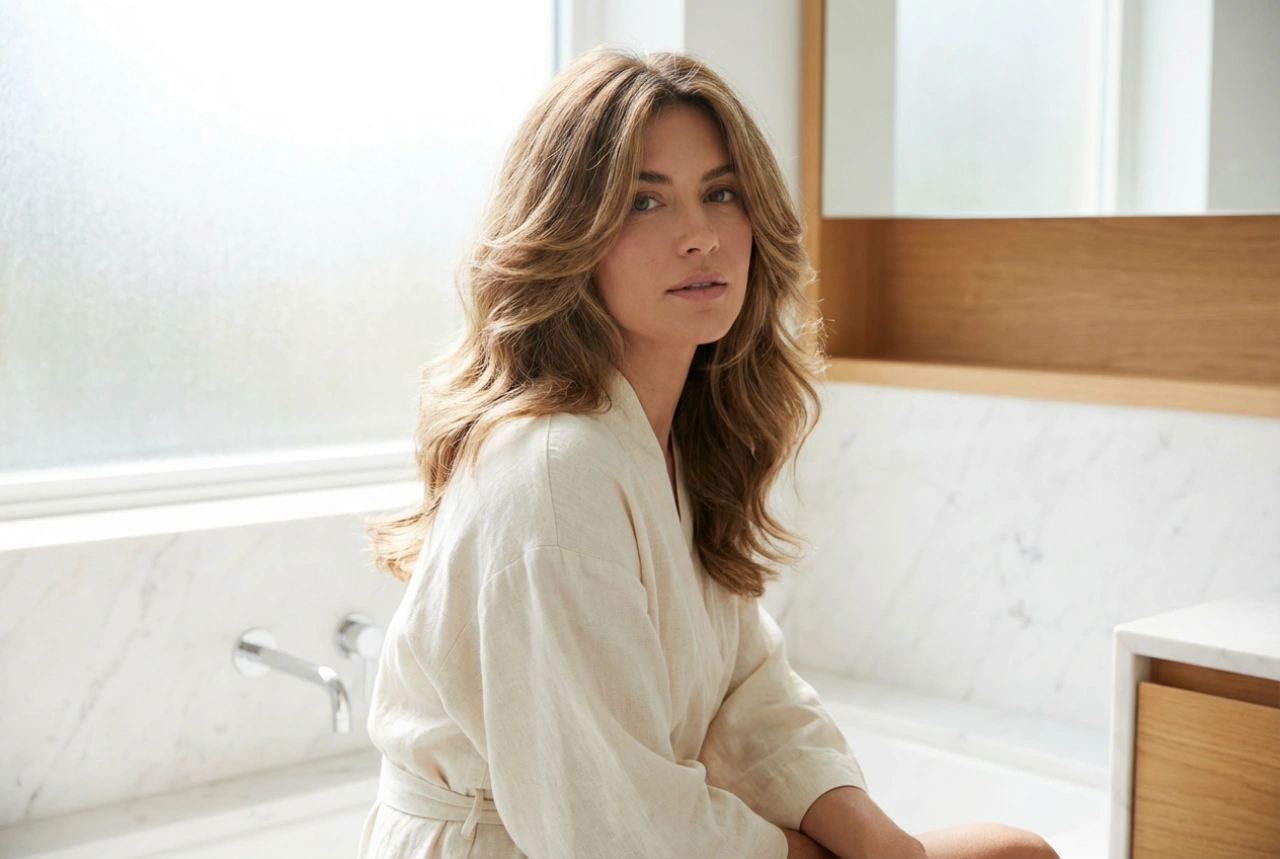
This technique focuses on the sections of hair immediately surrounding the face. The layers are cut to gradually get shorter towards the front, creating a soft cascade that highlights your facial features. It can be combined with any other type of layering on the rest of the hair for a personalised look.
V-Shape and U-Shape Cuts
These cuts refer to the overall shape of the hair when viewed from the back. In a V-shape cut, the hair is shortest at the sides and tapers to a longer point in the middle. A U-shape is similar but with a softer, more rounded curve. Both styles create a beautiful flowing effect and work well with layers to enhance the shape.
Everyday Styling for Long, Layered Hair
One of the best things about a layered cut is its versatility in styling. With just a few simple techniques, you can easily showcase the texture and movement your new cut provides.
The Natural, Air-Dried Look
For an effortless style, allow your hair to air-dry. To enhance natural waves and the texture of your layers, you can apply a small amount of texturising spray or light mousse to damp hair. Gently scrunch sections with your hands as it dries to encourage movement. This low-maintenance approach is perfect for showing off the subtle dimension of your cut.
Polished Blow-Dry with Volume
A classic blow-dry can make your layers stand out beautifully. Use a round brush while drying your hair section by section. For volume, lift the hair at the roots as you dry. When you get to the ends, roll the brush inwards or outwards to flick the layers and create a bouncy, polished finish. A smoothing serum can be used afterwards to tame any flyaways.
Defining Layers with Heat Tools
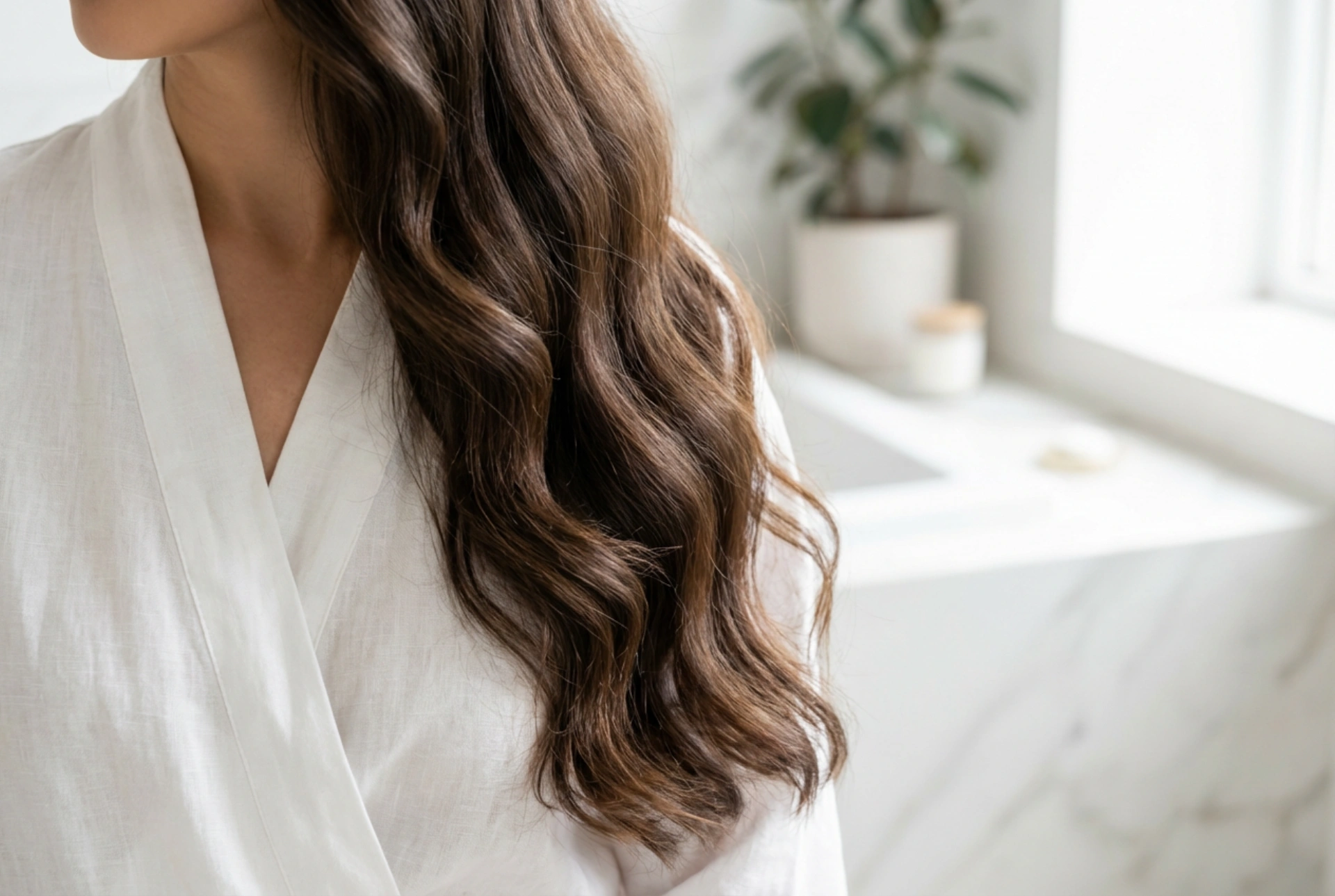
Curling wands and straighteners are excellent for adding definition. For a soft, wavy look, loosely wrap large sections of hair around a curling wand, alternating directions to create a more natural effect. Pay special attention to the face-framing pieces, curling them away from your face to open up your features. You can also use a straightener to create gentle bends in the mid-lengths of your hair, which helps to emphasise the different lengths of the layers.