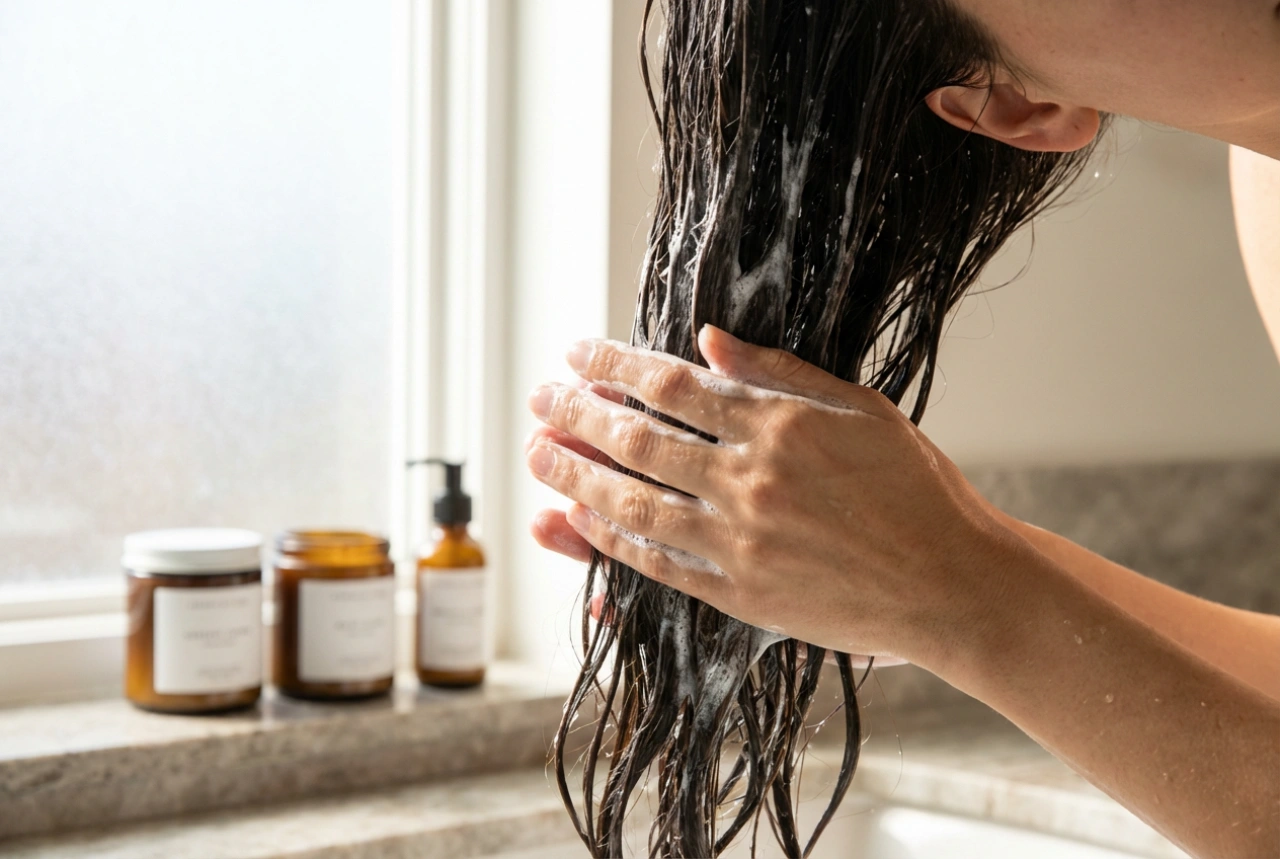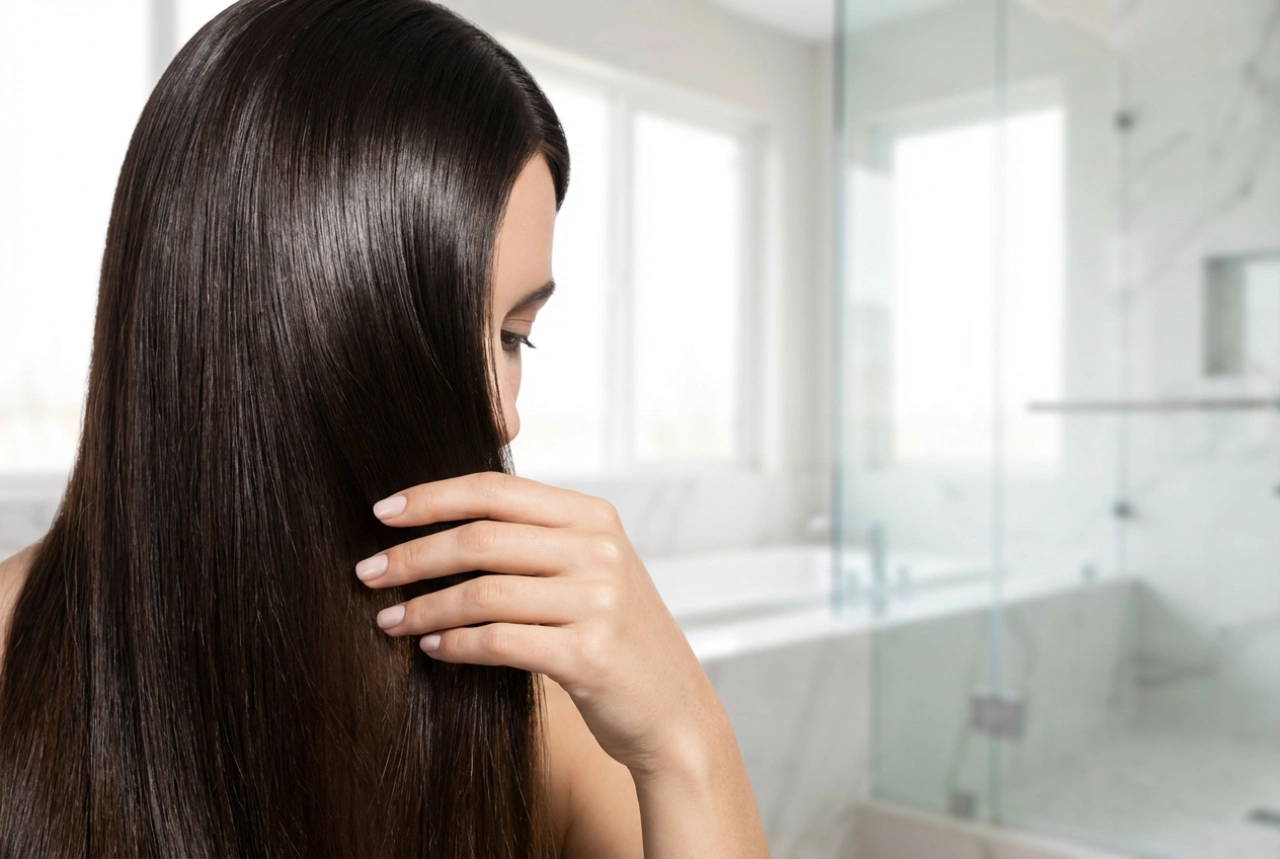


The quest for healthy, shiny hair often leads to a common question: how often should we actually be washing it? While some advocate for daily cleansing, others praise the benefits of spacing out washes. The truth is, there is no single correct answer. The ideal frequency depends on a unique combination of factors, including your hair type, scalp condition, and daily routine. Understanding these elements is the first step towards creating a personalised hair care rhythm that leaves your locks looking and feeling their best.
Factors That Influence Hair Washing Frequency
Before settling on a schedule, it’s important to assess the specific needs of your hair and scalp. Several key factors come into play, and what works for one person may not work for another. By considering the following points, you can make a more informed decision about your routine.
- Hair Type: The texture and thickness of your hair are significant. Fine, straight hair tends to show oil more quickly than thick, curly, or textured hair, as sebum can travel down the hair shaft more easily.
- Scalp Condition: Your scalp is skin, and it produces a natural oil called sebum. Some people naturally produce more sebum than others, leading to an oilier scalp that may feel like it needs more frequent washing. Conversely, a dry, sensitive scalp may benefit from less frequent cleansing to avoid irritation.
- Lifestyle: Your daily activities play a big role. If you exercise frequently and sweat a lot, you might feel the need to wash your hair more often to remove sweat and build-up. Similarly, your environment, such as exposure to pollution or humidity, can affect how clean your hair feels.
- Styling Products: The use of products like gels, mousses, hairsprays, or serums can lead to build-up on the scalp and hair strands. If you use a lot of styling aids, you may need to wash your hair more regularly to remove residue and prevent it from weighing your hair down.
A Guide Based on Hair Type
Understanding your hair type is crucial for establishing an effective washing routine. Here’s a general guide to help you find a starting point, which you can then adjust based on your personal observations.
For Oily Hair
If your hair feels greasy less than 24 hours after washing, you likely have an oily scalp. For this hair type, washing every day or every other day is often necessary to manage excess oil and keep hair looking fresh. Using a gentle, clarifying shampoo focused on the scalp can help cleanse effectively without stripping the ends.
For Dry, Damaged or Textured Hair
Those with dry, coarse, curly, or chemically treated hair can typically go longer between washes. Natural oils take more time to travel down the hair shaft, so washing only two or three times a week can help preserve moisture and prevent hair from becoming brittle. Co-washing, which involves washing with conditioner only, can also be a gentle alternative for this hair type.
For Normal or 'In-Between' Hair
If your hair is neither particularly oily nor dry, you have more flexibility. A good starting point is to wash your hair every two to three days. Pay attention to how your hair looks and feels. If your roots start to look flat and oily but your ends are fine, you’re likely on the right schedule. You can adjust as needed based on your activity level and styling choices.
Signs You Might Need to Adjust Your Routine
Your hair and scalp will often give you clear signals if your washing frequency isn’t quite right. Learning to read these signs allows you to fine-tune your approach for optimal hair health.
Signs of Over-washing:
- Your scalp feels tight, itchy, or flaky.
- Your hair feels overly dry, brittle, and prone to breakage.
- You notice your hair colour fading faster than usual.
- Your hair seems to be producing even more oil, as the scalp overcompensates for being stripped of its natural oils.
Signs of Under-washing:
- Your scalp is noticeably greasy, and your roots look flat and weighed down.
- There is visible product build-up or flakes on your scalp.
- Your scalp feels itchy or irritated due to build-up.
- Your hair has a dull appearance and lacks volume.
Ultimately, finding the perfect hair washing frequency is a personal journey. There's no universal rule, so listen to your hair and scalp. Don't be afraid to experiment by adding or subtracting a wash day to see how your hair responds. The goal is to find a balance that keeps your hair clean, healthy, and manageable without causing dryness or excess oiliness.