

The shift towards more natural and mindful beauty routines has brought plant-based hair care into the spotlight. Inspired by the purity of botanical ingredients like rosemary and chamomile, many are seeking gentler alternatives to conventional shampoos. Understanding what makes a shampoo 'natural' and how to use it correctly is key to unlocking its full potential for beautiful, healthy-looking hair. While the term 'chemical-free' is a misnomer—as everything, including water, is a chemical—it generally refers to products formulated without certain synthetic ingredients that some people prefer to avoid.
What Defines a Natural Shampoo?
In the context of hair care, a 'natural' shampoo typically means a formula that prioritises ingredients derived from plants, minerals, and other natural sources. The focus is on creating a product that cleanses effectively without stripping the hair and scalp of their natural oils. These shampoos are often distinguished by what they lack, such as harsh sulphates (like SLS/SLES), silicones, parabens, and synthetic fragrances. Instead, they harness the power of nature to clean, nourish, and protect.
Key Ingredient Philosophies
- Gentle Cleansing: Instead of strong detergents, natural shampoos use milder surfactants, often derived from coconut or sugar. These cleanse effectively but are less likely to irritate the scalp or dry out the hair.
- Nourishment from Nature: The formulas are enriched with botanical oils, butters, and extracts that provide genuine benefits. These ingredients work to moisturise, strengthen, and add shine to the hair.
- Scalp Health: A healthy scalp is the foundation for healthy hair. Natural shampoos often include ingredients known for their soothing and balancing properties, helping to maintain a harmonious scalp environment.
Key Ingredients to Look for in a Natural Shampoo
When you're browsing labels, knowing which ingredients to look for can help you choose the best product for your hair type. These components work together to provide a holistic hair care experience.
Gentle Cleansing Agents
These are the ingredients that do the actual washing. Look for mild, plant-derived surfactants that clean without being harsh:
- Coco-Glucoside: A very mild cleanser derived from coconut oil and fruit sugar.
- Decyl Glucoside: Another gentle surfactant made from corn and coconuts, suitable for sensitive skin.
- Sodium Cocoyl Isethionate: A coconut-derived cleansing agent that creates a surprisingly rich lather but remains gentle on the hair.
- Soapwort (Saponaria officinalis) Extract: A traditional plant extract that contains natural saponins, which have cleansing properties.
Nourishing Oils and Butters
To replenish moisture and keep hair soft and manageable, natural shampoos incorporate a variety of plant-based emollients:
- Argan Oil: Rich in vitamin E and fatty acids, it's known for its moisturising and shine-enhancing properties.
- Jojoba Oil: Its structure is very similar to the scalp's natural sebum, making it excellent for balancing oil production.
- Shea Butter: A deeply moisturising ingredient that helps to seal in hydration, perfect for dry or coarse hair.
- Coconut Oil: Known for its ability to penetrate the hair shaft, helping to prevent protein loss and add strength.
Beneficial Botanical Extracts
Plant extracts can offer targeted benefits for both the hair and scalp:
- Chamomile Extract: Often used to soothe the scalp and enhance brightness, especially in blonde hair.
- Rosemary Extract: Can help invigorate the scalp, promoting a healthy environment for hair growth.
- Nettle Extract: Traditionally used to help with oily hair and scalp issues, adding shine and body.
- Aloe Vera: A hydrating powerhouse that soothes the scalp and provides lightweight moisture to the hair strands.
How to Get the Best Results with Natural Shampoo
Using a natural shampoo can feel different from using a conventional one, especially regarding lather. Following a few simple steps can ensure a thorough, satisfying wash.
1. Wet Your Hair Thoroughly: Make sure your hair is completely saturated with warm water before applying any product. This helps the shampoo distribute more easily and activate its cleansing agents.
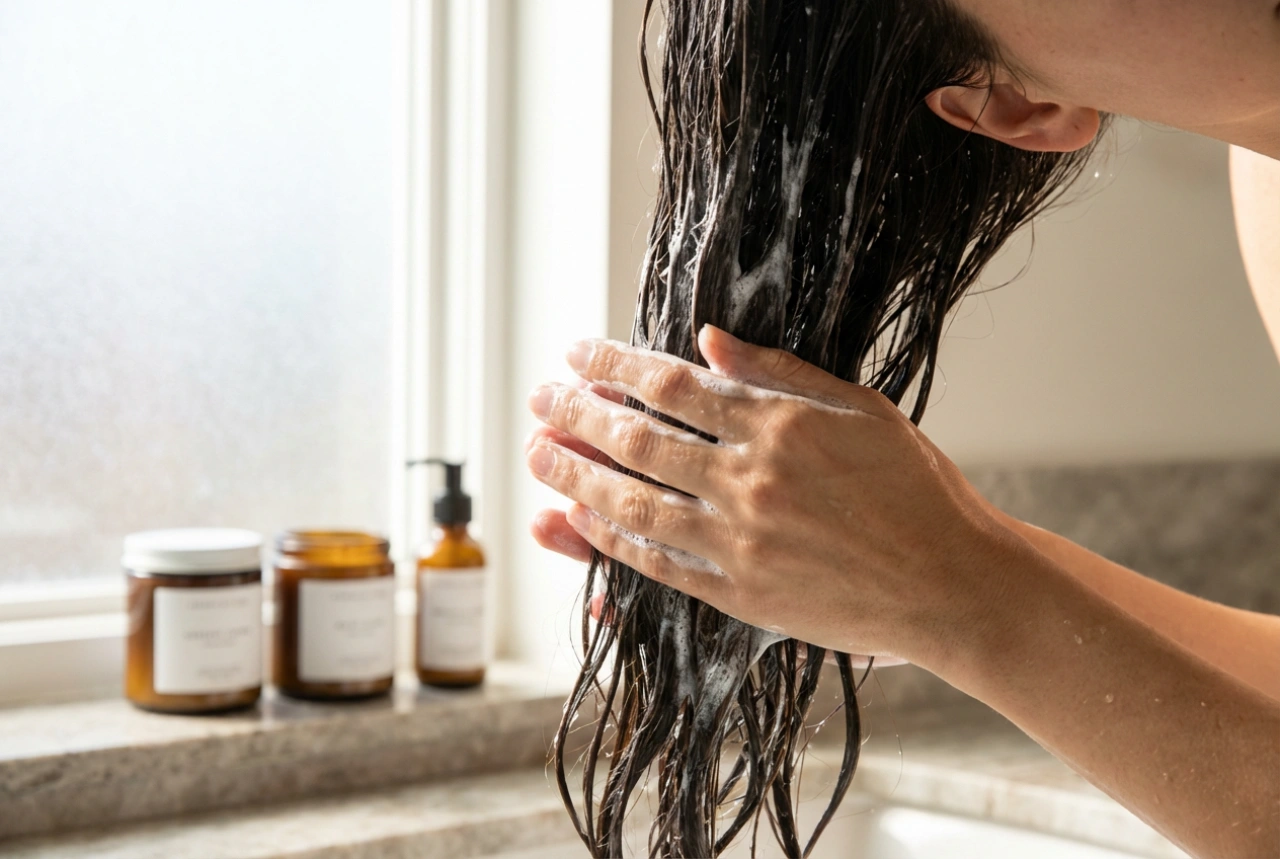
2. Use a Double Cleanse: Natural shampoos often lather less on the first wash, especially if your hair has product buildup or is very oily. The first cleanse works to break down this residue. Apply a small amount of shampoo, focusing on massaging it into your scalp. Don't worry if there isn't much foam. Rinse it out.
3. The Second Wash: Apply shampoo a second time. You'll likely notice much more lather now that the initial layer of dirt and oil has been washed away. This second wash provides a deeper clean for your scalp and hair. Massage gently with your fingertips to stimulate circulation.
4. Rinse, Rinse, Rinse: It is crucial to rinse your hair completely. Since these formulas don't contain silicones that create 'slip', any remaining residue can make hair feel heavy or dull. Rinse for an extra minute after you think you're done.
Navigating the Transition Period
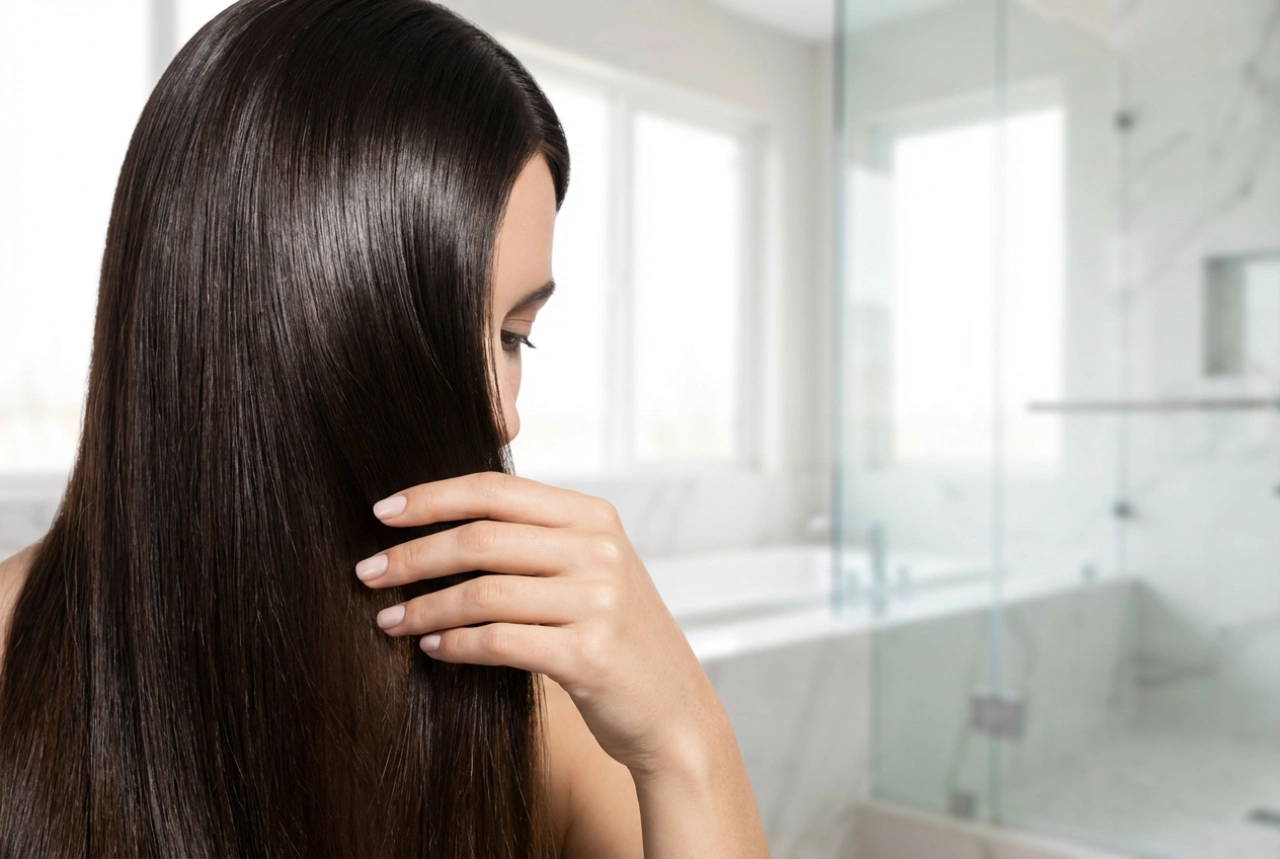
When you switch from conventional to natural shampoos, your hair may go through an adjustment or 'transition' period. Conventional shampoos often contain silicones that coat the hair to make it feel smooth and sulphates that strip the scalp, causing it to overproduce oil to compensate. When you remove these, your scalp and hair need time to rebalance. For a few days or weeks, your hair might feel greasy, heavy, or tangled. This is normal. Be patient, continue with your new routine, and your scalp's oil production will gradually normalise, revealing hair that is naturally balanced and healthy-looking.