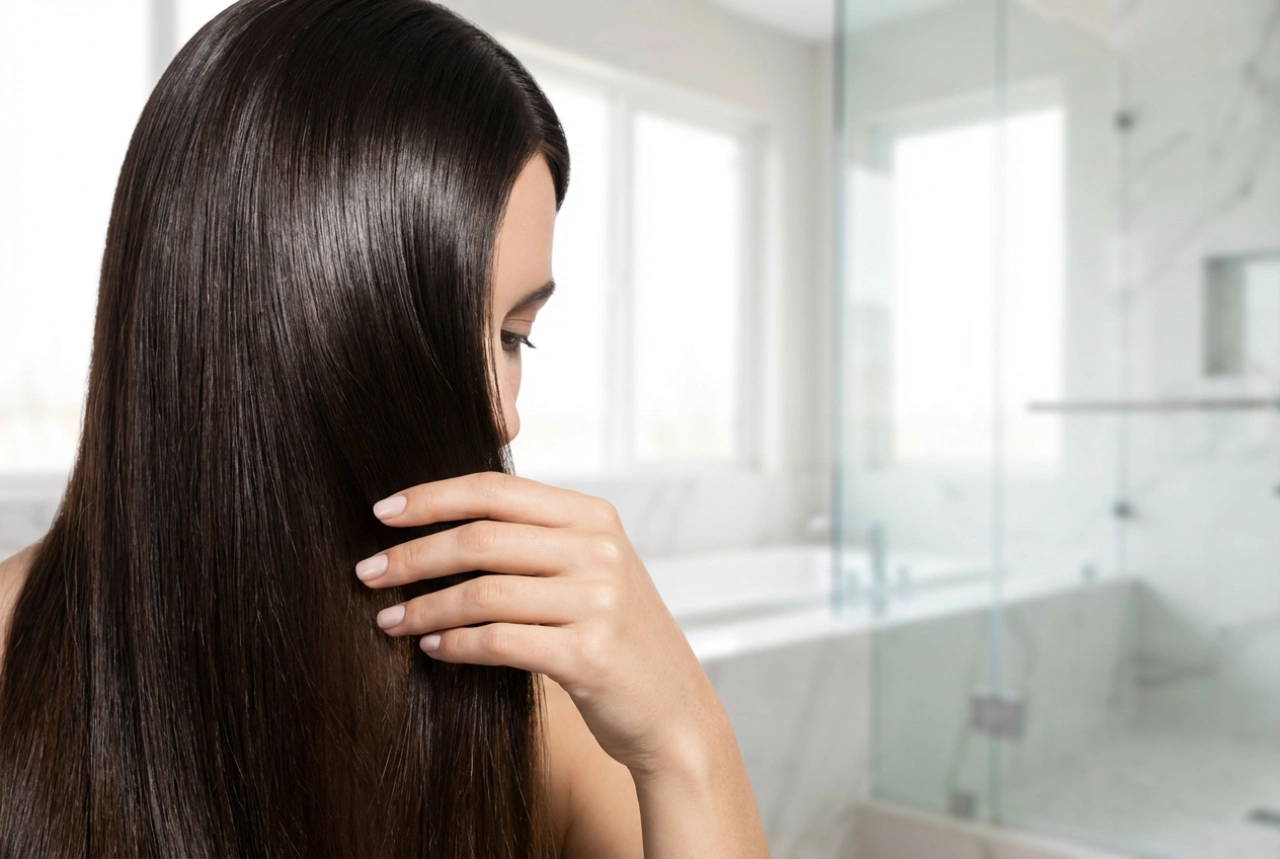


Seeing more hair on your brush or in the shower drain can be unsettling. While numerous internal and external factors contribute to the state of our hair, adopting a gentle and thoughtful hair care routine is a fundamental step toward improving its condition and resilience. The journey begins with a conscious choice of a suitable shampoo and mastering the correct washing technique. This approach can make a significant difference in how strong and healthy your hair looks and feels, providing a solid foundation for its care.
Understanding Hair Prone to Shedding
It's natural to lose a certain number of hairs each day as part of the hair's life cycle. However, when you notice a significant increase in shedding, it's a sign that your hair may be weakened and in need of extra support. This weakness can often be exacerbated by external factors such as harsh chemical treatments, aggressive styling, environmental pollutants, and, crucially, an improper washing routine. By focusing on gentle care, we can help minimise breakage and create an optimal environment for hair to maintain its strength.
Key Ingredients in a Strengthening Shampoo
When selecting a shampoo for hair that feels fragile and prone to falling out, the ingredient list is your best guide. Look for formulations designed to nourish the scalp and fortify the hair fibre.
Strengthening Proteins and Amino Acids
Proteins are the building blocks of hair. Shampoos containing hydrolysed proteins like keratin, wheat, or silk proteins can help to temporarily patch up gaps in the hair's cuticle. This makes the hair shaft smoother, more resilient, and less susceptible to snapping. Amino acids, the smaller components of proteins, penetrate the hair more deeply to provide structural support from within.
Vitamins and Nourishing Plant Extracts
Certain vitamins and botanical extracts are celebrated for their beneficial effects on the scalp and hair. Biotin (Vitamin B7) is essential for hair health, while Panthenol (Pro-vitamin B5) acts as a humectant, drawing moisture into the hair to improve its elasticity. Look for extracts like nettle, which helps to maintain scalp balance, horsetail, which is rich in silica for strength, and ginseng, known for its revitalising properties that can help invigorate the scalp.
Gentle Cleansing Agents
The type of detergent in your shampoo matters greatly. Harsh sulphates, such as Sodium Lauryl Sulphate (SLS) or Sodium Laureth Sulphate (SLES), can be too stripping for a delicate scalp. They can remove too much of the natural sebum, leading to dryness and irritation, which is not an ideal environment for healthy hair. Opt for shampoos with milder, sulphate-free surfactants derived from coconut or corn, which cleanse effectively without causing undue stress to the scalp and hair.
The Correct Technique for Washing Weakened Hair
How you wash your hair is just as important as what you wash it with. An aggressive technique can lead to mechanical damage and unnecessary hair loss. Follow this gentle method to care for your delicate strands.
- Preparation: Before applying shampoo, make sure your hair is thoroughly saturated with lukewarm water. Hot water can strip the scalp's protective oils and dehydrate the hair, making it more brittle.
- Application: Dispense a small amount of shampoo into your palm and dilute it with a little water. This helps it spread more evenly and reduces the concentration of detergents applied directly to one spot on your scalp.
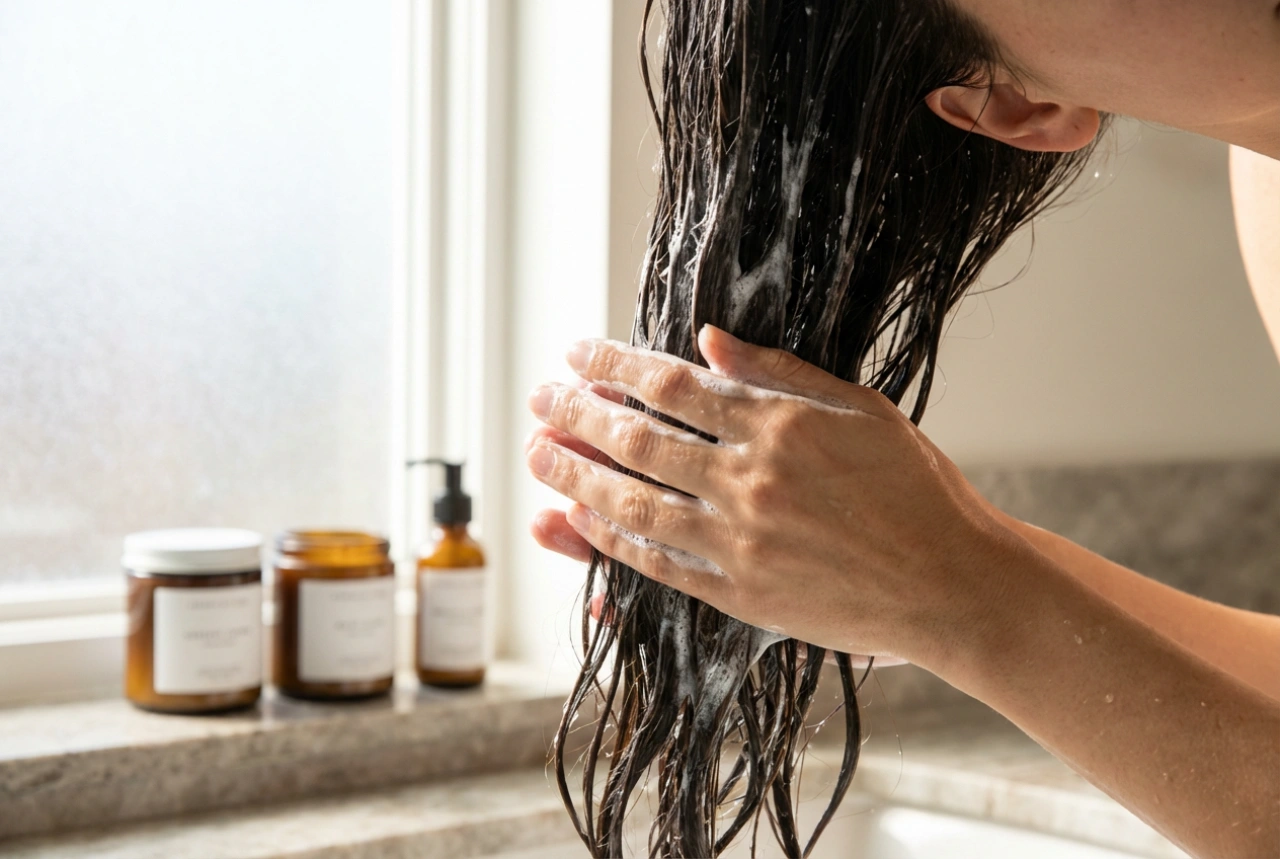
- Scalp Massage: Apply the diluted shampoo primarily to your scalp. Using the pads of your fingertips (never your nails), gently massage your scalp in circular motions. This helps to cleanse away impurities and stimulates blood flow to the hair follicles without pulling or tugging at the roots.
- Cleansing the Lengths: There is no need to scrub the lengths of your hair. As you rinse the shampoo from your scalp, the lather running down the hair shaft is sufficient to cleanse it. Actively scrubbing the lengths can cause friction, tangles, and cuticle damage.
- Rinsing and Drying: Rinse thoroughly with lukewarm water until you feel no residue. A final, brief rinse with cool water can help to seal the hair cuticles, promoting shine and smoothness. Afterwards, gently squeeze out excess water and blot your hair with a soft, absorbent towel, such as a microfibre one. Avoid rubbing your hair vigorously, as this is a major cause of breakage.
By combining a thoughtfully chosen shampoo with a gentle, methodical washing technique, you provide your hair with the supportive care it needs. This conscious approach helps to minimise stress on weakened hair fibres and fosters a healthy scalp environment, paving the way for hair that is stronger, more resilient, and visibly healthier.