

The rich, satisfying foam of a shampoo is often associated with a thorough, deep cleanse. This cleansing power is largely thanks to detergents, with Sodium Lauryl Sulfate (SLS) being one of the most well-known. While a common ingredient in many personal care products, its role in hair care is often debated. Understanding how SLS works, its benefits, and its potential drawbacks can help you decide if a shampoo with strong detergents is the right choice for your hair care routine.
What is Sodium Lauryl Sulfate (SLS)?
Sodium Lauryl Sulfate is a type of surfactant, which is a compound that lowers the surface tension between different substances, like oil and water. In simple terms, it helps to lift grease, oil, and dirt from surfaces. In a shampoo, its primary functions are to create a lather and effectively cleanse the hair and scalp. Its powerful cleansing ability is why it's used in numerous cosmetic products designed to remove impurities. It grabs onto the oils and dirt, allowing them to be easily rinsed away with water, leaving the hair feeling exceptionally clean.
How Does an SLS Shampoo Work?
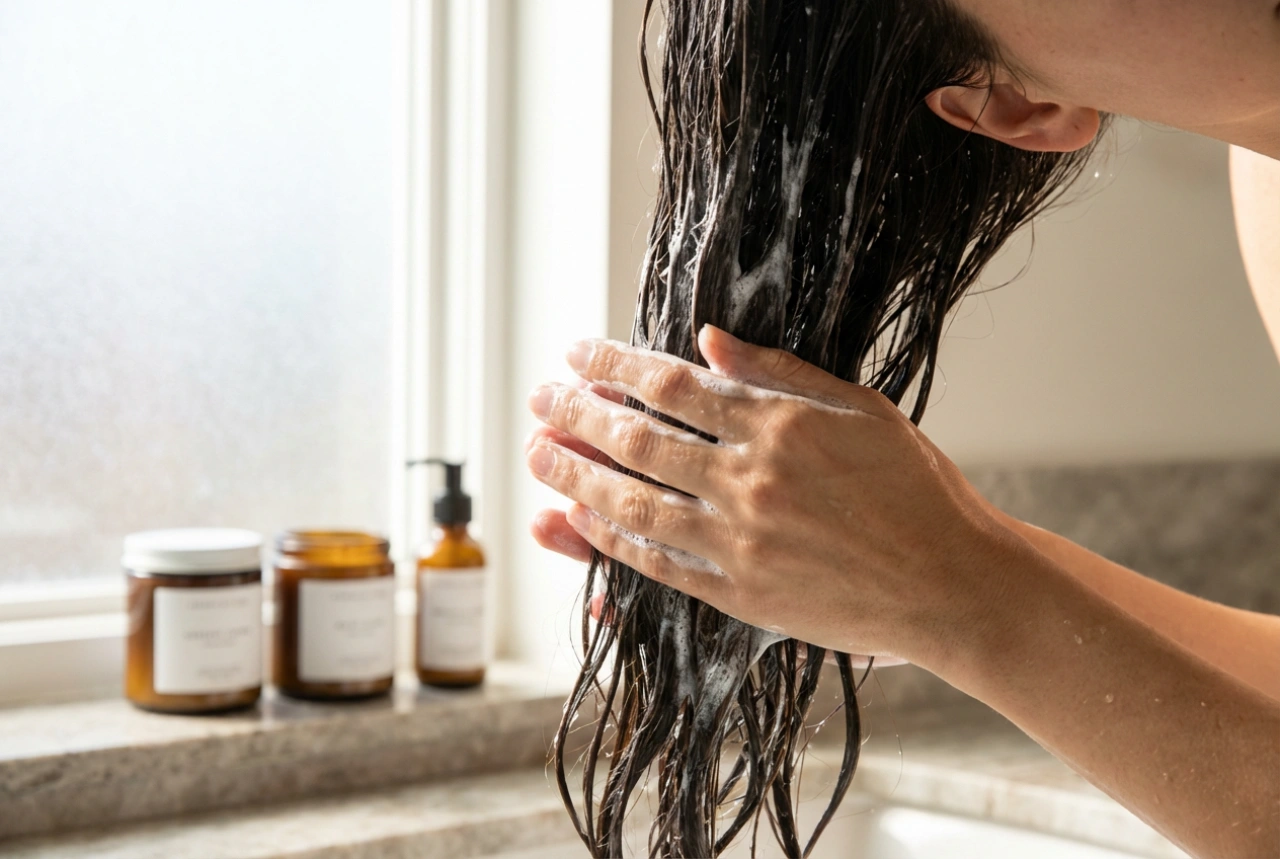
When you wash your hair, an SLS shampoo gets to work immediately. The SLS molecules have a dual nature: one part is attracted to water (hydrophilic) and the other is attracted to oil (lipophilic). This structure allows them to surround particles of sebum (the natural oil produced by your scalp), dirt, and residue from styling products. As you lather the shampoo and rinse your hair, the water-attracting part of the SLS molecules pulls the entire complex—along with the trapped dirt and oil—away from your hair strands and scalp. This process results in a very effective cleanse that can make hair feel lighter and more voluminous.
Who Can Benefit from Using SLS Shampoos?
While not suitable for everyone, shampoos containing strong detergents like SLS can be highly beneficial for specific hair types and situations.
For Oily Hair and Scalps
If your scalp naturally produces a high amount of sebum, you may find that your hair quickly becomes greasy and weighed down. SLS shampoos are particularly effective at cutting through this excess oil, providing a deep clean that leaves the scalp feeling refreshed and the hair looking cleaner for longer. Using such a shampoo can help manage oiliness and restore balance.
To Remove Heavy Product Build-up
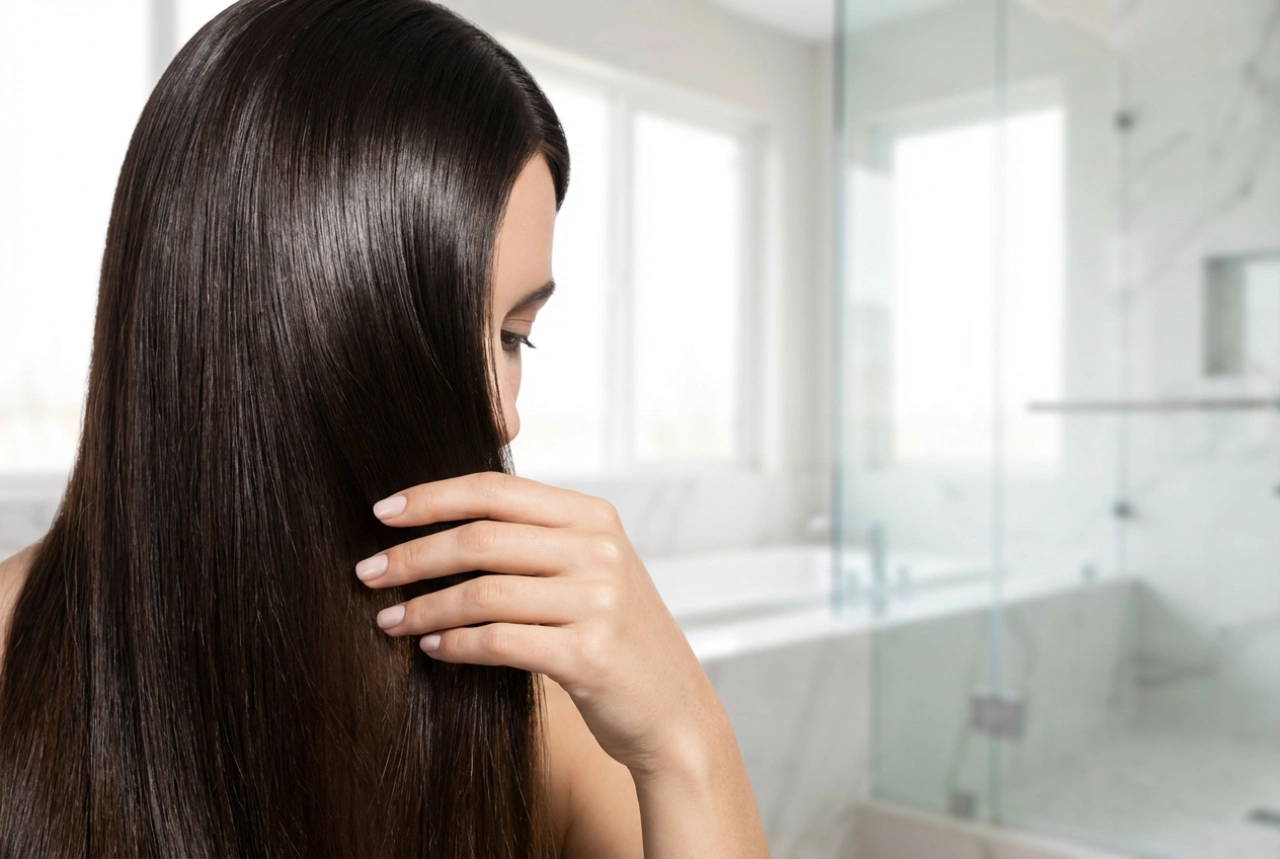
Regular users of styling products like waxes, mousses, hairsprays, or serums containing silicones may experience build-up over time. This residue can make hair look dull, lifeless, and difficult to style. A clarifying wash with an SLS shampoo acts like a 'reset' button, efficiently stripping away this accumulation and restoring the hair's natural texture and shine.
As an Occasional Clarifying Treatment
Even if you have a normal hair type, environmental pollutants and product residue can accumulate on your hair. Incorporating an SLS shampoo into your routine once a week or every couple of weeks can serve as a clarifying treatment. This helps to maintain a healthy scalp environment and ensures your other hair care products, like conditioners and masks, can work more effectively on clean hair.
When to Be Cautious with Strong Detergents
The same properties that make SLS an effective cleanser can also be too intense for certain hair types and scalp conditions. It's important to know when a gentler approach might be better.
Dry or Damaged Hair
For hair that is naturally dry, brittle, or has been chemically processed (e.g., bleached), the powerful cleansing action of SLS can strip away not just excess oil but also the natural lipids that keep hair moisturised. This can lead to increased dryness, frizz, and potential breakage. In these cases, a milder, sulphate-free cleanser is often a better choice for regular use.
Sensitive Scalps
Some individuals find that strong detergents can be irritating to their scalp. If you notice your scalp feels tight, itchy, or uncomfortable after washing, it might be a sign that the shampoo is too harsh for you. It is always wise to pay attention to how your scalp reacts and choose products accordingly.
Colour-Treated Hair
If you have your hair professionally coloured, using a strong detergent shampoo frequently can contribute to faster colour fading. The potent cleansing agents can lift the colour molecules from the hair shaft more quickly than milder alternatives. To preserve your colour for longer, it's often recommended to use shampoos specifically formulated for colour-treated hair, which are typically gentler.
Finding the Right Balance in Your Hair Care
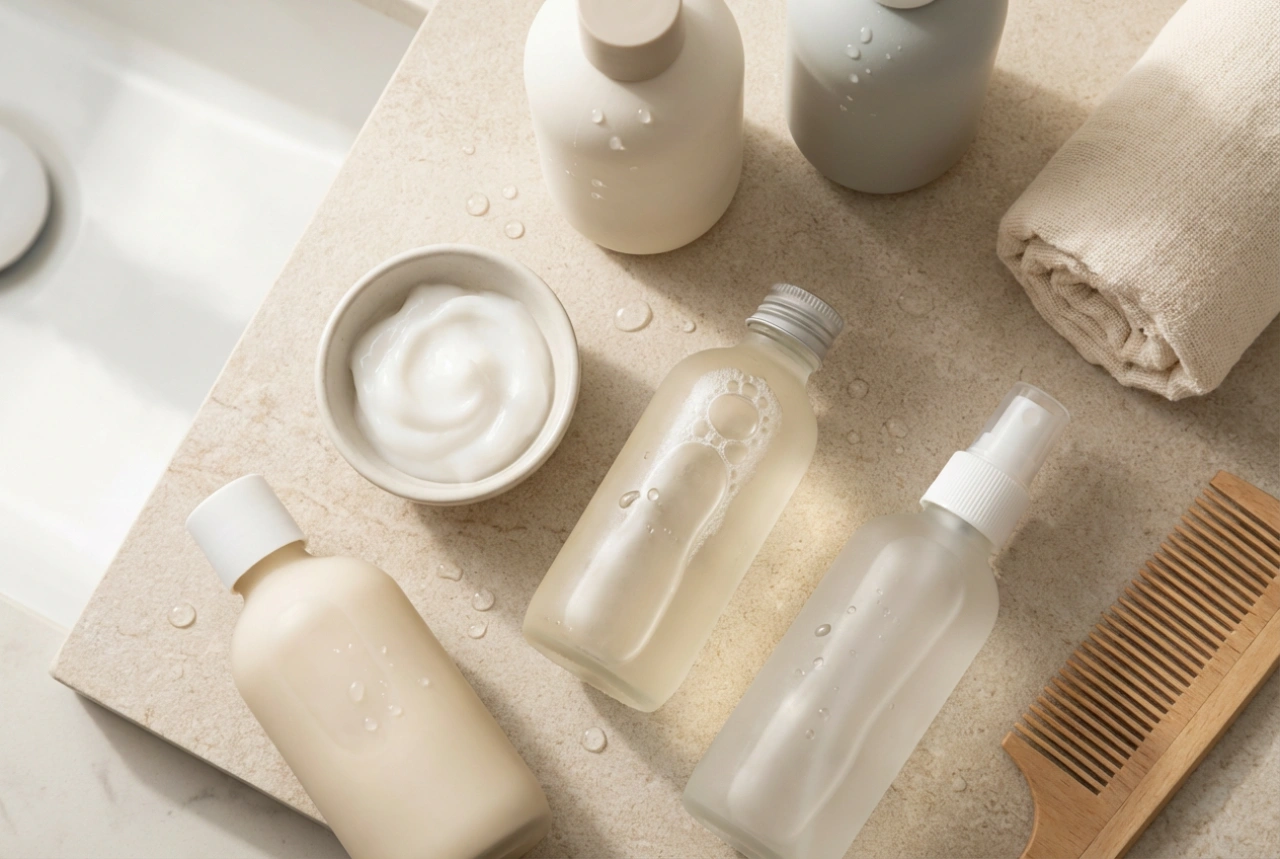
Using an SLS shampoo doesn't have to be an all-or-nothing decision. For many, the key is balance. You might choose to alternate between a strong clarifying shampoo and a gentler, more moisturising formula. For example, you could use an SLS shampoo once a week to deep clean your scalp and remove build-up, while using a sulphate-free shampoo for your other washes. Always follow a deep cleanse with a nourishing conditioner or a hydrating hair mask to replenish moisture and keep your strands smooth and healthy. By understanding your hair's needs, you can leverage the benefits of strong detergents without over-stripping your hair.