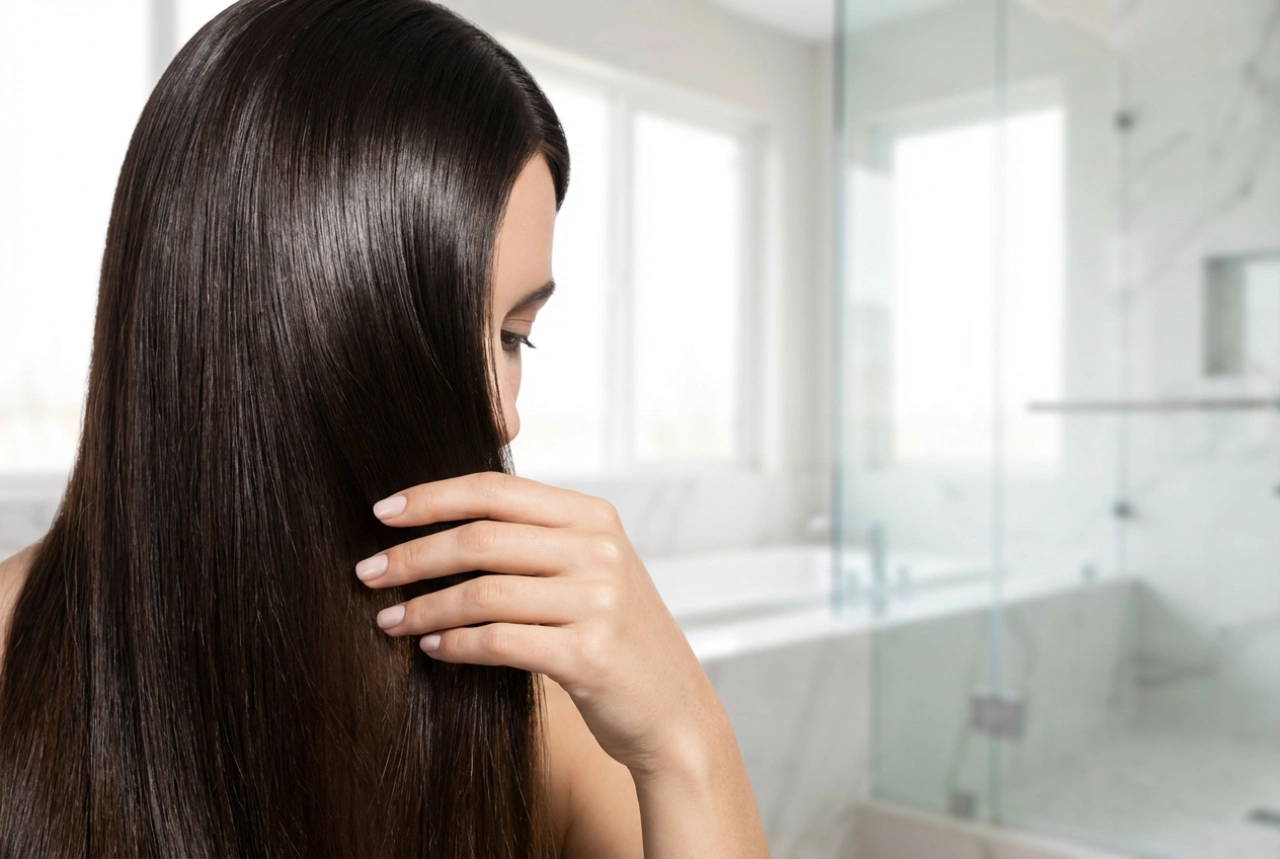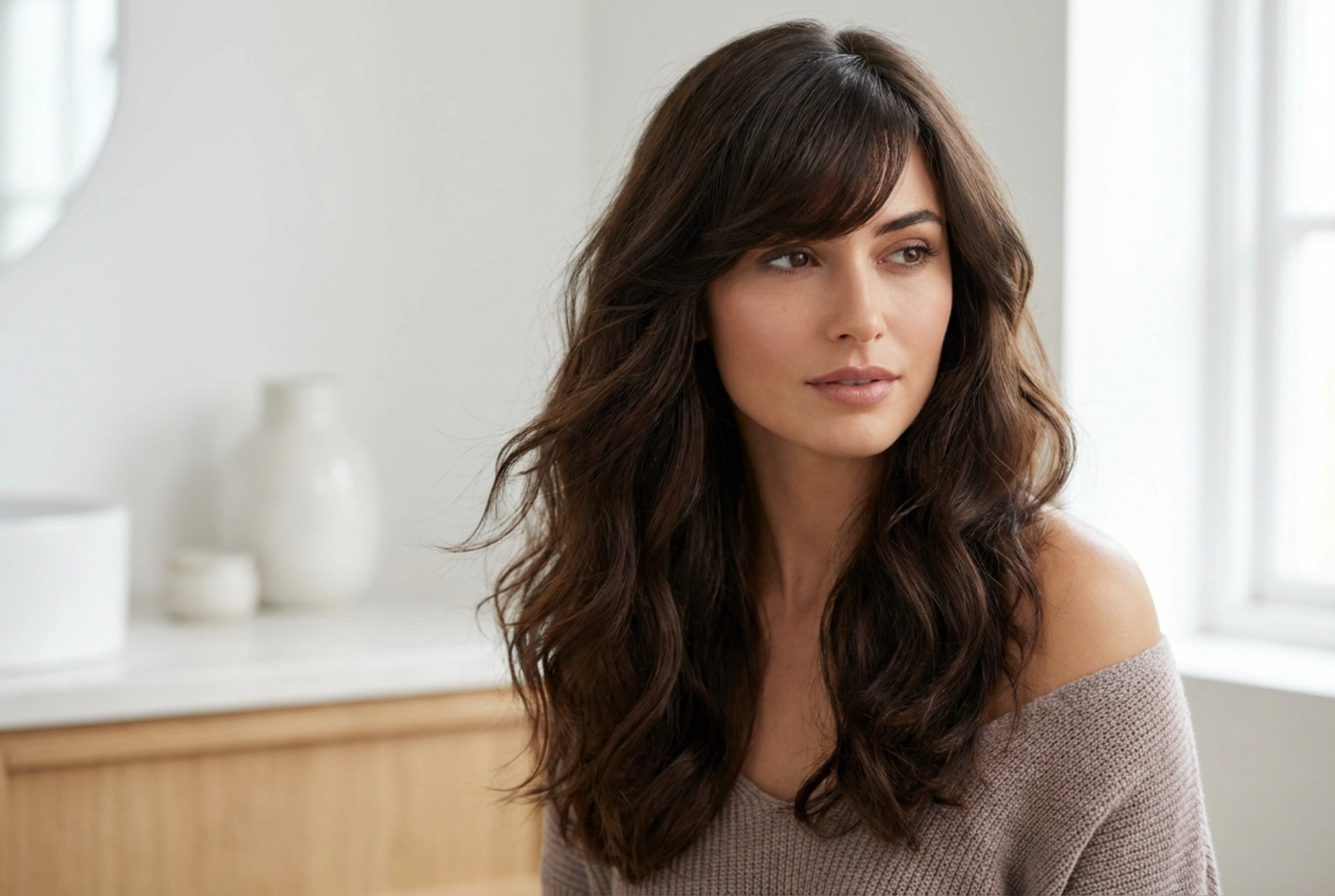


Long hair paired with a long, sweeping fringe can look effortlessly chic and beautiful, framing the face perfectly. However, the common challenge is preventing this style from falling flat, especially at the roots and around the fringe area. Gravity and natural oils can weigh hair down, diminishing its movement and life. Fortunately, with the right techniques for washing, drying, and styling, you can maintain beautiful, lasting volume and ensure your long hair and fringe always look their best.
The Foundation: Proper Washing and Drying Techniques
Volume starts in the shower. The way you wash and prepare your hair is fundamental to achieving a lifted, airy look that lasts throughout the day.
Choosing Your Cleansing Products Wisely
Opt for volumising or clarifying shampoos that effectively remove residue without weighing the hair down. When applying conditioner, concentrate it on the mid-lengths and ends, avoiding the root area. Applying heavy conditioning agents near the scalp is a common cause of flat, greasy-looking roots. Once a week, using a clarifying shampoo can help remove product build-up that might be flattening your hair.
Mastering the Art of Blow-Drying
A great blow-dry is your best tool for creating volume. Start by gently towel-drying your hair to remove excess moisture. For an initial volume boost, flip your head upside down and direct the hairdryer at the roots, using your fingers to lift them. When your hair is about 80% dry, flip it back up. Using a large round brush, work in sections, lifting the hair at the root and directing the heat from underneath. Pay special attention to the fringe, pulling it up and away from the face as you dry. Finish each section with a blast of cool air to set the shape and lock in the volume.
Styling Secrets for a Bouncy Fringe and Lasting Lift
Once your hair is dry, specific styling methods can enhance volume and ensure your fringe has that perfect, soft bounce rather than hanging limply.
The Round Brush Method
For the fringe, a medium-sized round brush is ideal. Place the brush under your fringe at the roots and gently pull it forward and up as you apply heat from the hairdryer. Roll the ends under slightly to create a soft, face-framing curve. This simple technique prevents the fringe from lying flat against your forehead.
The Magic of Velcro Rollers
For even more staying power, try a large velcro roller. Immediately after blow-drying your fringe, while it's still warm, roll the entire section of your fringe away from your face onto a large roller. Let it sit and cool completely—for at least 10-15 minutes—while you finish getting ready. When you remove it, your fringe will have impressive lift and a perfect shape.
Strategic Use of Styling Products
The right products, used sparingly, can make a huge difference. Apply a golf-ball-sized amount of lightweight mousse or a few spritzes of root-lifting spray to damp roots before you blow-dry. To finish, a light mist of flexible-hold hairspray can keep everything in place without making it stiff or crunchy. For a quick refresh on second-day hair, dry shampoo is your best friend. Spray it directly onto the roots, let it sit for a minute, and then massage it in to absorb oil and add instant texture and volume.
Daily Maintenance to Keep Hair from Falling Flat
How you care for your hair between washes is just as important for maintaining volume.
Overnight Preservation Strategies
Sleeping with your hair down can flatten it. To preserve volume, try gathering your hair into a very loose, high ponytail or bun on the top of your head, secured with a soft scrunchie. This method, often called 'pineappling', keeps the roots lifted and prevents friction from causing flatness and frizz.
Quick Morning Refreshes
If your fringe looks a bit limp in the morning, you don't need to rewash your hair. Simply dampen the fringe section with a little water, and then quickly restyle it using your round brush and hairdryer. Alternatively, a quick blast of dry shampoo at the roots can revive the entire style in seconds, giving you that freshly-styled look with minimal effort.