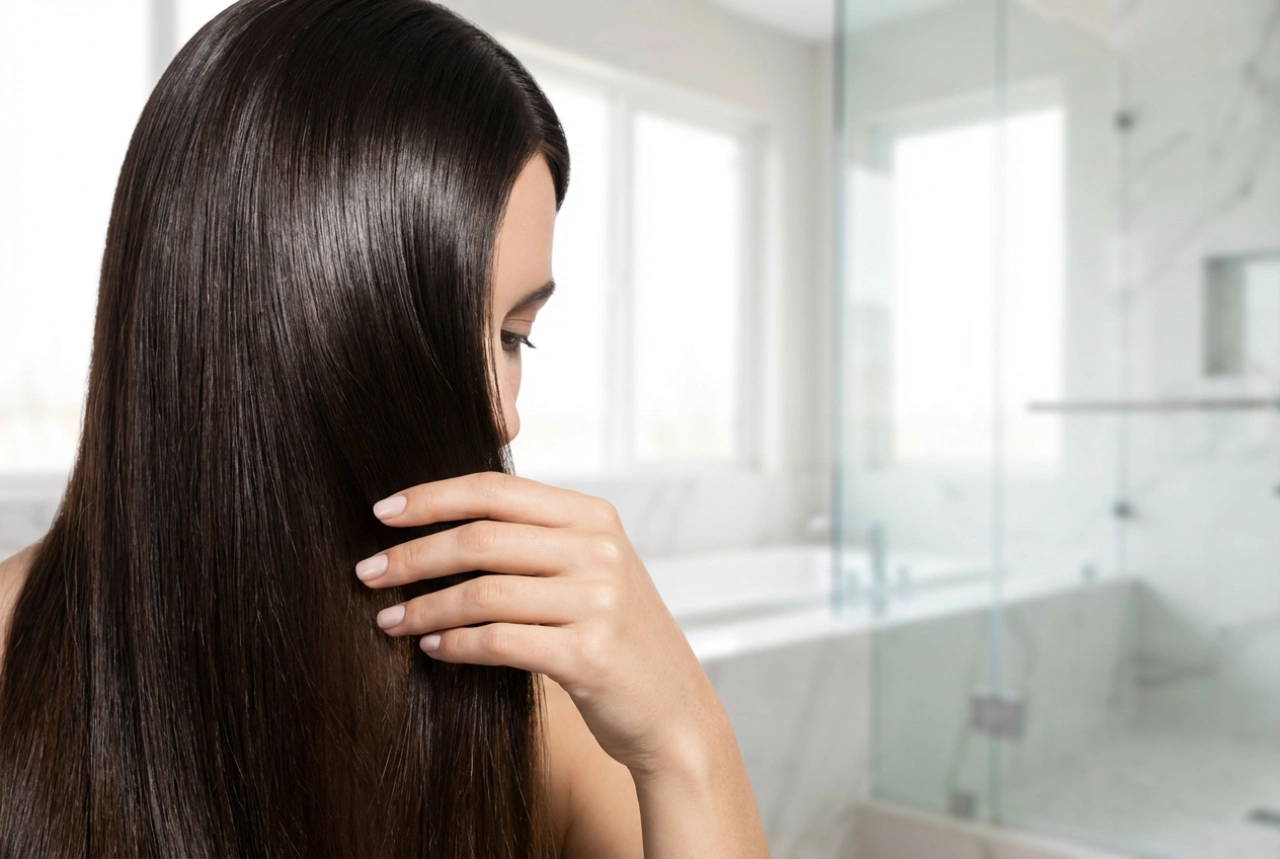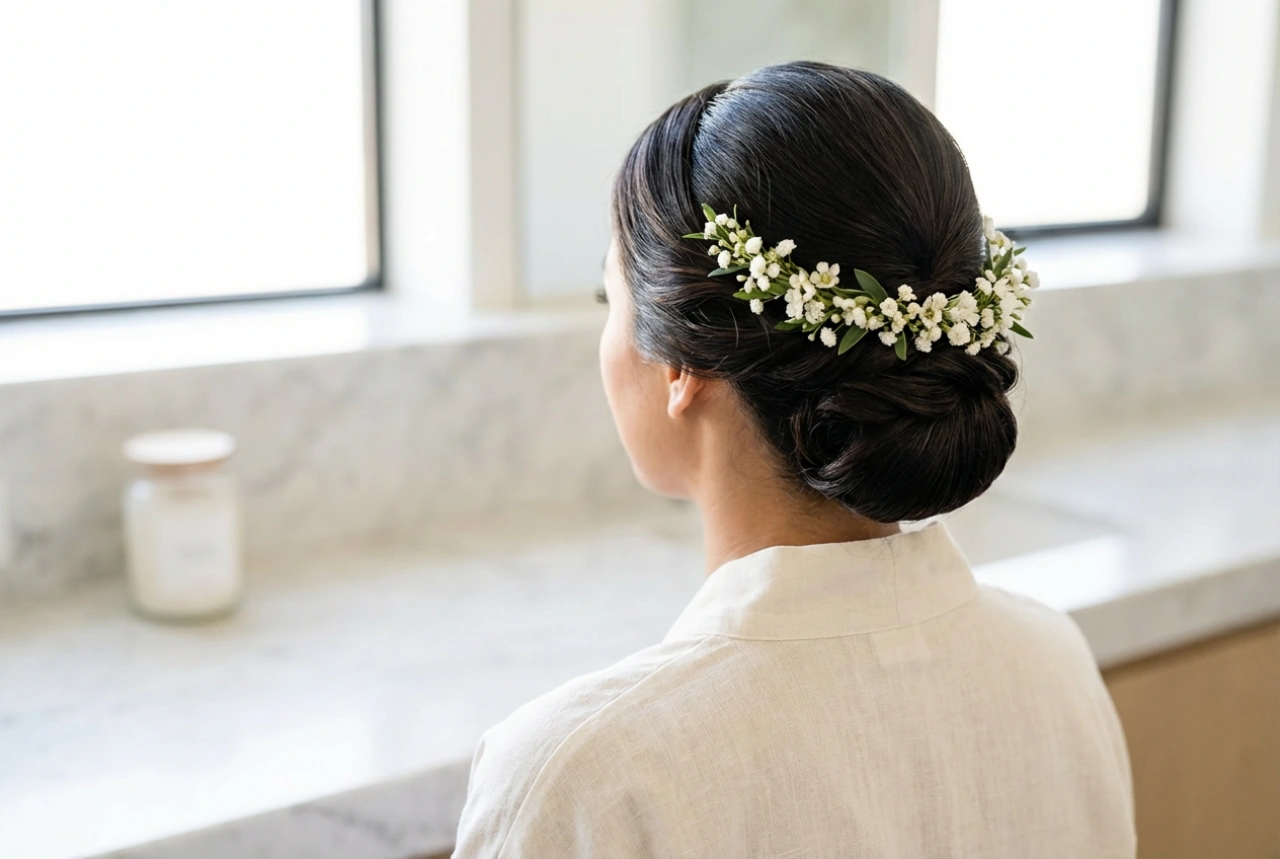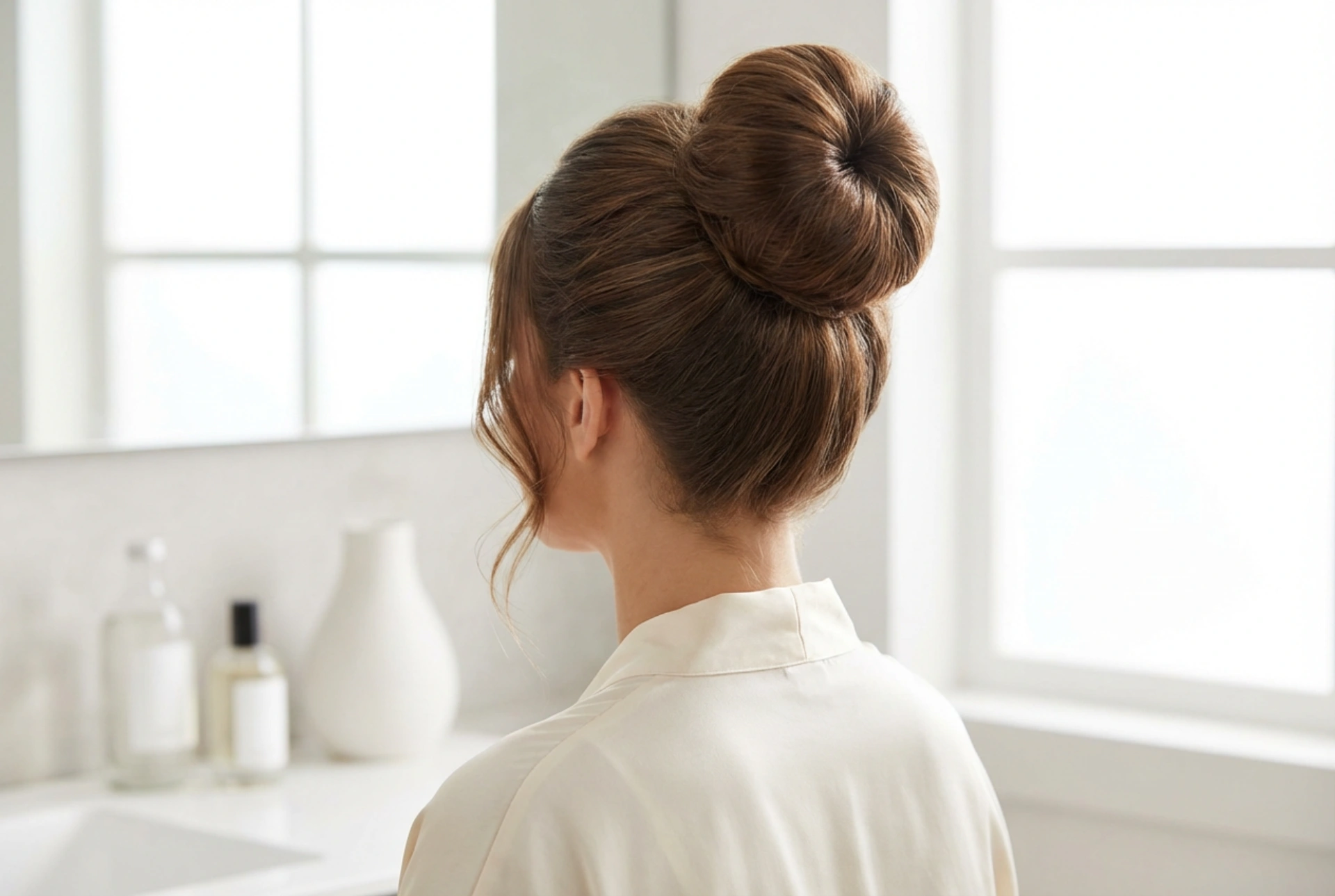


The 1960s was a decade of revolution, not just in culture and fashion, but also in hair. Moving away from the structured looks of the previous decade, the sixties embraced volume, height, and a sense of playful glamour. Hairstyles became statements, with the beehive updo standing out as a true icon of sophistication and elegance. This era's influence is still felt today, with many of its signature styles being reinterpreted for a modern audience. Let's explore some of the most memorable hair trends of the 1960s and how their fundamental techniques can be understood and adapted.
The Beehive: A Towering Symbol of Elegance
The beehive is perhaps the most recognisable hairstyle of the 1960s. Characterised by its conical shape, piled high on top of the head, it was the epitome of glamour. This look was all about creating impressive height and a smooth, polished finish. While it may seem complex, the core principle behind it is strategic volume building. It was a versatile style, worn by film stars on the red carpet and by stylish women for special occasions. It projected confidence and a meticulous approach to personal grooming.
Creating the Beehive Effect
Achieving a 60s-inspired beehive look at home is a matter of understanding the structure. It’s less about perfection and more about building a solid, voluminous base at the crown of your head. Here are the basic steps to creating a simplified version:
- Start with dry hair. Section off the top front part of your hair, from your temples to the crown, and clip it out of the way. This will be the smooth outer layer.
- Take the large section of hair behind this, at the crown of your head. This is where you will build the volume. Working with smaller, two-inch-wide segments, begin to backcomb.
- To backcomb, hold a segment of hair straight up, and with a fine-toothed comb, gently push the hair down towards the scalp in short strokes. Repeat this a few times for each segment to create a firm cushion of hair at the roots.
- Once you have a substantial voluminous base, gently release the front section you clipped away earlier. Drape this hair back over the backcombed cushion.
- Carefully smooth this top layer with a soft brush, being careful not to flatten the volume you created underneath. The goal is to hide the backcombing.
- Gather the ends of your hair at the nape of your neck or higher up the back of your head, depending on your hair length. Twist and tuck the hair upwards, securing it firmly with hairpins. The final shape should hint at the classic beehive silhouette.
The Power of Backcombing
Backcombing, also known as teasing, was the fundamental technique behind almost every voluminous 60s hairstyle. It was the secret to achieving the height required for beehives, bouffants, and half-up styles. The technique involves combing sections of hair towards the scalp to create a tangled, cushioned base that provides lift and structure. While effective, it's important to approach backcombing with care to maintain hair health.
Tips for Gentle Backcombing
To get the volume without causing unnecessary stress to your hair, it is best to be gentle. Always work with small, manageable sections. Use a comb specifically designed for teasing or a fine-toothed comb. When brushing out backcombed hair later, do so gently, starting from the ends and working your way up to the roots. Applying a leave-in conditioner or detangling spray can help make the process smoother. Deep conditioning treatments are also beneficial if you frequently style your hair with this technique.
The Bardot Fringe: Effortless and Chic
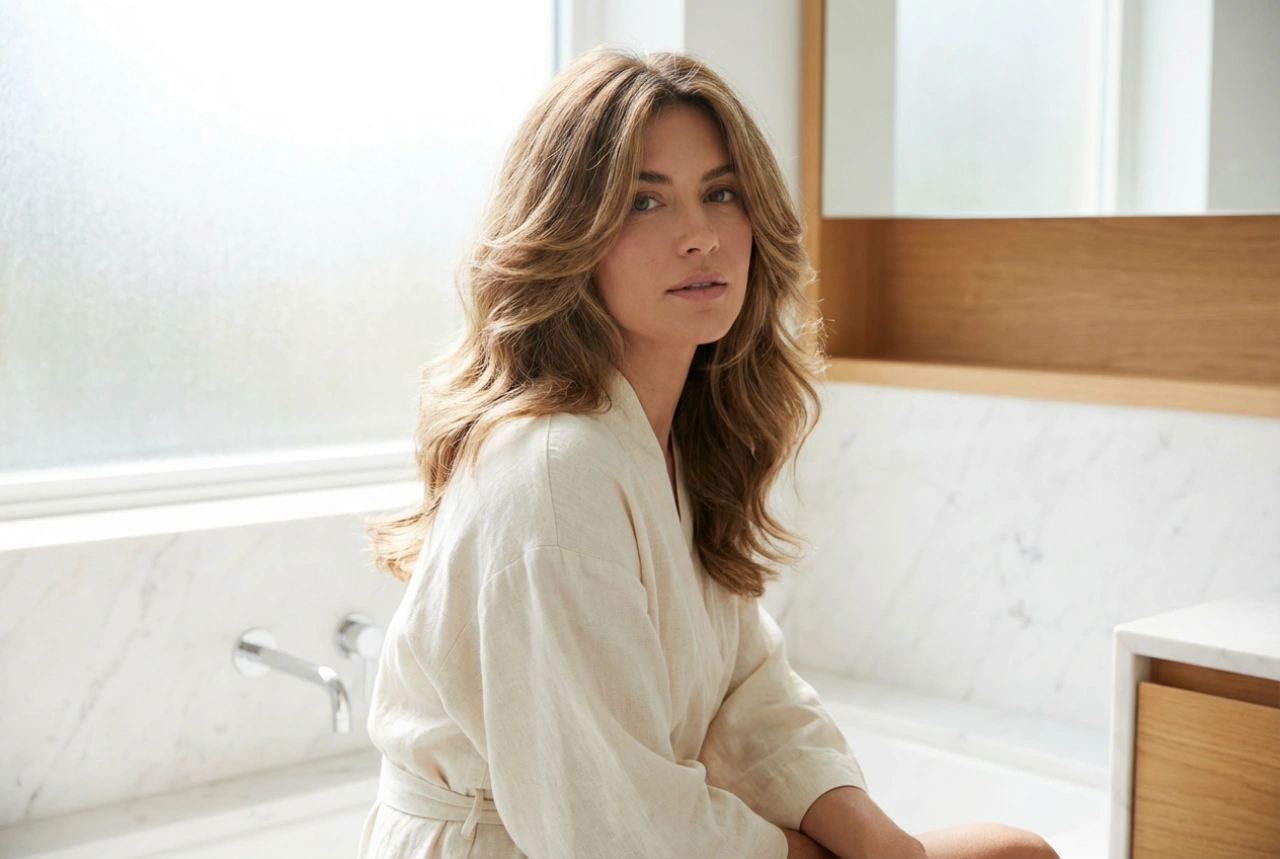
While high-maintenance updos were popular, the 60s also gave us a softer, more effortless style: the Bardot fringe. Named after the French icon Brigitte Bardot, this look featured a longer, centre-parted fringe that gracefully curtained the face. It was less severe than a full, blunt fringe and offered a romantic, slightly undone aesthetic. This style perfectly complemented both loose, flowing hair and voluminous half-updos. Its versatility and flattering shape are why it remains a popular choice today. Styling a Bardot fringe often involves using a round brush and a hairdryer to create a gentle outward flick, enhancing the face-framing effect.