

Washing our hair is a fundamental part of our personal care routine, yet many of us perform it on autopilot without considering the impact on our hair's health and appearance. The simple act of cleansing, when done mindfully and with the correct technique, can transform dull, fragile strands into lustrous, resilient hair. It's not just about removing dirt and oil, but about nurturing the scalp and protecting the hair shaft from root to tip. Adopting a few key habits can make all the difference, setting the foundation for truly healthy hair.
Why the Right Hair Washing Technique Matters
The way you wash your hair has a direct effect on its condition. Improper techniques can lead to a variety of concerns, from a dry, flaky scalp to brittle, damaged ends. Aggressive scrubbing can irritate the scalp and strip its natural protective oils, while applying shampoo directly to the lengths can cause dryness and friction, leading to breakage. Conversely, a gentle and methodical approach helps maintain scalp balance, ensures hair is cleaned effectively without being stripped, and preserves the integrity of the hair cuticle, which is responsible for shine and smoothness. A good washing routine prepares the hair to better receive the benefits of conditioners and treatments, maximising their effectiveness.
The CWC (Conditioner-Wash-Conditioner) Method Explained
One of the most effective techniques for protecting hair, especially if it's dry, colour-treated, or prone to damage, is the CWC method. This stands for Conditioner-Wash-Conditioner and involves sandwiching the shampoo step between two applications of conditioner. This simple change can significantly reduce mechanical damage and dryness.
Step 1: The First 'C' - Pre-Wash Conditioning
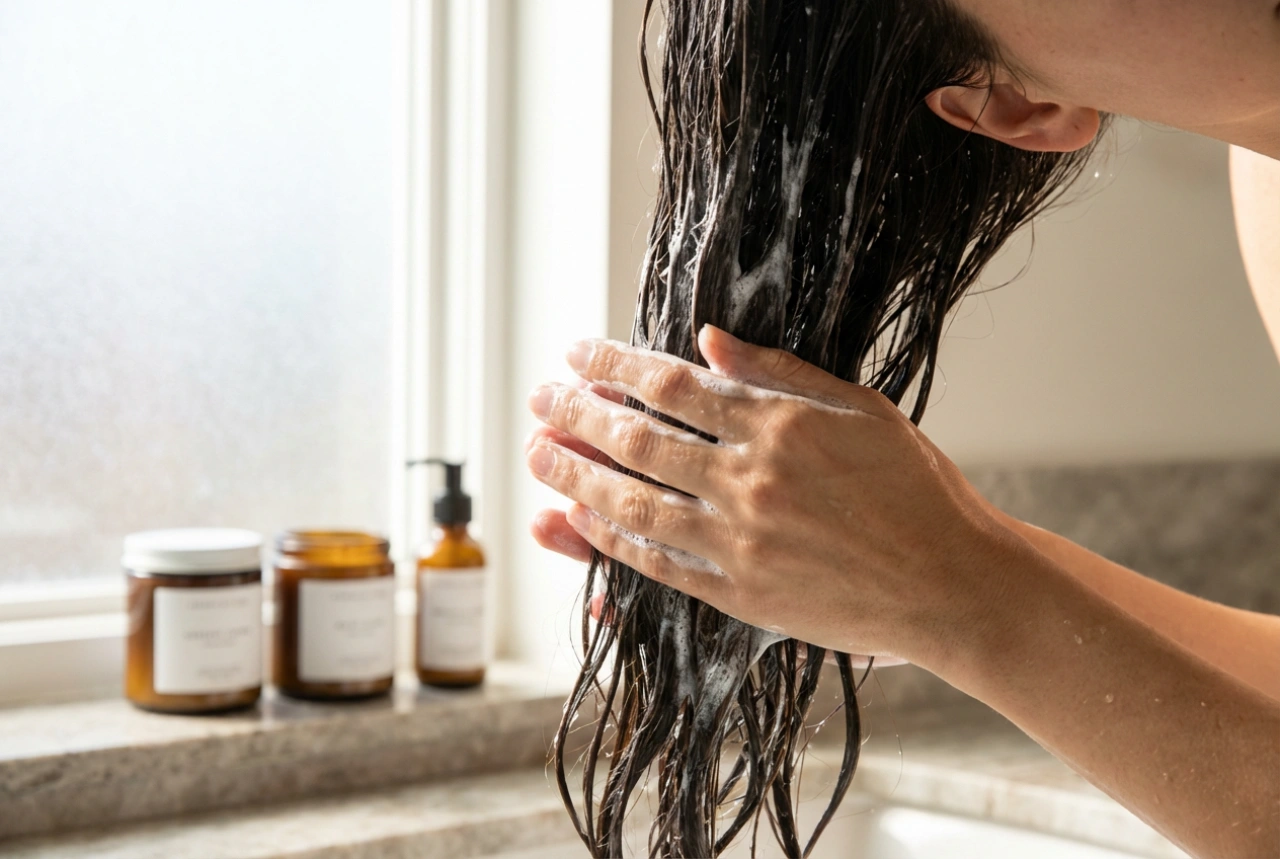
Before you even reach for the shampoo, begin by thoroughly wetting your hair with lukewarm water. Squeeze out the excess and apply a light layer of conditioner to the mid-lengths and ends of your hair. This initial layer acts as a protective shield for your hair's most vulnerable parts. It prevents the shampoo from stripping these areas, which are older and often drier, of their natural moisture. Let it sit for a minute or two while you prepare for the next step.
Step 2: The 'W' - Gentle Washing
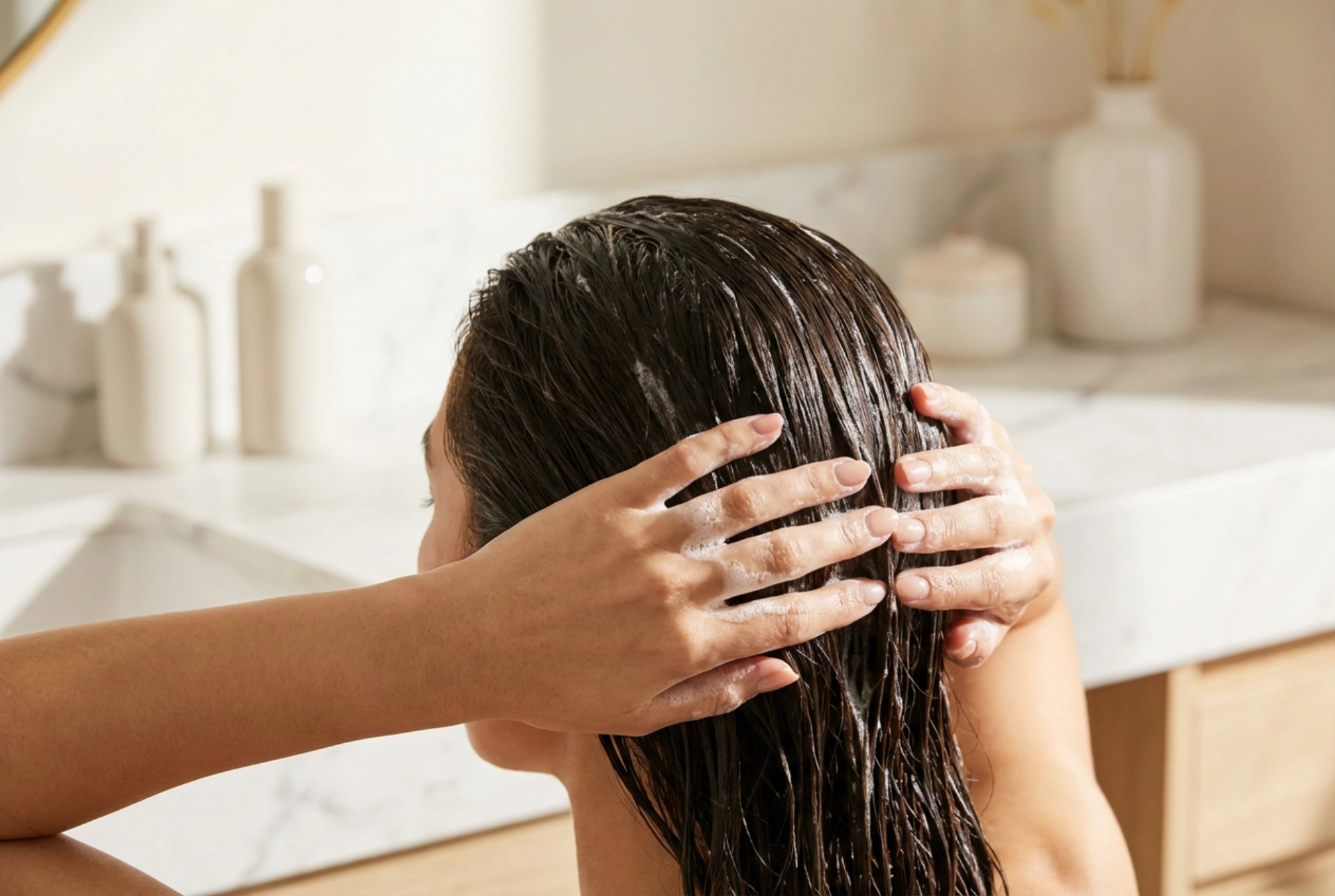
Without rinsing out the first layer of conditioner, apply shampoo. The key here is to focus the shampoo exclusively on the scalp and roots, where oil and product build-up are most concentrated. Use your fingertips (not your nails) to gently massage the shampoo into your scalp in circular motions. This stimulates blood flow and provides a thorough clean. You don't need to work the shampoo through your ends; the suds that rinse down will be sufficient to cleanse them without causing unnecessary friction or dryness. This targeted approach is crucial for maintaining scalp health while protecting the rest of your hair.
Step 3: The Second 'C' - Post-Wash Conditioning
After you have thoroughly rinsed the shampoo (and the initial conditioner) from your hair, gently squeeze out the excess water. Now, apply your main conditioner. This time, focus again on the mid-lengths and ends. This second application helps to close the hair cuticles that were lifted during washing, sealing in moisture and smoothing the hair surface. This results in less frizz, more shine, and easier detangling. Leave the conditioner on for a few minutes before giving your hair a final rinse with lukewarm or cool water to fully seal the cuticle.
Essential Habits for Healthy Hair Washing
Beyond the CWC method, incorporating these habits into your routine will further enhance your hair's health and appearance.
- Use Lukewarm Water: Hot water can strip your hair and scalp of essential oils, leading to dryness and irritation. Lukewarm water is effective for cleansing without being harsh, while a cool rinse at the end can help add shine.
- Detangle Before You Wash: Gently brush or comb your hair before getting it wet. Hair is most fragile when wet, so removing tangles beforehand reduces the risk of breakage during washing.
- Don't Be Too Rough: When washing and drying, treat your hair with care. Avoid vigorous scrubbing or rubbing. After washing, gently squeeze out excess water with your hands and then pat or wrap your hair in a soft towel or a cotton t-shirt to absorb moisture.
- Rinse Thoroughly: Make sure to rinse out all traces of shampoo and conditioner. Product residue can weigh hair down, make it look dull, and potentially irritate the scalp.
- Adjust Your Frequency: There is no one-size-fits-all answer for how often to wash your hair. It depends on your hair type, scalp condition, and lifestyle. Pay attention to your hair's needs and wash it when it feels oily or unclean, rather than sticking to a rigid schedule.
By shifting from a rushed wash to a mindful cleansing ritual, you provide your hair with the care it needs to thrive. The CWC method, combined with gentle habits, is a simple yet powerful way to protect your strands, nourish your scalp, and unlock your hair's natural beauty and strength.