

Achieving a polished, put-together hairstyle every morning doesn't have to be a complicated or time-consuming task. With the right knowledge, a few essential tools, and some simple techniques, you can transform your daily hair routine into an effortless ritual. Whether you're aiming for a smooth and sleek finish, gentle waves, or simply taming a few flyaways, understanding the fundamentals of styling is key. This guide will walk you through the essentials, helping you create beautiful, healthy-looking hair every single day.
Essential Tools for Your Styling Kit
Having the right tools on hand makes all the difference in achieving your desired look. You don't need a professional-grade collection, but a few key items will significantly improve your results and make the process smoother.
Brushes and Combs
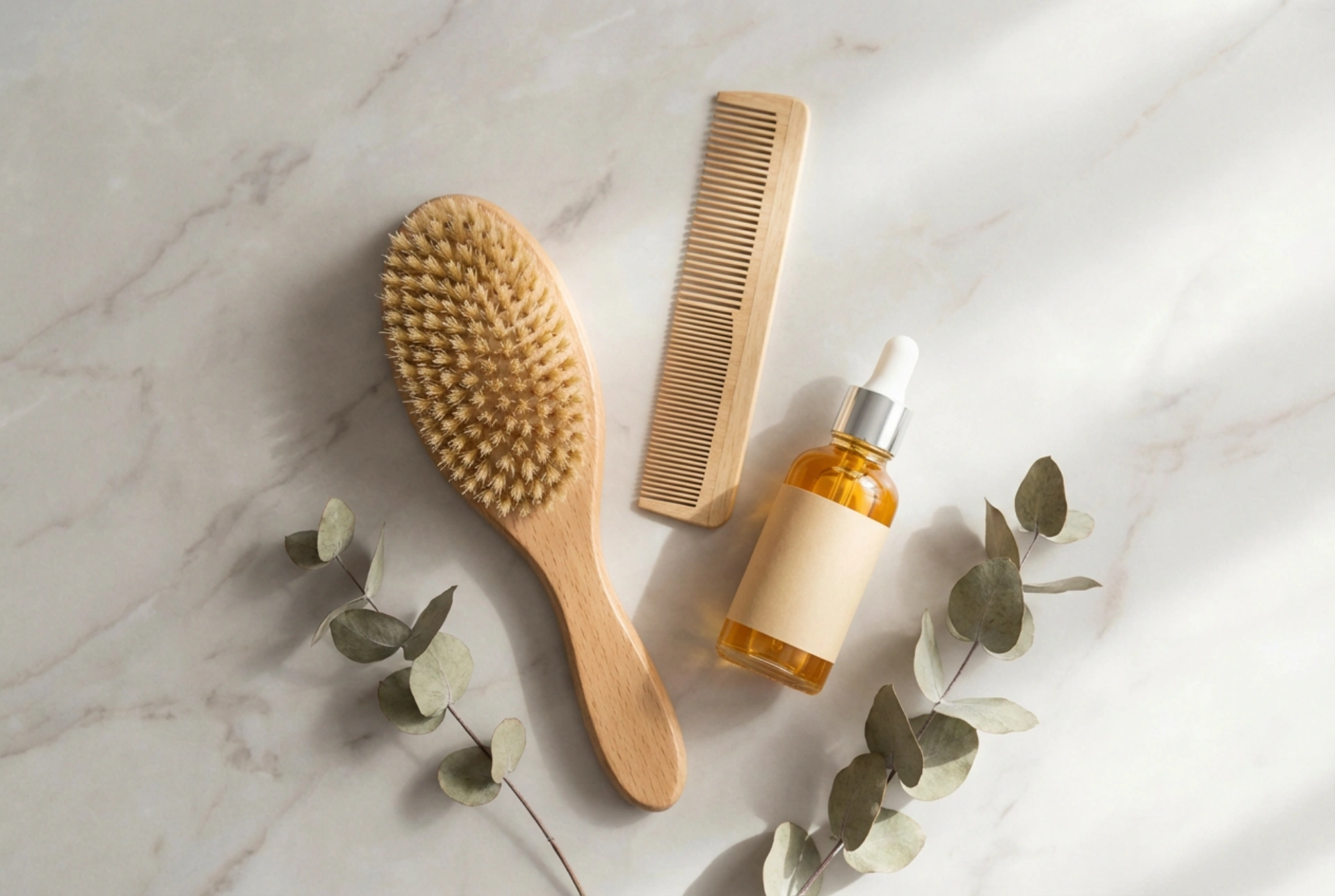
The type of brush or comb you use has a direct impact on your hair's health and final appearance. A wide-tooth comb is perfect for detangling wet hair with minimal breakage. A paddle brush is excellent for smoothing and straightening long, thick hair during a blow-dry. For adding volume and creating shape, a round brush is indispensable. Choosing natural bristles, like boar bristles, can help distribute your scalp's natural oils, adding shine and reducing static.
Heat Styling Tools
While it's wise to give your hair a break from heat, tools like a hairdryer, straighteners, or a curling wand are often necessary for specific styles. A modern hairdryer with adjustable heat and speed settings, along with a concentrator nozzle, gives you more control and helps to smooth the hair cuticle. When choosing any heat tool, look for ceramic or tourmaline plates, which distribute heat more evenly and can be less damaging. Most importantly, never use a heat tool without first applying a heat protectant product.
Styling Products
Styling products are your allies in creating hold, texture, and shine. A lightweight mousse can add volume to fine hair when applied to the roots before blow-drying. A smoothing serum or oil is perfect for taming frizz and adding a glossy finish to the ends. Hairspray provides the final hold, but it's crucial to choose one that matches your needs—from a flexible hold for natural movement to a strong hold for more structured styles.
Fundamental Styling Techniques
Mastering a few basic techniques will form the foundation of your daily styling routine. These methods are simple to learn and can be adapted for various hair types and lengths.
The Perfect At-Home Blow-Dry
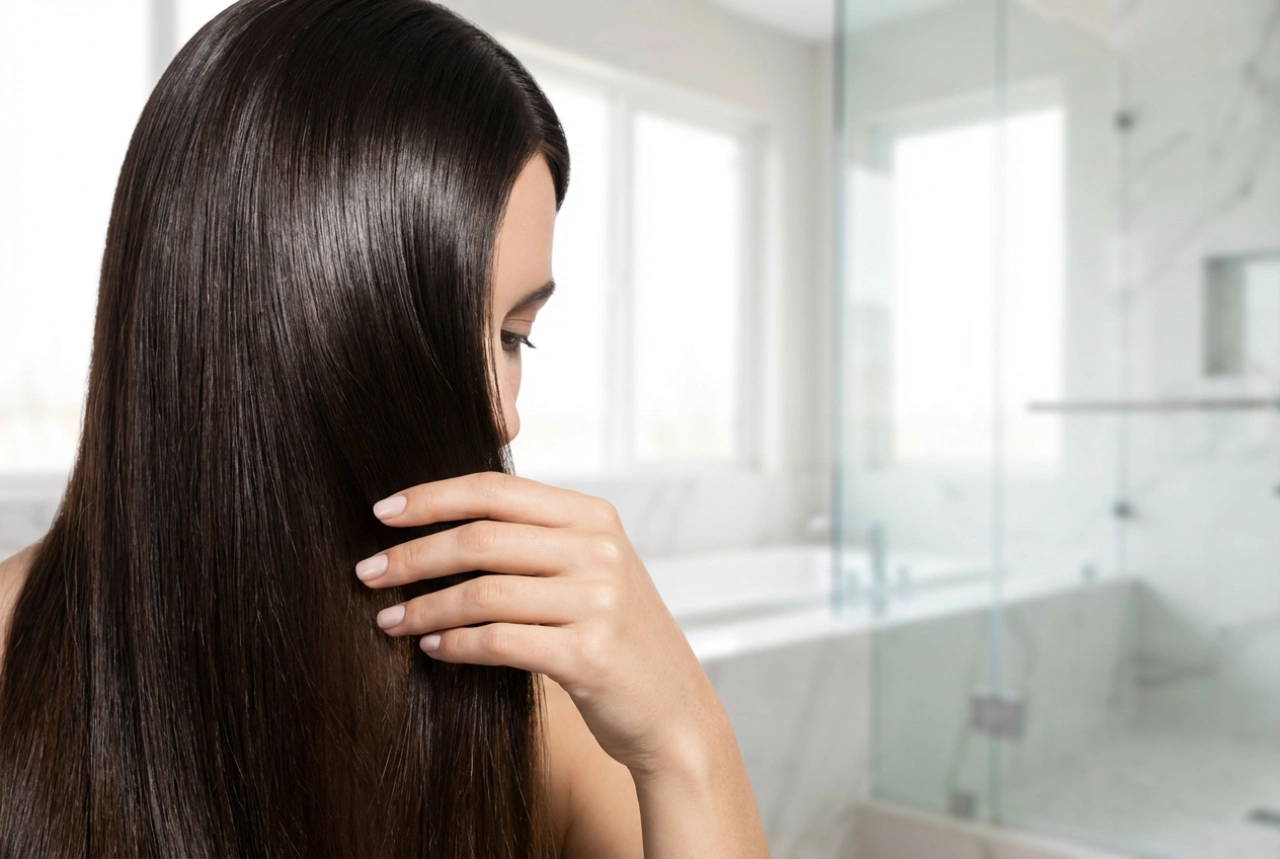
A great blow-dry starts with towel-dried, damp hair—not soaking wet. After applying a heat protectant, roughly dry your hair with your fingers until it's about 80% dry. Then, section your hair and use a brush (a round brush for volume, a paddle brush for smoothness) to work through each section. Always point the hairdryer's nozzle downwards along the hair shaft. This helps to seal the cuticle, resulting in a smoother, shinier finish and less frizz. Finish with a cool shot of air to set the style.
Creating Soft, Natural Waves
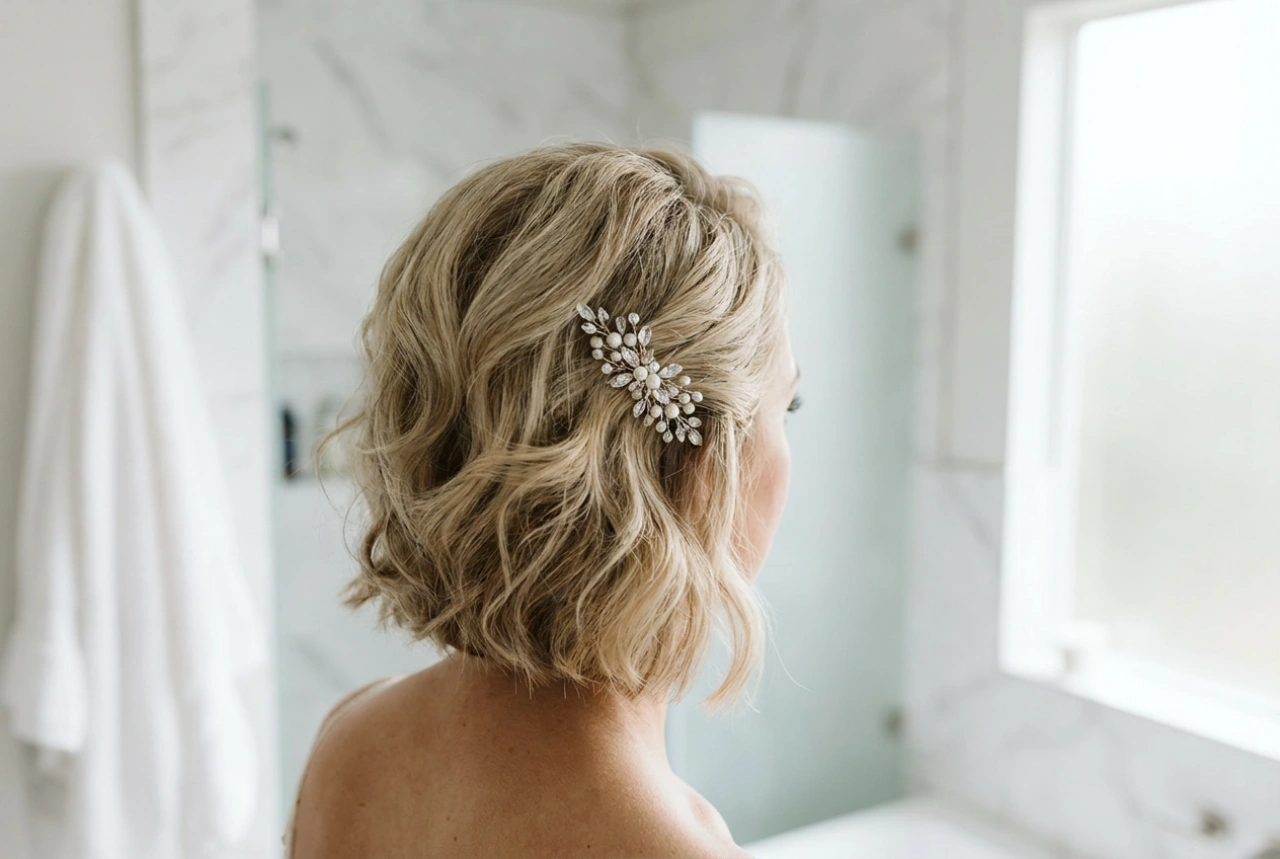
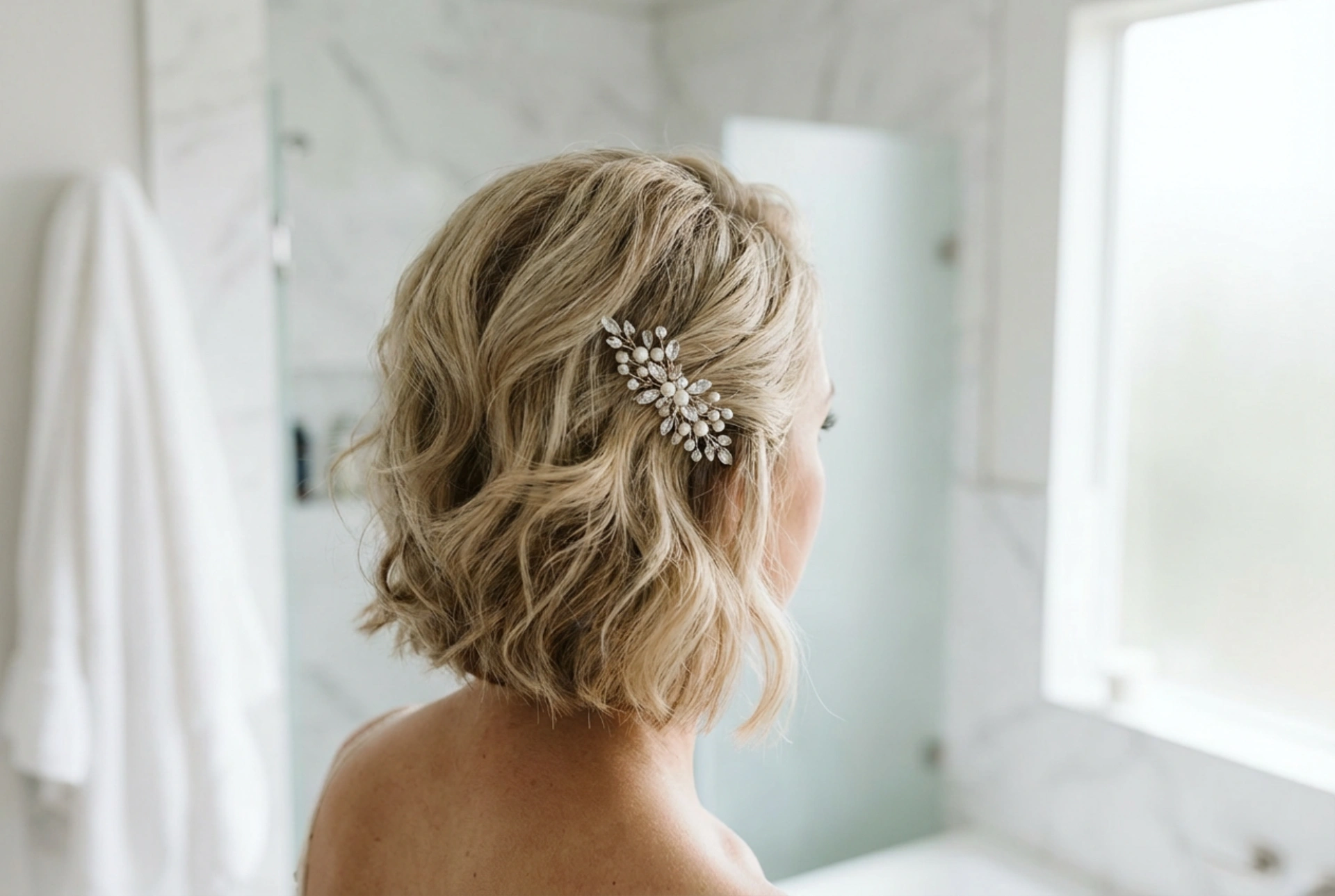
You don't need a curling wand to create beautiful, everyday waves. One simple method is to use your hair straighteners. Take a small section of hair, clamp the straightener near the root, and as you glide it down, rotate it 180 degrees away from your face. This creates a gentle, loose curl. Alternate the direction of the rotation for a more natural, less uniform look. Another heat-free option is to braid your hair when it's damp and let it air dry or sleep on it overnight.
Common Styling Mistakes and How to Avoid Them
Sometimes, the reason for a 'bad hair day' lies in small, easily correctable habits. Being aware of these common errors can dramatically improve the health and appearance of your hair.
- Skipping Heat Protectant: This is one of the most damaging mistakes. Always apply a heat protectant spray or cream before using any heat tool to create a barrier between the heat and your hair fibres.
- Using Too Much Product: Applying an excessive amount of serum, mousse, or spray can weigh your hair down, making it look greasy or stiff. Start with a small amount and add more only if needed.
- Styling on Soaking Wet Hair: Applying high heat to very wet hair can essentially boil the water within the hair shaft, causing significant damage. Gently towel-dry or air-dry your hair until it's just damp before styling.
- Using Dirty Tools: Brushes and heat tools accumulate product residue, oils, and dirt, which can be transferred back onto your clean hair. Clean your brushes weekly and wipe down your heat tools regularly.
- Applying Product Unevenly: Concentrating product in one spot can lead to an uneven finish. Emulsify products like serums and creams in your palms before distributing them evenly through your hair, focusing on the mid-lengths and ends.
Tailoring Styling to Your Hair Type
Understanding your hair type is crucial for choosing the right products and techniques. What works for fine hair might not be suitable for thick, curly hair.
For Fine Hair
The goal is often to create volume without weighing the hair down. Use volumising shampoos and conditioners, and apply a root-lifting mousse before blow-drying. When styling, focus on lifting the roots with a round brush and avoid heavy oils or serums that can make hair look flat.
For Thick or Coarse Hair
Thick hair often requires more control and moisture. Use smoothing creams or serums to manage frizz and add shine. When blow-drying, work in smaller, more manageable sections to ensure each part is thoroughly dried and smoothed. A paddle brush can be very effective for achieving a sleek look.
For Curly or Wavy Hair
The focus here should be on enhancing your natural texture and minimising frizz. Use a diffuser attachment on your hairdryer to gently dry curls without disrupting their pattern. Apply curl-defining creams or gels to damp hair and scrunch upwards to encourage curl formation. Avoid over-brushing, especially when dry, as this can lead to frizz and breakage.