

Inspired by intricate self-care rituals, Korean face masks have become a global phenomenon and a staple in many skincare routines. Available in a vast array of types and formulations, they offer a simple yet effective way to deliver a concentrated dose of beneficial ingredients to the skin. Understanding the different kinds of masks available and how to use them correctly is key to unlocking their full potential for a healthier, more radiant complexion. This guide will walk you through the essentials of incorporating these popular treatments into your at-home beauty regimen.
Understanding the Different Types of Korean Face Masks
The world of Korean beauty offers a mask for nearly every skin concern. While the sheer variety can seem overwhelming, most fall into a few key categories, each with its unique texture, application method, and primary benefits. Familiarising yourself with these types will help you select the best option for your skin's needs on any given day.
Sheet Masks
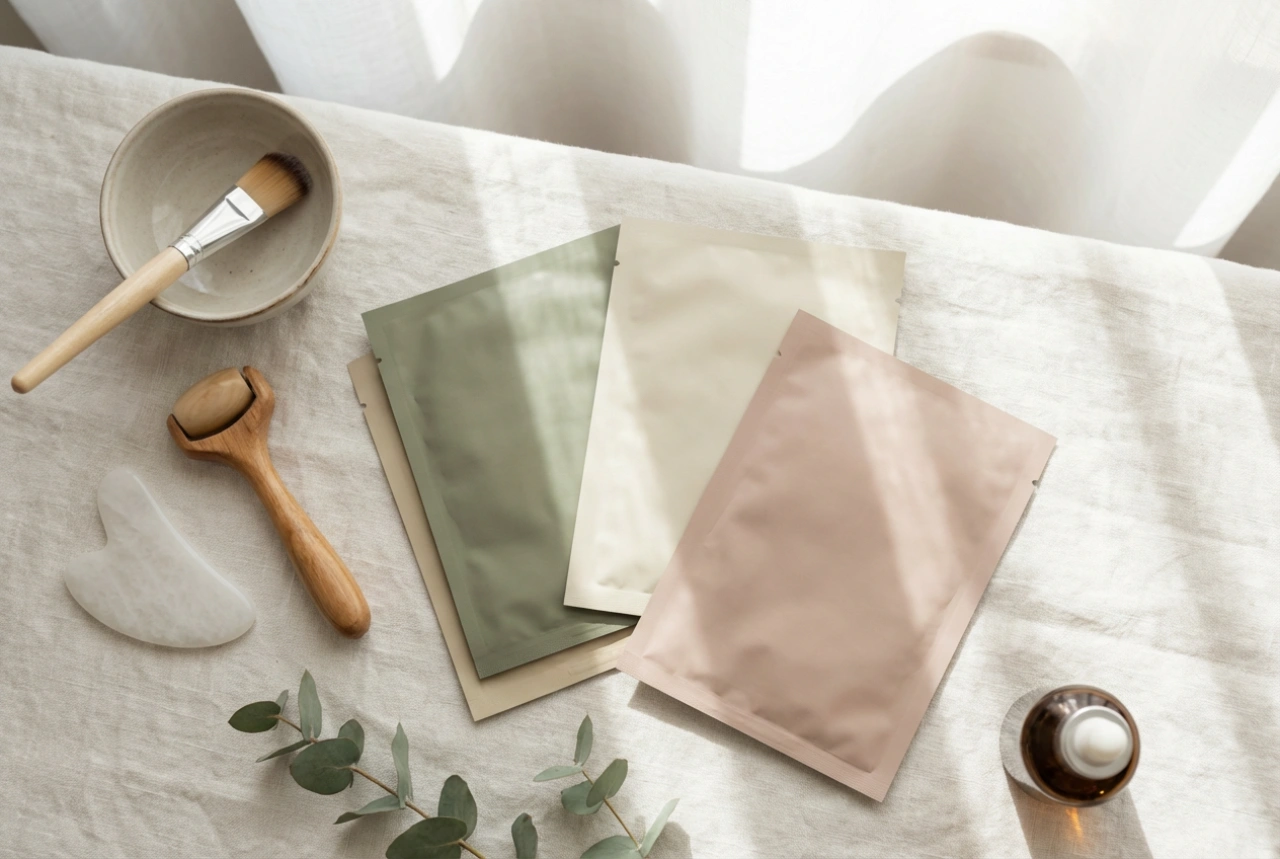
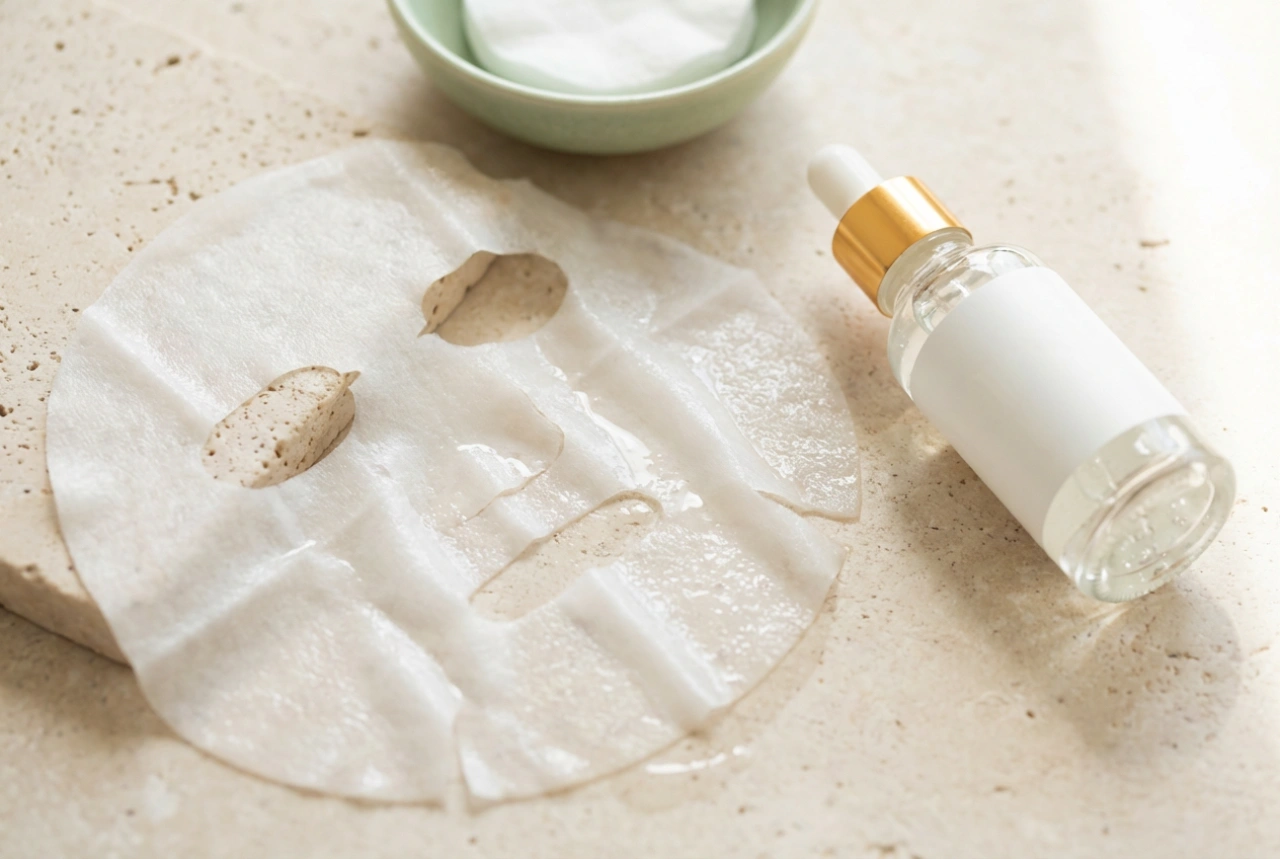
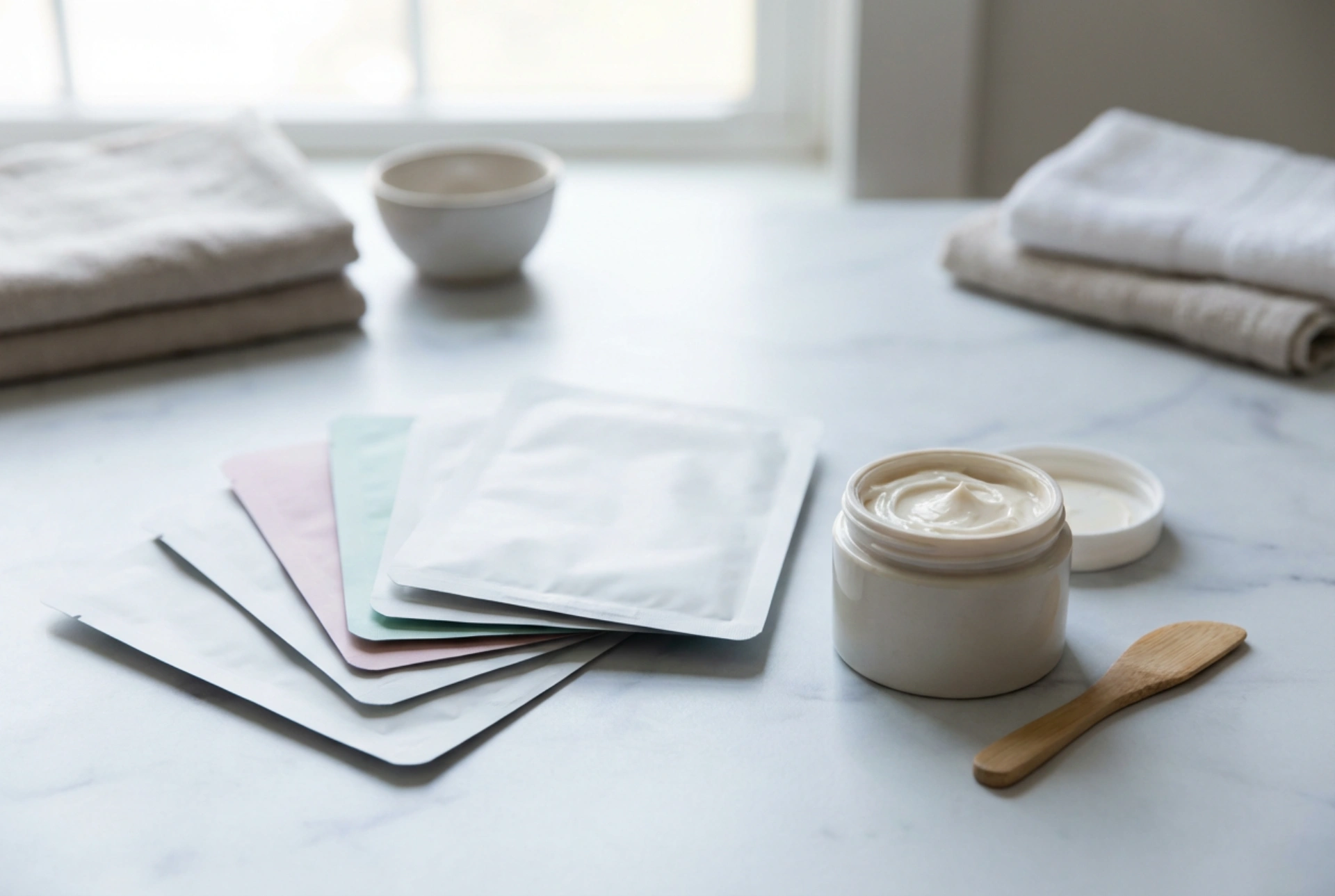
Perhaps the most iconic of all Korean masks, sheet masks are thin sheets of fabric (like cotton, hydrogel, or biocellulose) saturated in a nutrient-rich liquid serum or essence. They are designed for single use and provide intense hydration and targeted treatments. Common ingredients include hyaluronic acid for moisture, vitamin C for brightening, and various plant extracts for soothing and revitalising the skin. They are excellent for a quick boost of hydration and radiance before a special event or as a regular part of a skincare routine.
Clay and Mud Masks
Clay and mud masks are known for their purifying and detoxifying properties. They work by drawing out impurities, excess sebum, and debris from the pores. These masks are particularly beneficial for individuals with oily, combination, or blemish-prone skin. As the mask dries on the skin, it absorbs oil and can help to temporarily minimise the appearance of pores, leaving the skin feeling clean and refreshed. They often contain ingredients like kaolin or bentonite clay.
Sleeping Masks (Overnight Packs)
Sleeping masks, or overnight packs, are a type of leave-on treatment designed to be applied as the final step of your evening skincare routine. They typically have a gel or cream-like consistency and work while you sleep to provide deep hydration and repair. Unlike traditional, heavier night creams, they are often lightweight yet form a protective, breathable barrier on the skin to prevent moisture loss. You wake up with skin that looks plump, supple, and well-rested.
Peel-Off Masks
Peel-off masks are applied as a gel or paste that dries into a firm, rubbery layer on the skin. Once dry, the mask is gently peeled off, lifting away dead skin cells, fine hairs, and surface-level impurities. This provides a form of physical exfoliation, resulting in a smoother and brighter-looking complexion. They can be satisfying to use and provide instant visible results, but should be used with care to avoid irritating sensitive skin.
How to Use Face Masks for Maximum Benefit
Proper preparation and application are crucial for getting the most out of your face mask. Following a few simple steps can significantly enhance the effectiveness of the treatment.
- Start with a Clean Canvas: Always begin by thoroughly cleansing your face to remove makeup, dirt, and oil. This ensures that the ingredients in the mask can penetrate the skin effectively without being blocked by impurities.
- Apply Toner: After cleansing, apply a toner. A toner helps to balance the skin's pH and adds an initial layer of hydration, preparing the skin to better absorb the essence or serum from the mask.
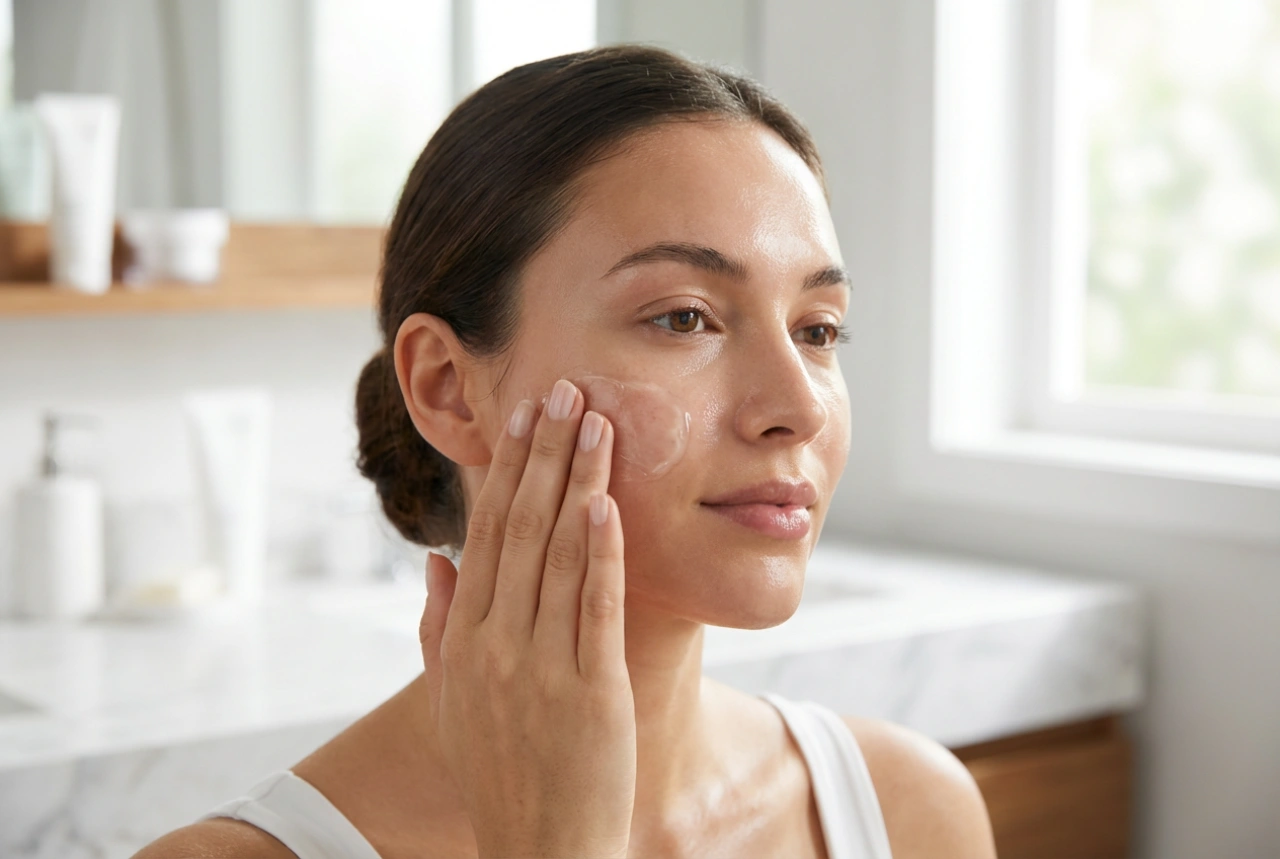
- Apply the Mask Correctly: For sheet masks, carefully unfold the mask and place it onto your face, aligning the holes with your eyes, nose, and mouth. Gently pat it down to ensure good contact with the skin. For cream, clay, or gel masks, use clean fingers or a dedicated brush to apply an even layer across your face, avoiding the delicate eye and lip areas.
Application Time: How Long Should You Leave a Mask On?
One of the most common mistakes is leaving a mask on for too long. Adhering to the recommended time is essential for achieving the desired results and avoiding potential irritation.
- Sheet Masks: Typically 15-20 minutes. Leaving a sheet mask on until it dries out can have a reverse effect, as the dry sheet can start to pull moisture back out of your skin.
- Clay/Mud Masks: Usually 10-15 minutes, or until the mask is mostly dry but still slightly tacky to the touch. Letting a clay mask dry completely and crack can strip the skin of its natural oils and cause dehydration and irritation.
- Sleeping Masks: These are designed to be left on overnight and washed off in the morning.
- Peel-Off Masks: Leave on until completely dry to the touch, which might take around 15-20 minutes, to ensure it peels off in a single layer.
Best Practices and Post-Mask Care
What you do after masking is just as important as the mask itself. The final steps help to lock in the benefits and complete your skincare ritual.
- After a Sheet Mask: Do not rinse your face. Instead, gently peel off the mask and pat the remaining essence into your skin until it is fully absorbed. This allows your skin to soak up all the beneficial ingredients.
- After a Rinse-Off Mask: For clay, mud, or other wash-off masks, use lukewarm water to gently rinse the product from your face. Avoid harsh rubbing, which can irritate the skin.
- Follow with a Moisturiser: After the essence from a sheet mask has absorbed or after you've rinsed off another type of mask, apply your regular moisturiser. This final step helps to seal in the hydration and active ingredients from the mask, protecting your skin barrier.
- Know the Right Frequency: Hydrating and soothing masks can often be used 2-3 times a week, or even daily if your skin tolerates it well. Purifying or exfoliating masks, such as clay or peel-off types, should generally be limited to 1-2 times per week to avoid over-stripping or irritating the skin.