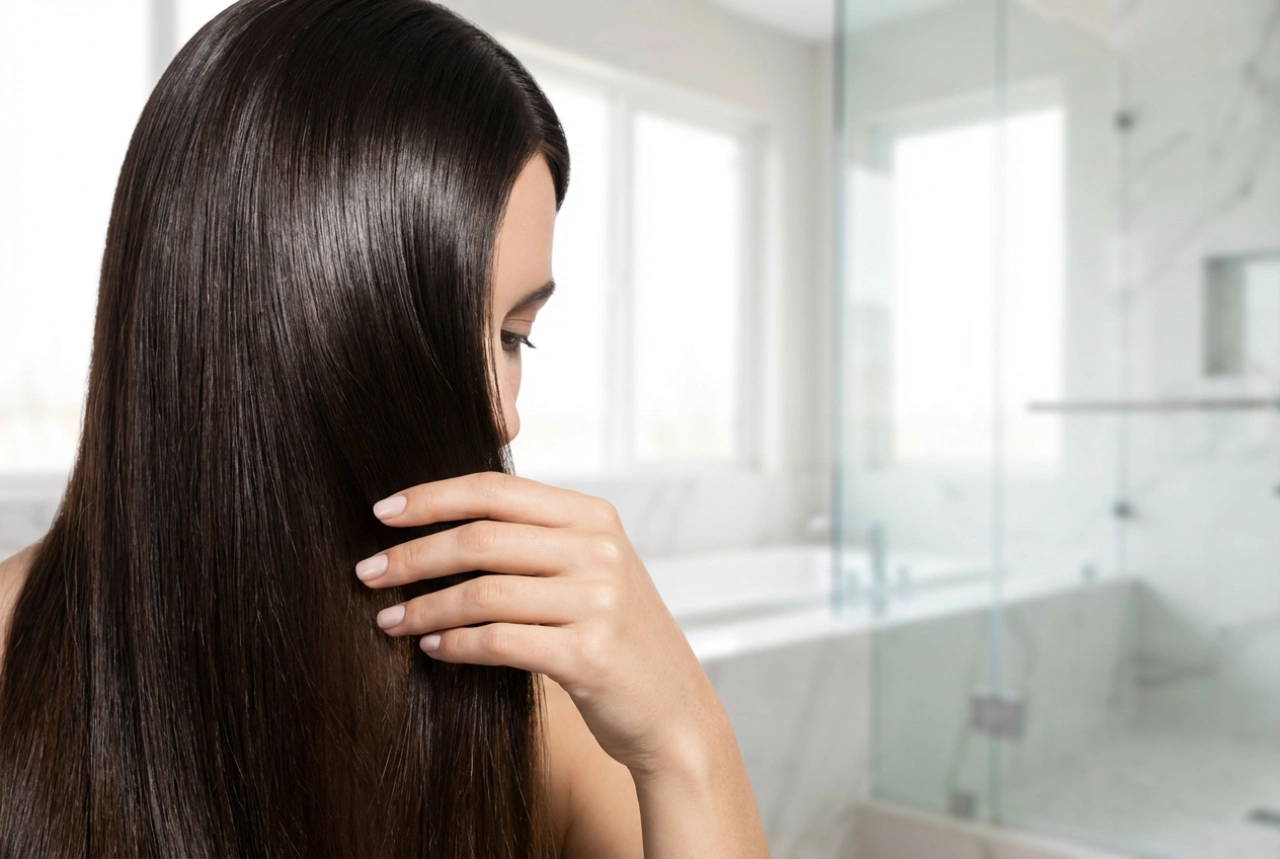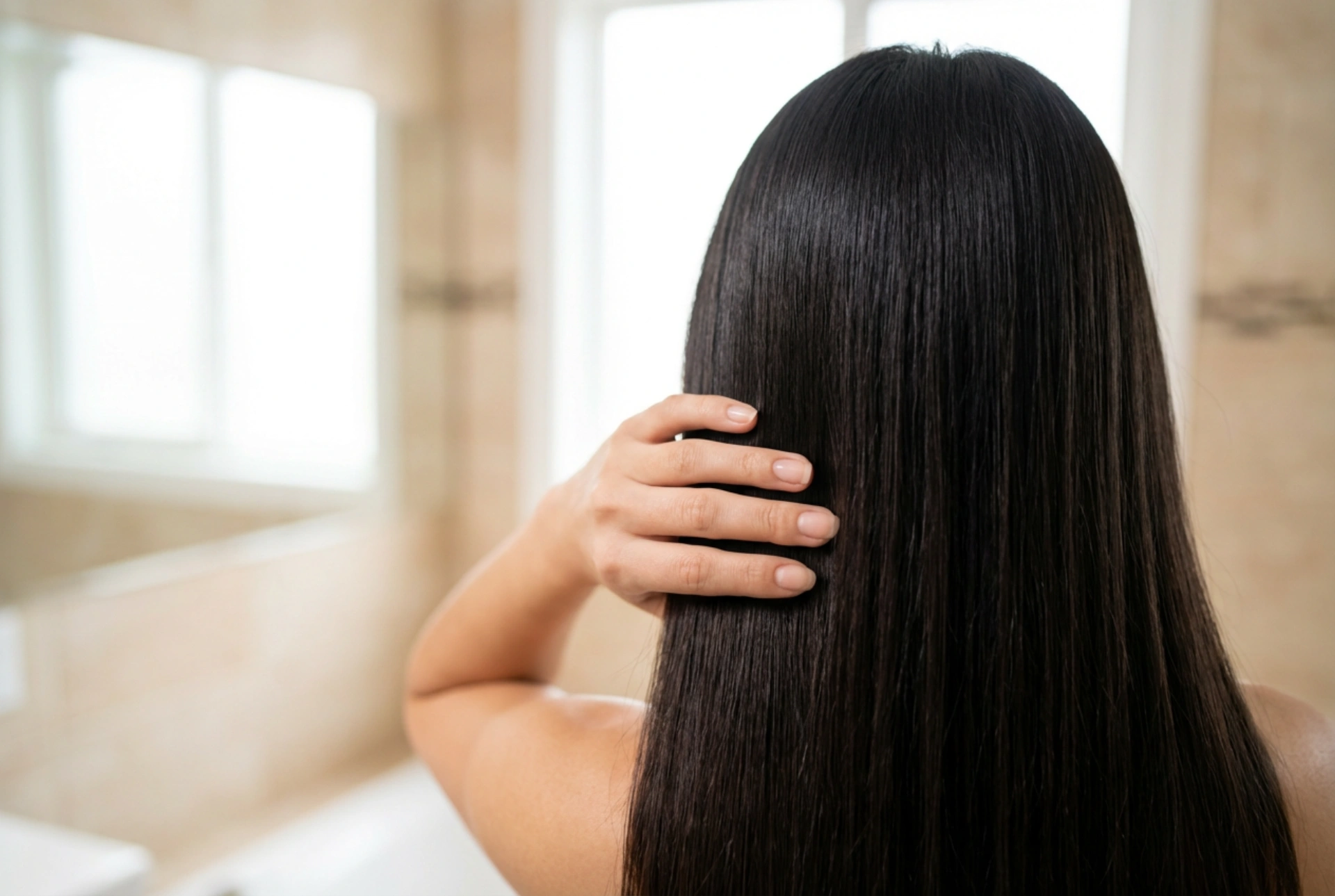


The allure of perfectly straight, glossy hair is undeniable. It speaks of polish and elegance, but many worry about the potential damage from heat styling. The good news is that achieving a sleek, smooth finish without compromising the health of your hair is entirely possible. It all comes down to a combination of careful preparation, a refined technique, and dedicated aftercare. This guide will walk you through the essential steps to straighten your hair while keeping it strong, shiny, and beautiful.
Preparing Your Hair for Heat Styling
The foundation for damage-free straightening is laid long before you even turn on your flat iron. Proper preparation is non-negotiable for protecting your strands.
Wash and Condition Thoroughly
Start with a clean slate. Use a hydrating shampoo and conditioner to ensure your hair is moisturised and supple. Well-hydrated hair is more resilient and can better withstand heat. After conditioning, rinse your hair with cool water to help seal the hair cuticle, which enhances shine and reduces frizz from the outset.
Never Skip Heat Protectant
This is the single most important step in protecting your hair. A quality heat protectant spray or cream creates a thermal barrier between your hair and the hot plates of the straightener. It helps to distribute heat more evenly and slows down heat conduction, reducing moisture loss. Apply it generously from roots to ends on damp or dry hair, ensuring every strand is coated. Comb through to distribute the product evenly.
Ensure Your Hair is Completely Dry
Never, ever use a flat iron on wet or even damp hair. Straightening wet hair essentially boils the water within the hair shaft, causing steam to erupt from the cuticle. This leads to significant structural damage, creating bubbles within the hair fibre that result in breakage and a brittle texture. For best results, either air-dry your hair completely or blow-dry it using a low to medium heat setting, pointing the nozzle downwards to encourage smoothness.
Mastering the Straightening Technique
Once your hair is prepped and ready, the way you use your straightener makes all the difference. Technique is key to achieving a flawless look efficiently and safely.
Choose the Right Tool and Temperature
Invest in a straightener with ceramic, tourmaline, or titanium plates, as they provide consistent, even heat. An adjustable temperature setting is also crucial. You don't always need the highest heat; the right temperature depends on your hair type. For fine or colour-treated hair, start around 150-175°C. Medium or normal hair can typically handle 175-200°C, while thick, coarse hair might require 200-230°C. Always start on the lower end and only increase if necessary.
Work in Clean Sections
Straightening large, random chunks of hair is inefficient and leads to uneven results, forcing you to pass over the same areas multiple times. Instead, divide your hair into manageable sections. Use clips to keep the hair you're not working on out of the way. A good method is to create a top and bottom half, then divide each half into 2-3 smaller sections.
Perfect Your Pass
The goal is to get each section perfectly straight in a single pass. To do this:
- Work with sections that are no wider than the plates of your straightener.
- Place the straightener near the root and glide it smoothly and steadily down the hair shaft towards the ends.
- Avoid stopping or holding the iron in one spot, as this concentrates heat and can cause damage.
- Maintain gentle but firm pressure. Clamping down too hard won't make hair straighter, but it can create dents and damage the cuticle.
Aftercare: Locking in Smoothness and Health
What you do after you've finished straightening is just as important for maintaining both the style and the health of your hair.
Let It Cool Down
After you've finished the last section, let your hair cool down completely for a few minutes. This allows the cuticle to settle and helps to set the style, making it last longer.
Apply a Finishing Product
To add shine, tame any remaining flyaways, and provide a final layer of protection against humidity, apply a lightweight finishing product. A few drops of a smoothing serum or hair oil are perfect. Warm the product between your palms and lightly smooth it over the mid-lengths and ends, avoiding the roots to prevent a greasy look.
Long-Term Care for Heat-Styled Hair
If you regularly straighten your hair, incorporating a few long-term habits into your routine will ensure it remains in top condition.
Schedule Regular Trims
Heat styling can make ends more prone to splitting. Getting regular trims every 6-8 weeks is essential to snip off any split ends before they can travel up the hair shaft and cause more widespread damage.
Embrace Deep Conditioning
Replenish the moisture that can be lost through heat styling by using a deep conditioning treatment or a hair mask once a week. These intensive treatments help to restore elasticity, strength, and shine to your hair.
Plan for Heat-Free Days
Give your hair a break from the heat. Try to incorporate heat-free days into your week, opting for styles like braids, buns, or ponytails. This rest period allows your hair to recover and helps maintain its natural integrity over time.