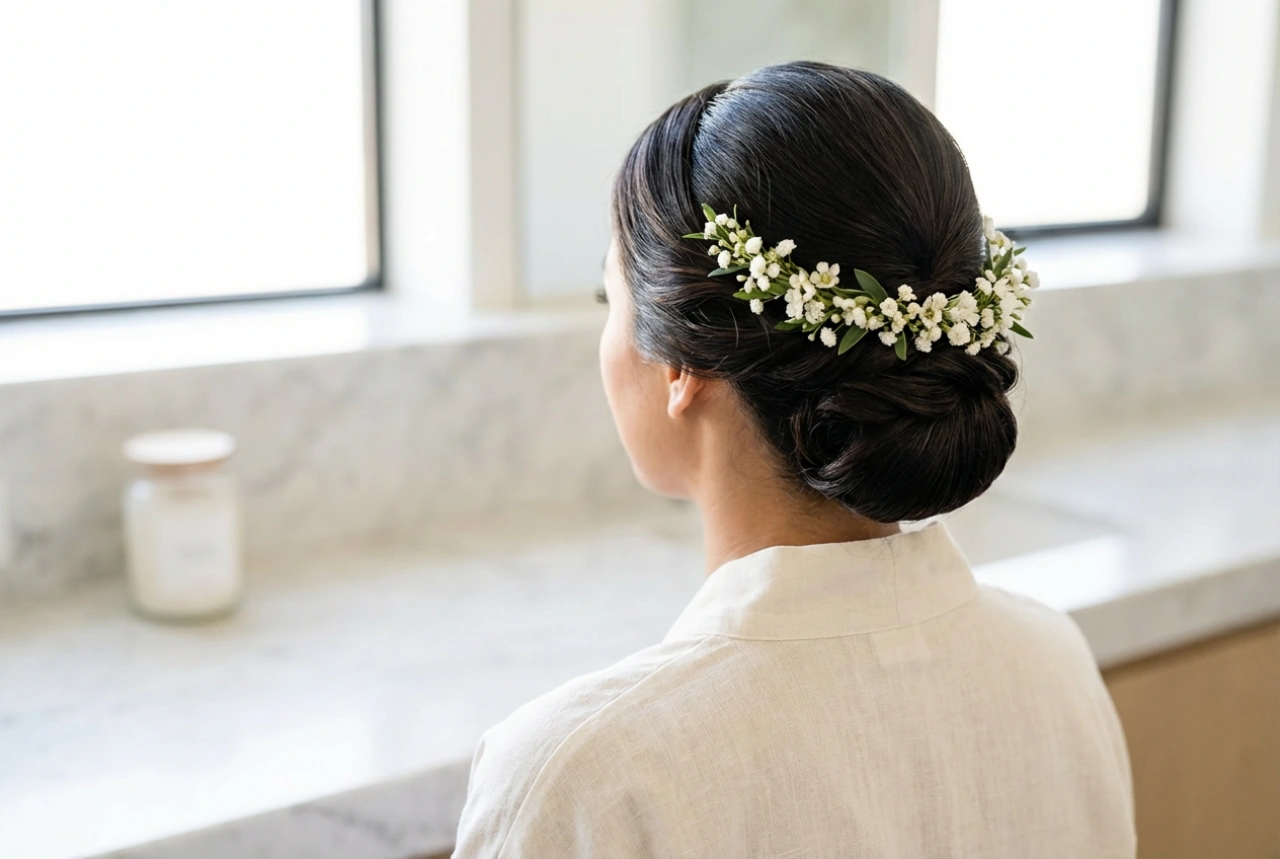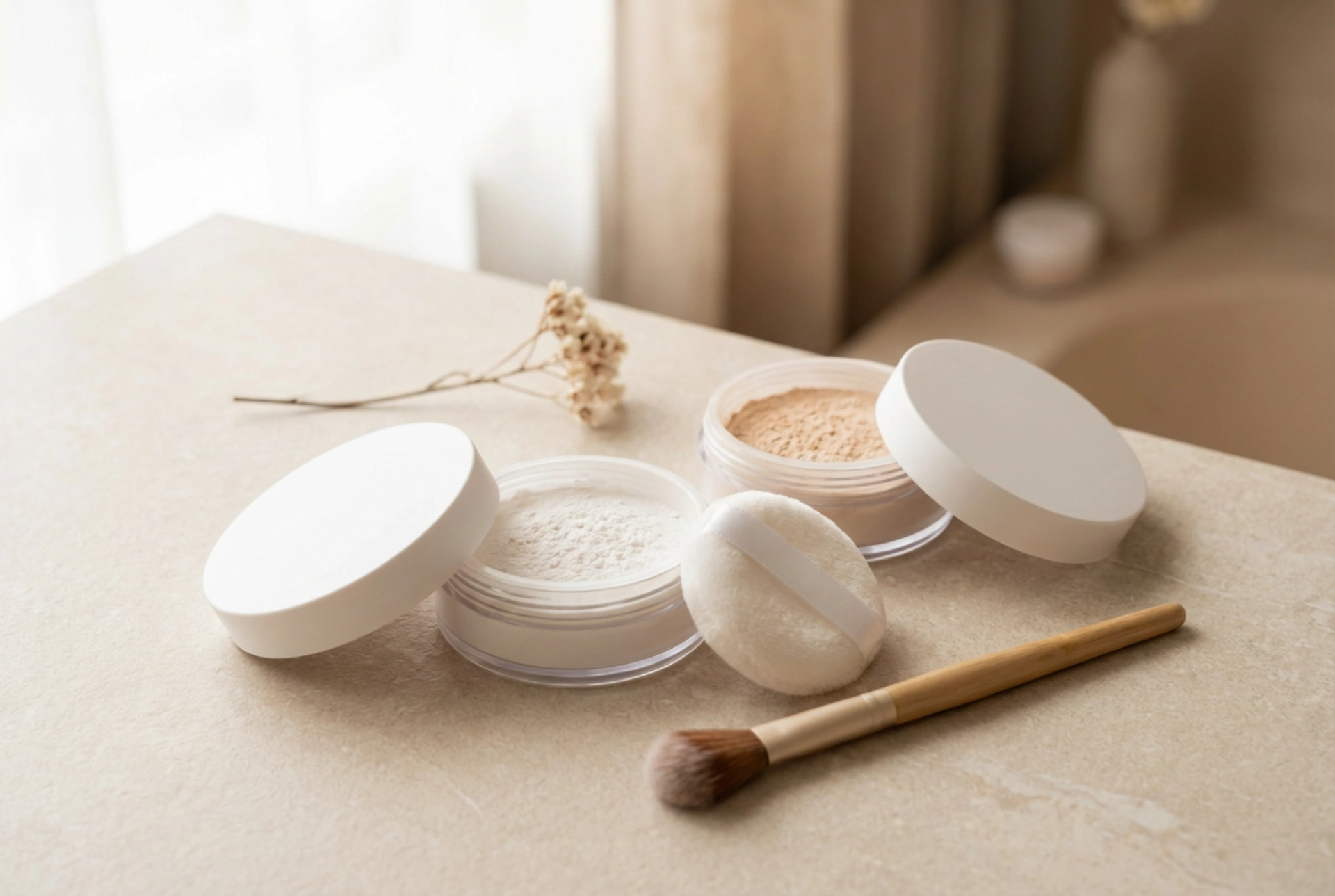


A beautifully arranged vanity table often features a variety of textures and formulations, from light liquids to delicate, finely milled powders. A pristine arrangement of elegant, unbranded powder containers—one dedicated to hair styling and the other to setting the face—illustrates how versatile this simple cosmetic form can be. While they may look similar in their jars, hair powder and face powder serve entirely different purposes in a daily beauty ritual. Understanding the distinct properties of each, knowing when to deploy them, and mastering their application techniques can elevate both your hairstyling and makeup game, helping you achieve a polished, long-lasting look with minimal effort.
Understanding the Core Differences
Although both cosmetics are presented in dry, powdery formats, their chemical compositions and physical actions are tailored to very different surfaces. Face powder is designed to interact with skin oils, moisture, and foundation, providing a smooth finish, absorbing excess sebum, and setting makeup in place. It typically contains ingredients like talc, silica, mica, or cornstarch, which feel silky to the touch and disperse light to create a soft-focus effect.
On the other hand, hair powder—often referred to as texturising or volumising powder—is engineered to add grip, friction, and lift to the hair shafts. It usually contains silica silylate or similar polymers that expand upon contact with the natural oils on the scalp, creating instant volume at the roots and a modern, matte texture throughout the lengths. Applying face powder to your hair or hair powder to your face will not yield the desired results and could cause unwanted dryness or styling issues.
Hair Powder: Creating Volume and Texture
For those struggling with flat, fine, or slippery hair, styling powder is a game-changing product. It works by increasing the friction between individual hair strands, which prevents them from lying flat against the scalp.
When to Choose Hair Powder
This product is ideal when you want to achieve:
- Instant root lift without the stiffness of traditional hairspray.
- A lived-in, matte texture for casual styles, messy buns, or textured braids.
- Extra grip for updos, making it easier to secure hairpins and clips.
- An alternative to dry shampoo for absorbing mild oils at the roots while adding structural support.
How to Apply Hair Powder Correctly
To avoid a sticky or heavy buildup, application must be precise. Always apply hair powder to completely dry hair. Start by parting your hair in sections where you want to create volume, usually along the crown. Shake a very small amount of powder directly onto the roots, or tap a little into your palms first. Using your fingertips, gently massage the product into the scalp in circular motions. This action activates the powder, instantly lifting the roots. Remember, a tiny amount goes a long way; you can always add more if needed, but removing excess powder requires washing the hair.
Face Powder: Perfecting and Setting the Complexion
Face powder is a cornerstone of classic makeup application. It acts as an invisible shield that locks in liquid products like foundation and concealer, preventing them from creasing, slipping, or fading throughout the day.
Choosing Between Loose and Pressed Powders
Face powders generally come in two forms, each suited to different needs:
- Loose Powder: This is finely milled and lightweight, making it perfect for setting makeup at home. It provides a sheer, natural finish and is excellent for the baking technique under the eyes.
- Pressed Powder: Compacted into a solid form, this is highly portable and ideal for quick touch-ups on the go. It often contains slightly more binding agents, offering a touch of extra coverage and a more matte finish.
Application Techniques for a Flawless Finish
For a soft, diffused look, dip a large, fluffy powder brush into the product, tap off any excess, and gently sweep it over the oily areas of the face—typically the T-zone (forehead, nose, and chin). If you prefer a highly matte, long-wearing finish, use a soft powder puff. Press the puff gently into the powder, work the product into the fabric, and then press and roll the puff onto the skin. This presses the powder into the foundation, ensuring maximum longevity without disturbing the makeup underneath.
Harmonising Your Beauty Routine
Incorporating both powders into your routine can streamline your preparation process, but it requires mindful hygiene and removal. Since both products are designed to absorb oils, proper cleansing at the end of the day is essential.
For the face, a thorough double-cleanse using a gentle oil-based cleanser followed by a water-based wash ensures that no powder residues clog the pores. For the hair, using a clarifying shampoo once a week can prevent any styling powder buildup on the scalp, keeping your hair follicles clean and healthy. By respecting the unique functions of these two distinct powder types, you can effortlessly balance a fresh, glowing complexion with bouncy, voluminous hair.