

A refreshing hair care routine is more than just a chore; it is a moment of revitalisation. When you gently lather shampoo into your hair under a cascade of lukewarm water, you are not only cleansing but also restoring balance. Managing oily hair can feel like a constant struggle, yet with the right approach to scalp hygiene and sebum control, achieving long-lasting freshness is entirely possible. Understanding the delicate ecosystem of the scalp is the first step towards beautiful, radiant hair that retains its lightweight volume throughout the day.
The Role of Sebum on the Scalp
To effectively manage oiliness, it is essential to understand what sebum is. Produced by the sebaceous glands, sebum is a natural oil designed to moisturise, protect, and maintain the health of both the skin and the hair shaft. However, when these glands become overactive, they produce an excess of oil, leading to that characteristic heavy, flat look. A common misconception is that the goal of hair hygiene is to completely strip away this oil. In reality, aggressive cleansing can trigger a rebound effect, prompting the glands to produce even more sebum to compensate for the sudden dryness. Balanced hygiene focuses on gentle regulation rather than complete elimination.
Selecting the Ideal Formulation
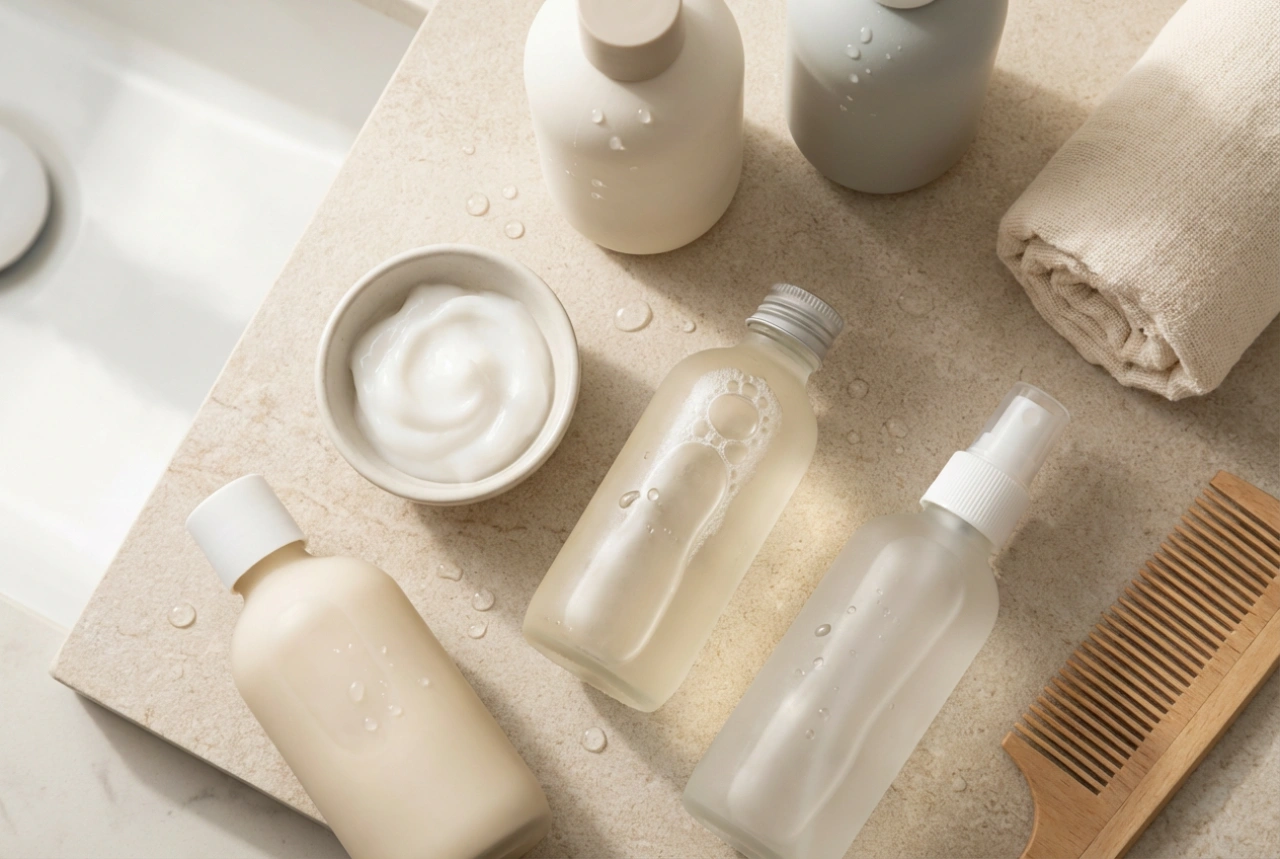
Not all shampoos are created equal, and choosing the right product is crucial for managing oily hair. Look for lightweight, clarifying formulas specifically designed to address excess oil without compromising the scalp’s moisture barrier. When selecting a product, consider the following characteristics:
- Translucent, gel-like textures that do not leave a heavy residue.
- Inclusion of natural botanical extracts like rosemary, nettle, or green tea.
- Absence of heavy silicones and rich oils that can weigh the hair down.
- Mild, skin-friendly cleansing agents that protect the scalp's natural pH.
By opting for a lighter formula, you ensure that the scalp is cleansed effectively without feeling stripped or dry, keeping the roots lifted and fresh for a longer period.
The Art of Washing and Rinsing
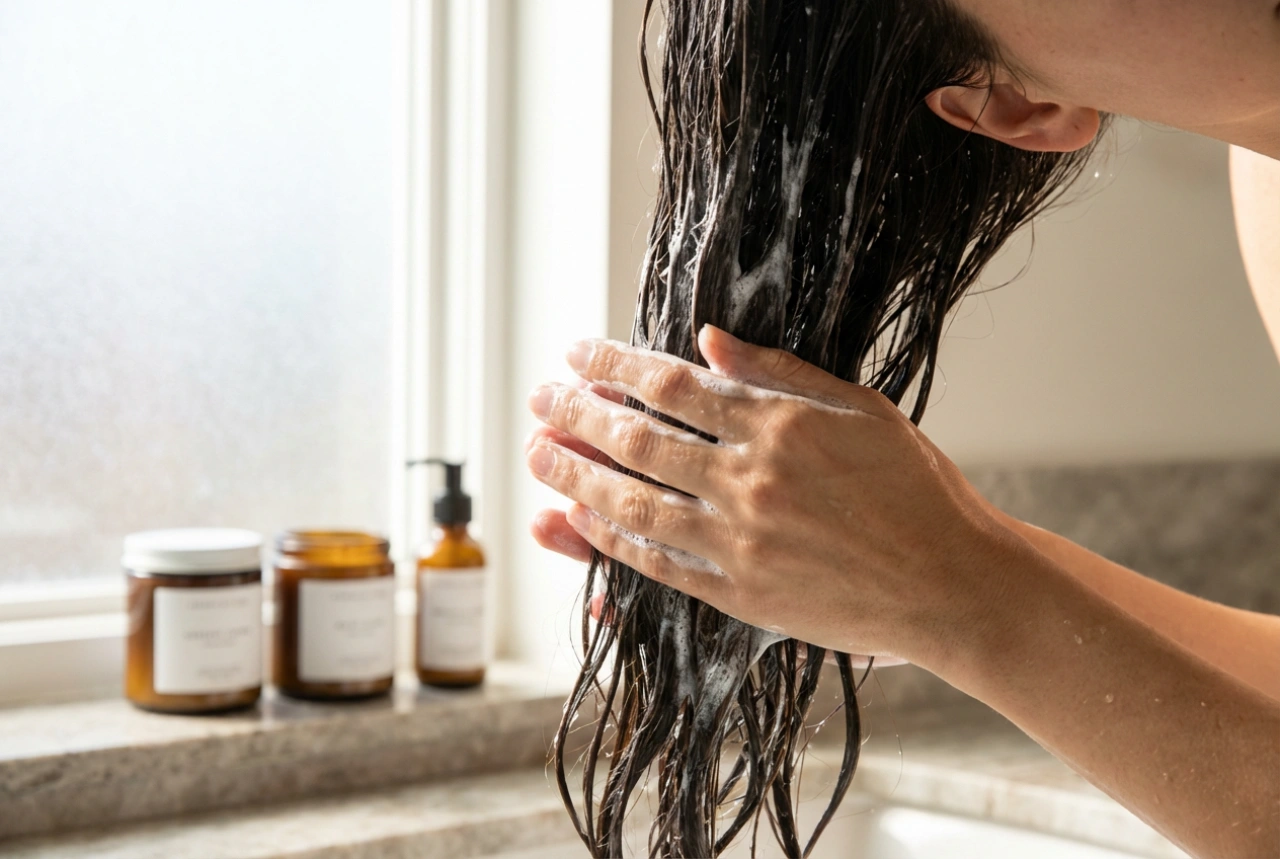
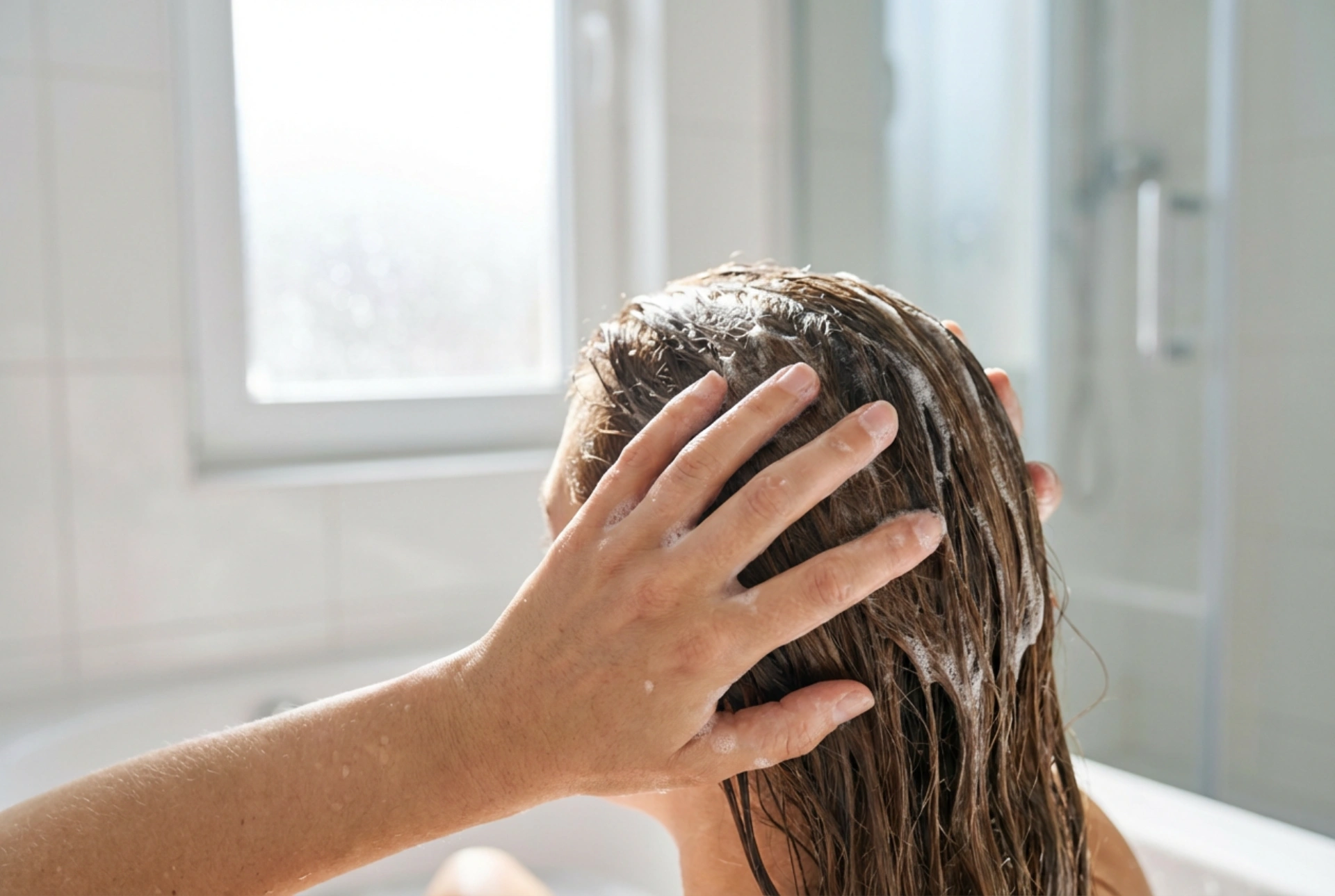
The technique used during your hair wash plays a significant role in sebum control. Begin by thoroughly wetting the hair with lukewarm water. Warm water helps to open up the cuticle and emulsify surface oils, whereas excessively hot water can stimulate sebaceous glands and irritate the skin. Dispense a small amount of shampoo and lather it gently between your palms before applying it directly to the scalp. Focus your massage on the roots, using the pads of your fingers rather than your nails to avoid microscopic scratches. Massage in circular motions to stimulate circulation and lift impurities. When rinsing, ensure that every trace of product is washed away, as leftover residue can quickly turn into a magnet for excess sebum.
Essential Hygiene Habits for Longevity
Keeping your hair cleaner for longer extends beyond the shower. Simple daily habits can drastically reduce the rate at which oil accumulates. First, keep your styling tools clean. Hairbrushes and combs accumulate sebum, dead skin cells, and product buildup; using a dirty brush redistributes these oils back onto clean hair. Wash your hairbrushes weekly with a mild soap. Additionally, try to minimise how often you touch or run your fingers through your hair, as this transfers oils from your hands to your strands. Regularly changing your pillowcase, preferably opting for a breathable fabric like silk or cotton, also helps maintain a clean environment for your scalp overnight.
Maintaining the Moisture Balance
It may seem counterintuitive, but oily hair still requires hydration. Depriving the hair lengths of moisture can lead to dry, brittle ends and may even signal the scalp to produce more sebum. The key lies in strategic application. Always apply lightweight conditioners or hair masks starting from the mid-lengths down to the tips, completely avoiding the root area. Look for hydrating ingredients like glycerin, aloe vera, or panthenol, which provide moisture without adding heavy oils. By keeping the lengths hydrated, you achieve a harmonious balance that supports overall hair health and manageability.