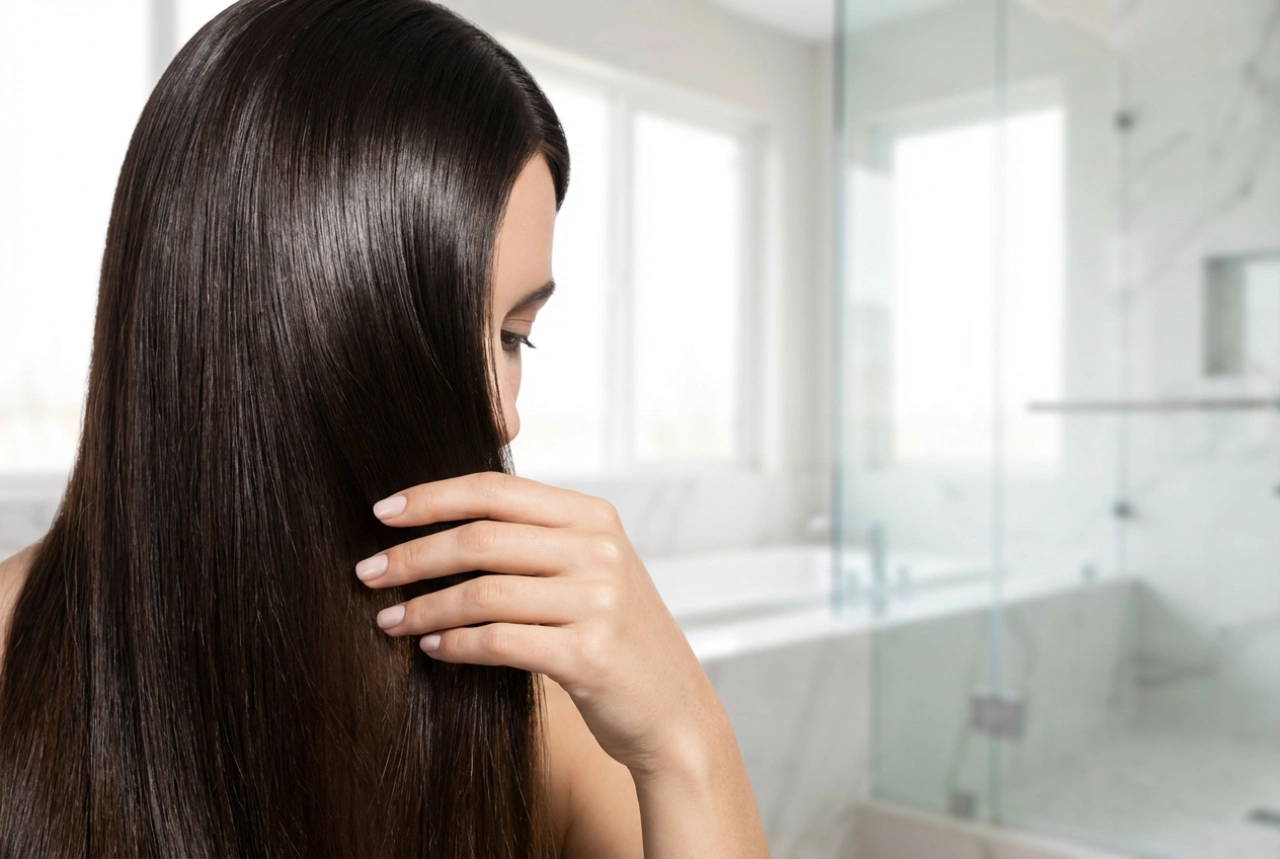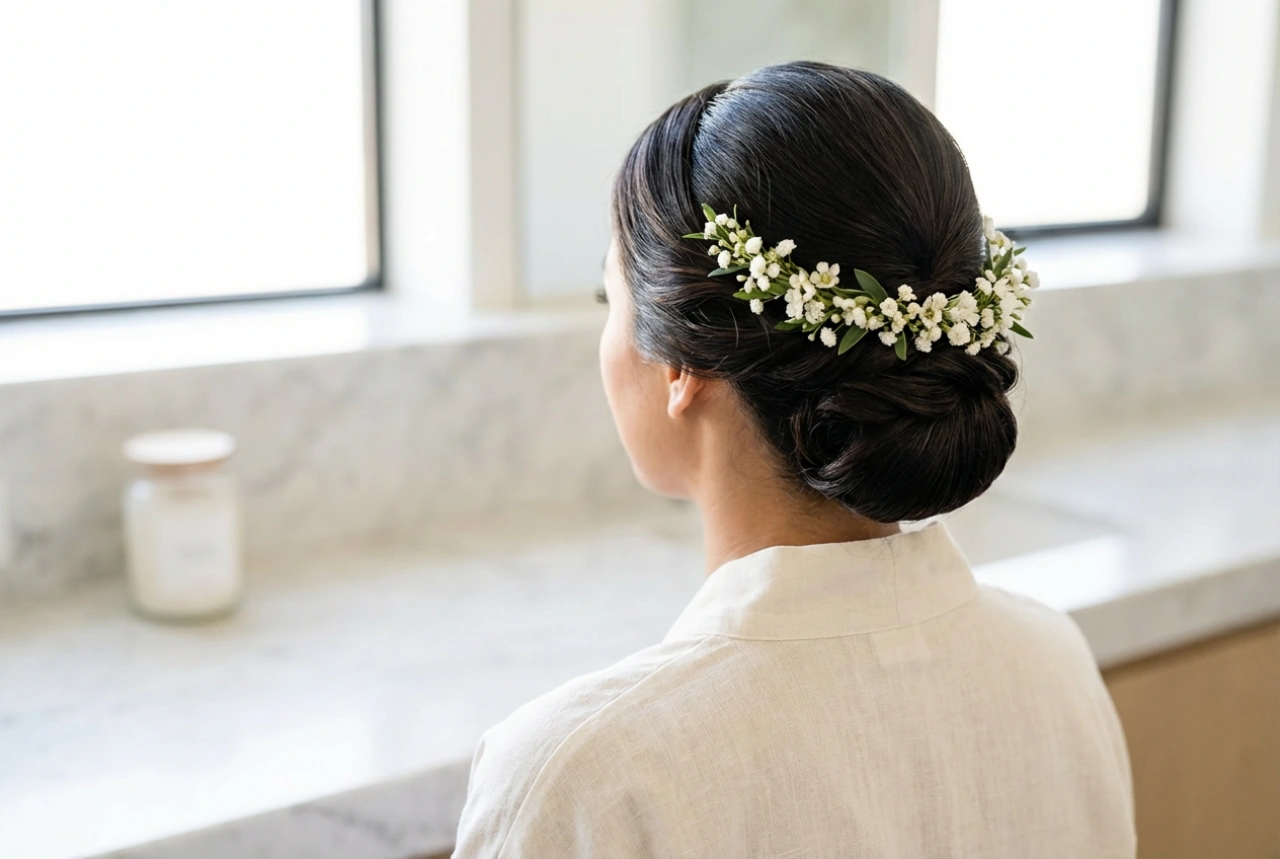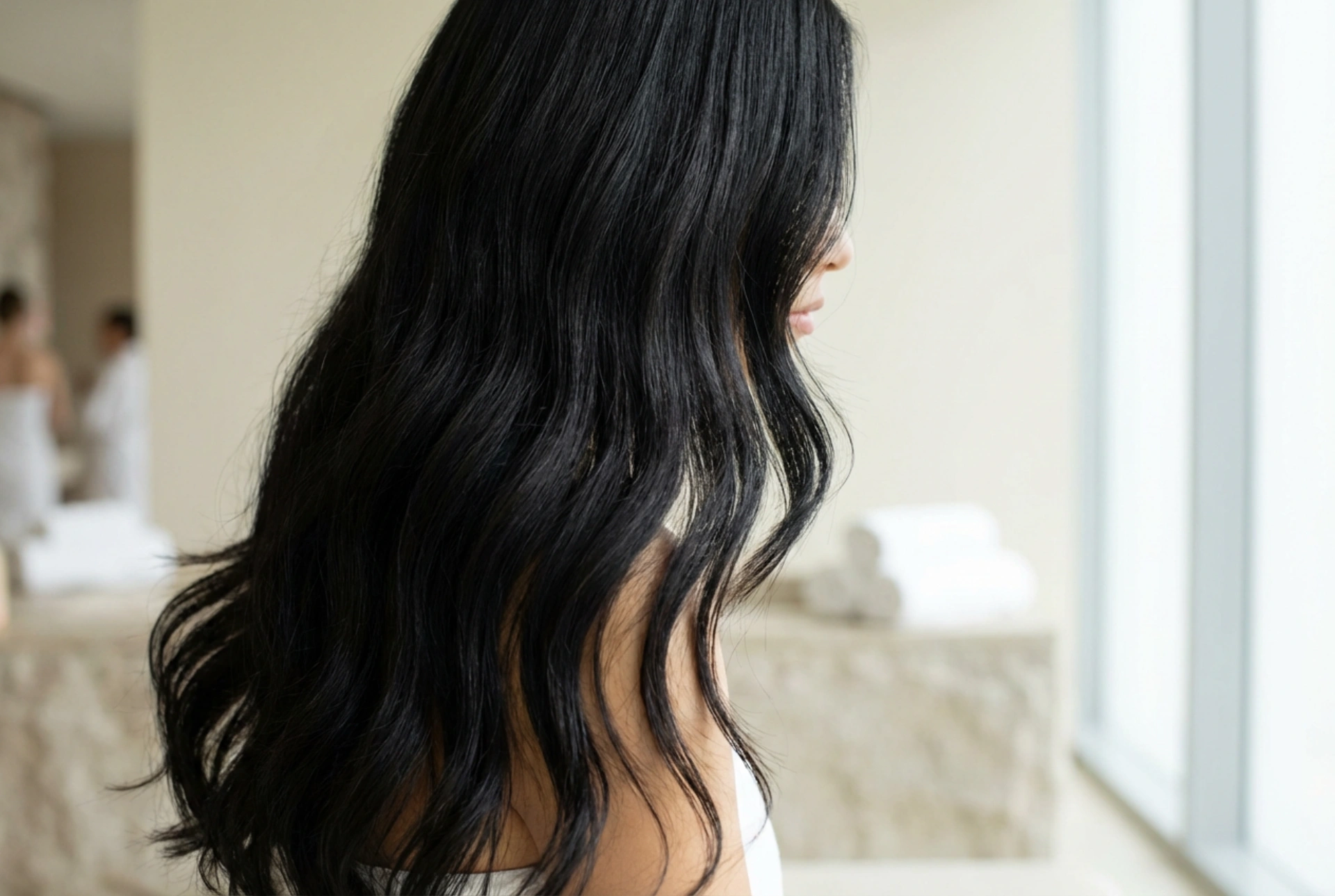


Long black hair has always been a symbol of timeless elegance and classic beauty. However, managing deep, dark tresses can sometimes present a unique styling challenge: the dreaded "helmet effect". Because dark hair naturally absorbs more light and can appear visually heavier than lighter tones, it requires thoughtful care and specific styling techniques to maintain a sense of movement, softness, and a weightless feel. To achieve that coveted effortless elegance, where individual strands catch the subtle ambient light to showcase a natural shine, it is essential to focus on hydration, proper texturising, and lightweight styling methods that promote fluid, flowing locks.
The Foundation of Lightness: Cleansing and Conditioning
The journey to weightless, bouncy black hair starts right in the shower. One of the most common causes of flat, lifeless hair is product build-up. Dark hair easily shows signs of being weighed down, appearing dull and stiff rather than shiny and dynamic. To prevent this, it is crucial to establish a cleansing routine that focuses on maintaining natural volume.
When selecting hair care products, opt for lightweight, clarifying formulas that thoroughly cleanse the scalp and hair shaft without stripping away essential moisture. A gentle, silicone-free shampoo is often the best choice, as silicones can accumulate on the hair over time, creating a heavy coating that dampens natural movement. When conditioning, apply the product strictly from the mid-lengths to the ends. Avoid the roots entirely, as introducing heavy conditioners to the scalp will inevitably lead to flat hair that clings to the head, contributing directly to the rigid appearance we want to avoid.
Additionally, rinsing your hair with cool water at the very end of your wash routine can work wonders. Cool water helps to seal the hair cuticles, enhancing natural shine and smoothness without the need for heavy leave-in serums. This simple step ensures that each strand remains clean, separate, and free to move independently.
The Art of the Cut: Creating Movement through Layers
While the right washing routine lays the groundwork, the physical structure of your haircut plays a defining role in how your hair behaves. A blunt cut on long, thick black hair can easily result in a heavy, solid block of colour that lacks dimension and airiness. To counteract this, strategic texturising and layering are highly recommended.
Consulting with a professional stylist about introducing soft, long layers can transform the way your hair falls. These layers should be subtle and blended seamlessly into the length, avoiding harsh steps that can look dated. The goal is to remove excess bulk from the interior of the hair while preserving the overall length and density. This technique allows air to pass through the strands, giving the hair a natural bounce and swing as you move.
Face-framing layers are another excellent option for breaking up the solid appearance of dark hair. By starting the layers around the collarbone or jawline, you introduce soft angles that soften your features and add a touch of effortless grace to your overall look. This ensures that even when your hair is styled straight, it retains a gentle, organic flow rather than looking static.
Styling Methods for Flow and Airiness
How you dry and style your hair dictates its final texture and volume. To avoid a flat, helmet-like finish, the key is to inject air into the roots during the styling process. Rough drying your hair upside down until it is about eighty per cent dry is a fantastic, simple technique to lift the roots naturally.
Once the hair is mostly dry, use a large ceramic round brush to style the remaining damp sections. When blow-drying, always direct the airflow downwards from the roots to the tips to keep the cuticle flat and shiny, but lift the brush upwards and outwards at the crown to create gentle volume. Rather than aiming for pin-straight, ironed locks—which can often look rigid and lifeless in dark shades—focus on creating soft, natural waves. You can achieve this by gently twisting the brush as you pull it through the hair or by using large rollers.
If you prefer using styling products to hold your look, always opt for lightweight mists or volumising sprays rather than heavy waxes, gels, or thick oils. When applying hair oil for shine, rub a single drop between your palms and lightly glaze only the very tips of your hair. This ensures you capture that beautiful, healthy glow without weighing down the mid-lengths.
Daily Care and Maintenance for Flowing Locks
Maintaining the lightness of long black hair requires consistent, gentle daily habits. How you brush and protect your hair overnight can make a significant difference in how it behaves the next day. To keep your strands separate and flowing, invest in a high-quality brush, such as one with natural bristles or flexible detangling pins. Brushing your hair gently from the ends upwards prevents breakage and distributes natural scalp oils evenly, which adds natural shine without heaviness.
During sleep, hair can easily become tangled, compressed, and flattened. To prevent this, consider sleeping on a silk or satin pillowcase. These smooth fabrics reduce friction, meaning your hair cuticles remain undisturbed and your style retains its natural bounce. Alternatively, you can loosely tie your hair in a high, soft bun using a silk scrunchie before bed. This preserves the root lift you created during styling, ensuring you wake up with soft, voluminous, and effortless hair that is ready to face the day with natural grace.