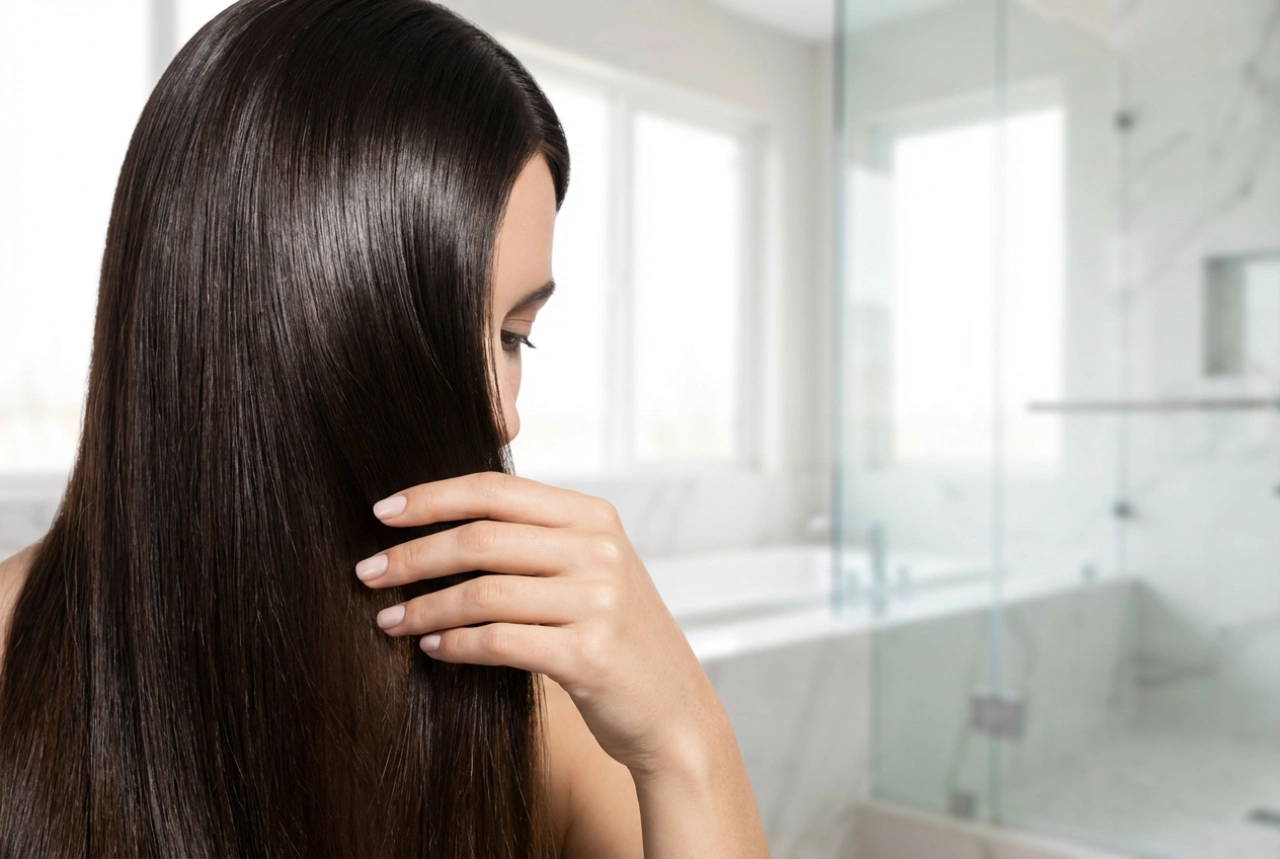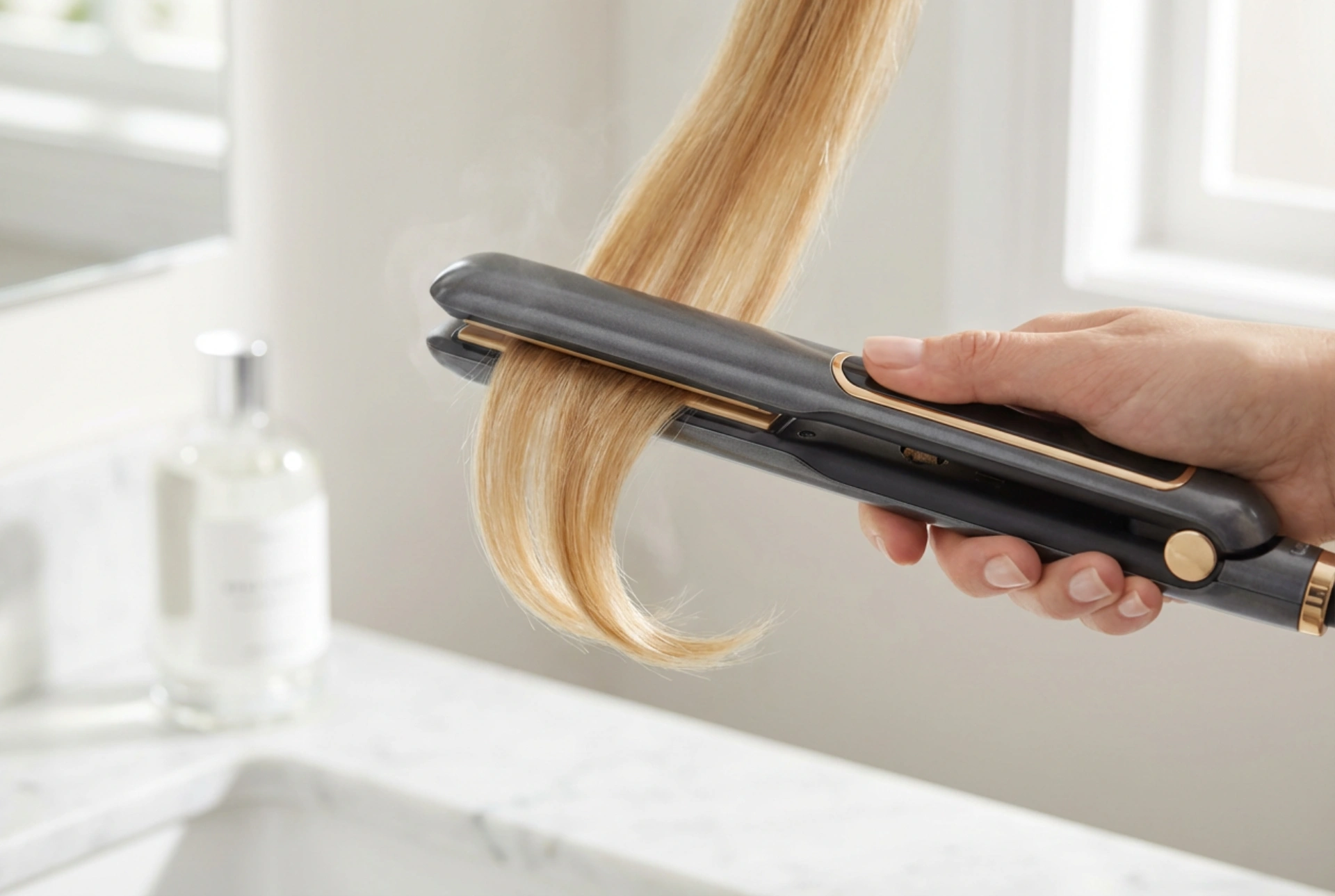


Styling bangs can be a daily challenge, yet it remains one of the most effective ways to frame the face and highlight your personal style. Achieving that perfectly smooth look, a gentle bounce, or a subtle curve requires the right technique and tools. A sleek, modern hair straightener, when used correctly, can transform unruly strands into soft, lustrous bangs that stay in place all day. However, because the hair framing the face is often finer and more delicate, special attention must be paid to heat protection and styling methods to maintain healthy-looking ends.
Choosing the Right Styling Tools for Bangs
When working with shorter sections of hair like bangs, a standard-sized straightener can sometimes feel bulky and difficult to maneuver close to the forehead. For optimal control, many find that a slimmer model with narrow plates is much easier to handle. These smaller plates allow you to get closer to the roots without the risk of skin contact, making it simpler to shape and lift the hair from the very base.
Plate material also plays a vital role in protecting your hair. Ceramic or tourmaline-coated plates are highly recommended because they distribute heat evenly and glide smoothly through the strands. This reduces friction and prevents hot spots that can cause localized dry patches or split ends. Adjustable temperature settings are equally important, as delicate fringe hair rarely requires the high heat settings used for the rest of the hair.
The Ideal Temperature for Delicate Front Strands
Because the hair around the face is finer and more exposed to environmental factors, it is more susceptible to heat damage. Keeping the temperature of your styling tool low to moderate is key to protecting these fragile strands. For fine or normal hair, a temperature between 130°C and 160°C is usually more than sufficient to shape and smooth the bangs. Avoid using maximum heat settings, as this can instantly strip the hair of its natural moisture, leading to a dry, frizzy texture that is difficult to style in the future.
Step-by-Step Styling: Smoothing and Creating the Perfect Curve
Achieving a natural look with your bangs requires a gentle touch and a fluid movement. A rigid, straight-down pull can leave the fringe looking flat and lifeless. Instead, follow these simple steps to add volume and a soft, elegant curve:
- Preparation: Always start with completely dry hair. Applying heat to damp bangs can cause moisture within the hair shaft to boil, leading to severe structural damage.
- Heat Protection: Lightly mist a generic, lightweight heat protection spray through the bangs and comb it through to ensure even distribution.
- The Lift: Section the bangs into two or three horizontal layers. Start with the bottom layer, placing the straightener close to the roots.
- The Curve: As you glide the plates down, gently rotate your wrist outward in a smooth, continuous C-shaped motion. This creates a natural-looking curve rather than a harsh, pin-straight finish.
- The Top Layer: Repeat the process with the top layer, lifting it slightly higher to create volume at the crown before curving the ends.
Daily Care and Protecting the Hair Ends
Bangs require frequent styling, which means they are subjected to heat more often than the rest of your hair. To keep the ends looking healthy and prevent them from splitting, incorporate a few protective habits into your beauty routine. Applying a tiny drop of a lightweight, nourishing hair oil or serum to the very tips of your bangs after styling can lock in moisture and add a healthy shine. Additionally, try to give your bangs a break from heat on weekends or non-work days, opting for gentle air-drying or using soft rollers to shape them naturally.