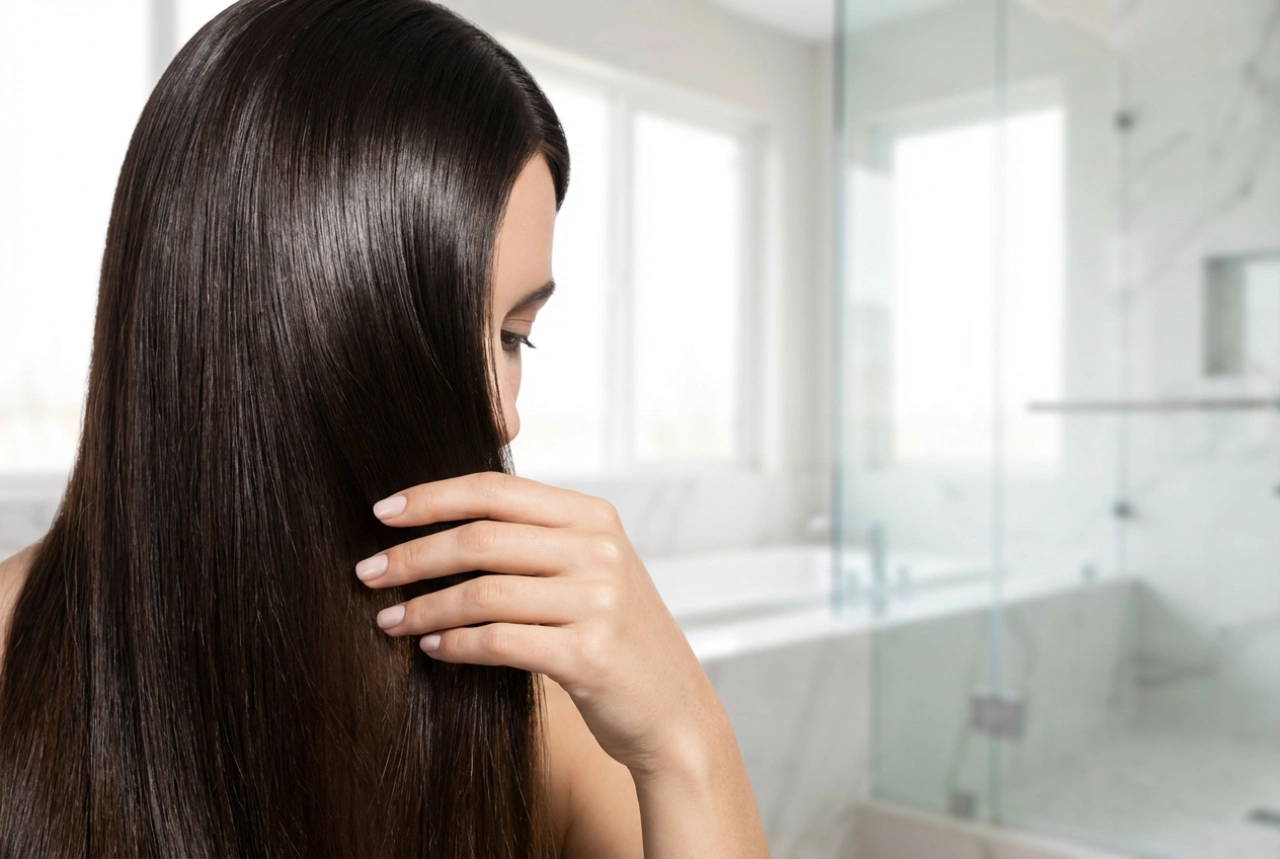


Determining the ideal frequency for washing your hair can often feel like a delicate balancing act. While a fresh wash brings a sense of renewal and cleanliness, overdoing it can strip away essential oils, while under-washing may lead to buildup. In a serene bathroom setting, surrounded by simple care tools and soft towels, the ritual of hair care becomes a personal mindful practice. Finding your unique rhythm begins with understanding your scalp type and recognizing the subtle signals your hair sends you every day.
Understanding the Scalp Type
Just like the skin on your face, your scalp has its own unique characteristics that dictate how it responds to products and environment. Generally, scalps can be categorized into three main types: oily, dry, or balanced.
- Oily Scalp: If your hair feels heavy, flat, or greasy within 24 hours of washing, your sebaceous glands are highly active. This type typically benefits from more frequent washing to prevent excess sebum from clogging the hair follicles.
- Dry Scalp: If you experience tightness, itching, or fine, dry flakes, your scalp produces less natural oil. Washing too frequently can exacerbate dryness, so a longer interval between washes is often recommended.
- Balanced Scalp: If your hair maintains its volume and shine for two to three days without feeling excessively greasy or dry, you have a balanced scalp. This type allows for a flexible washing schedule based on lifestyle and preference.
How to Assess Your Daily Scalp Needs
Before reaching for the shampoo, take a moment to evaluate the current state of your scalp and hair. This simple self-assessment helps you decide whether it is time for a wash or if you can wait another day. Start by gently pressing your fingertips against your scalp at the crown. If there is a visible sheen of oil on your fingers, or if the roots look separated and flat, a wash is likely needed. Conversely, if the scalp feels dry or slightly sensitive, it might be beneficial to skip a day and allow the natural protective oils to nourish the hair shaft.
The Role of Hair Texture and Thickness
Your physical hair structure plays a significant role in how sebum travels from the root to the tips. Straight, fine hair allows oils to glide down the shaft quickly, making the hair look oily faster. Thick, coarse, or curly hair textures create more resistance, meaning it takes much longer for natural oils to travel downward. Consequently, those with fine hair often find themselves washing their hair every other day, while individuals with thick or curly textures can comfortably extend the time between washes to several days.
Establishing a Balanced Hair Washing Routine
Creating a healthy routine is not about following strict rules, but rather about adaptability. External factors such as physical activity, climate, and the use of styling products will inevitably influence your schedule. On days when you engage in high-intensity exercise, a gentle rinse with lukewarm water might be sufficient instead of a full wash. Additionally, during colder seasons, the scalp tends to produce less moisture, meaning you can safely reduce your washing frequency to prevent dryness.
Best Practices for a Gentle Wash
When it is time to wash, the technique you use is just as important as the frequency. Always begin by thoroughly wetting your hair with lukewarm water, as hot water can strip away protective barriers. Apply your cleansing product primarily to the scalp, using the pads of your fingers to massage gently in circular motions. Avoid scrubbing the length of your hair aggressively; the rinsing process is usually enough to cleanse the ends. Always follow up with a nourishing conditioner applied from the mid-lengths to the ends to seal in moisture and protect against environmental stressors.