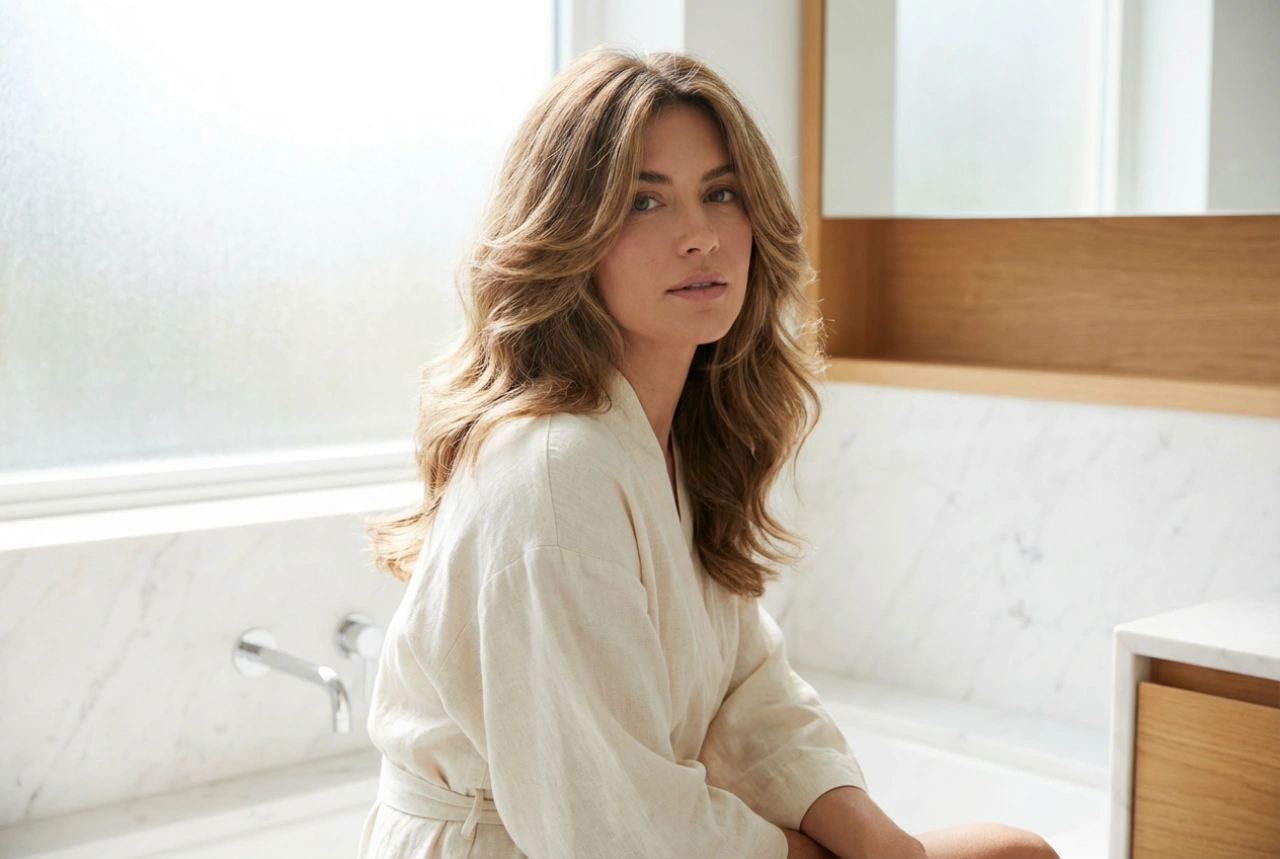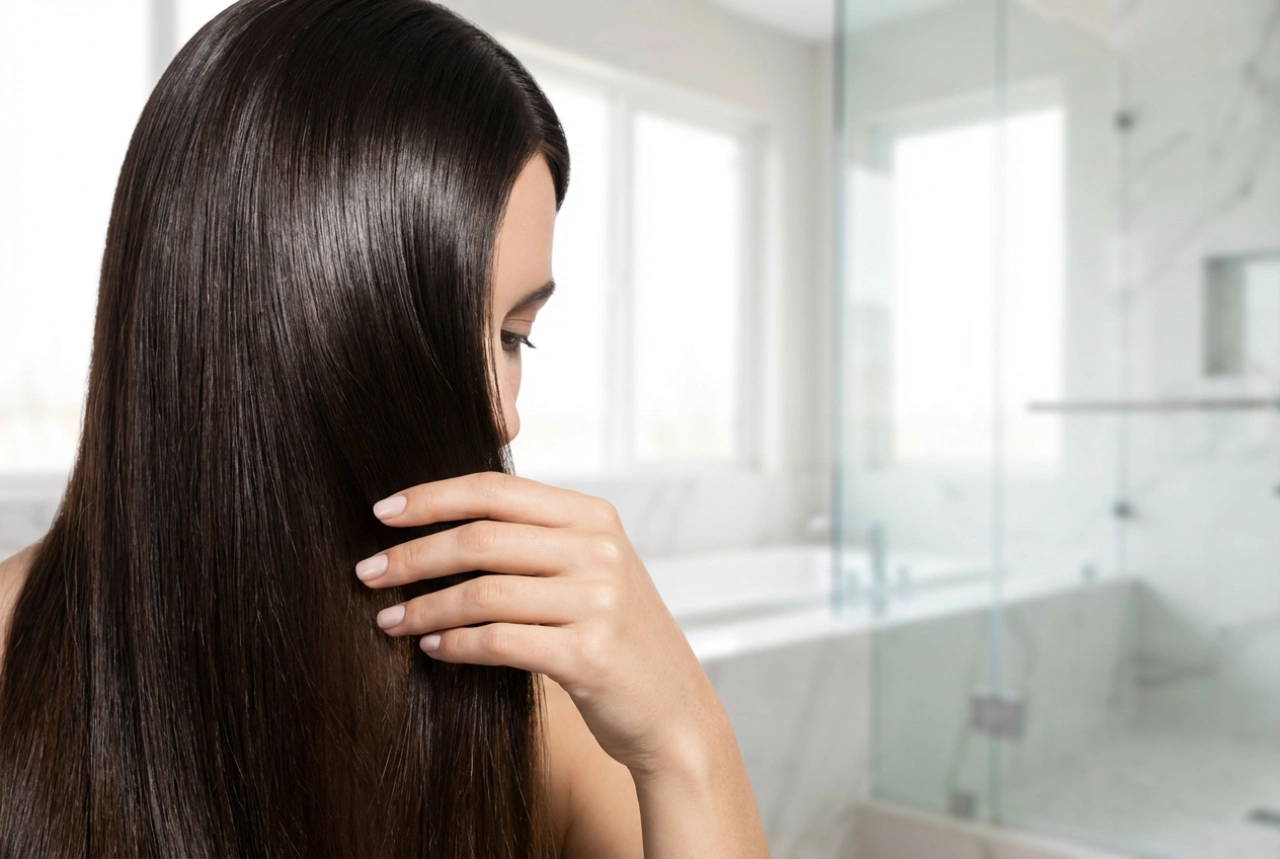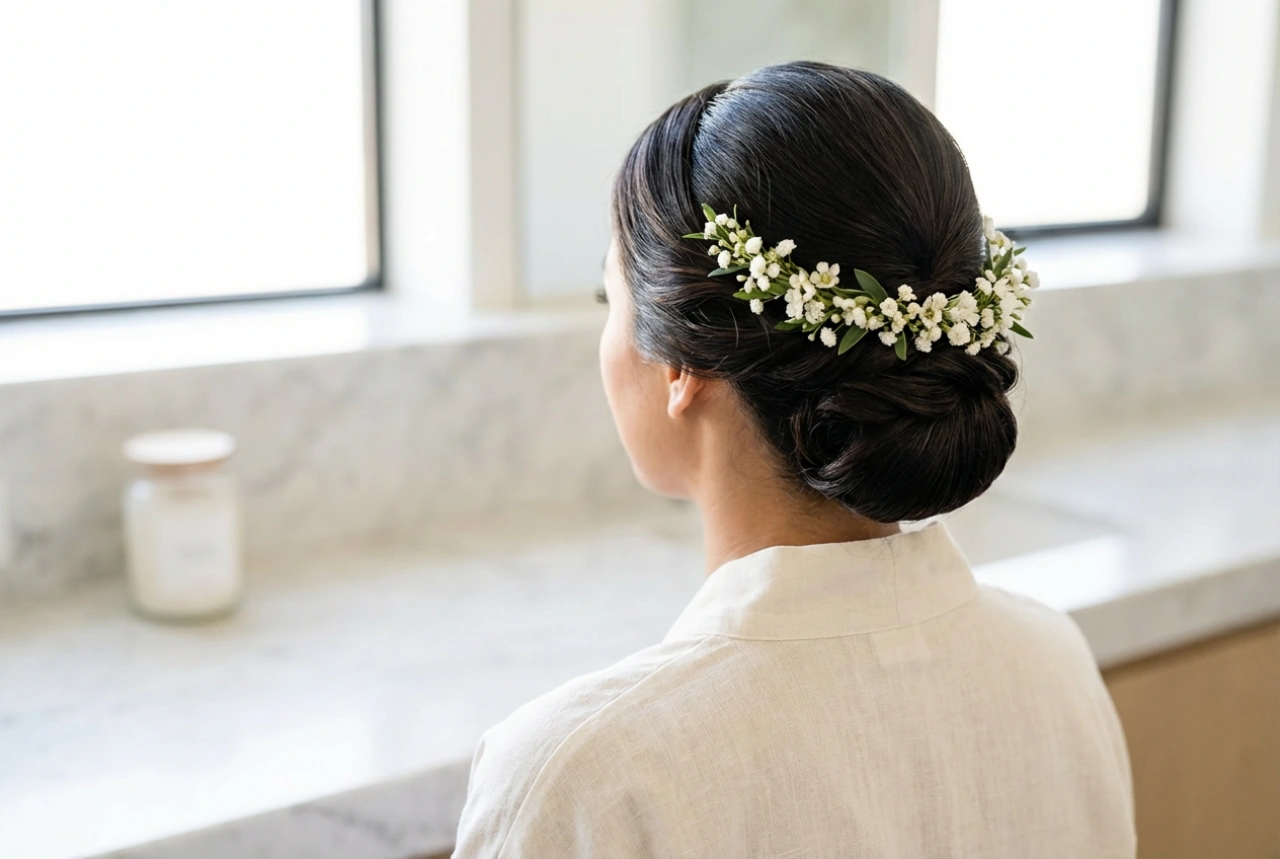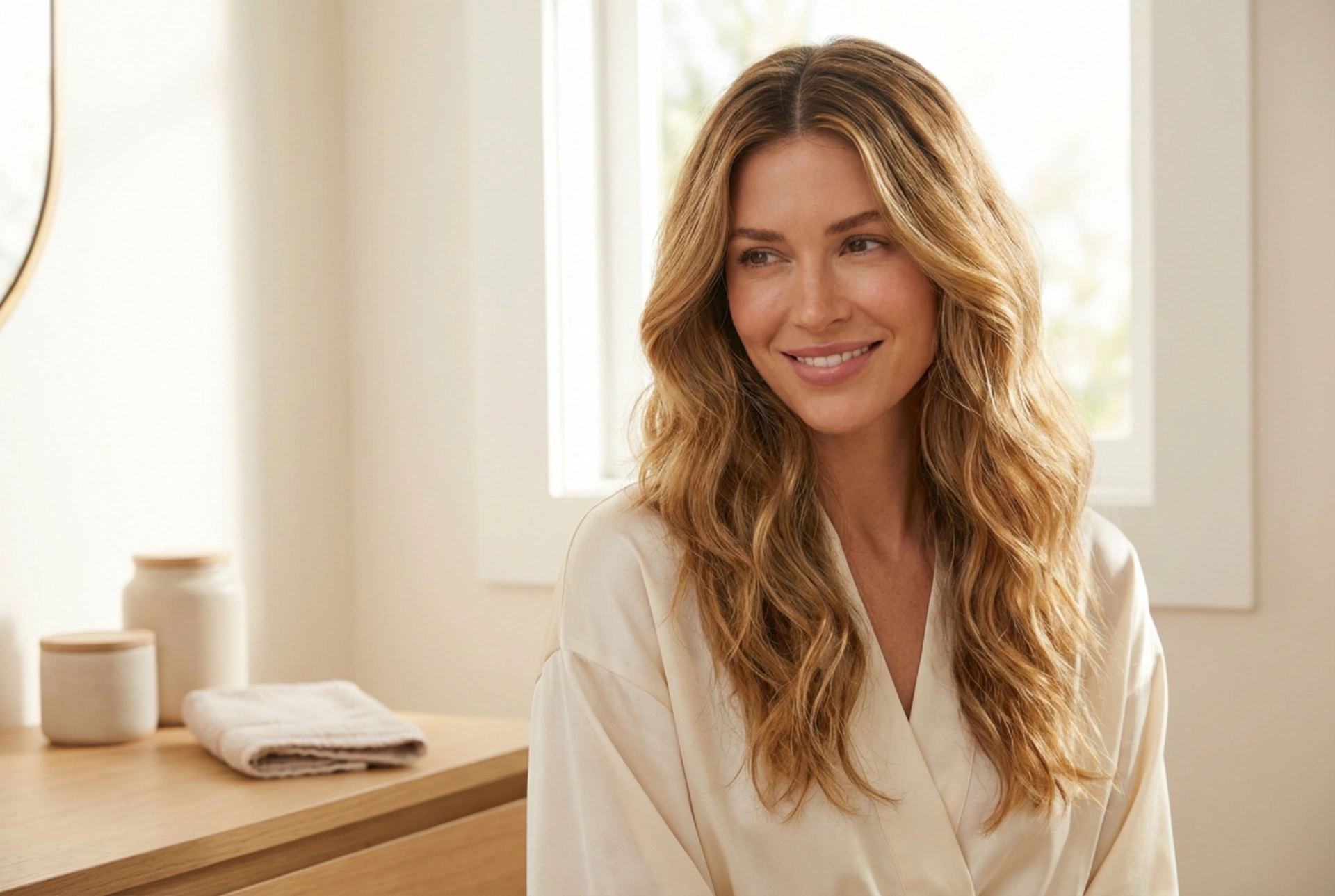


The fashion and beauty trends of the 1970s continue to serve as a rich source of inspiration for modern styling. Defined by a sense of freedom, movement, and natural texture, 70s hairstyles captured an effortless elegance that remains highly desirable today. Soft, flowing waves paired with a prominent middle parting under natural light highlight the hair's movement and texture, embodying a vintage beauty that is both relaxed and refined. Whether you are looking to add volume, embrace your natural texture, or completely transform your look, the iconic cuts and styles of this era offer versatile solutions for contemporary hair care routines.
The Revival of the Shag Cut
The shag cut is perhaps one of the most defining hairstyles of the 1970s, characterized by its heavily layered texture, choppy ends, and incredible volume. This style was designed to look effortlessly messy yet structured, offering a rebellious alternative to the neat, stiff hairstyles of previous decades. The modern interpretation of the shag retains these classic elements while adapting to different hair types and lengths.
To achieve a successful shag cut, a stylist focuses on creating shorter layers around the crown of the head and face, gradually transitioning to longer layers throughout the rest of the hair. This technique naturally adds volume and movement, making it an excellent choice for individuals with fine or flat hair. For those with naturally wavy or curly hair, the shag enhances the natural pattern, reducing bulk while definition is maintained.
Styling and Maintaining Your Shag
Caring for a shag cut at home is remarkably simple, as the style thrives on a lived-in look. To style a shag, consider the following steps:
- Apply a lightweight texturising spray or volume mousse to damp hair to encourage natural movement.
- Air-dry your hair or use a diffuser attachment on your hairdryer to lift the roots and define the layers.
- Avoid heavy styling creams or waxes that can weigh down the layers and flatten the crown.
- Regular trims every six to eight weeks will keep the choppy ends looking fresh and prevent the layers from losing their shape.
Soft, Flowing Waves: Effortless Movement
In contrast to the structured curls of the 1950s, the waves of the 1970s were soft, loose, and full of natural movement. This aesthetic focused on a healthy, sun-kissed look where the hair appeared to have been gently styled by the wind. Achieving these flowing waves today involves techniques that prioritise hair health and natural shine.
Creating 70s-inspired waves can be achieved without excessive heat styling, preserving the integrity of the hair shaft. For a heat-free method, braiding damp hair or using soft rollers overnight can produce beautiful, heatless waves. If using styling tools, a wide-barrel curling iron or a straightener used in a twisting motion can create loose bends rather than tight curls. The key is to brush out the waves thoroughly after styling to create a seamless, flowing texture.
The Power of the Middle Parting
The middle parting was the ultimate finishing touch for almost every iconic 1970s hairstyle. Simple yet incredibly impactful, a clean parting down the centre of the head creates symmetry and frames the face beautifully. It works exceptionally well with long, straight locks, shaggy layers, or voluminous waves.
To achieve a precise middle parting, use the bridge of your nose as a guide and draw a straight line backwards using a fine-tooth comb while your hair is damp. If your hair is accustomed to a side parting, it may take some time for the roots to settle into the new direction. Applying a small amount of lightweight styling gel or blow-drying the roots downward at the parting line can help train the hair to stay in place.
Framing the Face with Curtain Bangs
The middle parting is often paired with curtain bangs, another classic 70s element. These bangs are parted in the middle and swept to each side, gently framing the forehead and cheekbones. They blend seamlessly into the rest of the hair, making them a low-maintenance option for those who want the look of fringe without the high upkeep of a straight-across cut.
Tips for Healthy, Voluminous 70s Hair
Regardless of which 1970s style you choose, the foundation of these looks is healthy, vibrant hair. To support natural volume and movement, it is essential to establish a gentle hair care routine. Start by using a clarifying shampoo once a week to remove product buildup that can weigh down the roots. Follow with a lightweight, hydrating conditioner focused primarily on the mid-lengths and ends.
Incorporate a weekly nourishing mask to maintain shine and elasticity, ensuring your waves and layers look bouncy and defined. When styling, always protect your strands with a heat protectant spray if using hot tools, and finish with a light mist of flexible-hold hairspray to keep the style in place without sacrificing its natural movement.