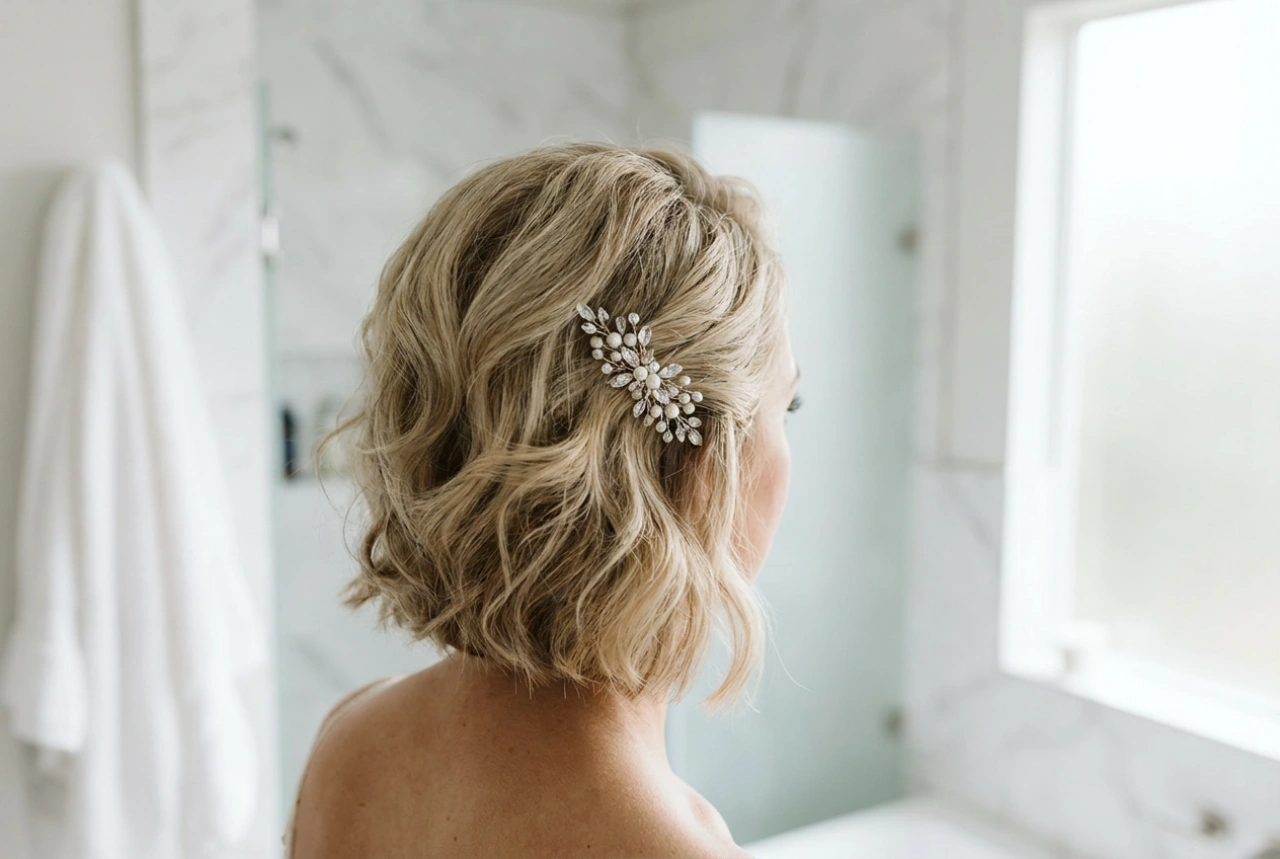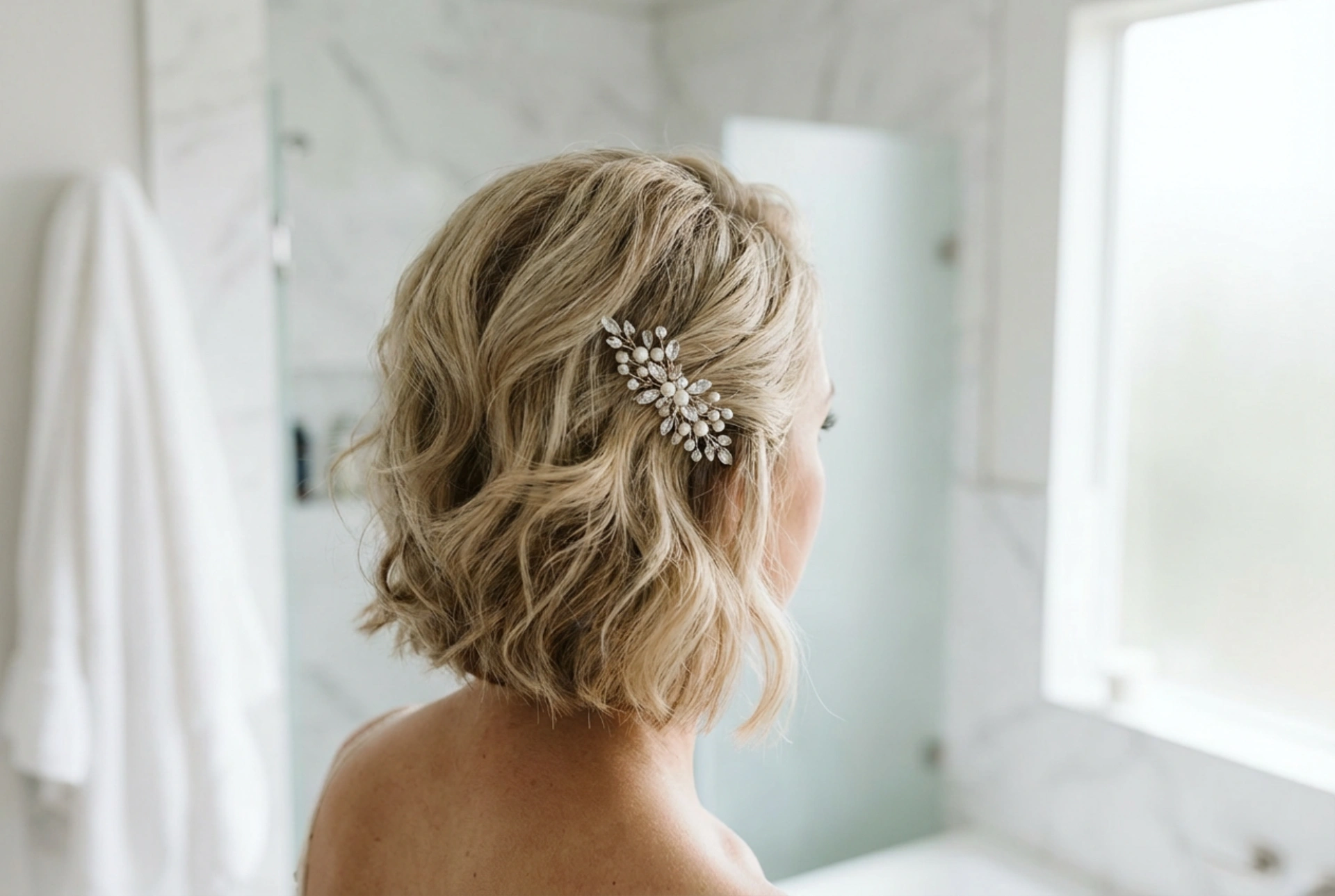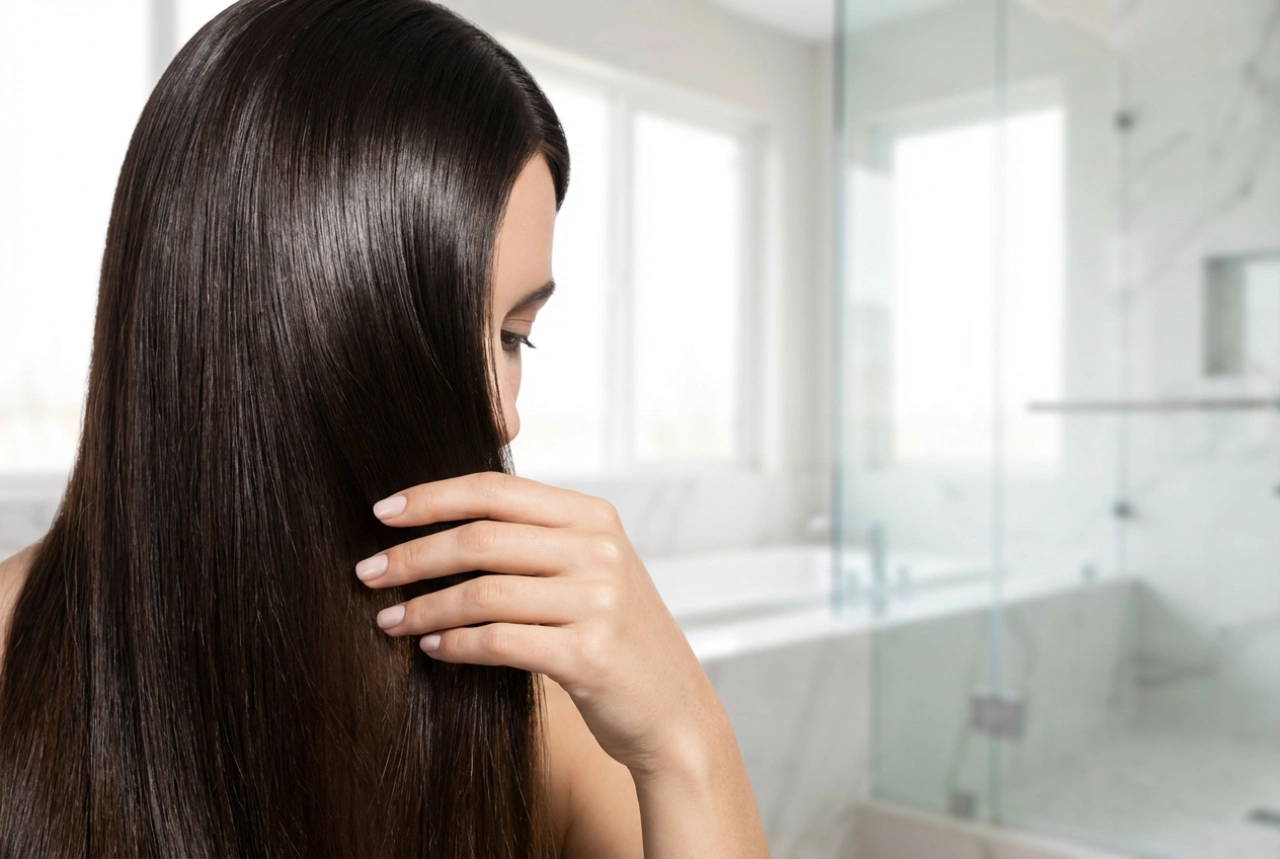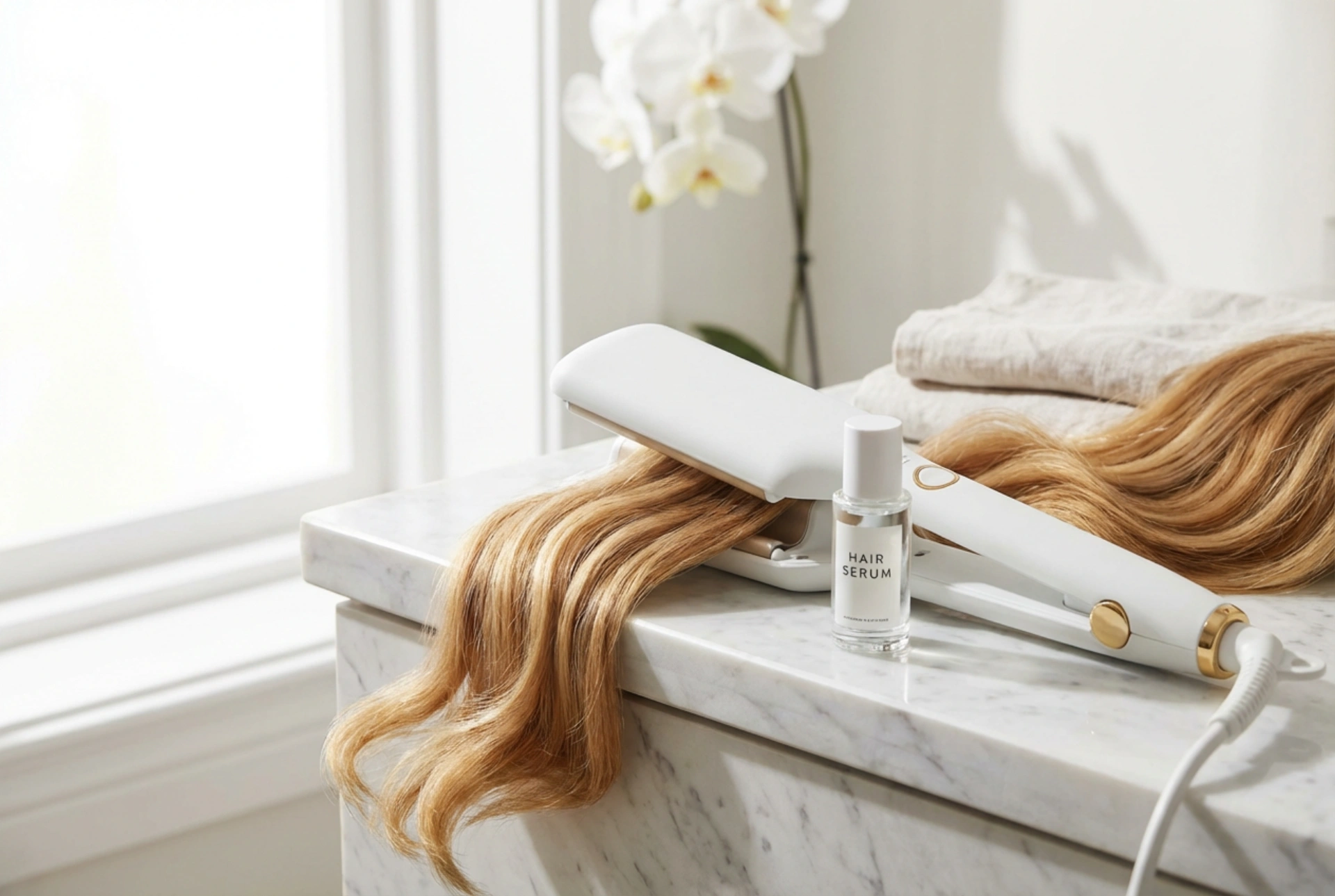


Modern hair styling is all about texture and movement, with soft, flowing S-waves remaining one of the most sought-after looks. Unlike traditional tight curls, these gentle waves offer a relaxed, effortless aesthetic that suits almost every hair length and occasion. Creating this look at home has become significantly easier with the rise of dedicated styling tools. However, achieving that perfect, glossy finish without compromising the health of your hair requires the right technique, proper preparation, and a focus on protecting your delicate hair ends.
Understanding the Hair Waver and How It Works
A hair waver is a specialized styling tool featuring multiple barrels that crimp the hair into a smooth, repeating S-pattern. Unlike standard curling irons, which wrap the hair around a single barrel, a waver presses the hair between curved plates to create instant, uniform ridges. This design makes it incredibly easy to achieve consistent waves quickly, even on long or thick hair. When selecting a waver, look for devices with ceramic or tourmaline coatings, as these materials help distribute heat evenly and reduce static, resulting in a smoother and shinier finish.
Selecting the Right Barrel Size for Your Style
The size of the barrels on your waver will dictate the final look of your waves. For a casual, beachy, and modern aesthetic, larger barrels (around 25mm to 32mm) are ideal, as they create wide, relaxed S-waves. Smaller barrels will produce tighter, more defined retro waves. If you want a natural and soft appearance that mimics natural texture, larger barrels are generally the preferred choice, particularly for medium to long hair lengths.
The Essential Steps of Heat Protection
Applying heat to your hair can dry out the cuticle and lead to structural damage, particularly at the ends which are the oldest and most fragile parts of the hair shaft. To keep your waves looking healthy and vibrant, a comprehensive protection routine is essential before any heat touches your strands.
- Start with dry hair: Never use a heated waver on damp or wet hair. This can cause the water inside the hair shaft to boil, leading to severe structural damage and breakage.
- Apply a quality heat protectant: Thoroughly mist your hair with a lightweight heat-protecting spray or apply a serum from the mid-lengths to the ends. Ensure the product is evenly distributed using a wide-tooth comb.
- Choose the right temperature: Avoid using the highest heat setting. Fine or color-treated hair often only requires a low to medium temperature (around 150°C to 180°C) to lock in the shape, while thicker hair may need slightly more heat but rarely the absolute maximum.
Step-by-Step Guide to Creating Soft S-Waves
Once your hair is prepared and protected, you can begin the styling process. Achieving a natural look is all about sectioning and the direction in which you hold the tool.
Sectioning and Preparation
Divide your dry hair into manageable sections. Start by clipping up the top half of your hair and working on the bottom layer first. Working with smaller sections, about two inches wide, ensures that the heat penetrates evenly and the waves last longer. If you have very thick hair, you may need to divide it into three or four horizontal layers.
The Correct Waiving Technique
Hold the waver horizontally. Clamp the tool down near the roots (but not too close to the scalp to avoid burns) and hold it for three to five seconds. Release the clamp, move the waver down the section of hair, and align the top barrel with the last wave you just created. Repeat this process down the length of the strand. For a modern, lived-in look, leave the last inch of your ends straight rather than clamping them in the tool.
Caring for and Protecting Your Hair Ends After Styling
The ends of your hair are highly susceptible to splitting and dryness, especially when subjected to regular styling. Post-styling care is just as important as preparation for maintaining a polished, healthy appearance.
The Role of Nourishing Oils and Serums
After you have finished waving all sections of your hair, let the waves cool completely. Running your fingers or a comb through hot hair can cause the waves to lose their shape and create unwanted frizz. Once the hair is cool, apply a few drops of a nourishing, lightweight hair serum or hair oil to your palms. Gently work the product through the very ends of your hair. This helps seal the cuticle, adds a beautiful reflective shine, and masks any pre-existing dryness, giving your S-waves a smooth, salon-quality finish.
Maintaining Healthy Ends Between Styles
To ensure your hair remains resilient enough for heat styling, incorporate deep conditioning treatments into your weekly routine. Regular trims every six to eight weeks are also vital to remove any split ends before they travel further up the hair shaft, keeping your overall style looking fresh, bouncy, and full of life.