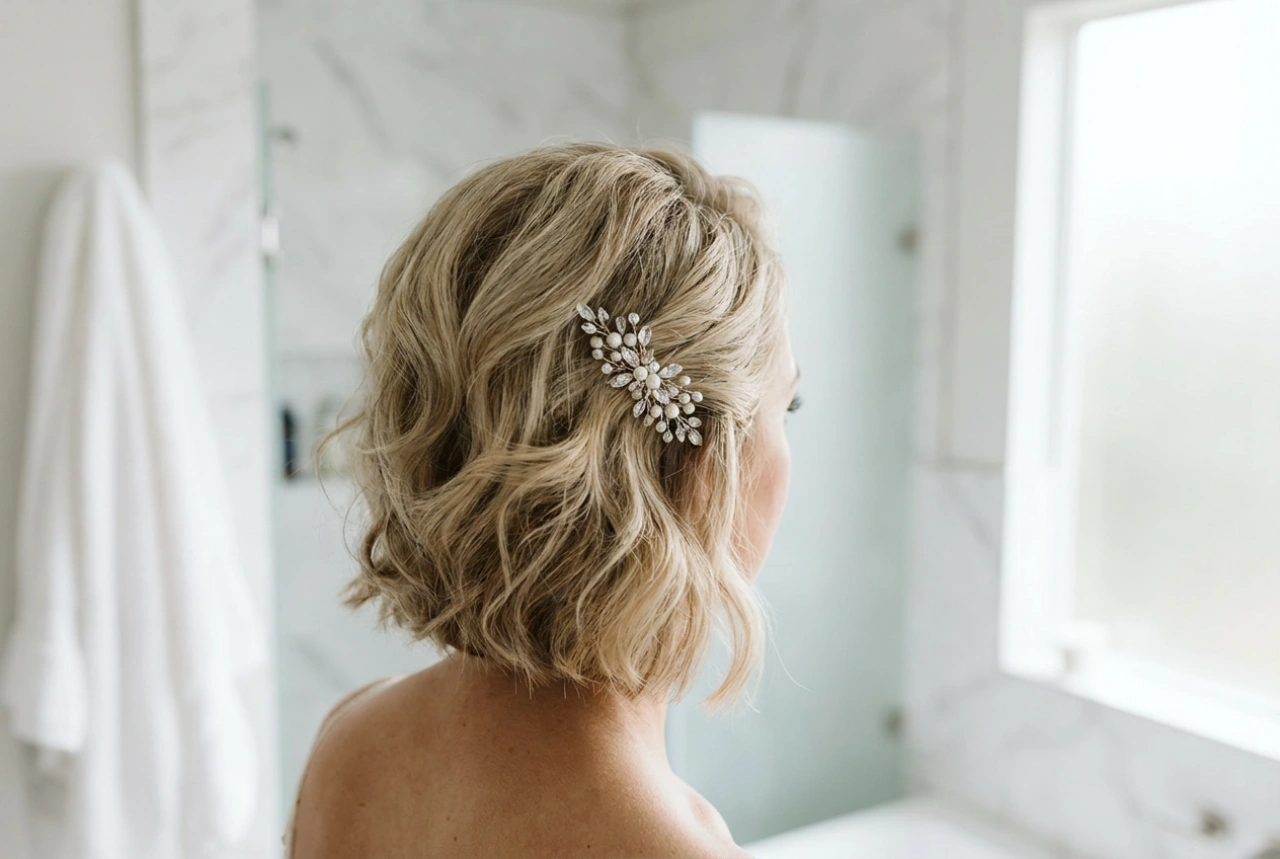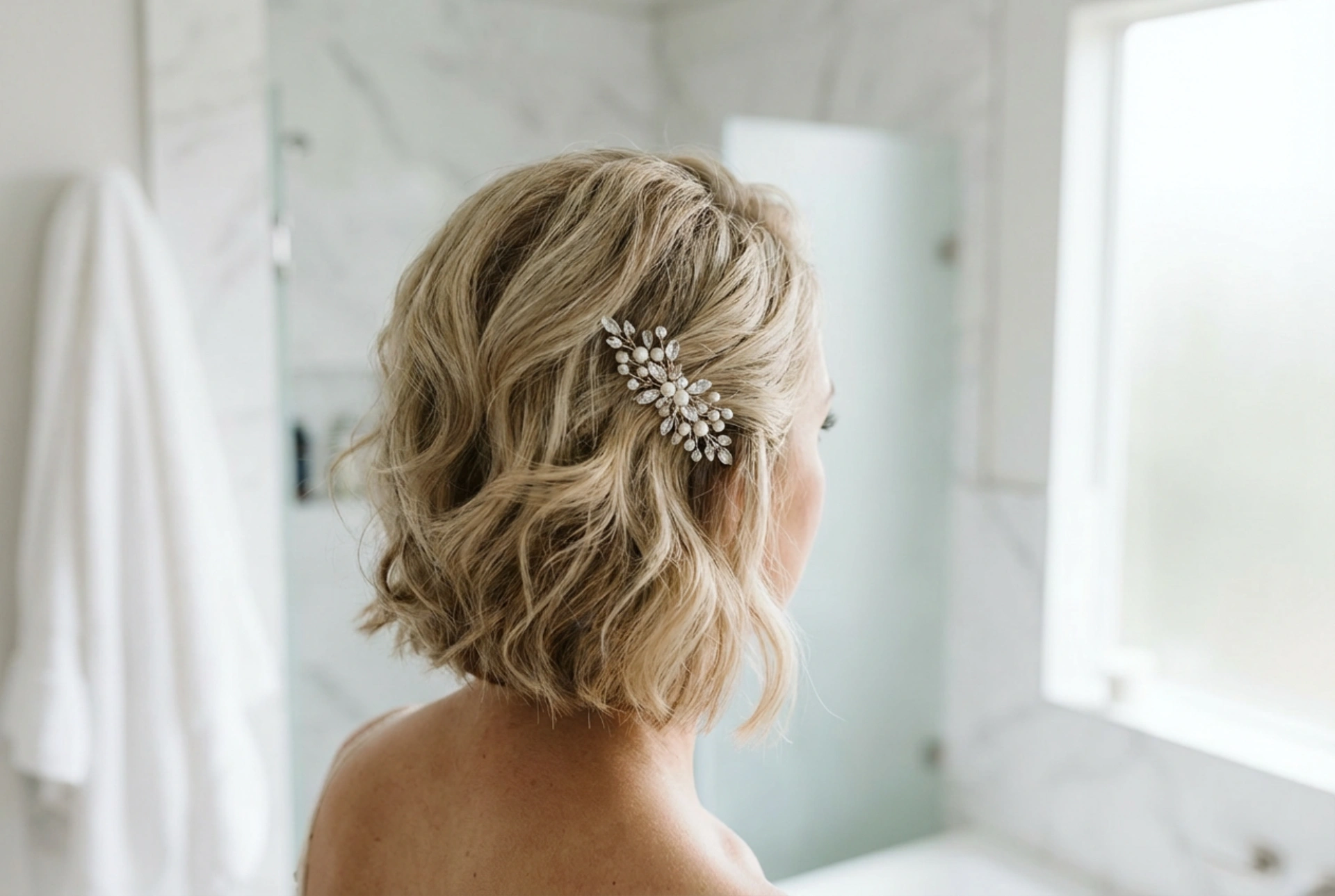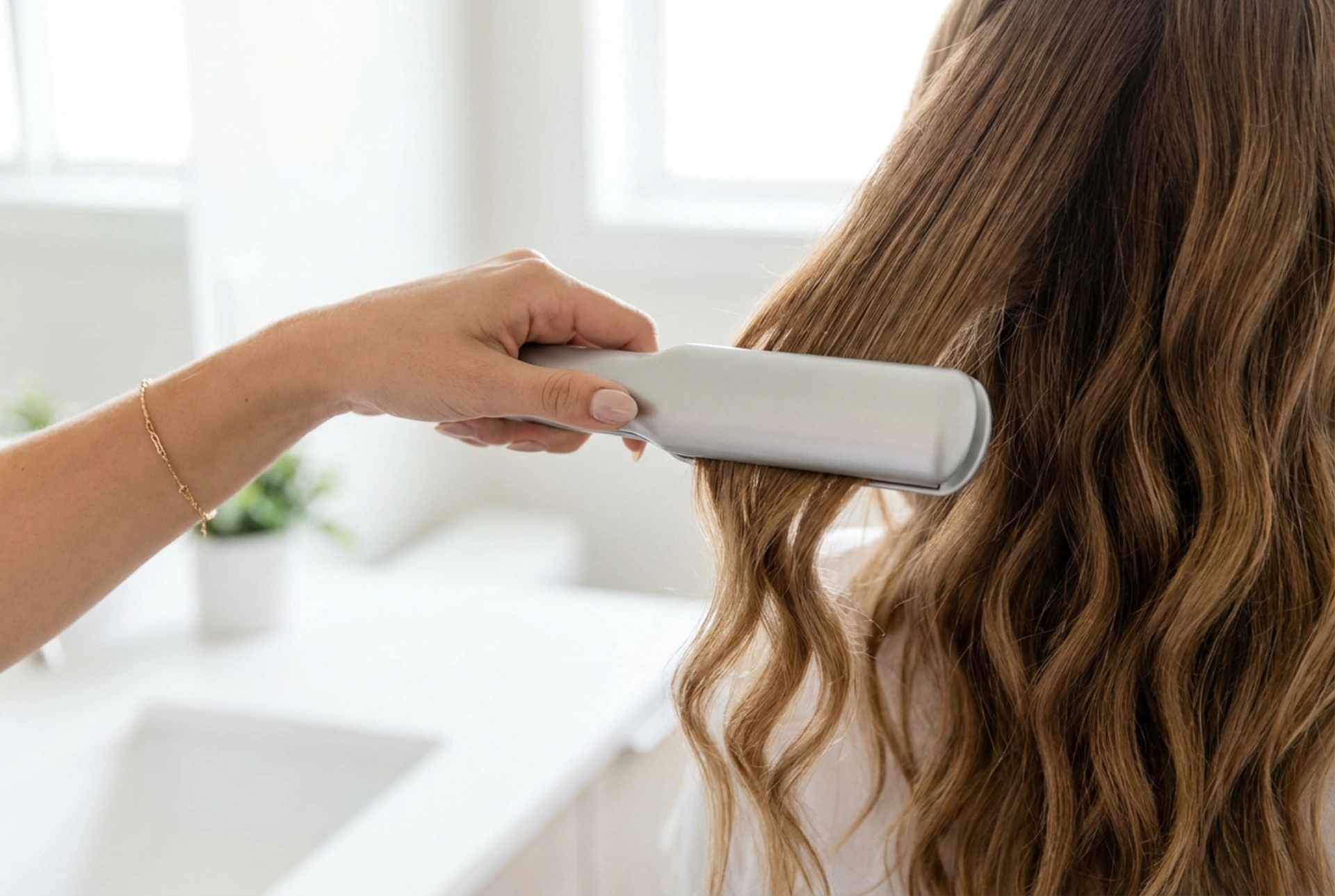


Achieving soft, voluminous waves at home has never been easier thanks to modern styling tools. A deep wave hair waver is the perfect instrument for creating effortless, beach-inspired texture or elegant vintage-style ripples. The secret to a flawless finish lies in understanding how the hair interacts with the heated barrels, mastering the guiding technique, and knowing exactly how long to hold each section. By paying attention to these subtle details, you can create a beautifully structured yet natural-looking hairstyle that boasts incredible sheen and movement without causing unnecessary heat damage.
Understanding the mechanism of a deep wave waver
Unlike traditional curling wands that require you to wrap hair around a single barrel, a wave waver features multiple interlocking barrels. When pressed together, they crimp the hair into a smooth, flowing S-pattern. The size of the waves depends entirely on the diameter of these barrels. Large-barrel wavers are designed to create deep, cascading bends that mimic the natural volume of thick, healthy hair. To get the best results, it is essential to start with dry, thoroughly detangled hair. Working with small, even sections ensures that the heat is distributed uniformly, resulting in symmetrical waves from root to tip.
The correct technique for guiding the tool
Mastering the motion of the waver is key to preventing harsh lines and unnatural creases in the hair. To begin, select a section of hair that is roughly the width of the styling tool and no more than an inch thick. Start positioning the waver near the roots, being careful to keep the hot plates a safe distance from your scalp. Gently clamp the plates together, allowing the first wave to form.
The crucial step is how you move down the hair shaft. Once you release the first section, slide the waver down and place the top barrel directly into the last bend of the wave you just created. This overlapping technique acts as a guide, ensuring a seamless transition and a continuous, unbroken wave pattern. Avoid pulling or tugging the hair while the plates are closed, as this can flatten the texture and stretch out the wave before it has a chance to set.
Optimal holding time for different hair types
Determining the right holding time is a balance between locking in the style and preserving the health of your hair. Leaving the hair in the waver for too short a time will result in weak waves that fall flat within hours, while holding it for too long can cause heat stress. Use these general guidelines based on your hair texture:
- Fine or delicate hair: Keep the clamp closed for no more than 3 to 5 seconds. Use a lower temperature setting to protect the delicate structure.
- Normal or medium-textured hair: A holding time of 5 to 7 seconds is typically sufficient to create a defined, lasting pattern.
- Thick, coarse, or resistant hair: You may need to hold the tool in place for 8 to 10 seconds to ensure the heat penetrates the entire section effectively.
Always allow each wave to cool completely in your hand or on your shoulder before touching it. Disrupting the hair while it is still warm will break the structural bonds that have just been formed, causing the wave to lose its definition.
How to maximize volume and sheen
To enhance the luxurious texture of your waves, consider the angle at which you hold the tool. Holding the waver horizontally creates maximum volume at the roots and a more structured, classic wave pattern. If you prefer a softer, more modern and elongated wave, try holding the tool at a slight diagonal or vertical angle as you move down the hair. Once the entire head is styled and the hair has cooled down completely, gently run your fingers or a wide-tooth comb through the waves to blend the sections together. This simple step diffuses any section lines and creates a unified, voluminous style that reflects light beautifully.