

Finding the perfect hairstyle is often about understanding balance, proportion, and geometry. For those with a round face shape, the primary goal of a haircut is usually to create the illusion of length and to soften the natural curves of the face. By using clever angles, layered structures, and strategic volume, hair can be styled to beautifully frame the face, highlighting the cheekbones and elongating the neck. The modern approach to styling focuses on fluid movement and natural texture, avoiding rigid structures that can make the facial features appear wider.
The Magic of Volume at the Crown
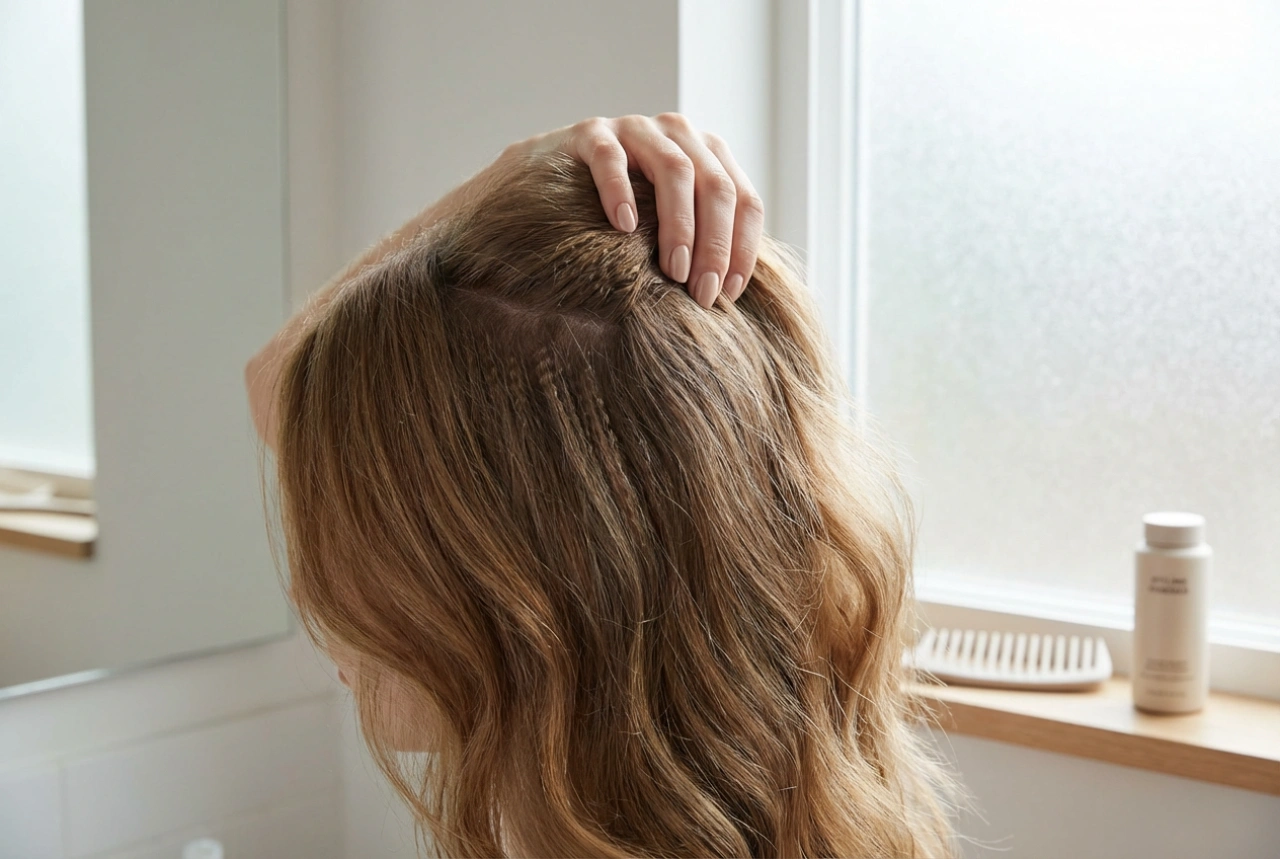
One of the most effective principles in visual styling is the introduction of height at the crown of the head. When hair has natural lift at the top, it immediately draws the eyes upward, creating an elongating effect that balances a rounder facial structure. This can be achieved through subtle, invisible layers cut into the top sections of the hair or by using gentle styling techniques during blow-drying.
To achieve this lift at home without relying on heavy styling products, consider the following methods:
- Blow-dry the hair upside down to encourage the roots to stand away from the scalp.
- Use a large round brush at the crown, lifting the hair sections straight up while applying gentle heat.
- Incorporate a texturising powder or a lightweight root booster on dry hair to maintain natural bounce throughout the day.
By focusing the volume on top and keeping the sides relatively sleek, the overall silhouette becomes more vertical, which naturally slims the appearance of the cheeks and jawline.
Strategic Layering and Face-Framing Techniques
Layering is a fundamental tool for customising a haircut to suit rounder face shapes. However, the placement of these layers is crucial. When layers are cut too short, particularly around the cheeks, they can add unwanted volume to the widest part of the face. Instead, layers should be designed to start below the chin line, guiding the eye downwards and creating an elongated line.
The Long Bob (Lob) with Soft Waves
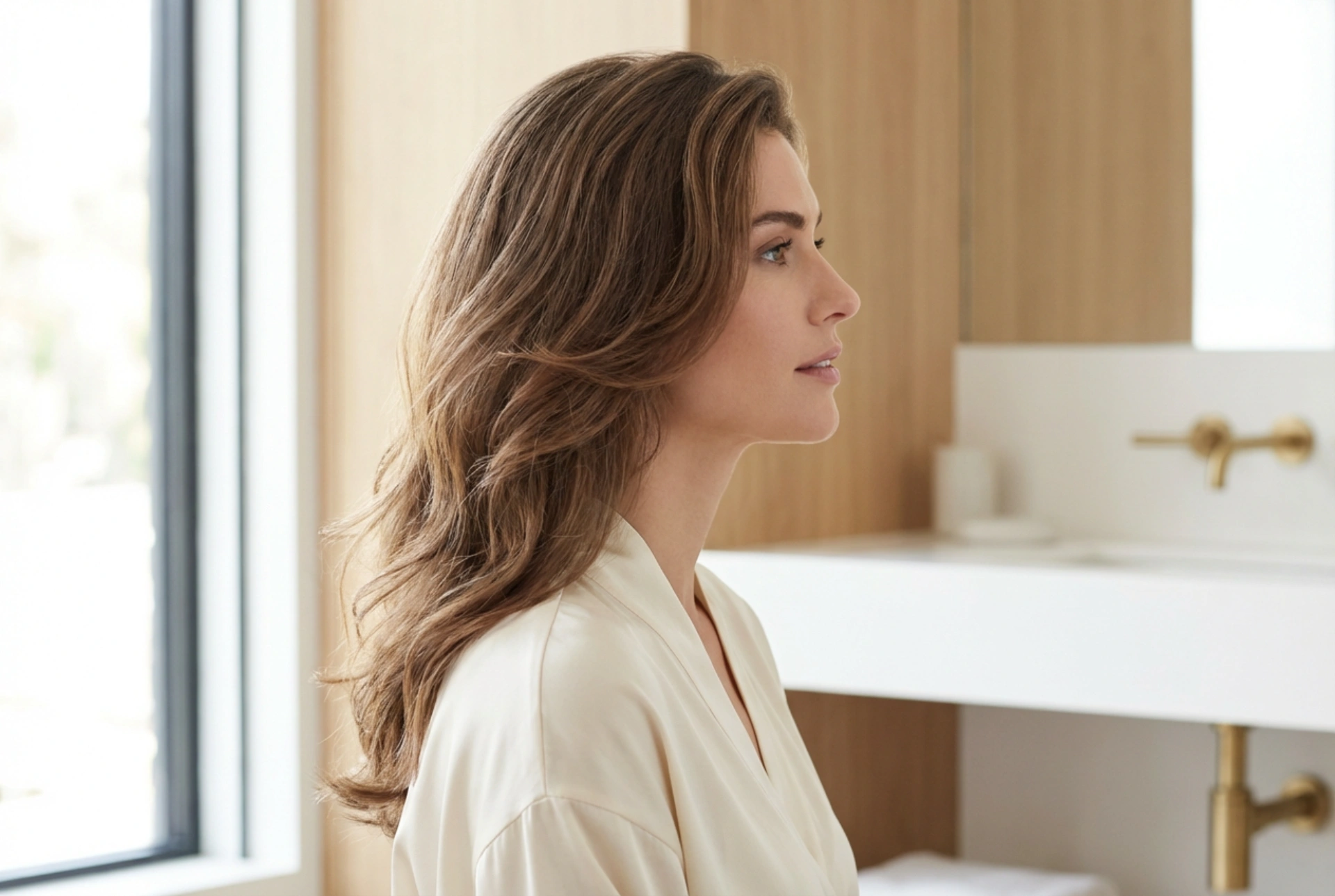
The long bob, or 'lob', remains one of the most flattering cuts for a round face. When cut to collarbone length, it provides a beautiful vertical frame. Adding soft, cascading waves that start below the cheekbones can soften the jawline without adding bulk to the sides of the face. The movement in the hair creates diagonal lines, which naturally break up the roundness of the facial structure.
Shag and Textured Cuts
For those who prefer a more contemporary, effortless look, textured and shag cuts work wonders. The varied lengths throughout the hair create a playful play of light and shadow. This texture distracts from any symmetry in the face, which often emphasises roundness. By keeping the ends textured and light rather than blunt, the haircut feels breezy and dynamic.
Finding the Perfect Length: Balancing Short and Long Styles
There is a common myth that those with round faces must always keep their hair long. While long hair naturally provides vertical lines that help to elongate the profile, short haircuts can be incredibly flattering if structured correctly. The key lies in avoiding blunt cuts that finish exactly at the chin, as this creates a horizontal line that highlights the widest part of the face.
For short hair enthusiasts, an asymmetrical pixie cut with significant height at the crown and closely cropped sides is an excellent option. This cut shifts the focus entirely to the eyes and forehead, creating a chic and modern aesthetic. If you prefer medium to long styles, aim for lengths that fall at least a few inches below the collarbone. This ensures that the hair acts as a vertical frame, drawing the eye down towards the collarbone and shoulders, which naturally elongates the neck and face.
The Influence of Partings and Fringes
The way hair is parted can dramatically alter the perception of face shape. A sharp middle parting can sometimes emphasise symmetry and roundness, whereas asymmetrical lines work to disrupt this pattern and create a more oval silhouette.
The Deep Side Parting
A deep side parting is highly recommended for round faces. By shifting the weight of the hair to one side, you create an asymmetrical frame that elongates the forehead and draws attention diagonally across the face. This simple adjustment can be applied to almost any haircut, from short pixies to long, flowing locks.
Curtain Bangs and Asymmetrical Fringes
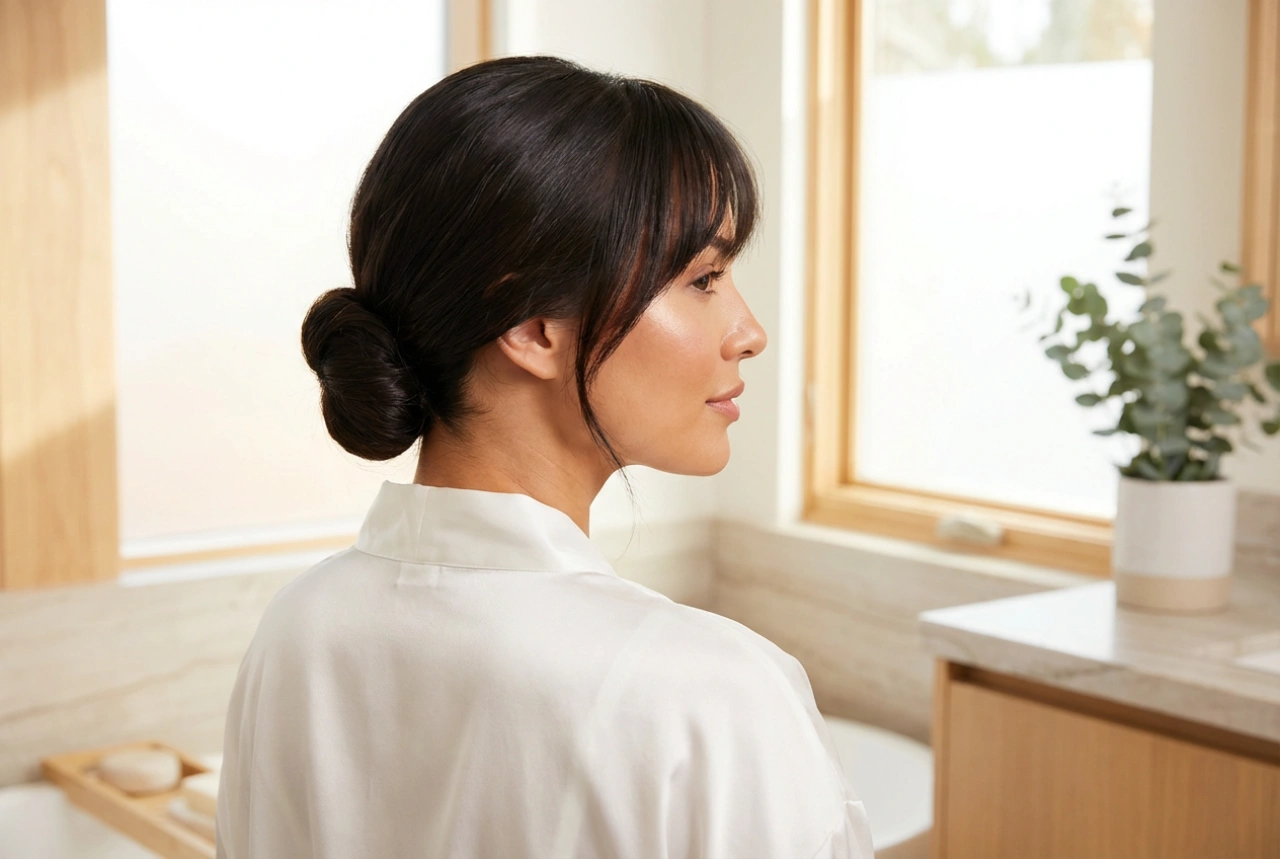
If you prefer having hair on your forehead, a solid, blunt fringe should generally be avoided, as it cuts the face in half horizontally, making it look shorter and wider. Instead, opt for curtain bangs or long, swept asymmetrical fringes. Curtain bangs part in the middle but drape outwards, framing the eyes and cheekbones while leaving the centre of the forehead exposed, which maintains the illusion of length.
Daily Styling Practices for a Slimming Effect
Maintaining a flattering silhouette goes beyond the salon chair; daily styling routines play an important role. When styling at home, focus on creating movement that flows away from the face rather than curling inwards towards the cheeks.
Using a curling wand to create outward-facing waves helps to open up the face, drawing attention to the eyes and brow structure. Keep the hair closest to your ears flat and smooth, as excess volume in this specific area can widen the face. Regular conditioning treatments will keep the hair healthy, ensuring that the layers fall smoothly and create the elegant, clean lines that define a well-structured haircut.