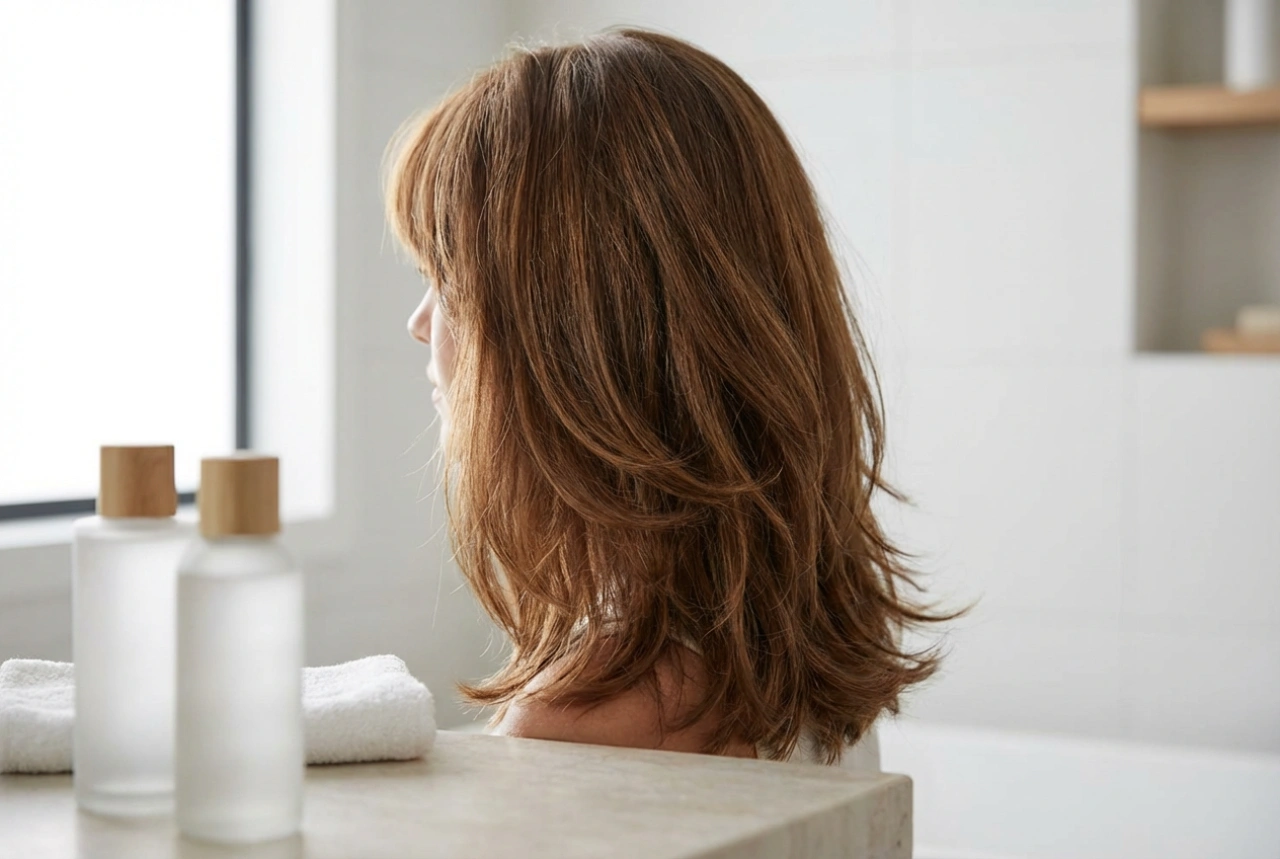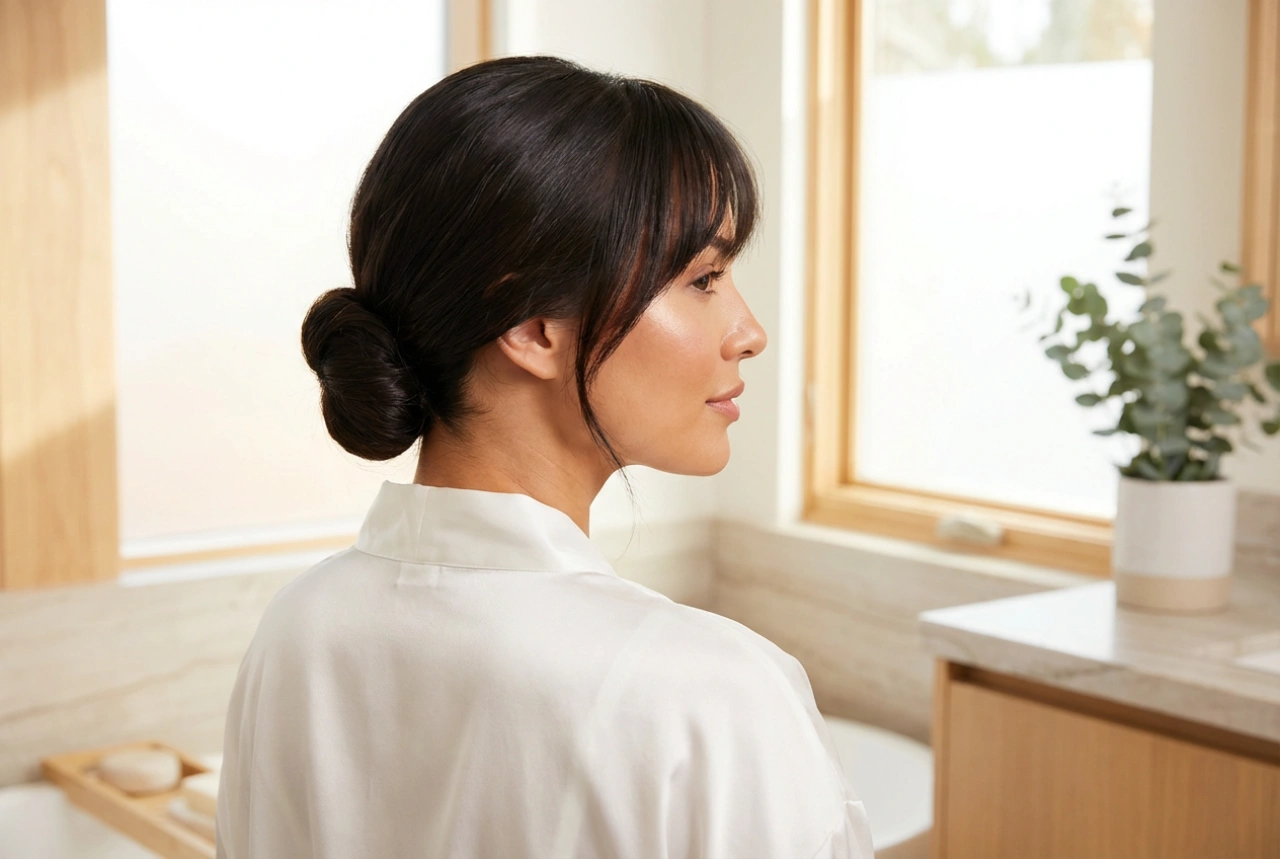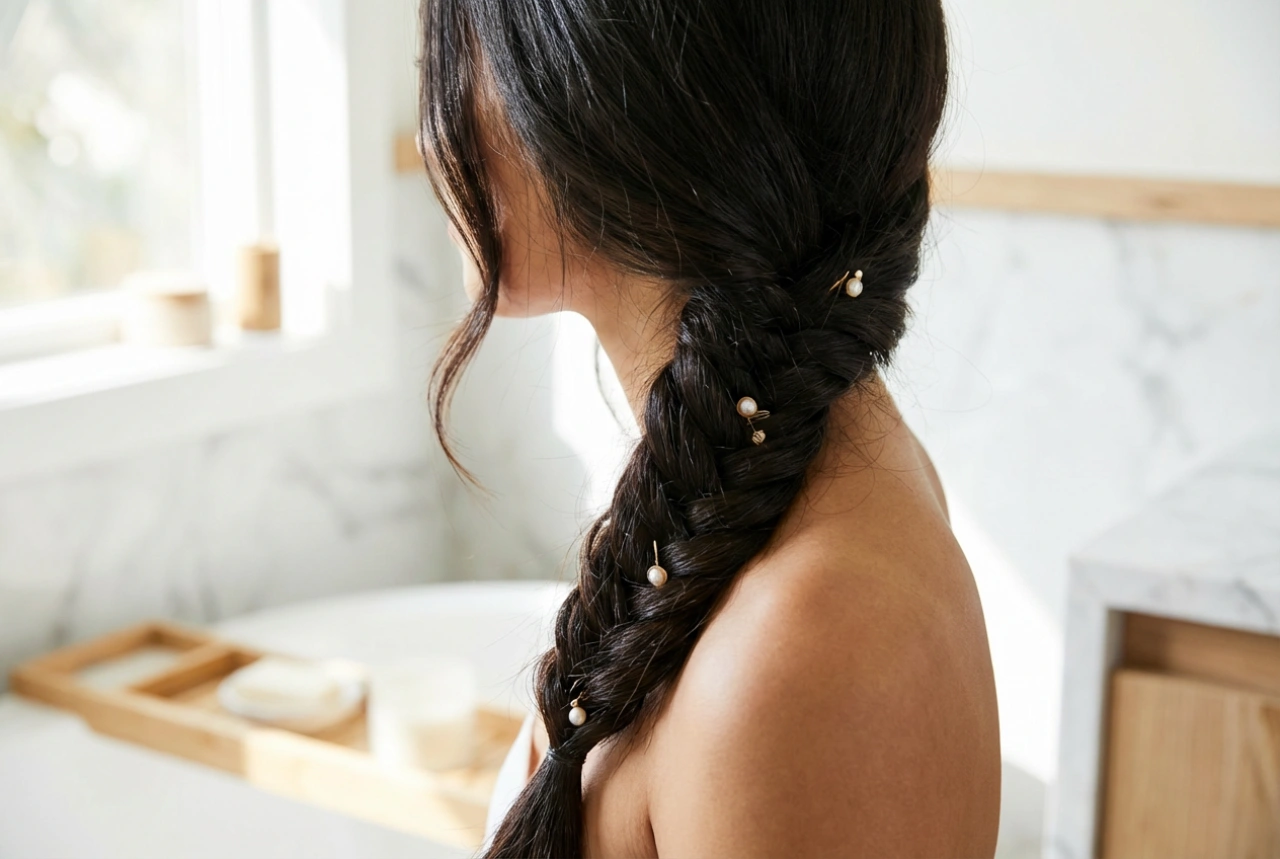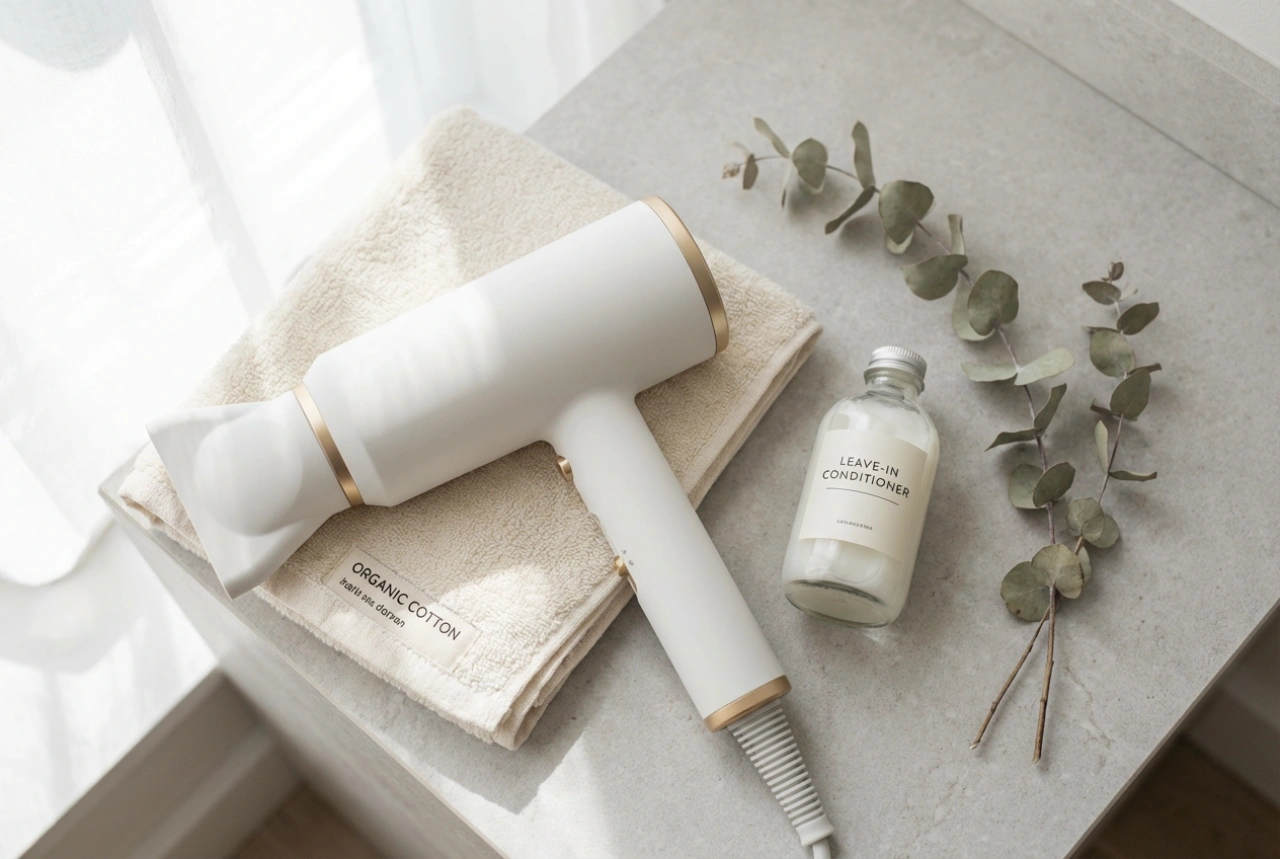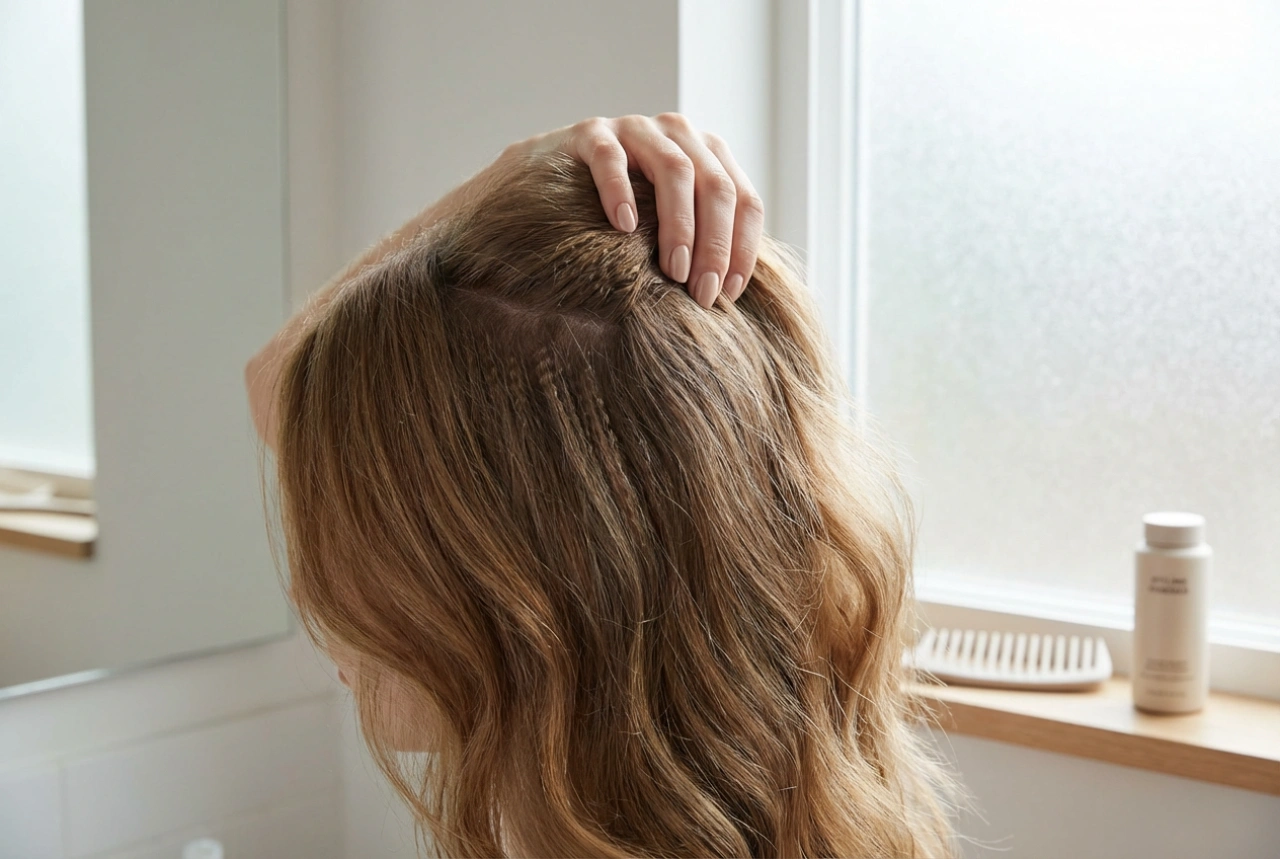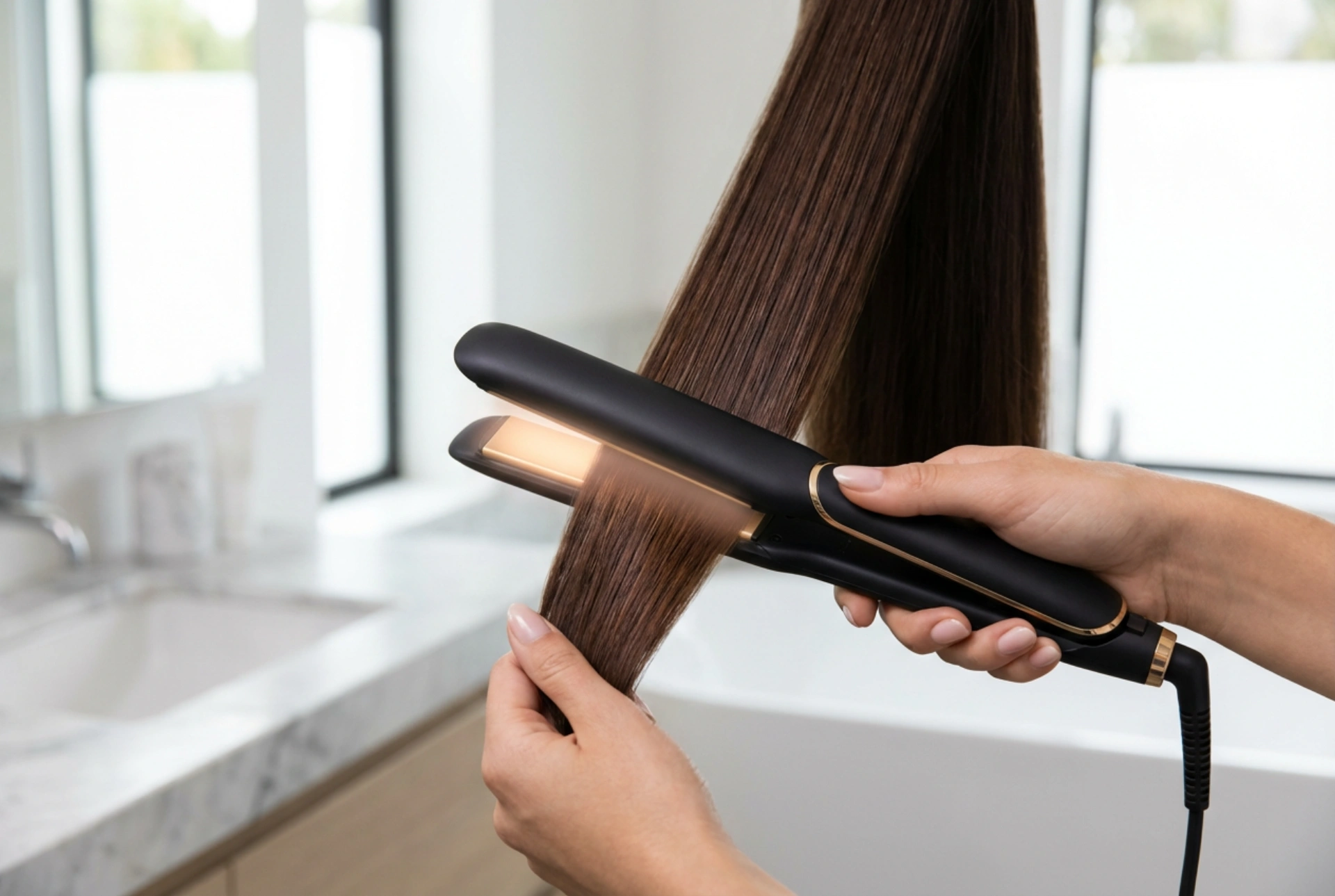


Achieving perfectly straight, glossy hair with a smooth and sleek texture is a goal for many beauty enthusiasts. When we style our hair under warm, diffused light, we want it to look naturally radiant and free from flyaways. However, standard thermal styling can often leave hair looking dry or static. This is where modern styling technology comes to the rescue. A hair straightener with ionisation is one of the most effective tools for maintaining a sleek look without compromising the hair's natural moisture. Understanding how this technology works and how to use it safely at home can completely transform your daily styling routine.
Understanding Ionisation in Hair Styling
To understand why ionisation is so beneficial, it helps to look at the physics of hair. Daily activities like brushing, towel drying, and exposure to wind create positive electrical charges on the hair surface. These positive charges cause the hair cuticles to lift, leading to static, frizz, and a lack of shine. An ionising hair straightener is equipped with a built-in generator that produces millions of negative ions during the styling process. When these negative ions contact the hair, they neutralise the positive charges, instantly smoothing the hair cuticle and locking in natural moisture.
Key Benefits of Using an Ionising Straightener
Using a straightener with an active ionisation function offers several noticeable advantages for hair texture and overall appearance:
- Elimination of Static and Frizz: By neutralising electrical charges, the hair remains flat, smooth, and manageable, even in humid weather conditions.
- Enhanced Natural Shine: When the hair cuticles are sealed and lay flat, they reflect light much more efficiently, giving your hair a beautiful, healthy-looking gloss.
- Moisture Retention: Ionisation breaks down water molecules into smaller droplets, allowing them to be absorbed into the hair shaft during styling. This prevents the hair from drying out completely under high temperatures.
- Softer Texture: Hair styled with negative ions feels noticeably softer and silkier to the touch compared to hair straightened with traditional plates.
How to Correctly Use an Ionising Straightener at Home
To achieve the best results while keeping your hair healthy, it is essential to follow a systematic approach to heat styling. Proper technique ensures that the ionisation technology works to its full potential.
1. Thorough Preparation
Never use a straightener on wet or damp hair unless the device is specifically designed for wet-to-dry styling. Ensure your hair is completely dry. Apply a lightweight heat protectant spray or serum evenly throughout your hair to create an invisible barrier against thermal damage.
2. Temperature Adjustment
Select the correct temperature setting based on your hair type. Fine, delicate, or coloured hair should be styled at lower temperatures (between 130°C and 160°C). Normal hair can handle medium settings (around 180°C), while thick, coarse, or curly hair may require up to 200°C. Ionisation helps protect the hair, but excessive heat can still cause structural damage.
3. Smooth, Controlled Movements
Divide your hair into manageable sections. Start from the lower layers and work your way up. Guide the straightener slowly and steadily from the roots to the ends. Avoid holding the plates in one spot for too long, and try to pass through each section only once to minimise heat exposure.
Maintaining Hair Health Between Styling Sessions
Even with advanced ionisation technology, regular heat styling requires a robust hair care routine. Incorporate nourishing conditioners and hydrating hair masks into your weekly washing schedule. Look for formulations containing natural oils and plant extracts that help restore the hair's lipid barrier. Regular trims are also vital to prevent split ends from travelling up the hair shaft, ensuring your styled hair always looks fresh, healthy, and perfectly polished.