

Achieving that picture-perfect, soft, and touchable hairstyle can feel like a distant dream when you have naturally stiff or coarse hair. This hair type often has a mind of its own, resisting styling efforts and tending towards a rigid, unnatural finish. However, with the right knowledge and techniques, you can work with your hair's texture to create beautiful, flexible styles that last. This guide will walk you through understanding your stiff hair, preparing it properly, and using styling methods that ensure a graceful hold without any unwanted stickiness or a 'helmet' feel.
Understanding the Nature of Stiff Hair
Stiff hair is primarily determined by genetics. It often correlates with having thicker, coarser individual hair strands. The hair's cuticle—the outermost protective layer—can be more tightly packed or robust, making it less pliable than finer hair types. This isn't necessarily a sign of unhealthy hair; in fact, coarse hair can be very strong. The challenge lies in its resistance to being shaped. It's important to distinguish stiff hair from dry or damaged hair. While dryness can contribute to a brittle feeling, naturally stiff hair can be perfectly healthy yet still feel unyielding. The goal isn't to fundamentally change your hair's structure, but to learn how to make it more manageable and responsive to styling.
Preparation is Key: The Right Washing and Conditioning Routine
The foundation of any great hairstyle begins in the shower. For stiff hair, the focus should be on moisture and smoothing, which helps to increase its flexibility.
Choosing Your Cleansers and Conditioners
Opt for shampoo and conditioner formulations labelled as 'moisturising', 'smoothing', or 'hydrating'. These products are designed to soften the hair cuticle and replenish moisture, making the hair more supple. Look for ingredients that help to seal in hydration. When washing, use lukewarm water, as very hot water can strip the hair of its natural oils, leading to more dryness and rigidity. Be gentle and avoid rough scrubbing, which can rough up the cuticle.
The Power of Deep Conditioning
Once a week, treat your hair to a deep conditioning mask or treatment. Applying a rich, intensive mask and leaving it on for 15-20 minutes can make a significant difference in the softness and manageability of stiff hair. This regular boost of intense hydration helps to improve elasticity, making the hair more cooperative during the styling process.
Styling Techniques for Greater Flexibility
How you handle your hair after washing is crucial for achieving a soft, non-sticky hold. Working with the hair while it's in a malleable state and using the right tools and products are essential.
Start with Damp Hair
Styling stiff hair is most effective when it is damp. At this stage, the hair's internal structure is more receptive to being reshaped. After gently towel-blotting your hair to remove excess water, apply your chosen styling products. This allows them to be distributed evenly and to work from the inside out as the hair dries.
Using Heat Tools Wisely
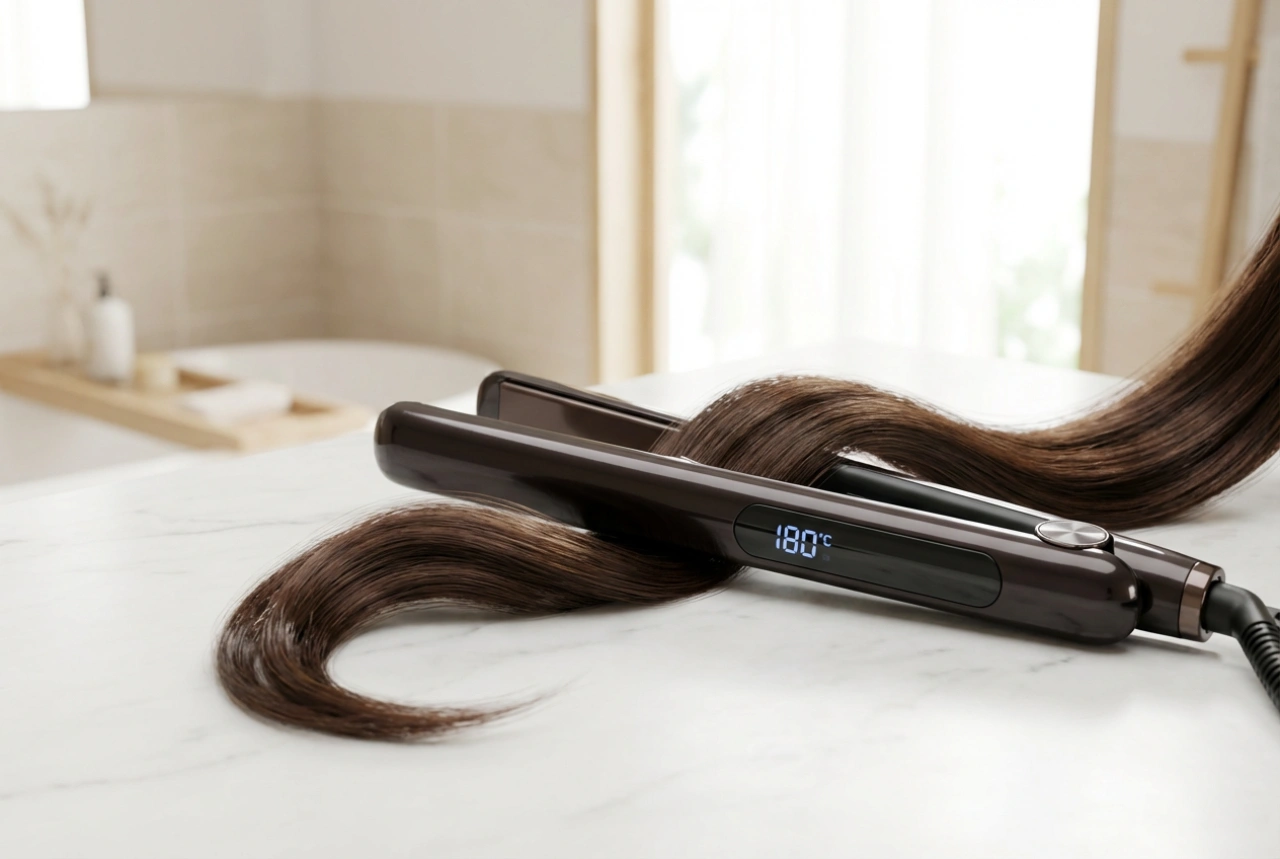
Heat styling is one of the most effective ways to temporarily alter the shape of stiff hair. A blow-dryer with a concentrator nozzle allows you to direct airflow down the hair shaft, which helps to smooth the cuticle and create a sleeker finish. Using a round brush while blow-drying can help to build in shape and bend. Flat irons can also be used to create a smooth look or soft waves. The absolute rule of heat styling is to always use a heat protectant spray to shield your hair from potential damage. Apply it liberally to damp hair before any heat is introduced.
Choosing Hairstyles and Finishing Products
Certain hairstyles are particularly flattering for stiff hair, and the right finishing products will lock in your look without making it rigid.
Hairstyle Suggestions
Some styles work in harmony with the natural structure of stiff hair, while others can help create the illusion of movement.
- Sleek Ponytail or Bun: These classic styles take advantage of your hair's natural smoothness and structure for a polished, sophisticated look.
- Layered Cuts: Introducing long layers can remove some of the bulk and weight, which helps to create movement and reduces the 'blocky' appearance that stiff hair can sometimes have.
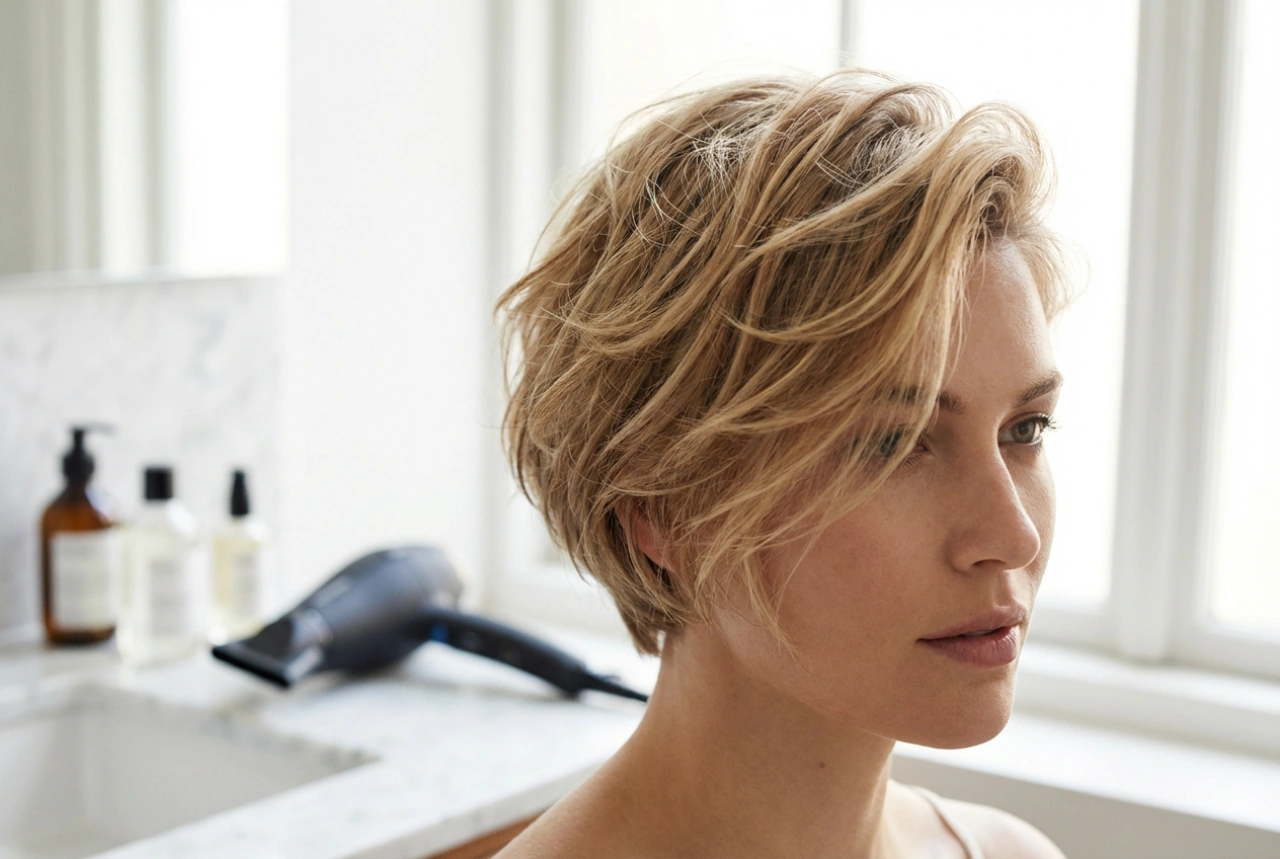
- A-Line or Blunt Bob: The strong, clean lines of a bob cut are beautifully supported by the structure of stiff hair, resulting in a chic and powerful style that holds its shape well.
- Soft, Heat-Styled Waves: Using a curling wand or straightener to create loose waves can introduce a new texture and a softer overall appearance.
Setting Your Style Without the Crunch
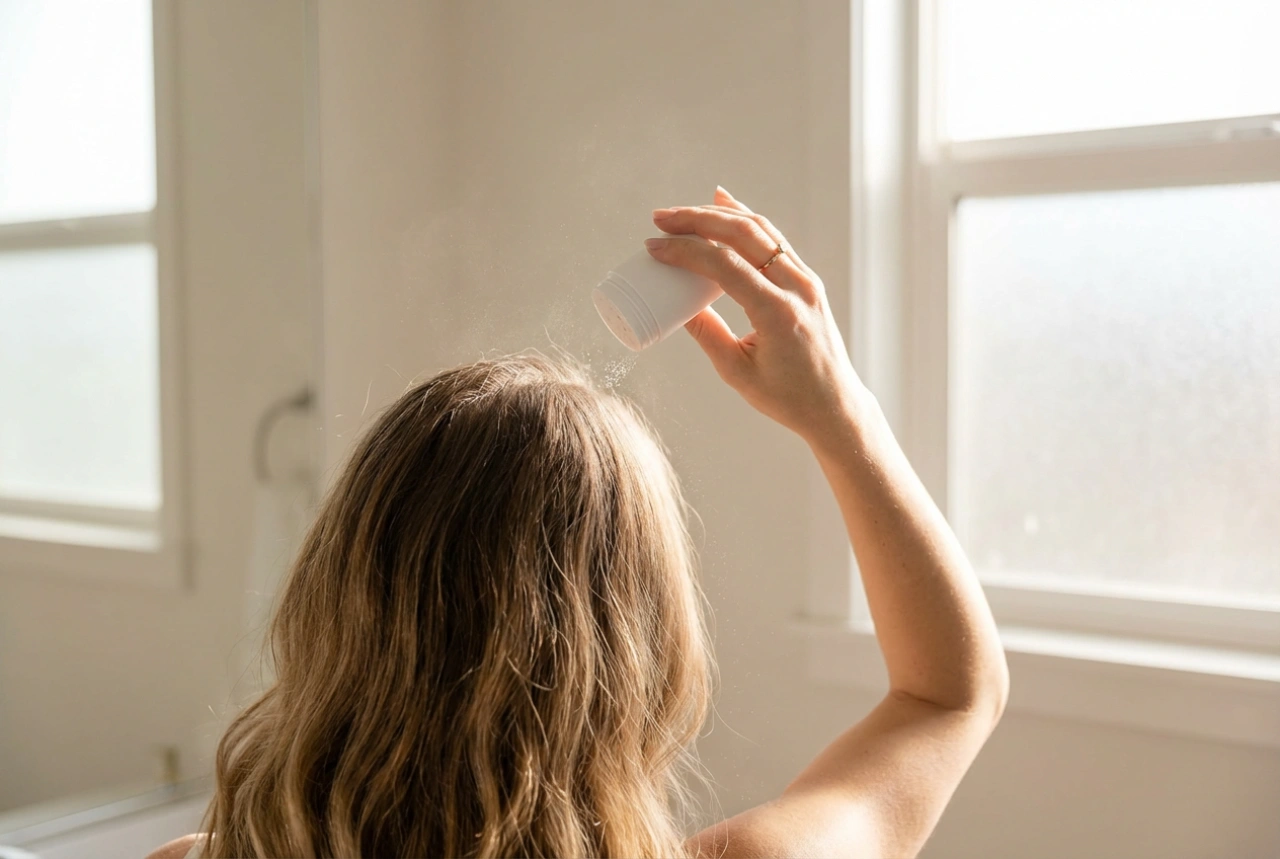
The final step is to set your style. The key is to avoid heavy, sticky products. Look for hairsprays that offer a 'flexible', 'workable', or 'touchable' hold. When applying hairspray, hold the can at least 30 centimetres away from your head and mist it lightly over your hair rather than concentrating it on one spot. For added shine and to break up any slight crispiness from styling products, you can apply a tiny amount of lightweight finishing serum or oil. Warm a single drop between your palms and gently smooth it over the mid-lengths and ends.