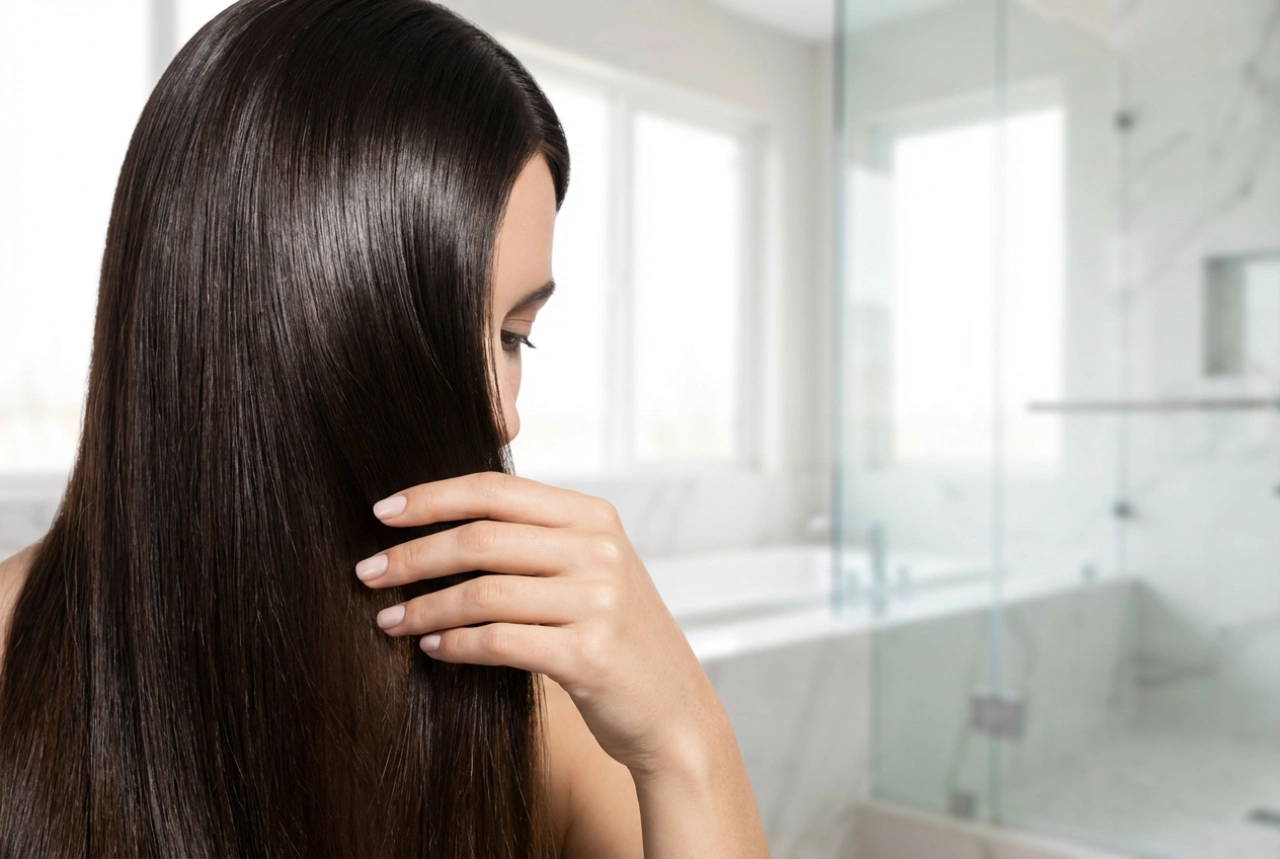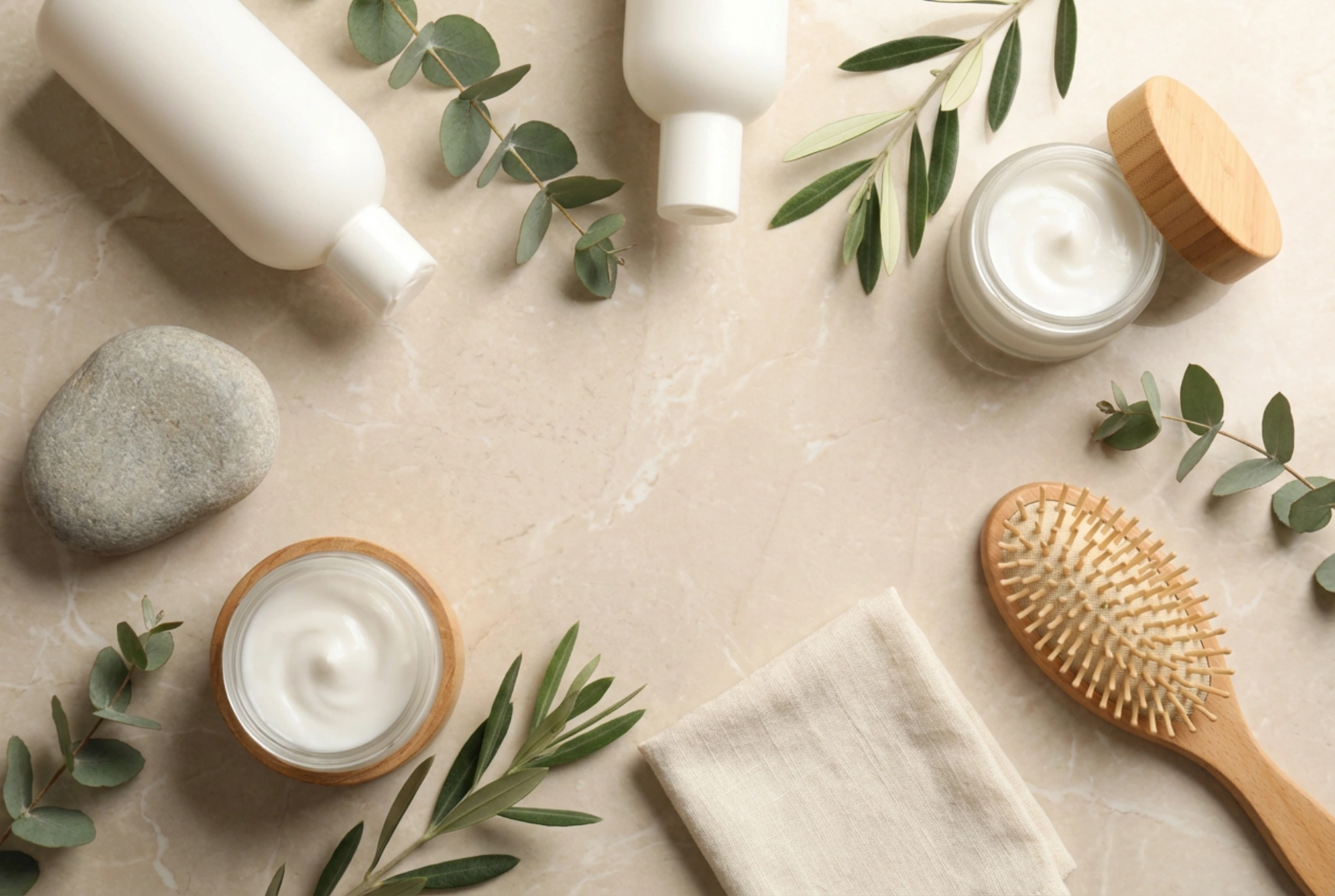


Achieving hair that feels soft, looks shiny, and is easy to manage often comes down to one key concept: balance. In the world of hair care, this balance is frequently discussed in terms of PEH – Proteins, Emollients, and Humectants. Emollients, in particular, play a starring role in smoothing the hair's surface and locking in moisture. Understanding how and when to use an emollient conditioner can transform your routine and help you achieve the healthy-looking hair you desire.
Understanding the PEH Balance
Before diving into emollients, it's essential to grasp the PEH framework. It represents the three main categories of ingredients that work together to keep hair in optimal condition. A successful hair care routine provides a balance of all three, tailored to your hair's specific needs.
- Proteins: These are the building blocks. They work by filling in gaps in the hair's cuticle, strengthening its structure and improving elasticity. Hair that is weak or overly stretchy may need a protein boost.
- Emollients: These are the smoothers. They are oily or fatty substances that create a protective layer over the hair strand, sealing in moisture, reducing frizz, and adding shine.
- Humectants: These are the hydrators. They attract water molecules from the environment into the hair shaft, providing a surge of moisture.
When hair has too much of one and not enough of another, it can become problematic. The goal is to listen to your hair and provide what it needs to find equilibrium.
The Role of Emollients in Hair Care
Emollient conditioners are formulated with ingredients designed to coat the hair shaft. Think of them as a protective finishing layer. Their primary functions are to smooth down the outer cuticle, which prevents moisture from escaping and stops humidity from causing frizz. Common emollients found in conditioners include various plant oils, natural butters, fatty alcohols, and silicones. By creating this smooth, occlusive film, they deliver several key benefits:
- Reduces Frizz and Flyaways: By smoothing the cuticle, emollients create a uniform surface that is less prone to frizz.
- Increases Shine: A smooth surface reflects light better, making hair appear shinier and more vibrant.
- Improves Softness and Manageability: Emollients give hair a silky, slippery feel, which makes detangling much easier and reduces breakage from combing.
- Protects from Moisture Loss: The protective barrier helps to lock in the hydration provided by water and humectants.
When to Reach for an Emollient Conditioner
Knowing when your hair is calling out for emollients is key to effective use. If you're not sure, look for these signs that indicate a need for more smoothing and sealing ingredients:
- Your hair feels rough, dry, or straw-like to the touch.
- It appears dull and lacks natural lustre.
- It is frizzy, puffy, or susceptible to static.
- It tangles very easily, both when wet and dry.
Hair porosity also plays a significant role. High porosity hair, which has a more open cuticle structure, loses moisture quickly and often benefits greatly from regular use of emollients to seal it in. Conversely, low porosity hair has a tightly-bound cuticle and can become weighed down or feel greasy if emollient products are used too heavily or too frequently. For this hair type, lighter emollient formulas or less frequent application is usually best.
Practical Application Techniques
How you apply your emollient conditioner can make a significant difference. The goal is to distribute the product evenly without overloading the roots.
Standard Application
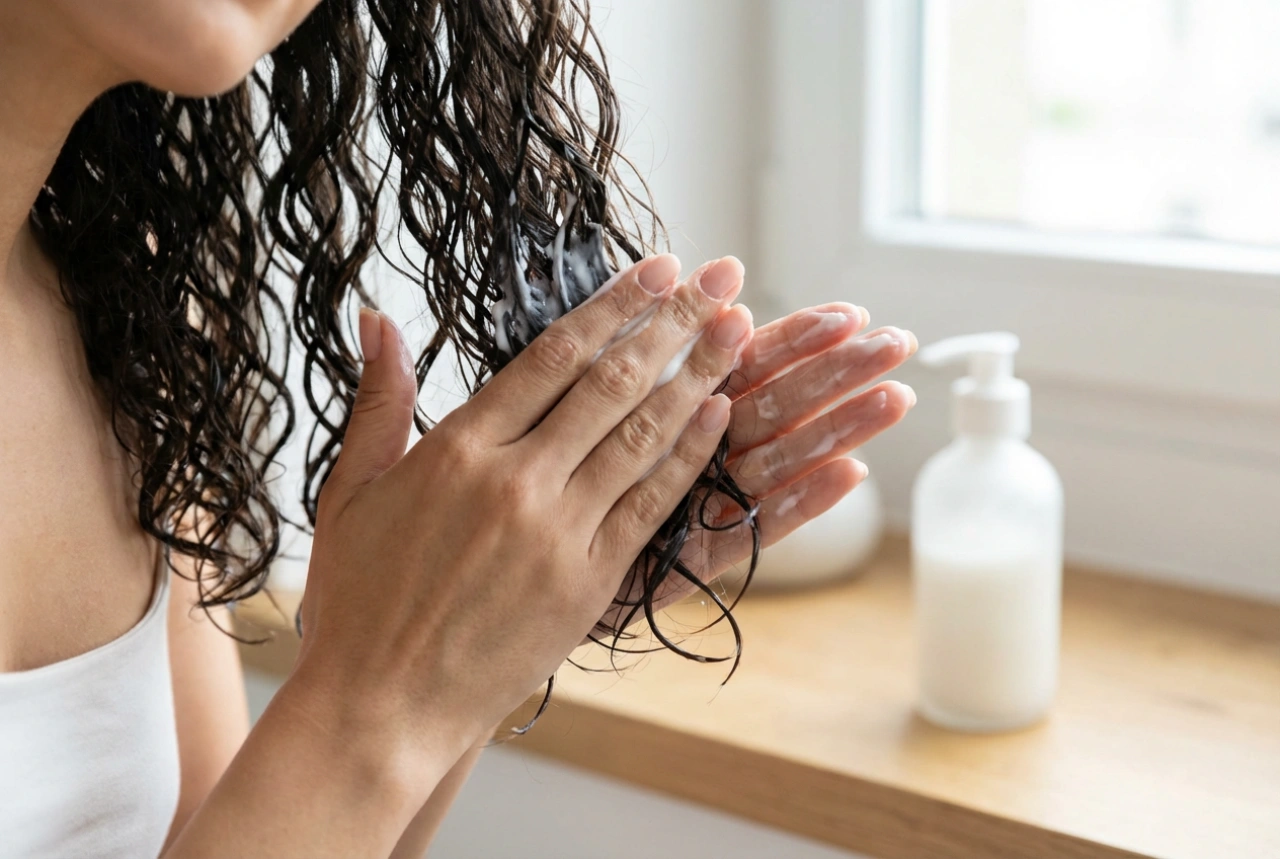
After shampooing, gently squeeze excess water from your hair. Apply the conditioner primarily from the mid-lengths to the ends, as this is the oldest and typically driest part of the hair. Avoid applying a heavy amount directly to the scalp, which can weigh hair down. Leave it on for 3-5 minutes before rinsing thoroughly with lukewarm water.
'Squish to Condish' Method
This technique is popular for enhancing curl patterns but works for all hair types needing extra hydration. With the conditioner in your hair, cup your hands with a small amount of water and gently scrunch your hair upwards towards the scalp. This action helps the hair cuticle absorb both the water and the product more effectively. Rinse lightly or fully, depending on your hair's needs.
As a Final Step
An emollient conditioner is the perfect final step after using a protein or humectant-based treatment. After rinsing out your initial treatment, apply the emollient conditioner to seal the hair cuticle and lock in all the benefits of the previous step, leaving your hair feeling soft and protected.
Integrating Emollients into Your Routine
Finding the right PEH balance is a personal journey of observation. Start by paying attention to how your hair feels and looks after each wash. If you've used a moisturising (humectant) mask and your hair feels a bit frizzy once dry, it might be a sign that you needed an emollient conditioner afterwards to seal in that moisture. If your hair feels weak after clarifying, a protein treatment followed by an emollient conditioner can help restore its strength and softness. By using emollients strategically, you can effectively manage frizz, boost shine, and maintain soft, beautifully conditioned hair.