

Achieving perfectly hydrated, smooth, and shiny hair is a goal for many beauty enthusiasts. A key element in this quest is understanding the delicate balance of hair porosity and the role of specific cosmetic ingredients. Humectants are powerful water-binding agents that can transform dry, dull strands into a lustrous mane. However, without the proper technique, these moisture-attracting ingredients can lead to unwanted frizz, especially in humid environments. Finding the perfect harmony between deep hydration and sleek control is easier than it seems when you understand the science of hair care.
Understanding Humectants and Their Role in Hair Care
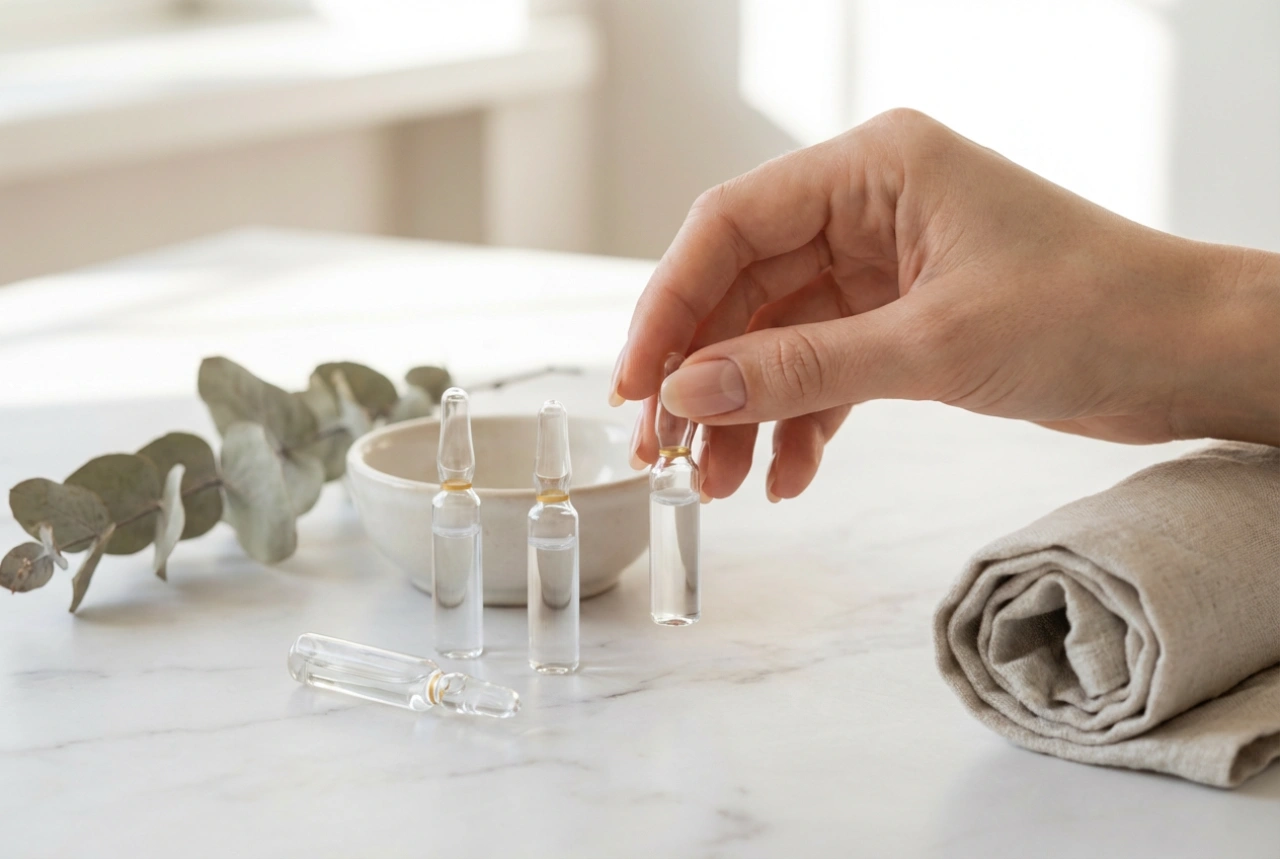
Humectants are substances that attract and retain moisture from the surrounding environment. In hair cosmetics, they play a crucial role in delivering essential hydration to the hair shaft. Common examples of these ingredients include glycerin, hyaluronic acid, aloe vera, panthenol, and honey. When applied to the hair, they bind water molecules, plumping the hair fiber and restoring elasticity. This process is vital for maintaining bounce, softness, and flexibility, preventing the hair from becoming brittle and prone to breakage.
While humectants are highly beneficial, their moisture-attracting nature can be a double-edged sword. In high-humidity conditions, humectants may draw excessive moisture from the air into the hair shaft, causing it to swell and the cuticle to lift. This leads to the classic frizzy appearance. Conversely, in very dry climates, humectants can pull moisture out of the hair and release it into the dry air, leaving the strands parched. Therefore, the key to successful humectant use lies in timing and application technique.
When to Reach for a Humectant Conditioner
Recognising when your hair is craving moisture is the first step toward a successful hair care routine. Hair that lacks hydration often feels dry, rough, and straw-like to the touch. It may look dull, lose its natural curl pattern, or lack volume and bounce. If your hair feels stiff rather than soft and flexible, it is likely in need of a generous dose of humectants.
Ideal Conditions for Humectants:
- Moderate humidity: Humectants work best when there is a balanced amount of moisture in the air.
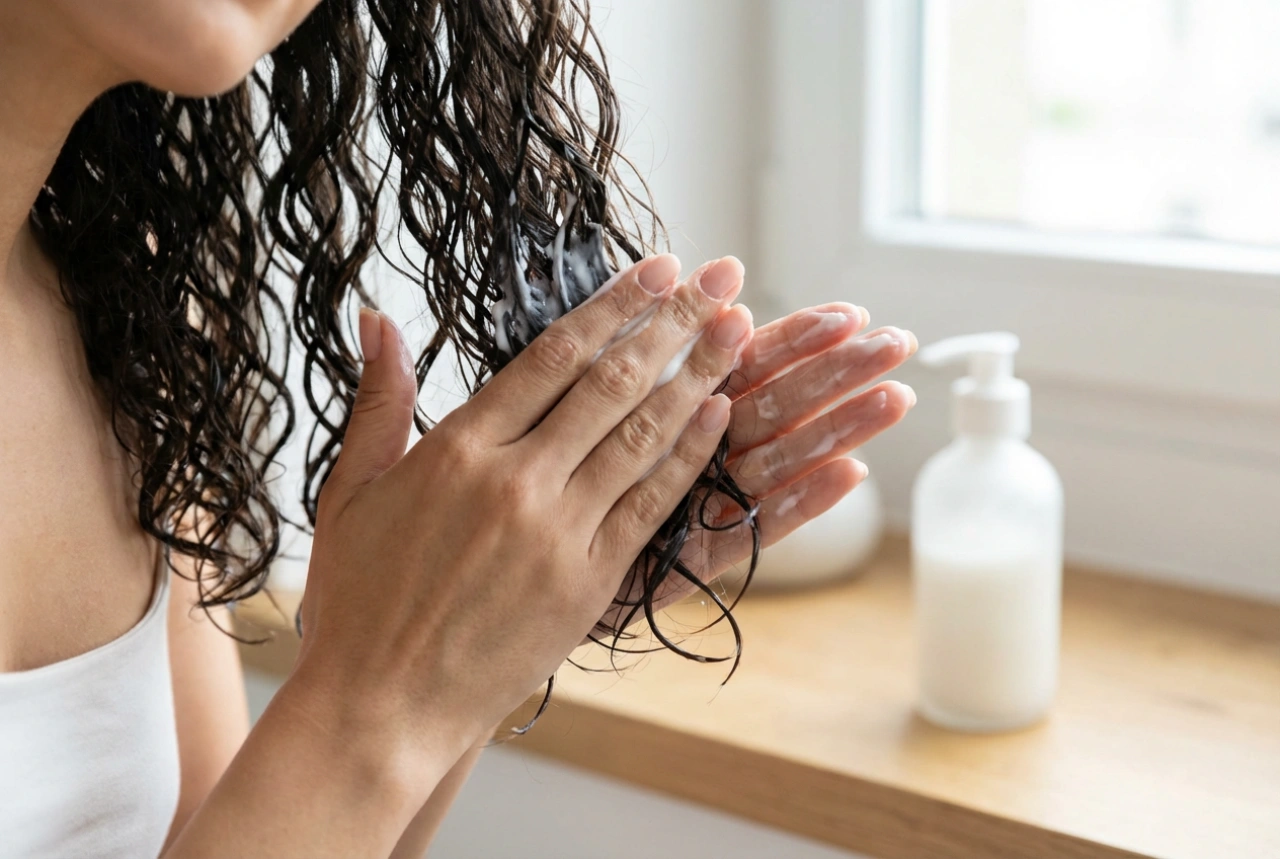
- Post-cleansing: Applying humectants to freshly washed, damp hair allows them to trap the water remaining on the hair surface.
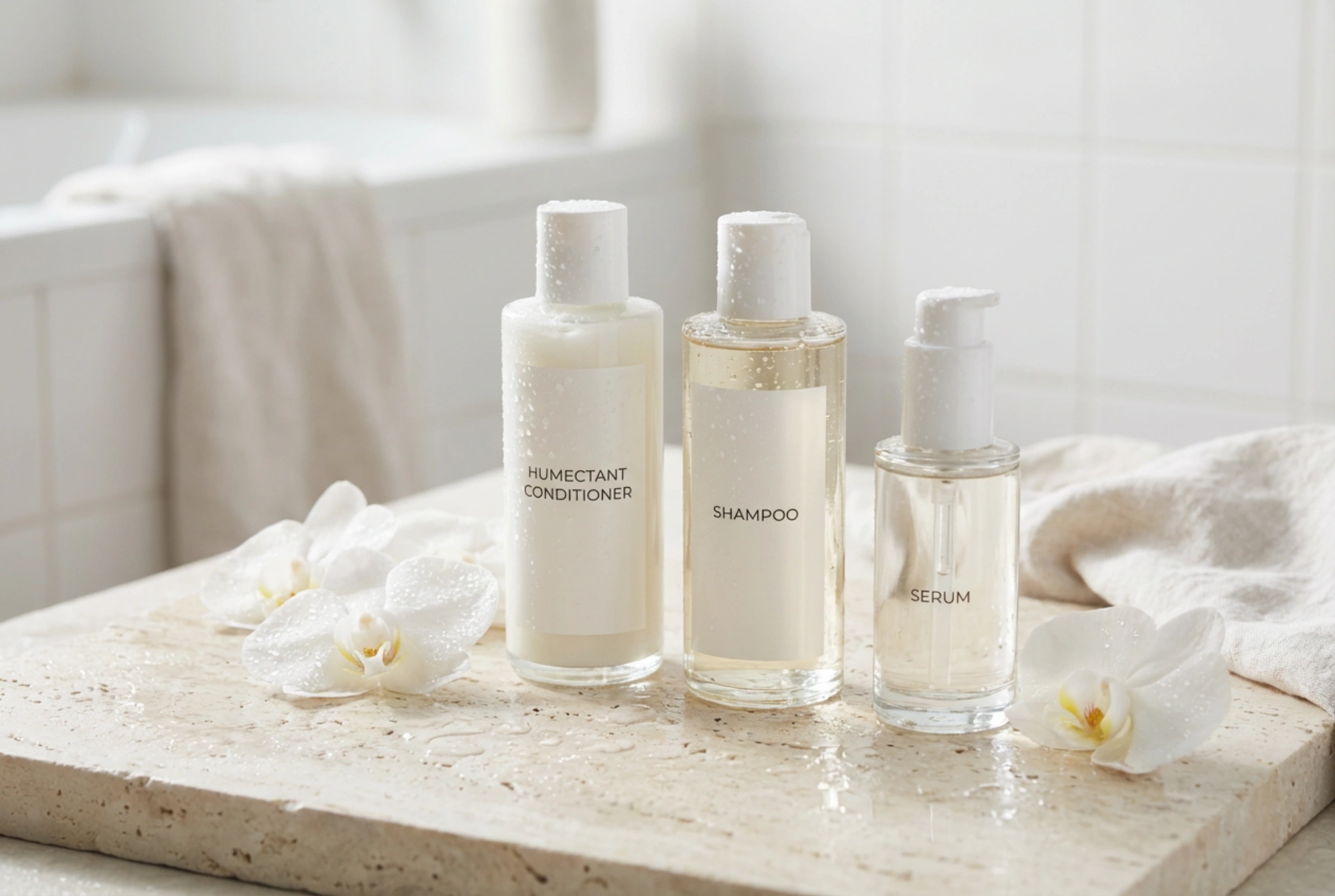
- Under a styling product: Using a humectant conditioner as a base before applying defining creams or gels helps lock in the moisture.
The Art of Sealing: How to Prevent Frizz
To enjoy the benefits of humectants without the dreaded frizz, you must master the art of sealing. Sealing is the process of applying an occlusive layer over the hydrated hair shaft to lock in the moisture and prevent it from escaping or absorbing excess environmental humidity. This is typically achieved using emollients, which are rich in plant oils, natural butters, or safe cosmetic silicones.
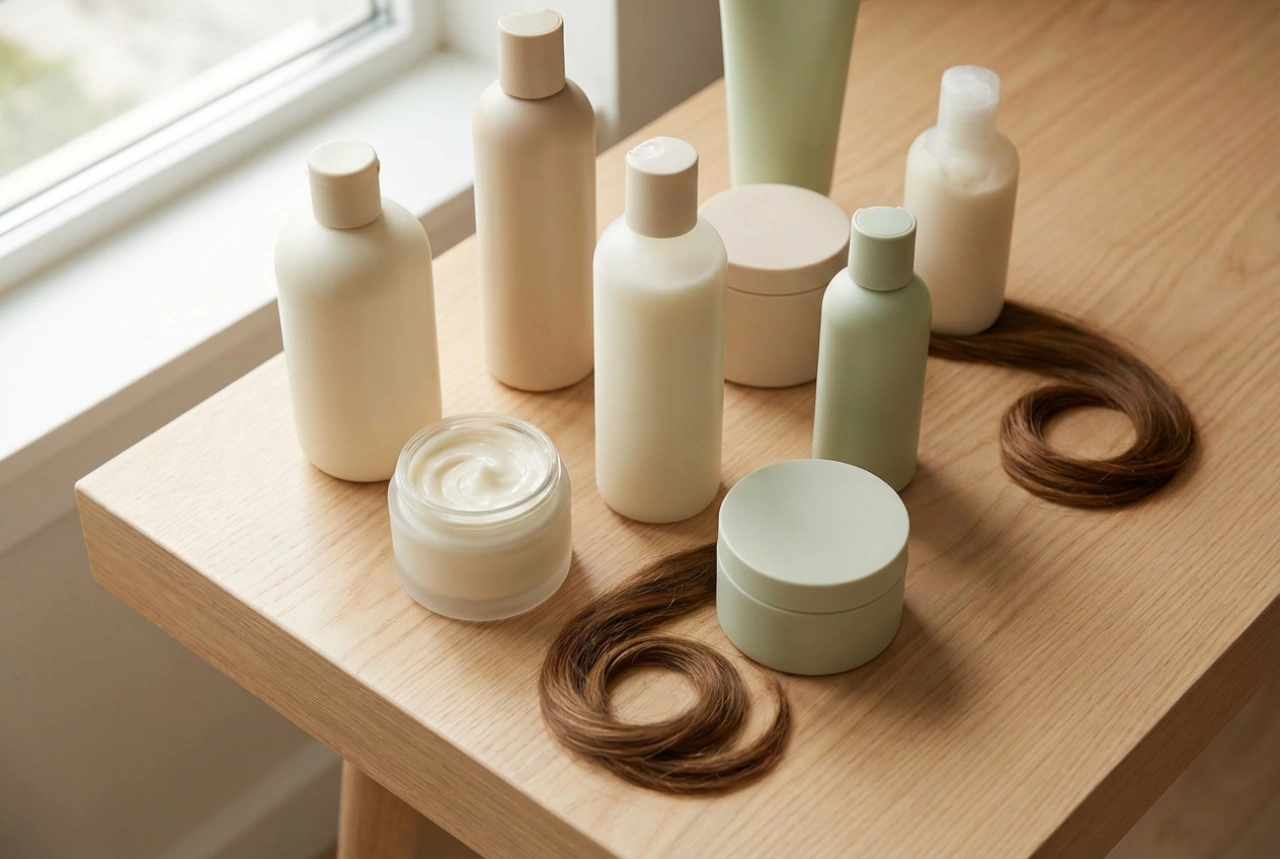
After rinsing out your humectant conditioner, or while applying a leave-in version, follow up with an emollient-rich product. This creates a protective barrier on the hair surface, smoothing down the cuticles and keeping the inner moisture stable. Popular emollients for sealing include argan oil, jojoba oil, shea butter, and light conditioning creams. By layering these products correctly, you ensure that the hydration remains locked inside the hair, resulting in a smooth, shiny, and frizz-free finish.
Creating a Balanced Hair Care Routine
For long-term hair health, it is essential to balance humectants with other key cosmetic elements, namely emollients and proteins. This approach, often referred to as the PEH (Proteins, Emollients, Humectants) balance, ensures that the hair receives comprehensive care. While humectants provide hydration, proteins rebuild and strengthen the hair structure, and emollients protect and soften the outer layer. Paying attention to how your hair reacts to different weather conditions and product combinations will help you fine-tune your routine for consistently beautiful results.