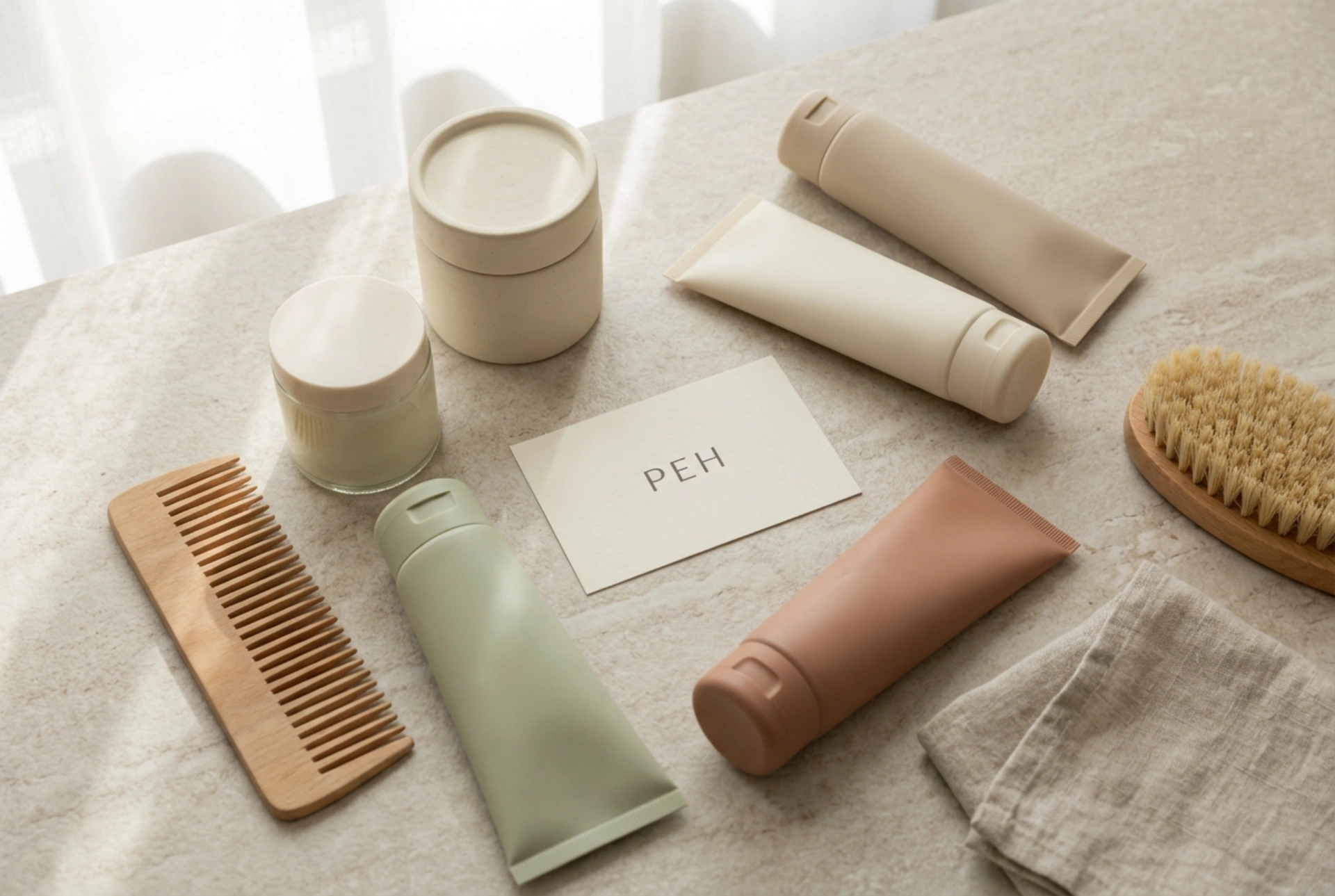


Achieving healthy, shiny, and resilient hair often requires more than just a quick wash-and-condition routine. Dedicated treatments like hair masks play a vital role in deeply nourishing the hair shaft. To get the most out of these rich formulas, many beauty enthusiasts turn to the PEH balance method. This approach categorises hair needs into three fundamental pillars: proteins, emollients, and humectants. By understanding how hair masks fit into this framework, you can tailor your hair care ritual to address your specific concerns, whether you are dealing with dryness, frizz, or dullness.
Understanding the PEH Balance in Hair Care
The PEH philosophy is based on providing the hair with the right ratio of three essential ingredient groups. When these elements are in balance, hair looks smooth, glossy, and full of life. However, an excess or deficiency in any of these categories can lead to common issues like stiffness, tangling, or limpness.
- Proteins: These are the building blocks of hair. They temporarily fill in micro-damage along the hair cuticle, restoring structure, bounce, and elasticity.
- Emollients: These substances create a protective barrier on the hair surface. They lock in moisture, prevent water loss, and leave the hair feeling silky, soft, and easy to detangle.
- Humectants: These are hygroscopic molecules that attract and bind water from the environment into the hair shaft, providing essential hydration.
How to Identify Mask Types by Their Ingredients
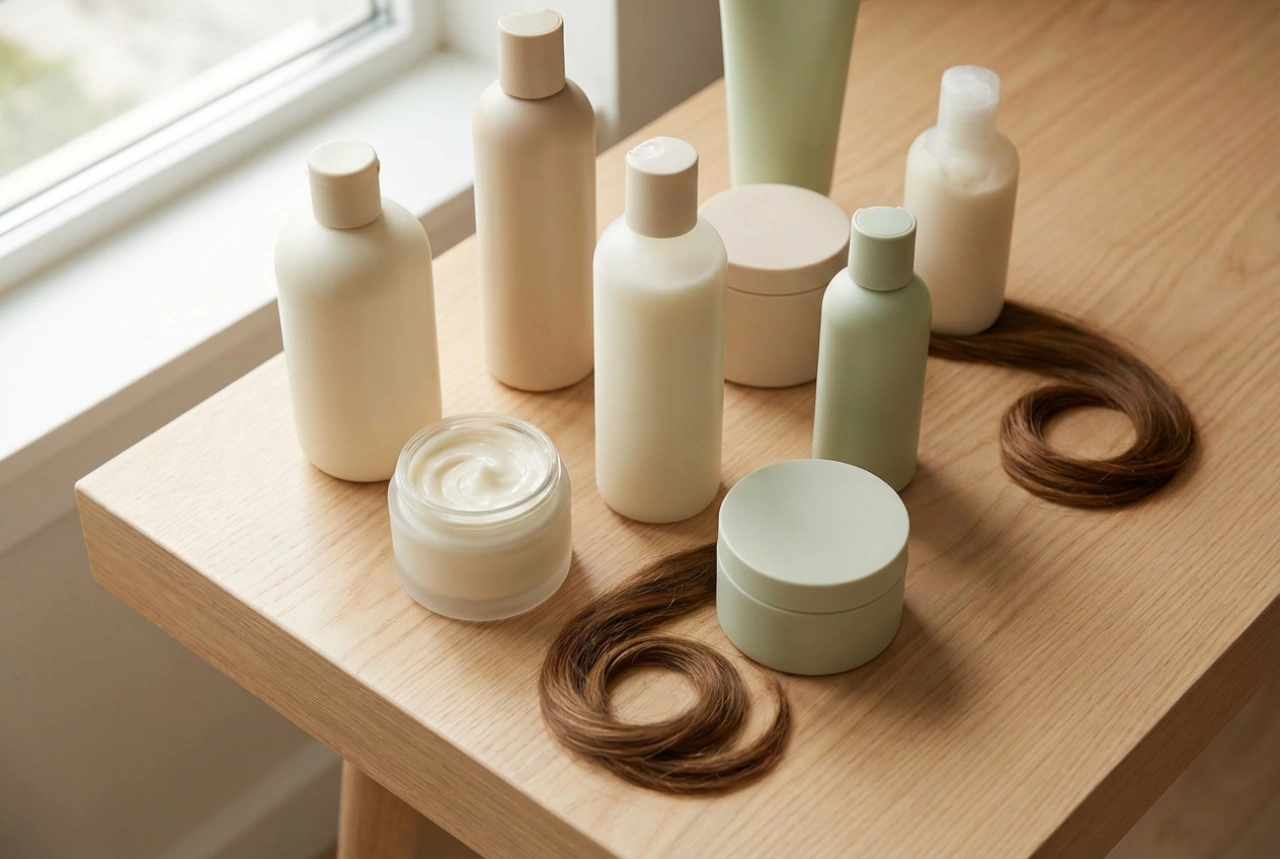
To successfully integrate hair masks into your PEH routine, you must learn to read the ingredient lists to identify which pillar a specific mask supports. Most high-quality formulas contain a combination of ingredients, but one group usually dominates the formulation.
Protein-Rich Masks
Look for ingredients such as hydrolysed wheat protein, hydrolysed silk, keratin, collagen, and vegetable proteins like soy or oat extracts. These masks are ideal when hair feels overly soft, stretchy, lifeless, or has undergone heat styling.
Emollient-Dominant Masks
These formulas are rich in plant oils (such as argan oil, sweet almond oil, avocado oil, or shea butter), fatty alcohols (like cetyl alcohol or cetearyl alcohol), and natural waxes. Emollient masks are perfect for dry, frizzy, high-porosity hair that needs smoothing and weight.
Humectant-Boosting Masks
Key ingredients include aloe vera juice, glycerin, hyaluronic acid, panthenol (provitamin B5), honey, and urea. Humectant masks are excellent for dehydrated, dull hair that feels rough to the touch, especially in humid or very dry weather conditions.
Integrating Hair Masks into Your Weekly Routine
Using a hair mask effectively requires more than just applying it randomly. A structured approach ensures your hair receives exactly what it needs without becoming weighed down or over-processed.
First, evaluate your hair's current condition. If your hair is frizzy and dry, it likely needs a boost of humectants followed by emollients to seal that moisture in. If your hair is limp and refuses to hold a curl, a protein treatment may be required. Generally, a balanced weekly routine might include one protein mask, one humectant mask, and two emollient treatments, depending on your washing frequency.
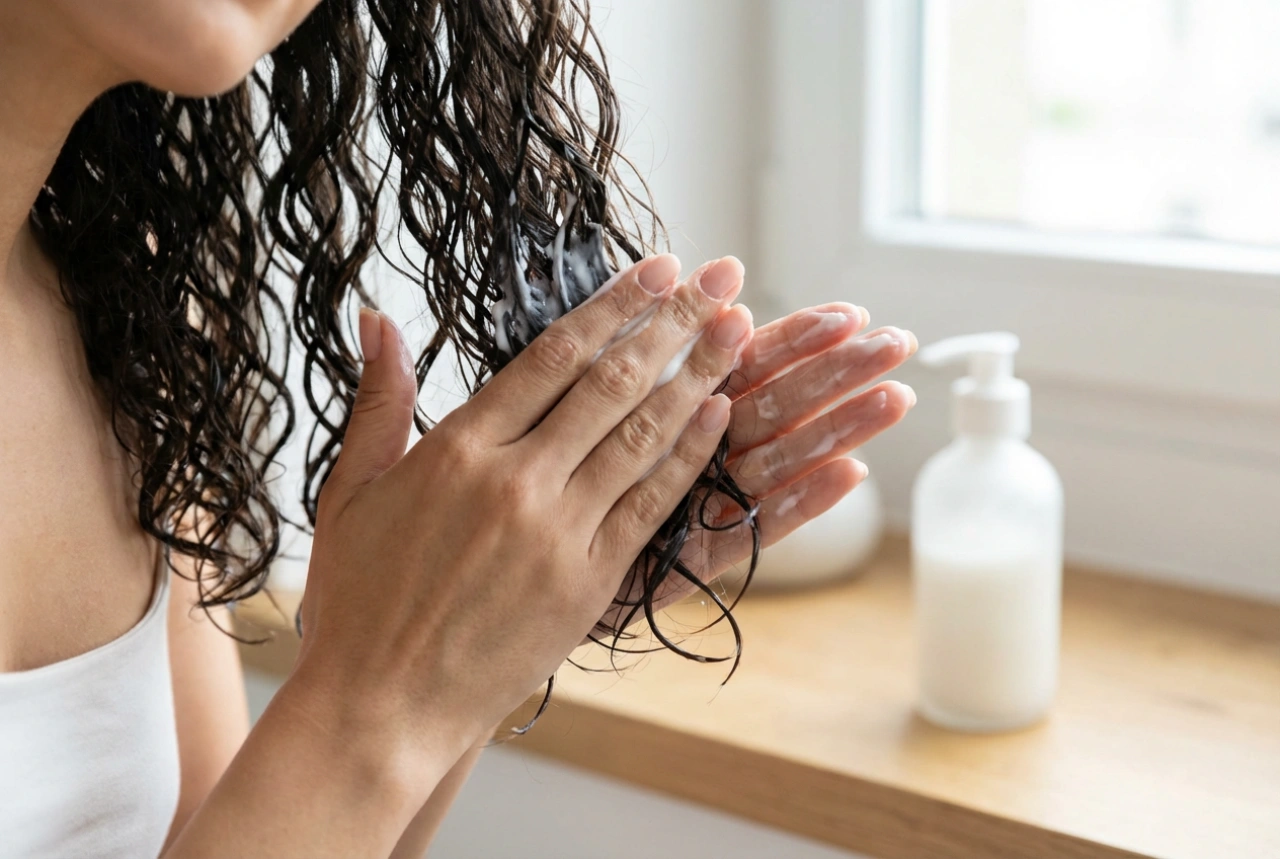
When applying a mask, always start with freshly washed, towel-dried hair. Excess water can dilute the product, preventing it from absorbing effectively. Gently work the mask through the mid-lengths to the ends, avoiding the scalp to prevent oiliness. Leave the treatment on for the duration recommended on the packaging, usually between 10 to 20 minutes, then rinse thoroughly with lukewarm water.
Tips for Maximising Your Hair Mask Benefits
To elevate your home care routine, consider introducing gentle warmth. Wrapping your hair in a warm, damp towel or a soft microfibre cap while the mask is active can help open the hair cuticle slightly, allowing the nourishing ingredients to penetrate deeper. Additionally, remember to always seal in humectant masks with a light emollient conditioner or hair oil to prevent the attracted moisture from evaporating, leaving your hair beautifully balanced and protected.