

Achieving sleek, nourished, and healthy-looking hair often begins with one fundamental step: proper hydration. Just as our skin needs moisture to stay supple, our hair requires it to maintain its elasticity, shine, and strength. A high-quality hydrating conditioner is a cornerstone of any effective hair care routine, working to replenish moisture lost during washing and daily exposure to environmental stressors. Understanding how to use it correctly can transform your hair from dull and dry to soft and vibrant.
Why is Hair Hydration So Important?
Hair becomes dry and brittle when its outer layer, the cuticle, is raised and damaged. This allows moisture to escape easily, leaving the hair looking frizzy and feeling rough. Several factors contribute to this, including heat styling, sun exposure, chemical treatments, and even the type of water in your area. Well-hydrated hair, on the other hand, has a smooth, sealed cuticle that reflects light, giving it a natural lustre. Proper hydration provides numerous benefits:
- Increased Elasticity: Moisturized hair can stretch without snapping, leading to less breakage during brushing and styling.
- Reduced Frizz: A sealed cuticle prevents excess atmospheric moisture from entering the hair shaft, which is a primary cause of frizz.
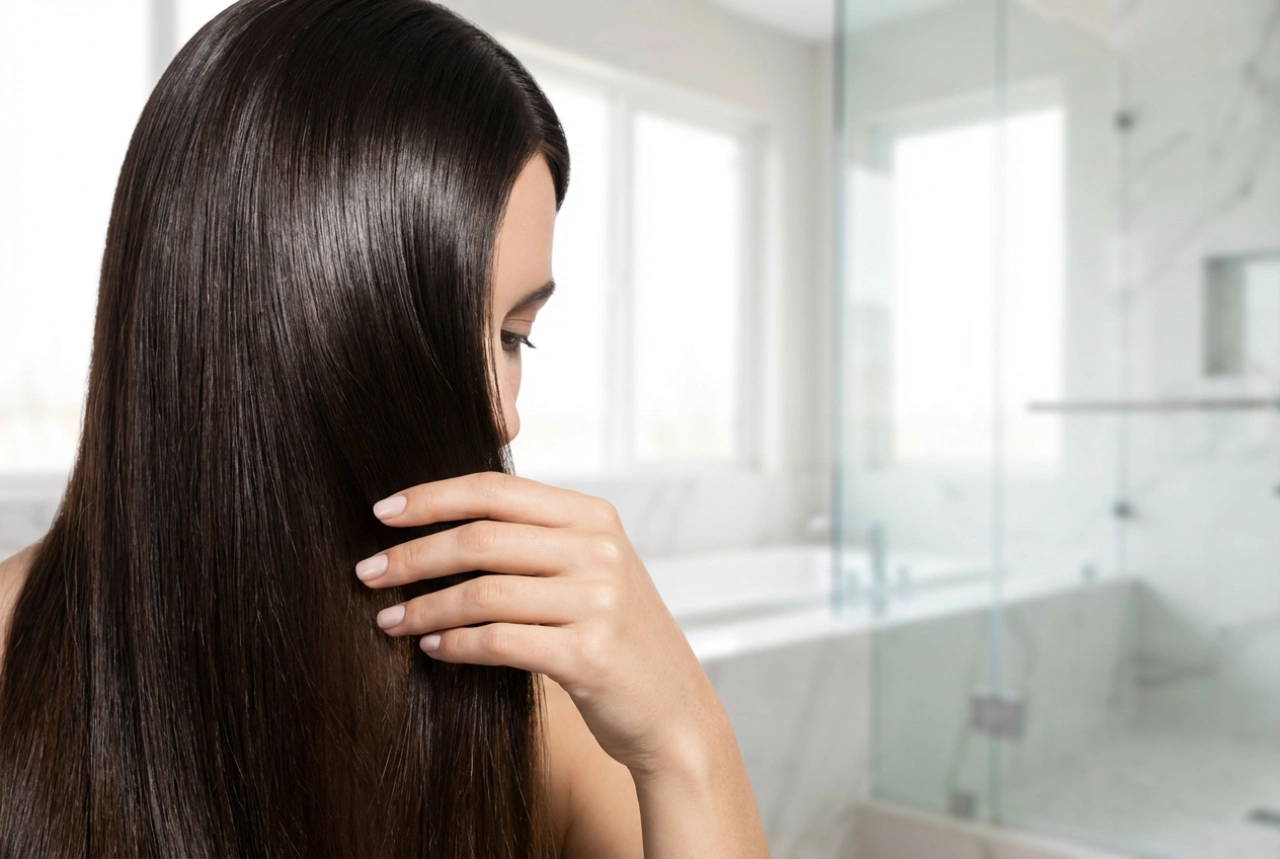
- Enhanced Shine: A smooth hair surface reflects light evenly, resulting in a glossy, healthy appearance.
- Improved Manageability: Hydrated hair is softer and less prone to tangling, making it easier to comb and style.
Understanding the Components of a Hydrating Conditioner
Not all conditioners are created equal. Those specifically formulated for hydration contain ingredients designed to attract, retain, and seal in moisture. These ingredients generally fall into three categories, each playing a distinct role in nourishing the hair.
1. Humectants
These are ingredients that attract water molecules from the surrounding environment and bind them to the hair shaft. They act like magnets for moisture, helping to infuse the hair with the hydration it needs. This action helps to plump up the hair strand from the inside out.
2. Emollients
Emollients work by filling in the gaps and cracks in the hair's cuticle layer. Often derived from plant-based oils and butters, they smooth the surface of the hair, making it feel softer and silkier to the touch. This smoothing effect also helps to reduce friction between strands, minimising tangles and breakage.
3. Occlusives
After humectants have drawn moisture into the hair and emollients have smoothed its surface, occlusives come in to lock it all in. They form a thin, protective barrier over the hair shaft, preventing the moisture from evaporating. This sealing action is crucial for long-lasting hydration, especially for porous or damaged hair.
How to Use a Hydrating Conditioner for Maximum Effect
The effectiveness of your conditioner depends heavily on your application technique. Following a few simple steps can ensure you get the most out of every use.
Step 1: Start with a Clean Base
Always apply conditioner to freshly washed hair. Shampooing removes dirt, oil, and product build-up, allowing the conditioning ingredients to penetrate the hair shaft more effectively. Use a gentle shampoo and focus on cleansing the scalp.
Step 2: Remove Excess Water
After rinsing out your shampoo, gently squeeze the excess water from your hair. You can also blot it lightly with a towel. Applying conditioner to soaking wet hair dilutes the product and reduces its effectiveness, as it can simply slide off without being absorbed.
Step 3: Apply Strategically
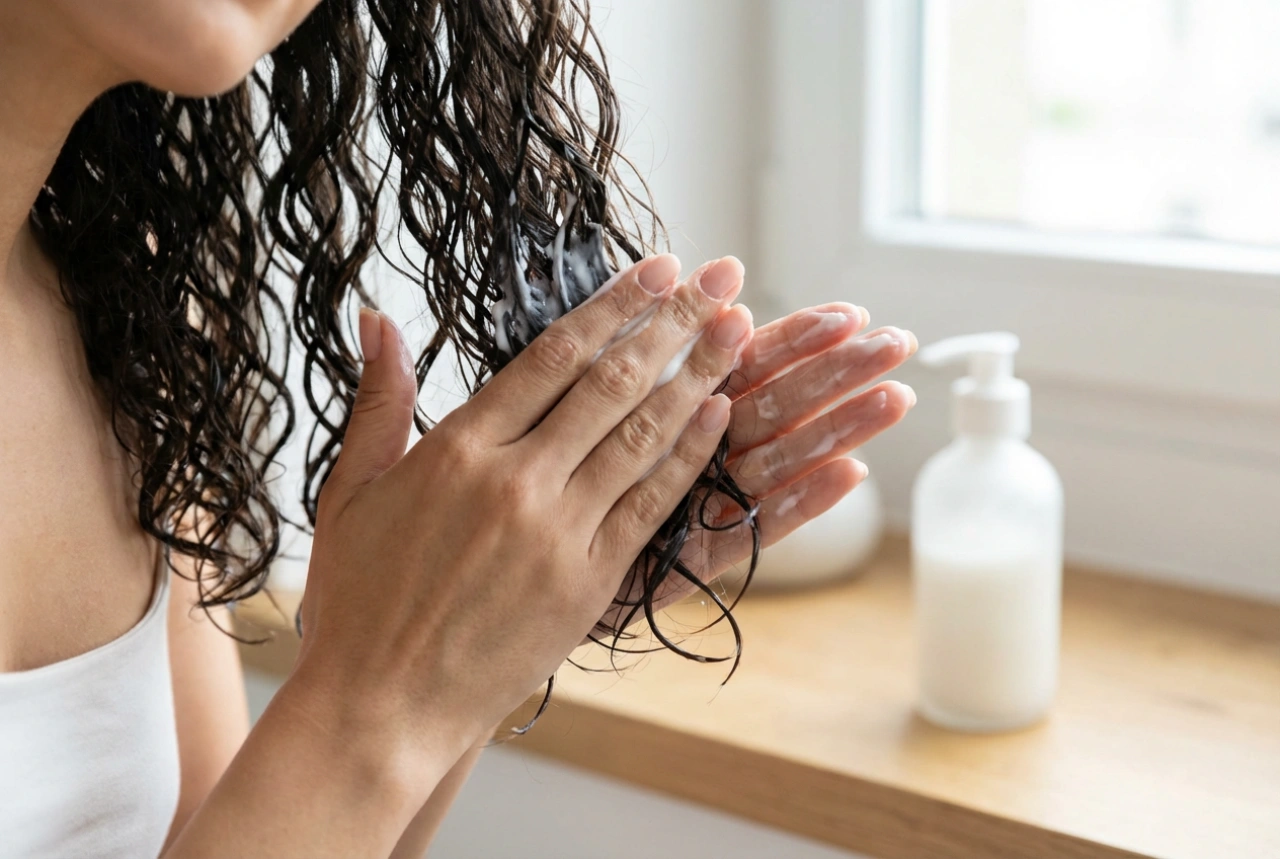
Dispense a suitable amount of conditioner into your palm. The amount will depend on your hair's length and thickness. Focus the application on the mid-lengths and ends of your hair, as these are the oldest and most damage-prone parts. Avoid applying a heavy amount directly to the scalp, as this can weigh down the roots and lead to build-up.
Step 4: Allow Time for Absorption
Patience is key. Leave the conditioner on for at least 2-3 minutes, or as directed on the product label. This waiting period gives the active ingredients time to penetrate the hair cuticle and work their magic. For a deeper conditioning effect, you can leave it on for up to 5-10 minutes.
Step 5: Rinse Thoroughly with Cool Water
Rinse the conditioner out completely using lukewarm or cool water. Hot water can lift the hair cuticle, while cooler water helps to seal it shut, locking in the moisture and enhancing shine. Ensure no residue is left behind, as this can make hair feel heavy or greasy.
Extra Tips for Healthy, Hydrated Hair
To complement your conditioning routine, consider incorporating a few other healthy habits. Use a wide-tooth comb to gently detangle your hair while the conditioner is in it, which minimises breakage. Once a week, you might swap your regular conditioner for a more intensive deep conditioning mask for an extra boost of moisture. Finally, remember that overall hair health is also influenced by internal factors. A balanced diet and staying well-hydrated by drinking plenty of water contribute significantly to the strength and appearance of your hair from the inside out.