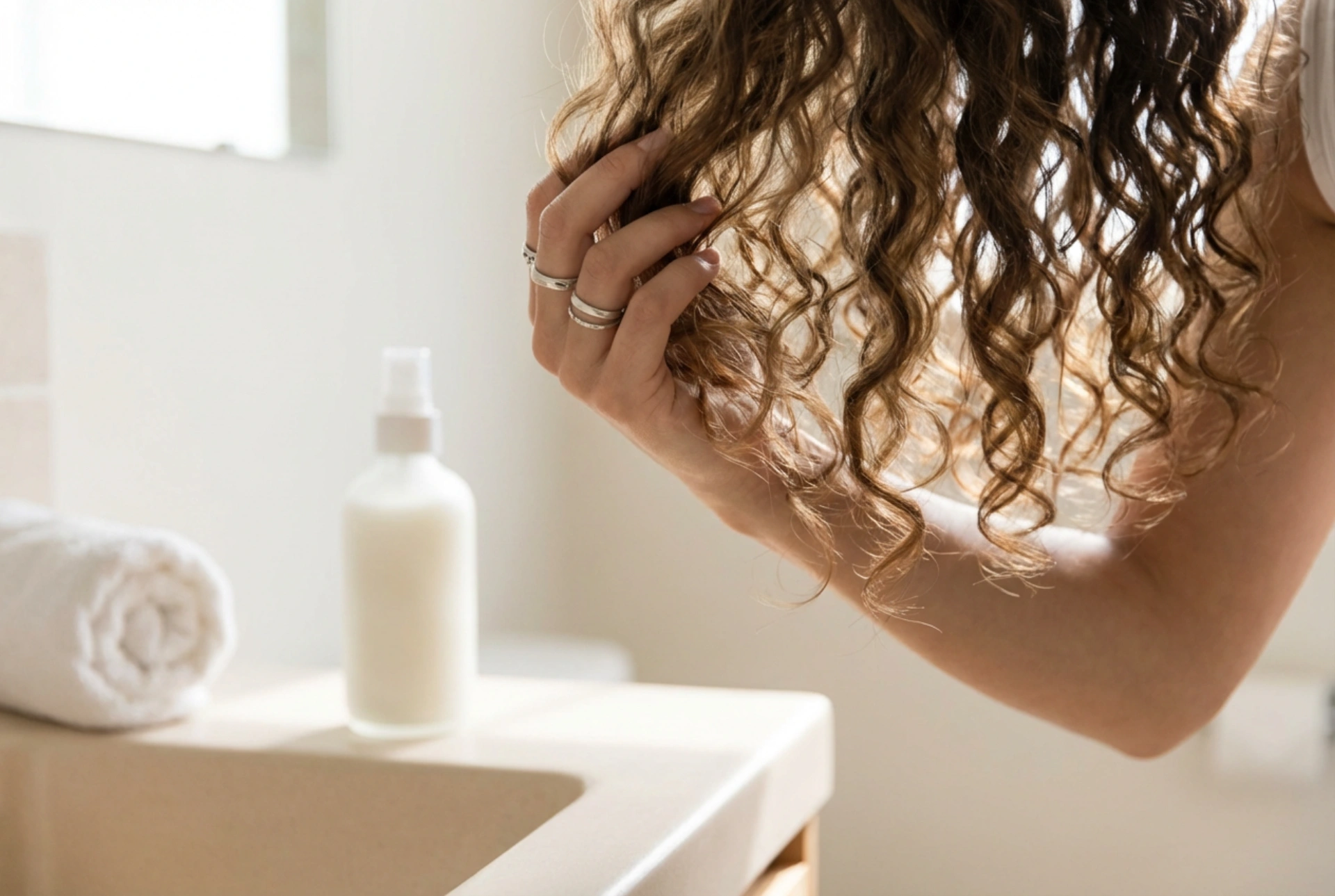


Curly hair possesses a unique beauty, with its vibrant spirals and bouncy texture. However, its structure also makes it more prone to dryness, frizz, and tangles. Providing consistent moisture is the key to unlocking its full potential, and this is where a leave-in conditioner becomes an indispensable part of your hair care arsenal. Unlike rinse-out conditioners that offer a temporary boost, a leave-in product works throughout the day to nourish, protect, and define your curls, leaving them soft, manageable, and beautifully shaped.
Why is a Leave-in Conditioner a Must-Have for Curls?
To understand the importance of a leave-in conditioner, it helps to understand the nature of curly hair. The twists and turns of each strand lift the hair's cuticle, which is its protective outer layer. This raised cuticle allows moisture to escape easily, leading to the dryness and frizz that many with curly hair experience. A leave-in conditioner directly addresses these challenges by providing a sustained layer of hydration and protection.
The Core Benefits for Your Curls
Integrating a leave-in conditioner into your routine offers a multitude of advantages that go beyond simple conditioning. It acts as a multi-purpose tool for achieving healthy, defined curls.
- Continuous Hydration: It provides a constant source of moisture to the hair shaft, combating the natural tendency of curls to dry out between washes. This helps to improve elasticity and reduce breakage.
- Frizz Control: By sealing the hair cuticle, a leave-in conditioner prevents humidity from penetrating the hair shaft, which is a primary cause of frizz. This results in smoother, more defined curls.
- Effortless Detangling: The 'slip' provided by the product makes it much easier to detangle knots and snags without causing damage or disrupting your curl pattern. This is best done when the hair is damp.
- Enhanced Curl Definition: Well-hydrated hair clumps together more effectively, forming shapely, defined curls. A leave-in conditioner encourages this process, giving your curls a more polished and uniform appearance.
- Protection from a gentle styler: It can form a protective barrier on the hair, offering a mild degree of protection from environmental factors.
How to Choose the Perfect Leave-in Conditioner
Not all leave-in conditioners are created equal, and the right choice depends entirely on your hair's specific characteristics. Understanding your hair's porosity, thickness, and texture will guide you towards a formula that provides benefits without weighing your curls down.
Understand Your Hair's Porosity
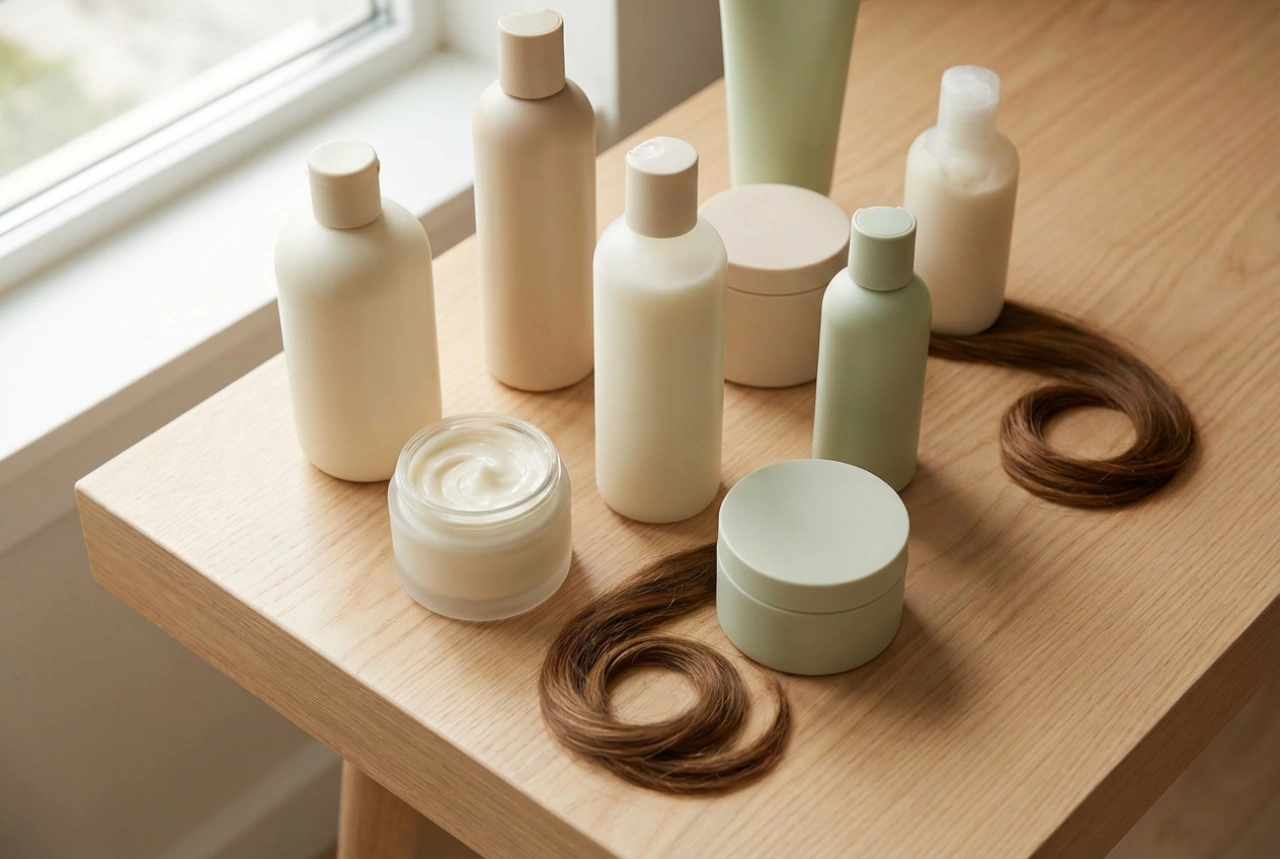
Porosity refers to your hair's ability to absorb and retain moisture. For low porosity hair, where cuticles are tightly packed, lightweight, water-based sprays or milks are ideal. They can penetrate the hair shaft without causing build-up. For high porosity hair, which absorbs moisture quickly but also loses it fast, richer creams and lotions containing butters and oils help to seal in hydration effectively.
Consider Your Hair's Thickness and Texture
The thickness of your individual hair strands also plays a crucial role. Fine hair can easily be weighed down, so look for very light, spray-based formulas. Avoid heavy creams or butters. Conversely, coarse or thick hair can handle richer, more substantial products. Creamy leave-in conditioners will provide the intense moisture that thicker hair craves without feeling greasy.
Look for Nourishing Ingredients
While avoiding specific product names, you can look for ingredient types that are known to benefit curly hair. Humectants, such as glycerine or aloe vera, draw moisture from the air into your hair. Emollients, like shea butter and natural oils (such as coconut, argan, or jojoba), smooth the cuticle and lock that moisture in. Some formulas also contain hydrolysed proteins, which can help to strengthen the hair structure, especially if it feels weak or overly soft.
The Art of Application: A Step-by-Step Guide
How you apply your leave-in conditioner is just as important as which one you choose. Proper application ensures even distribution and maximum absorption for the best possible results.
- Start with Clean, Damp Hair: After washing and conditioning, gently squeeze excess water from your hair with a microfibre towel or an old t-shirt. Your hair should be damp, not dripping wet, as this allows the product to be absorbed effectively rather than being diluted.
- Section Your Hair: For even coverage, divide your hair into four or more sections. This prevents you from missing spots and ensures every curl gets the attention it needs.
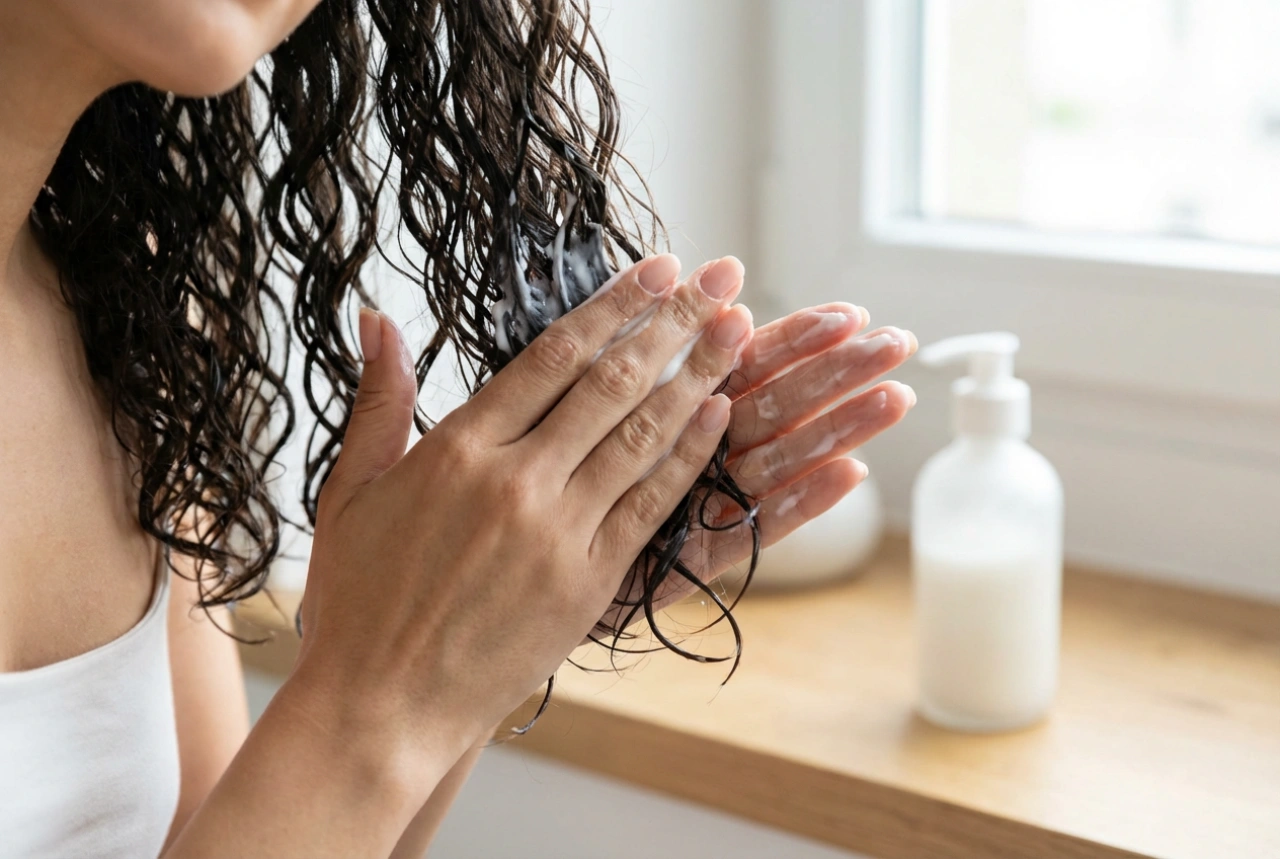
- Apply the Product: Start with a small amount of product, rubbing it between your palms. Apply it to one section at a time, focusing on the mid-lengths and ends, which are typically the driest parts. Use a 'raking' motion with your fingers to distribute the product thoroughly. The 'praying hands' method, where you smooth the product down the hair shaft between your palms, is also excellent for sealing the cuticle.
- Encourage Curl Formation: After applying the product, gently scrunch your hair upwards towards the scalp. This technique, sometimes called 'scrunching', helps to encourage curl clumping and enhances definition.
- Layer with Stylers (Optional): A leave-in conditioner is the foundation of your styling routine. You can layer other products, such as a mousse or gel, on top to provide hold and further define your curls. Always apply the leave-in first.
Common Pitfalls to Avoid
To get the most out of your leave-in conditioner, be mindful of these common mistakes.
- Using Too Much Product: More is not always better. Applying too much can leave your hair feeling greasy, sticky, or weighed down. Start with a small amount and add more only if needed.
- Applying Unevenly: Rushing the application can lead to patchy results, with some sections being hydrated while others are left frizzy. Taking the time to section your hair makes a significant difference.
- Focusing on the Roots: Your scalp produces natural oils, so applying a leave-in conditioner at the roots can lead to build-up and flat, oily hair. Concentrate the product from the mid-lengths to the ends.
- Applying to Dry Hair: Most leave-in conditioners are designed to work with water to lock in moisture. Applying them to dry hair (unless it's a specific 'refresher' spray) can sometimes result in a sticky or stiff feeling.
By choosing the right product for your hair type and mastering the application technique, a leave-in conditioner can truly transform your curls, making them consistently hydrated, defined, and frizz-free.