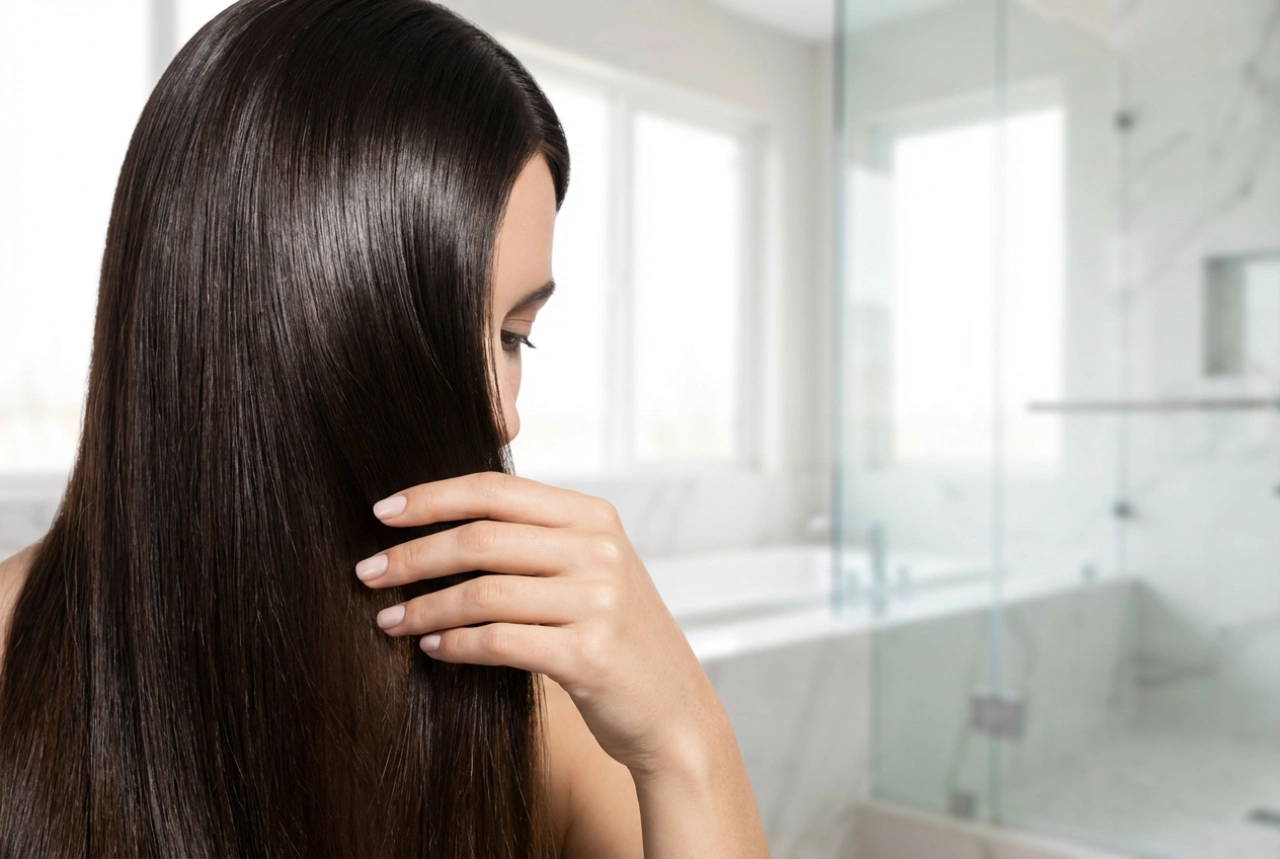


Maintaining strong and healthy-looking hair requires more than just a quick wash. Environmental factors, heat styling, and even daily brushing can take their toll, leaving hair feeling weak and prone to frizz. One of the most effective ways to restore your hair's resilience and smoothness is by incorporating a keratin mask into your grooming routine. As a core structural protein, keratin is essential for hair integrity. Applying a rich, creamy mask is a straightforward ritual that can deliver noticeable improvements to the texture and strength of your hair.
What is Keratin and Why Does Your Hair Need It?
Keratin is a fibrous protein that acts as the primary building block for your hair, skin, and nails. In hair, it forms a protective shield around the shaft, providing strength, elasticity, and a smooth surface that reflects light and gives hair its shine. Over time, this natural keratin can become depleted due to various stressors. Sun exposure, chemical treatments, and the use of heated styling tools can all break down these protein bonds, creating gaps in the hair cuticle. When the cuticle is damaged and lifted, hair becomes porous, leading to common issues like frizz, dullness, and brittleness. A keratin mask helps to replenish this lost protein, temporarily filling in the gaps in the cuticle to fortify the hair structure from the outside in.
When to Reach for a Keratin Mask
Knowing when to use a keratin mask is key to achieving the best results without overdoing it. Your hair will often give you clear signals that it could benefit from a protein boost. Consider using a keratin mask if you notice:
- Increased Frizz and Flyaways: If your hair seems unmanageable and frizzy regardless of the weather, it's a sign the cuticle is rough and needs smoothing.
- Brittleness and Breakage: Hair that snaps easily when you brush or style it is likely lacking the protein needed for elasticity and strength.
- Dull, Lifeless Appearance: Healthy hair has a smooth cuticle that reflects light. If your hair looks lacklustre, a keratin treatment can help restore its natural sheen.
- After Colouring or Chemical Services: These processes can be harsh on hair structure. A keratin mask can help to reinforce hair that feels weakened or overly porous after a treatment.
It's important to find the right frequency. For most hair types, using a keratin mask once every one to two weeks is sufficient. Overusing protein-rich products can lead to 'protein overload', making hair feel stiff and brittle, so it's all about finding the right balance for your specific hair needs.
How to Apply a Keratin Mask for Maximum Effect
Applying a hair mask correctly ensures that the product is distributed evenly and can work effectively. Follow this simple, step-by-step process for a successful at-home treatment.
Step 1: Start with Clean, Damp Hair
Wash your hair with a gentle, clarifying shampoo to remove any product build-up. This allows the mask to penetrate the hair shaft more effectively. Skip the conditioner for now. After washing, gently squeeze out excess water with a towel. The hair should be damp, not soaking wet, as too much water can dilute the mask.
Step 2: Section and Apply Evenly
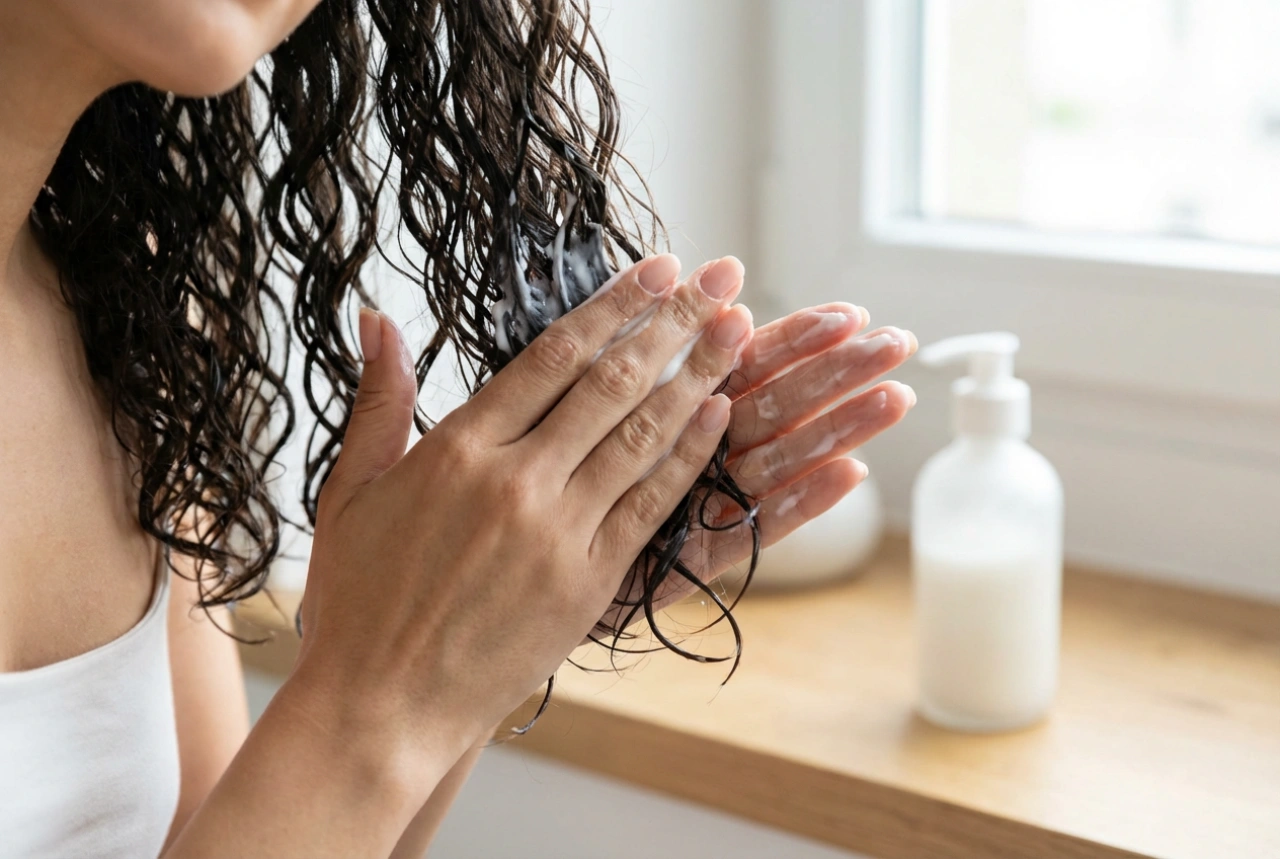
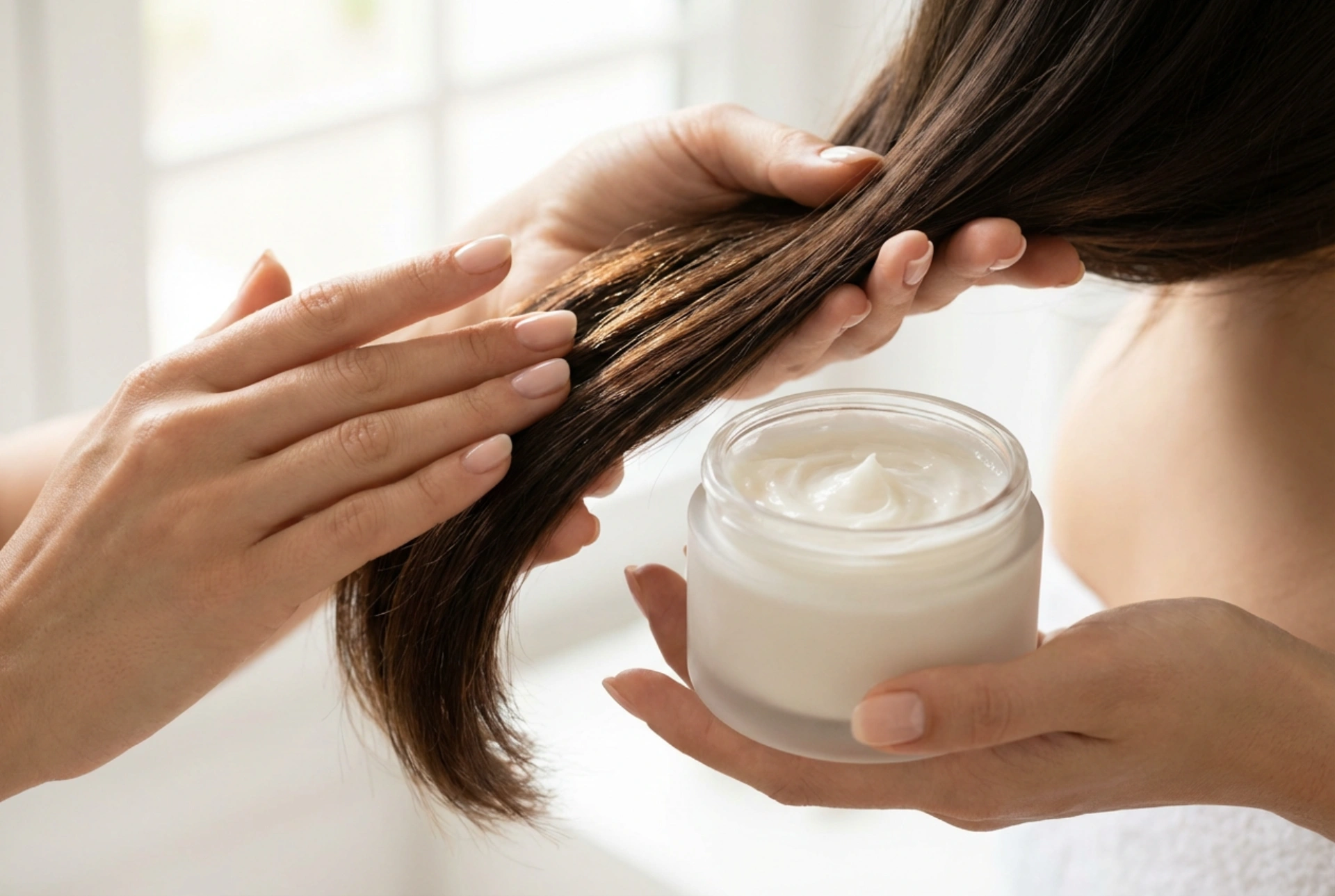
Divide your hair into four or more manageable sections. Take a small amount of the keratin mask and work it through each section with your fingers or a wide-tooth comb. Focus your application on the mid-lengths and ends, as these are typically the oldest and most damaged parts of your hair. Avoid applying too much product directly to the scalp, which can weigh hair down.
Step 3: Allow Time for Penetration
Once the mask is applied, let it sit for the recommended time specified on the product's packaging, usually between 5 and 20 minutes. For a more intensive treatment, you can wrap your hair in a warm towel. The gentle heat helps to open up the hair cuticles, allowing the keratin to penetrate more deeply.
Step 4: Rinse Thoroughly
Rinse the mask out completely using lukewarm water. Avoid hot water, as it can strip the hair and lift the cuticle you've just worked to smooth down. A cool water rinse at the very end can help to seal the cuticle, locking in the benefits of the mask and boosting shine. There's no need to follow up with a regular conditioner unless your hair feels like it needs extra detangling.
Balancing Protein with Moisture
While keratin is fantastic for strengthening, hair health is all about balance. Hair needs both protein for structure and moisture for flexibility and softness. Relying solely on keratin masks can eventually make hair feel stiff. To avoid this, it's wise to alternate your protein mask with a deeply hydrating or moisturising mask. Look for products containing ingredients like glycerine, hyaluronic acid, aloe vera, or natural oils (such as argan, coconut, or jojoba oil). This balanced approach ensures your hair remains both strong and supple, giving you the best of both worlds. Listen to your hair—if it starts to feel dry or rigid, ease up on the protein and focus on hydration for a few washes.