

Achieving beautifully hydrated and healthy-looking hair often involves more than just using a single product. It's about creating a balanced routine tailored to your hair's specific needs. The key lies in understanding the interplay between different types of ingredients, particularly humectants and emollients, and knowing how to combine them with your favourite moisturising conditioner. By learning to 'tune' your hair care, you can address issues like dryness and frizz, unlocking a new level of shine and manageability.
Understanding the Key Players: Humectants and Emollients
To effectively combine ingredients, it's crucial to first understand their individual roles. In the world of hair care, humectants and emollients are two pillars of hydration, but they work in very different ways. Together, they form a powerful duo for maintaining moisture balance.
What are Humectants?
Humectants are ingredients that attract water molecules. When applied to your hair, they draw moisture from the surrounding air and bind it to the hair shaft, providing deep hydration from within. This action helps to make hair more pliable, elastic, and less prone to breakage. Common humectants found in hair products include glycerin, aloe vera, honey, panthenol, and hyaluronic acid. They are essential for hair that feels dry, brittle, or rough to the touch.
What are Emollients?
Emollients work on the surface of the hair. Their primary function is to create a protective barrier that seals in the moisture provided by humectants. They smooth down the hair cuticle, which reduces moisture loss, minimises frizz, and adds a noticeable softness and shine. Emollients give hair that silky, slippery feel that makes detangling easier. Examples include various plant oils (like argan, coconut, jojoba), butters (shea, cocoa), and silicones.
When to Customise Your Moisturising Conditioner
Most moisturising conditioners already contain a blend of humectants and emollients. However, the ratio might not be perfect for your hair type, the current season, or your local climate. Learning to recognise your hair's signals is the first step toward customising your routine for optimal results.
Adding More Humectants for Dehydration
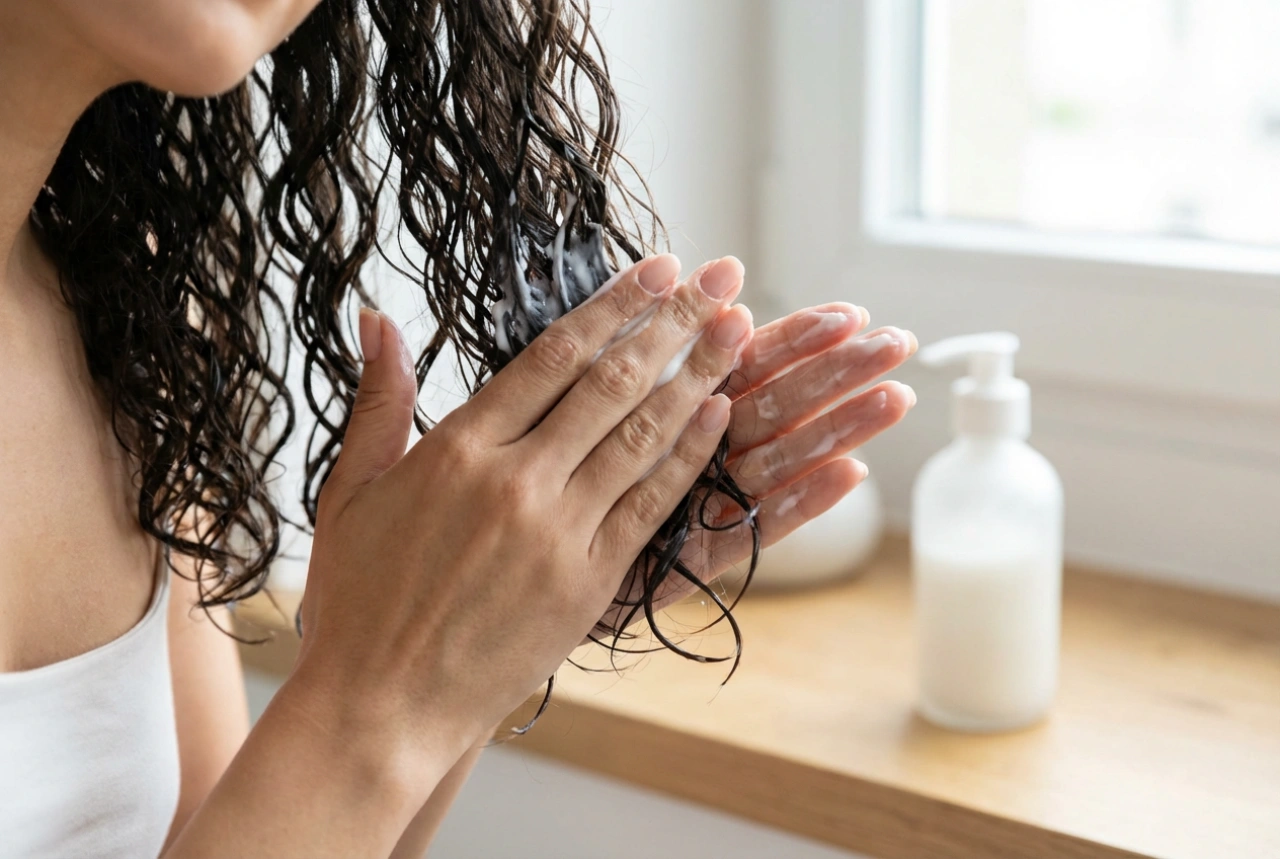
Your hair might need an extra dose of humectants if it feels persistently dry and straw-like, even after conditioning. Other signs include a lack of elasticity (it snaps easily when stretched) and a dull, lifeless appearance. To boost the humectant properties of your conditioner, you can mix a small amount of a pure humectant ingredient into your single-use portion. For example, adding a few drops of vegetable glycerin or a small dollop of pure aloe vera gel to the conditioner in your palm before application can provide a significant hydration boost.
Adding More Emollients for Frizz and Moisture Retention
If your hair absorbs moisture well but becomes frizzy, puffy, or loses its smoothness quickly, it likely needs more emollients. This is common for high-porosity hair, which has a raised cuticle that struggles to retain moisture. By adding an extra layer of sealant, you can keep hydration locked in for longer. Try mixing a few drops of a lightweight hair oil, such as argan or sweet almond oil, into your conditioner. This will help to smooth the cuticle, reduce flyaways, and enhance shine without weighing the hair down.
Practical Tips for Combining Ingredients
Customising your conditioner is a simple process, but a few best practices will ensure you get it right. The goal is to enhance your product, not disrupt its formulation.
- Start Small: A little goes a long way. Begin by adding just a tiny amount of the extra ingredient (e.g., 2-3 drops of oil or glycerin) to a single portion of conditioner. You can always increase the amount in your next wash if needed.
- Mix Per Use: Never add ingredients directly into the product bottle. This can destabilise the preservative system and alter the formula. Always mix the ingredients in your palm or a small bowl right before you apply it to your hair.
- Observe and Adapt: Pay close attention to how your hair looks and feels after it dries and in the following days. Is it softer? More defined? Or does it feel greasy or weighed down? Use these observations to adjust your combination next time.
- Consider the Climate: Humectants can behave differently depending on the humidity. In very dry climates, they can potentially draw moisture out of the hair if there isn't enough in the air. In very high humidity, they can draw in too much moisture, leading to frizz. Adjust your routine accordingly.
By mastering the art of combining humectants and emollients with your conditioner, you empower yourself to create a truly personalised hair care ritual. This mindful approach allows you to respond directly to your hair's changing needs, ensuring it remains balanced, hydrated, and beautifully resilient day after day.