

Achieving a sleek, polished hairstyle often involves heat, but concerns about potential damage are valid. For those who dream of perfectly straight hair without compromising its health, modern technology offers a gentler solution. Steam straighteners have emerged as a popular alternative, promising a smooth finish with an added touch of care. They work on a different principle than traditional tools, using the power of moisture to transform your tresses. Understanding how to use them correctly is the key to unlocking their full potential for beautiful, healthy-looking hair.
What Are Steam Straighteners and How Do They Work?
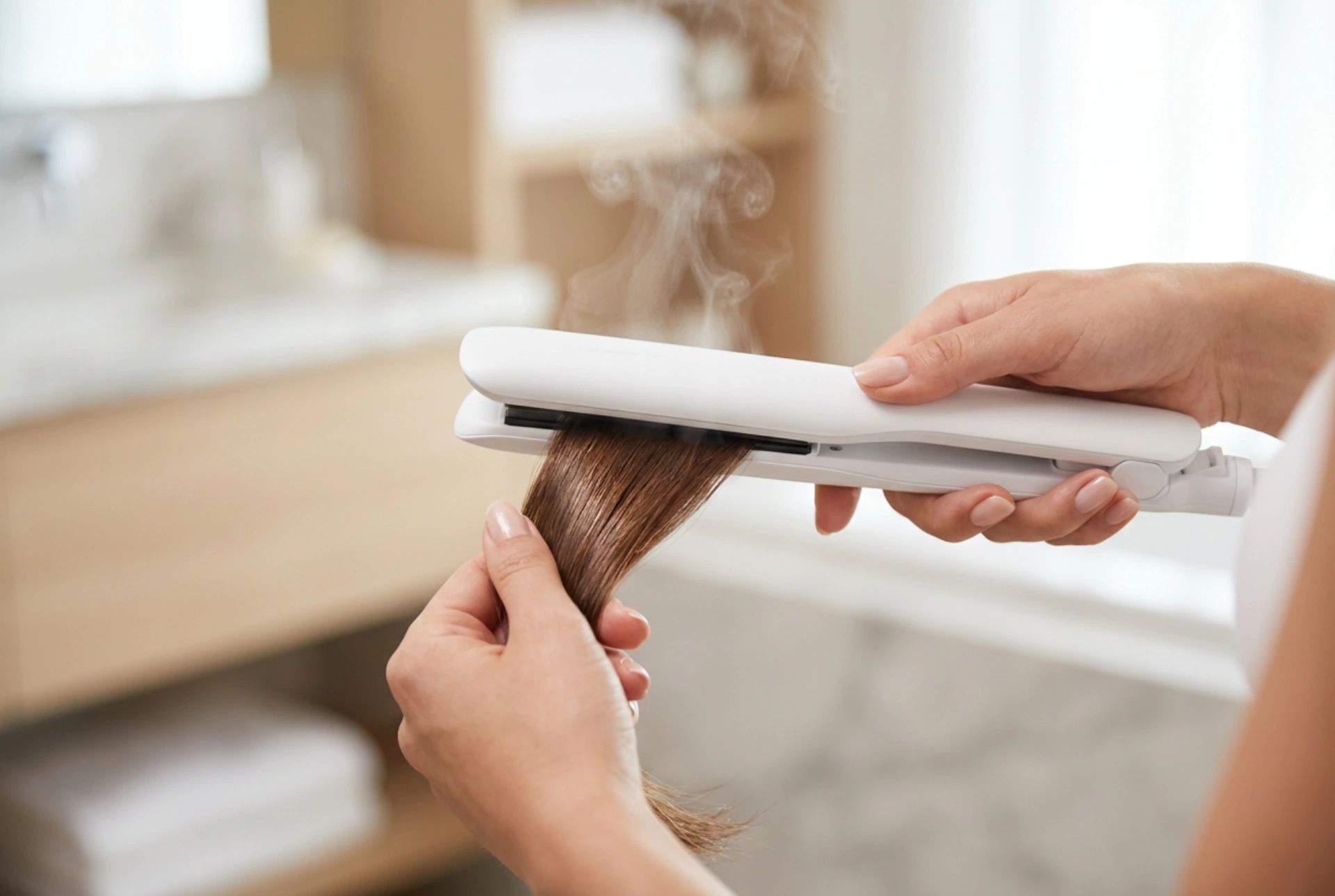
At first glance, a steam straightener looks very similar to a conventional flat iron. It features two heated plates that are pressed together to smooth the hair. However, the crucial difference lies in its integrated water reservoir and steam delivery system. As you glide the tool through your hair, it releases a continuous flow of high-pressure steam onto the hair shaft just moments before the heated plates pass over it.
The process works in a few stages. First, the steam gently opens the hair cuticle and infuses it with moisture. This hydration helps to prevent the hair from rapidly drying out under the high temperature of the plates. It acts as a protective buffer. Then, the heated plates follow, sealing the cuticle back down over the newly straightened hair shaft. This combination of moisture and controlled heat allows for effective straightening at potentially lower temperatures compared to dry heat alone, reducing the risk of thermal stress on the hair fibres.
The Science of Steam vs. Dry Heat
Traditional straighteners use only dry, intense heat to break down the hydrogen bonds in the hair, allowing it to be reshaped. This process can strip the hair of its natural moisture, leading to dryness, brittleness, and a lack of shine over time. Steam straighteners, on the other hand, use hydration as part of the styling process. The steam helps to maintain the hair's internal water balance, making the straightening process less aggressive. This results in hair that not only looks smooth but also feels softer and more flexible.
The Key Benefits of Using Steam for Hair Styling
Incorporating steam into your straightening routine offers several advantages for the health and appearance of your hair. It’s an approach that combines styling effectiveness with a focus on hair preservation.
- A Gentler Styling Experience: The primary benefit is the reduction of thermal shock. The infusion of steam provides moisture, which helps protect the hair's integrity during heat application. This can lead to less breakage and fewer split ends, especially for those who style their hair frequently.
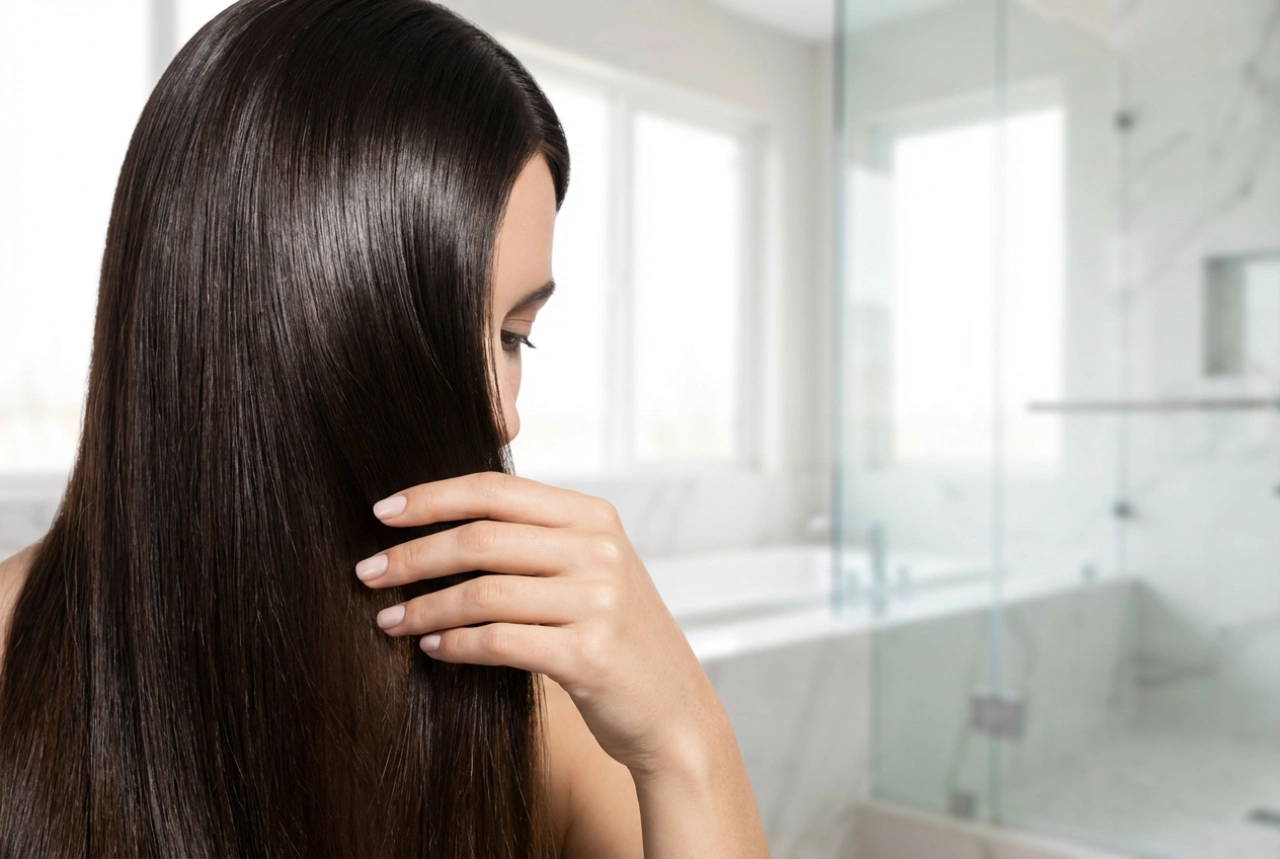
- Enhanced Hydration and Shine: Unlike dry heat which can dehydrate hair, steam adds moisture. This process helps to seal the hair cuticle more effectively, creating a smoother surface that reflects light better. The result is a noticeably shinier and more vibrant finish.
- Longer-Lasting Results: Hair styled with steam tends to hold its shape for longer. The hydration helps to lock in the sleek style, making it more resistant to humidity and less likely to revert to its natural texture throughout the day. Your perfectly straight look remains intact for an extended period.
- Reduced Frizz: By sealing the cuticle so effectively, steam helps to combat frizz and flyaways. The smooth, hydrated surface of the hair shaft is less prone to absorbing moisture from the air, which is a common cause of frizz.
A Step-by-Step Guide to Gentle Straightening with Steam
To get the best results from a steam straightener and ensure you are treating your hair with the utmost care, following a proper technique is essential. Preparation and precision are key.
1. Prepare Your Hair Correctly
Always start with hair that is 100% dry and clean. Using a steam straightener on damp hair is not recommended and can be damaging. Brush your hair thoroughly to remove any knots or tangles. Apply a quality heat protectant spray evenly from roots to ends to create an extra layer of defence against the heat. Finally, divide your hair into manageable sections using clips. Working with smaller sections ensures that heat is distributed evenly for a uniform result.
2. Set Up Your Straightener
Fill the water tank of your device, using only demineralised or distilled water. Tap water contains minerals that can build up inside the straightener over time, causing limescale and potentially blocking the steam outlets. Turn the device on and select the appropriate temperature for your hair type. As a general rule, use lower temperatures for fine, bleached, or delicate hair, and reserve higher settings for thick, coarse, or very curly hair.
3. The Straightening Technique
Take one small section of hair, about 1-2 inches wide. Position the straightener near the roots, ensuring the steam outlets are pointing downwards towards the ends of your hair. This directs the steam to treat the hair shaft before the plates make contact. Clamp the plates down and glide the tool slowly and steadily all the way to the tips. A single, slow pass should be sufficient for most hair types. Avoid going over the same section repeatedly, as this exposes it to unnecessary heat.
4. Finishing and Aftercare
Once you have straightened all sections, let your hair cool down completely. This helps to set the style. To add extra gloss and tame any remaining flyaways, you can apply a small amount of a lightweight finishing serum or oil to the mid-lengths and ends. Avoid applying heavy products near the roots, which can weigh the hair down.