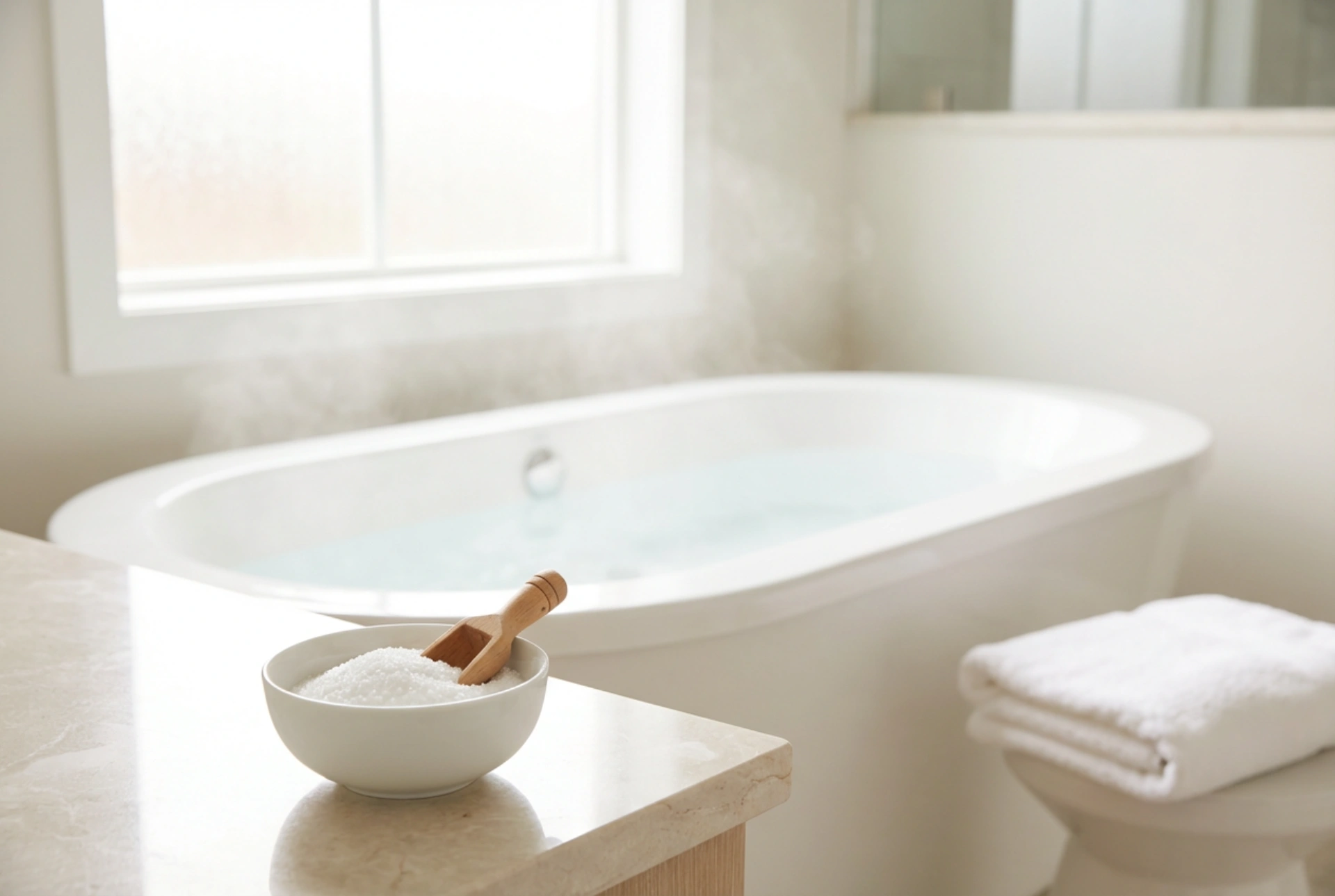


Turning a simple bath into a restorative ritual is one of the easiest forms of self-care. It’s a moment to disconnect from the day and focus on your well-being. Adding ingredients like Epsom salt can elevate this experience, transforming your bathtub into a personal home spa. Inspired by tranquil beauty practices, an Epsom salt bath is a wonderful way to soothe your body and mind, leaving your skin feeling soft and refreshed. Let's explore how to prepare this simple yet luxurious soak.
What Exactly is Epsom Salt?
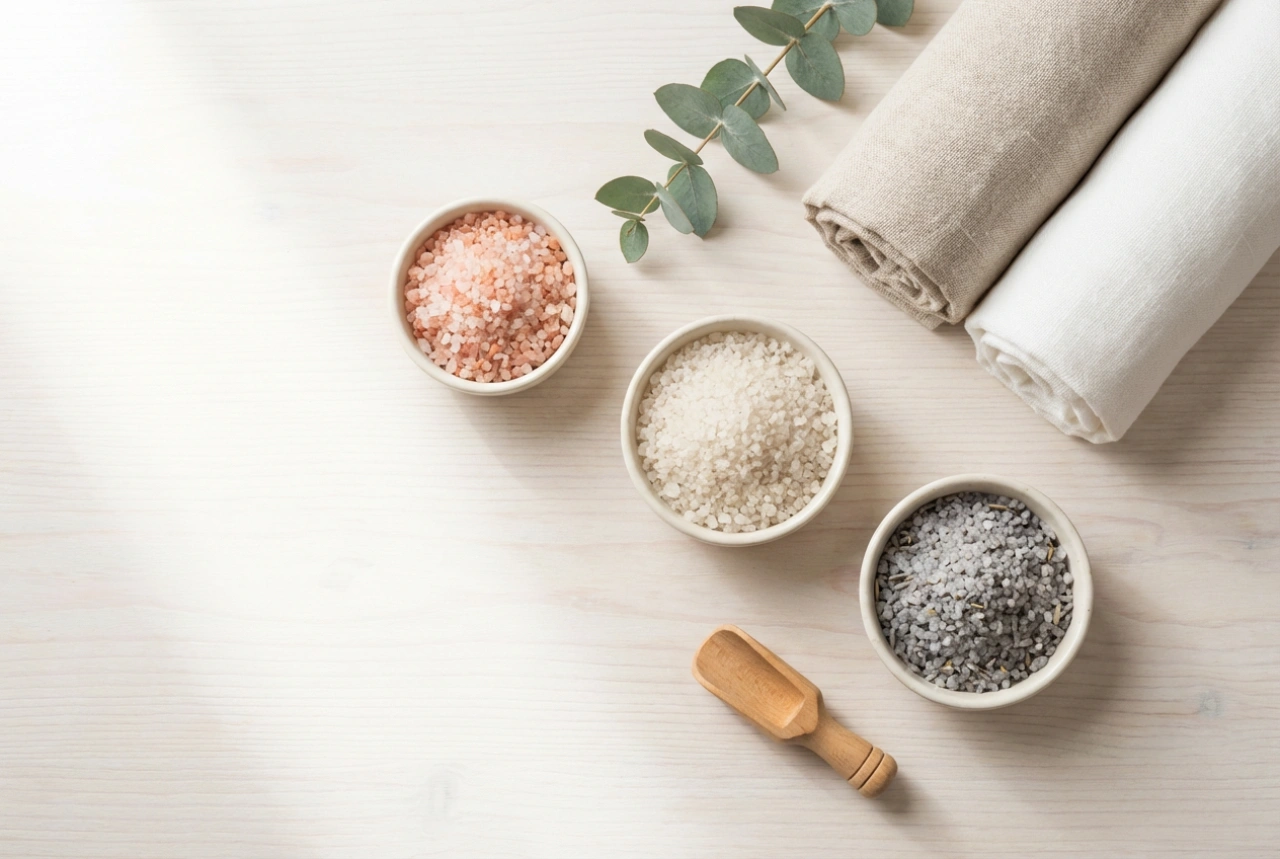
Despite its name, Epsom salt is not like the table salt you use in the kitchen. It is a naturally occurring mineral compound composed of magnesium, sulphur, and oxygen, known chemically as magnesium sulphate. It gets its name from the town of Epsom in Surrey, England, where it was originally discovered in the water of a bitter saline spring. Its crystalline structure resembles large salt granules, and it dissolves easily in warm water. For centuries, it has been a popular addition to baths, valued for its role in relaxation and personal care routines. It’s an accessible and versatile ingredient that can be found in most health and beauty aisles, often sold in large bags for bathing purposes.
Beauty Benefits of an Epsom Salt Soak
Incorporating Epsom salt into your bath can be a beneficial step in your beauty regimen. When dissolved in water, it creates a mineral-rich solution that helps to soften the skin. This softening effect can make manual exfoliation with a washcloth or gentle scrub more effective, helping to slough away dead skin cells and reveal a smoother, brighter-looking complexion. The warm, mineral-infused water also helps to create a deeply relaxing environment. This calming experience can help reduce feelings of tension, which in turn contributes to a healthier-looking appearance. A relaxed state of mind is a key component of any holistic beauty routine. Think of it as preparing a clean and softened canvas for your post-bath moisturisers and body care products.
How to Prepare the Perfect Epsom Salt Bath: A Step-by-Step Guide
Creating your own Epsom salt bath is incredibly simple. Following these steps will ensure you get the most out of your soak and create a truly serene experience.
Step 1: Gather Your Supplies
You will need pure Epsom salt, free from added fragrances or colours if you prefer to customise it yourself. Have a measuring cup and clean, fluffy towels ready for when you get out.
Step 2: Measure the Salt
For a standard-sized bathtub, a common recommendation is to use about two cups (approximately 300-400g) of Epsom salt. If you are new to Epsom salt baths or have sensitive skin, you might want to start with just one cup and see how your skin feels. Pour the salt directly into the tub.
Step 3: Fill the Bathtub and Dissolve
Begin filling the tub with water that is warm, but not uncomfortably hot. The ideal temperature is one that feels pleasant and relaxing to you. As the tub fills, the force of the running water will help dissolve the salt crystals. Once the tub is nearly full, swirl the water with your hand to ensure any remaining granules have completely dissolved before you get in.
Step 4: Set the Atmosphere
To enhance the spa-like feeling, take a few moments to set the mood. Dim the lights, light a few candles (placed safely away from flammable materials), or use a battery-operated flameless candle for worry-free ambiance. You could also play some calming music or a relaxing podcast.
Step 5: Soak and Relax
Immerse yourself in the water and allow yourself to relax. The recommended soaking time is typically between 15 and 20 minutes. This is long enough to enjoy the benefits without over-soaking, which could potentially lead to dry skin. Use this time to practise deep breathing or simply let your mind wander.
Customising Your Bath Experience
While an Epsom salt bath is wonderful on its own, you can easily enhance it with other ingredients for added sensory pleasure and skin benefits.
- Essential Oils: For a fragrant, aromatherapeutic experience, add a few drops of your favourite essential oil. Lavender is known for its calming properties, while eucalyptus can feel refreshing. Always mix 5-10 drops of essential oil with a tablespoon of a carrier oil (like jojoba, almond, or even olive oil) before adding it to the bath. This helps the oil disperse safely in the water instead of floating on top, which could irritate the skin.
- Herbs and Flowers: For a visually beautiful and fragrant bath, add a handful of dried herbs or flower petals, such as rose petals, chamomile flowers, or lavender buds. You can place them in a small muslin bag to prevent them from clogging the drain.
- Skin-Softening Additions: For extra skin-softening power, consider adding half a cup of baking soda or a cup of powdered milk to your bath water. A handful of colloidal oatmeal can also provide a soothing sensation for the skin.
Post-Bath Care for Soft Skin
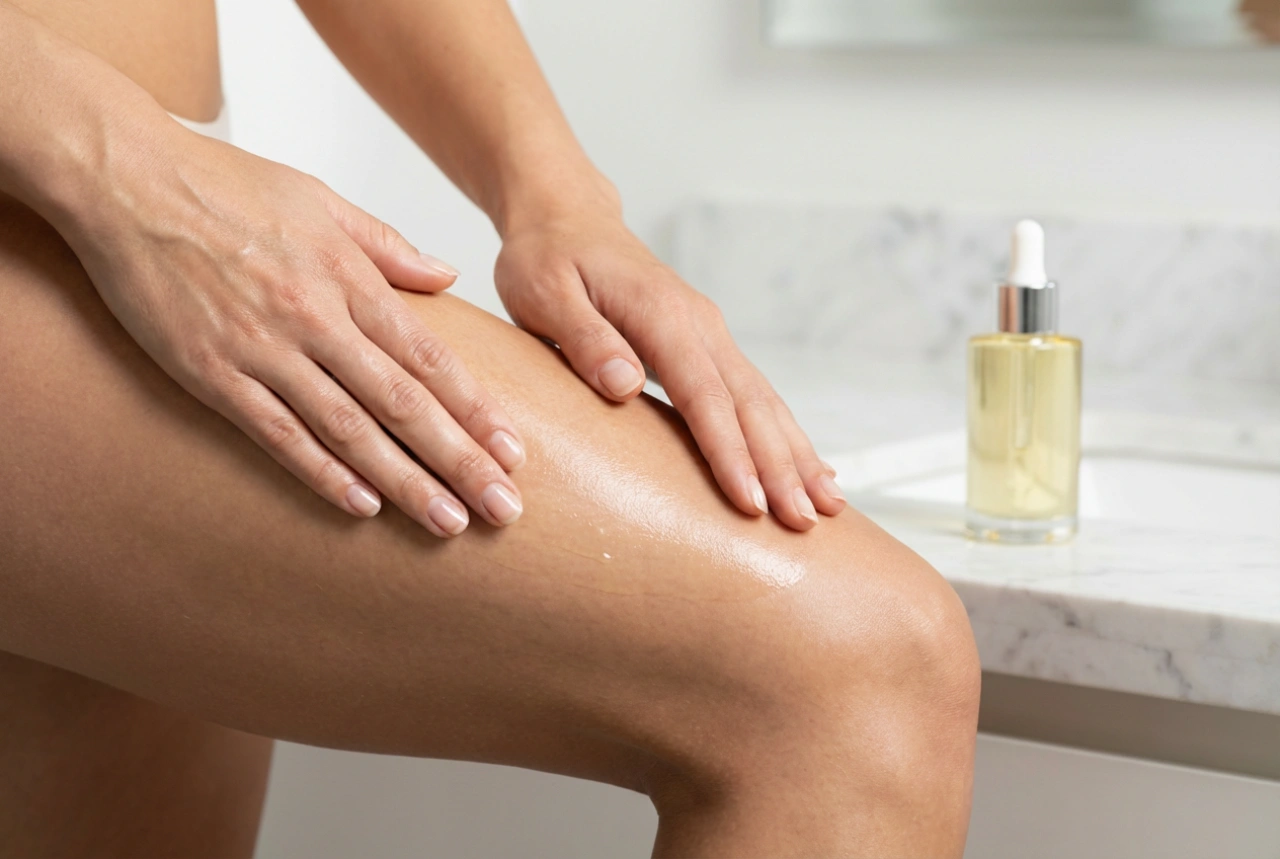
What you do after your bath is just as important as the soak itself. Once you're finished, drain the tub and give your body a quick rinse with clean, lukewarm water from the shower. This will wash away any salt residue left on your skin. Gently pat your skin dry with a soft towel, avoiding vigorous rubbing. The final, crucial step is to moisturise. Immediately apply a generous amount of a rich body lotion, cream, or body oil to your slightly damp skin. This will help to seal in the moisture, counteracting any potential drying effects of the salt and leaving your skin feeling supple, smooth, and hydrated.