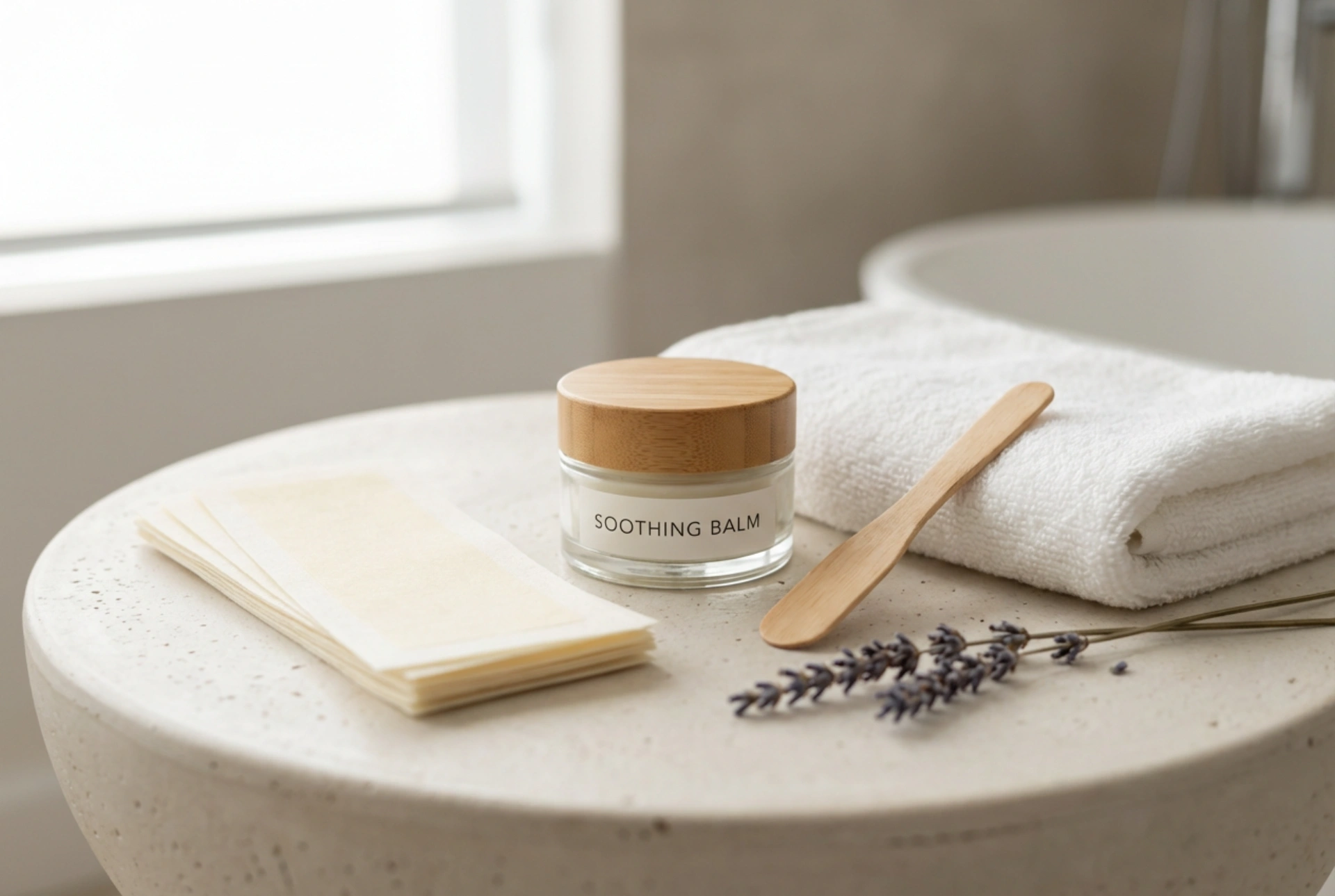


Achieving a perfectly smooth bikini line at home requires a blend of the right technique, proper skin preparation and dedicated aftercare. A serene and methodical approach to personal grooming, much like preparing a quiet self-care ritual with gentle waxing strips, a soothing natural balm and a soft towel, can transform what is often seen as a chore into a comfortable, pampering experience. Understanding how to care for this sensitive area ensures not only excellent results but also minimises discomfort and irritation. Here is a comprehensive guide to mastering bikini hair removal safely and effectively in the comfort of your own home.
Preparing the Skin: The Essential First Step
Effective hair removal begins long before any wax strip or razor touches the skin. Proper preparation is vital to soften the hair, open the pores and remove dead skin cells that could otherwise block the hair follicles.
Gentle Exfoliation
A day or two before your scheduled hair removal, gently exfoliate the bikini area. Using a mild, fragrance-free scrub or a soft exfoliating mitt helps lift trapped hairs and removes dry surface skin. This simple step ensures that the hair removal method you choose can grip the hairs cleanly at the root, leading to smoother results and fewer ingrown hairs.
Cleansing and Drying
Immediately before starting, cleanse the area with warm water and a soap-free, pH-balanced wash. Warm water helps relax the hair follicles, making hair removal less uncomfortable. Ensure the skin is completely dry before proceeding; moisture can prevent wax strips from adhering properly or cause a razor to slip. Pat the skin dry with a clean, soft cotton towel, ensuring there is no residual moisture left on the skin surface.
Choosing Your Home Method: Waxing, Shaving or Sugaring
Depending on your personal preferences and skin sensitivity, several home hair removal methods are available. Each requires a slightly different approach to ensure safety and comfort.
Cold Wax Strips
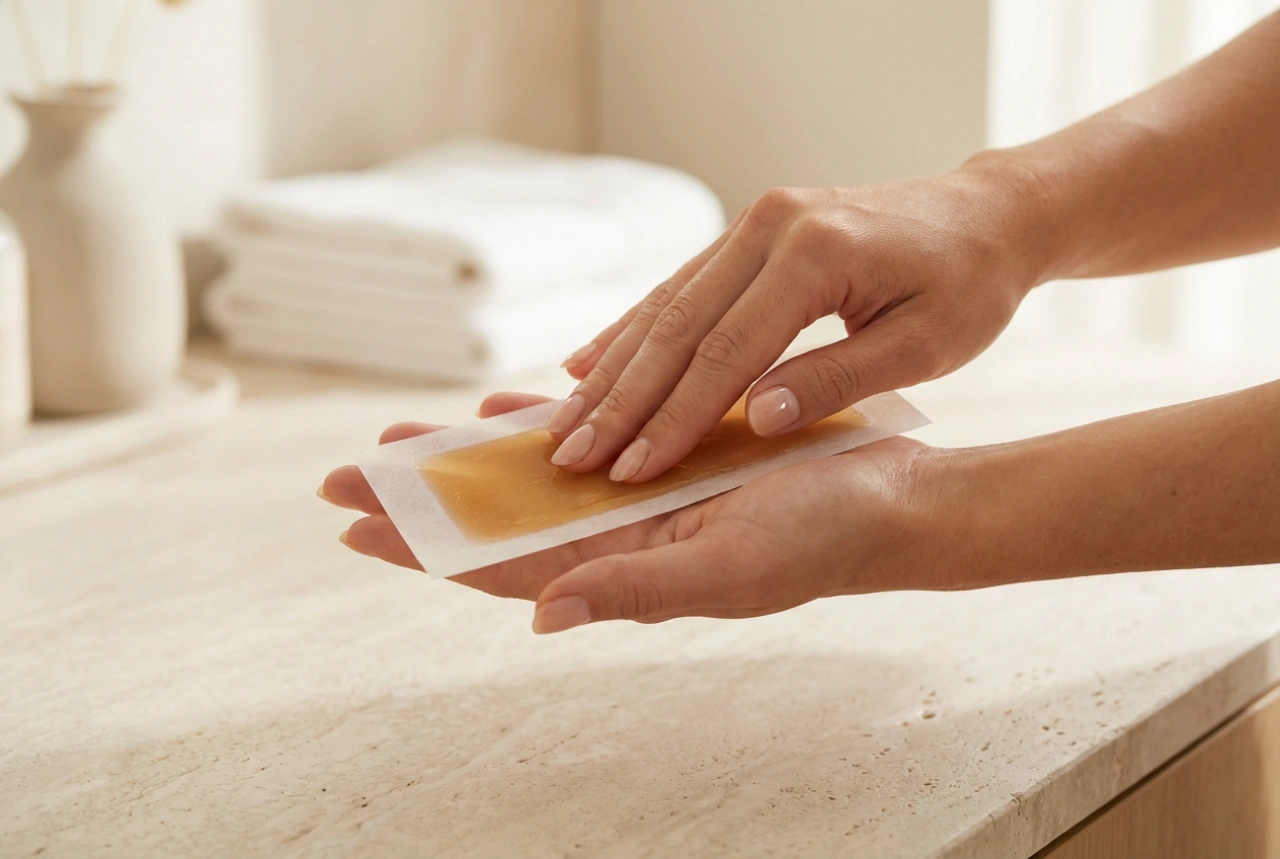
Home waxing strips are a popular choice for long-lasting smoothness. They pull the hair from the root, meaning results can last for several weeks. When using wax strips, ensure the hair is of an optimal length—usually between three to five millimetres. If the hair is too short, the wax cannot grip it; if it is too long, the process may be more painful than necessary. Warm the strips between your hands before application to ensure the wax is pliable.
Manual Shaving
Shaving is quick and painless when done correctly. Always use a clean, sharp razor with multiple blades to reduce friction and skin drag. Avoid shaving on dry skin; instead, use a rich, fragrance-free shaving gel or cream to create a protective barrier. Always shave in the direction of hair growth to prevent irritation, razor burns and tiny bumps.
Natural Sugaring Paste
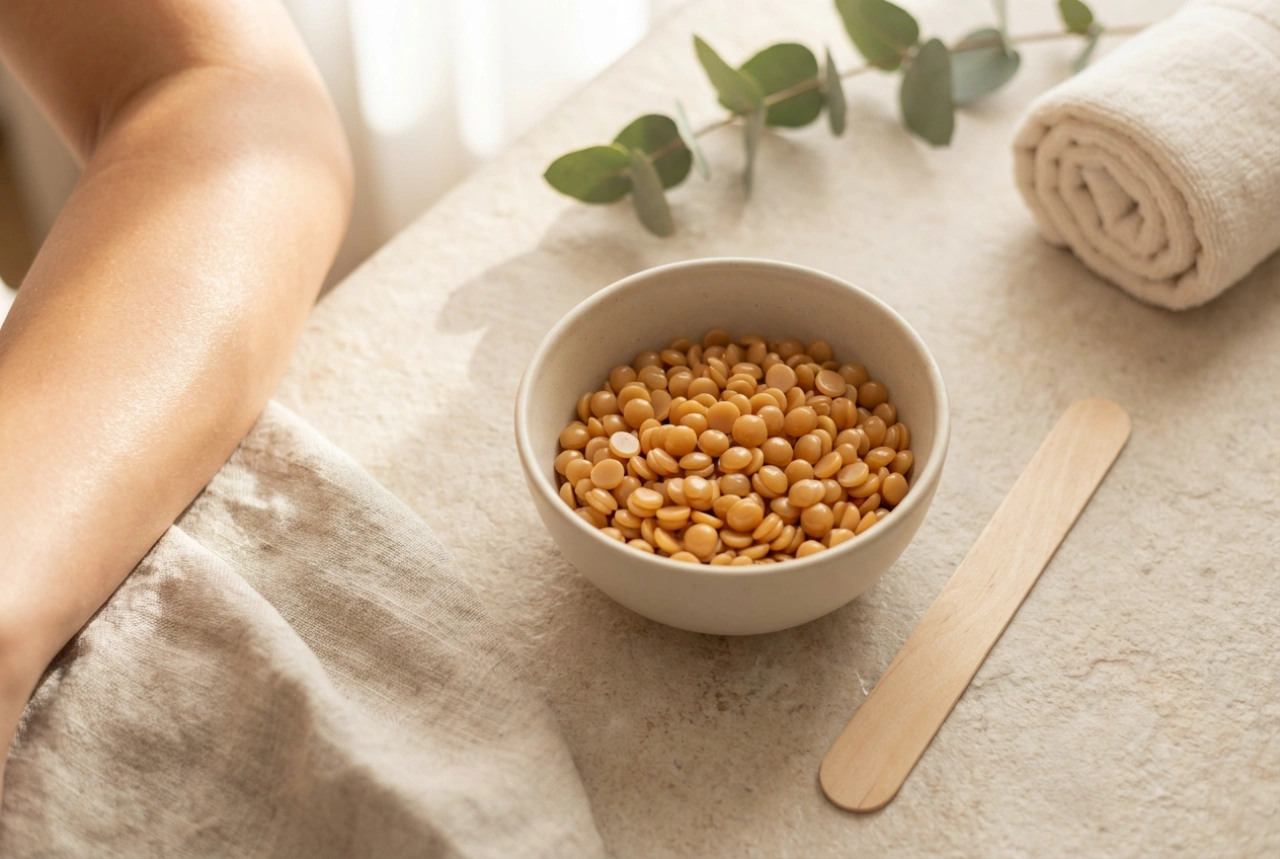
Sugaring is an ancient method using a paste made of sugar, water and lemon juice. It is applied against the direction of hair growth and flicked off in the direction of growth. This gentle technique is often preferred by those with highly sensitive skin, as the paste only adheres to the hair and dead skin cells, rather than pulling on the living skin itself.
Step-by-Step Technique for Best Results
Executing your chosen method with care and precision is key to avoiding unnecessary skin stress. Here are universal techniques to apply during the process:
- Keep the skin taut: Use one hand to pull the skin tight in the area you are working on. This minimises skin movement, reduces discomfort and allows for a cleaner, more efficient removal.
- Work in small sections: Divide the bikini area into small, manageable zones. Trying to clear too large an area at once can lead to uneven results, missed hairs and increased skin irritation.
- Work in a comfortable, well-lit space: Good lighting is essential to ensure you can see the direction of hair growth clearly and monitor how your skin is reacting throughout the process.
Soothing Aftercare: Restoring the Skin Barrier
The moments immediately following hair removal are crucial for skin recovery. The skin barrier is temporarily compromised, and the empty hair follicles are vulnerable to environmental elements.
Immediate Calming Actions
Right after hair removal, gently cleanse the area with cool water to soothe any warmth or mild redness. Apply a cold compress or a clean towel dampened with cool water if the skin feels sensitive or warm to the touch. Avoid hot baths, saunas, swimming pools and intense workouts for at least 24 hours, as sweat and heat can easily irritate the freshly cleared pores.
Hydration and Nourishment
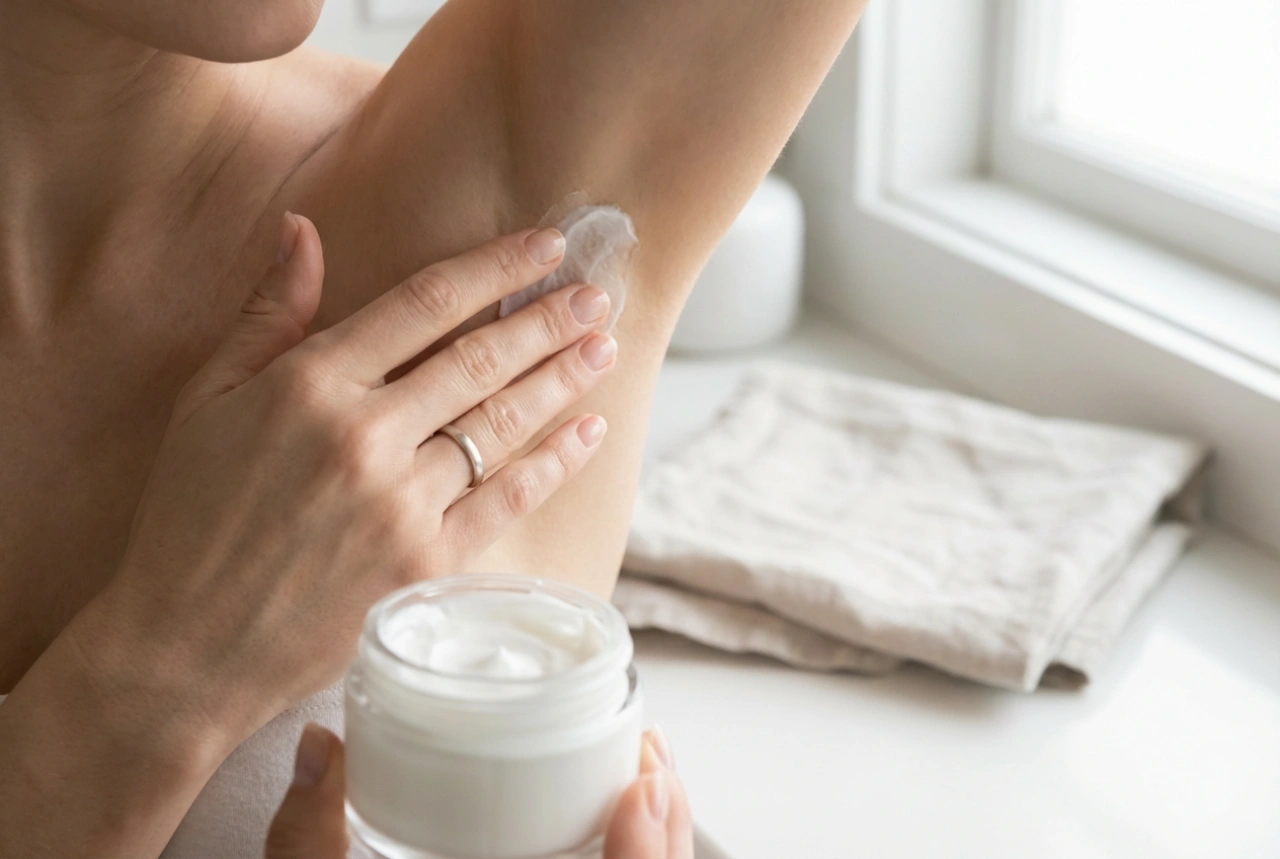
Apply a lightweight, soothing balm or lotion to restore moisture and support the skin barrier. Look for natural, calming ingredients such as aloe vera, chamomile or panthenol. Avoid products containing heavy oils, synthetic fragrances or alcohol, as these can clog pores or cause a stinging sensation. A minimalist, soothing formulation is ideal for keeping the skin soft, calm and protected.
Long-Term Maintenance and Prevention
Maintaining a smooth bikini line between hair removal sessions involves a consistent, gentle skincare routine. A few days after the procedure, once any initial redness has completely subsided, reintroduce gentle exfoliation two to three times a week. Keeping the skin moisturised daily ensures that new hair growth can break through the surface easily, significantly reducing the occurrence of uncomfortable ingrown hairs. Additionally, always wear loose, breathable cotton underwear immediately after hair removal to allow the skin to breathe and recover naturally without friction.