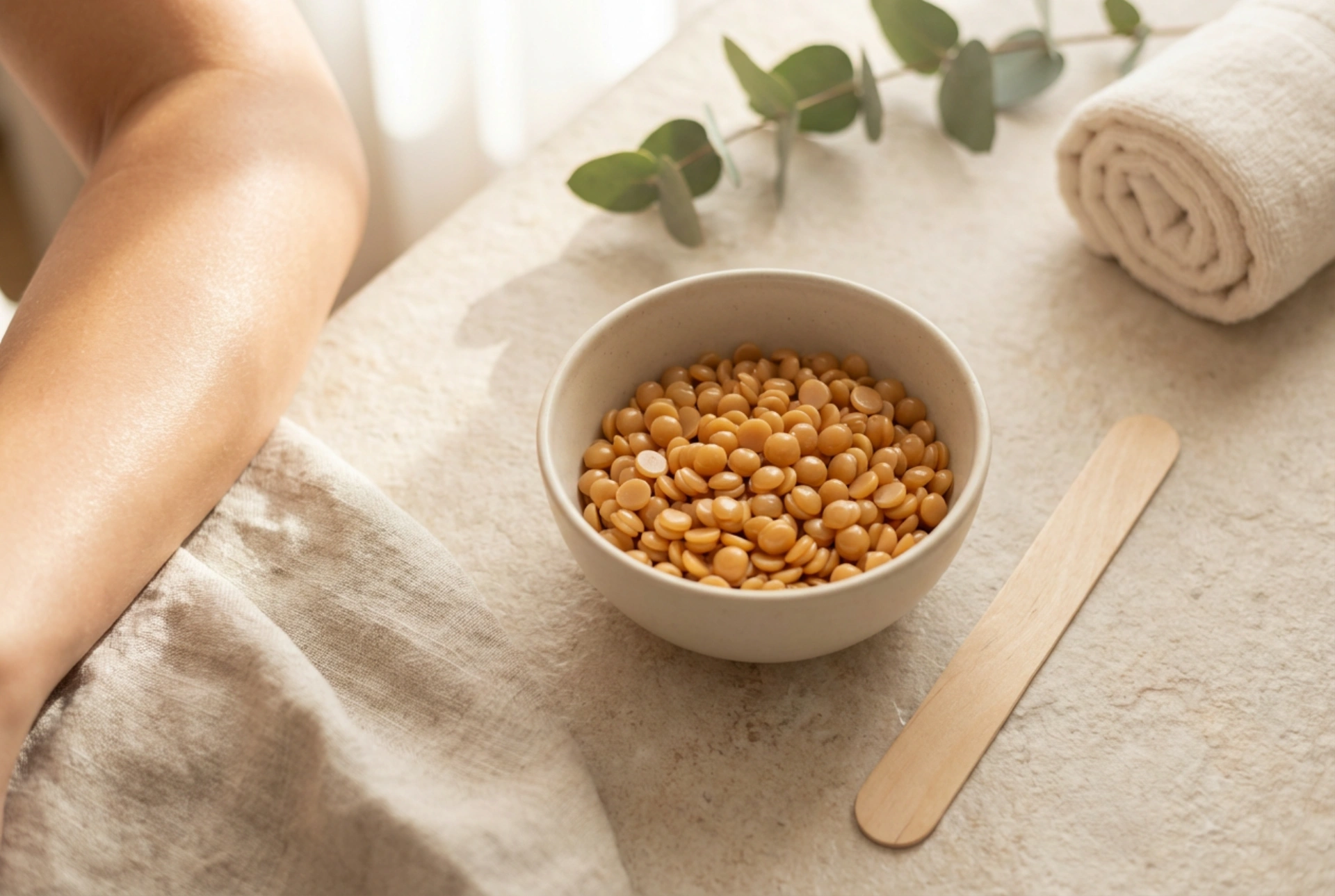


Achieving smooth, radiant skin from the comfort of your own home has become a cherished self-care ritual for many. A simple ceramic bowl filled with generic wax beads and a wooden spatula, set against a minimalist backdrop, represents the perfect, clean aesthetic of a successful beauty routine. While depilation might seem intimidating at first, understanding the science behind choosing, heating, and applying wax can transform this process into a highly effective and satisfying practice. With the right technique, you can enjoy long-lasting softness without relying on frequent salon visits.
Understanding Wax Types: Soft Wax vs. Hard Wax
To achieve the best results, it is essential to understand the different types of depilatory wax available for home use. The two primary categories are hard wax and soft (or strip) wax. Each has unique properties that make it suitable for specific body areas and hair types.
Hard Wax
Hard wax is highly favoured for sensitive areas such as the underarms, bikini line, and face. It is applied warmly in a thick layer and hardens as it cools, gripping the hair directly rather than adhering to the skin. This makes the removal process much gentler on delicate areas, as it minimizes skin irritation. No paper or fabric strips are required; the wax is lifted by the edge and pulled off directly.
Soft Wax
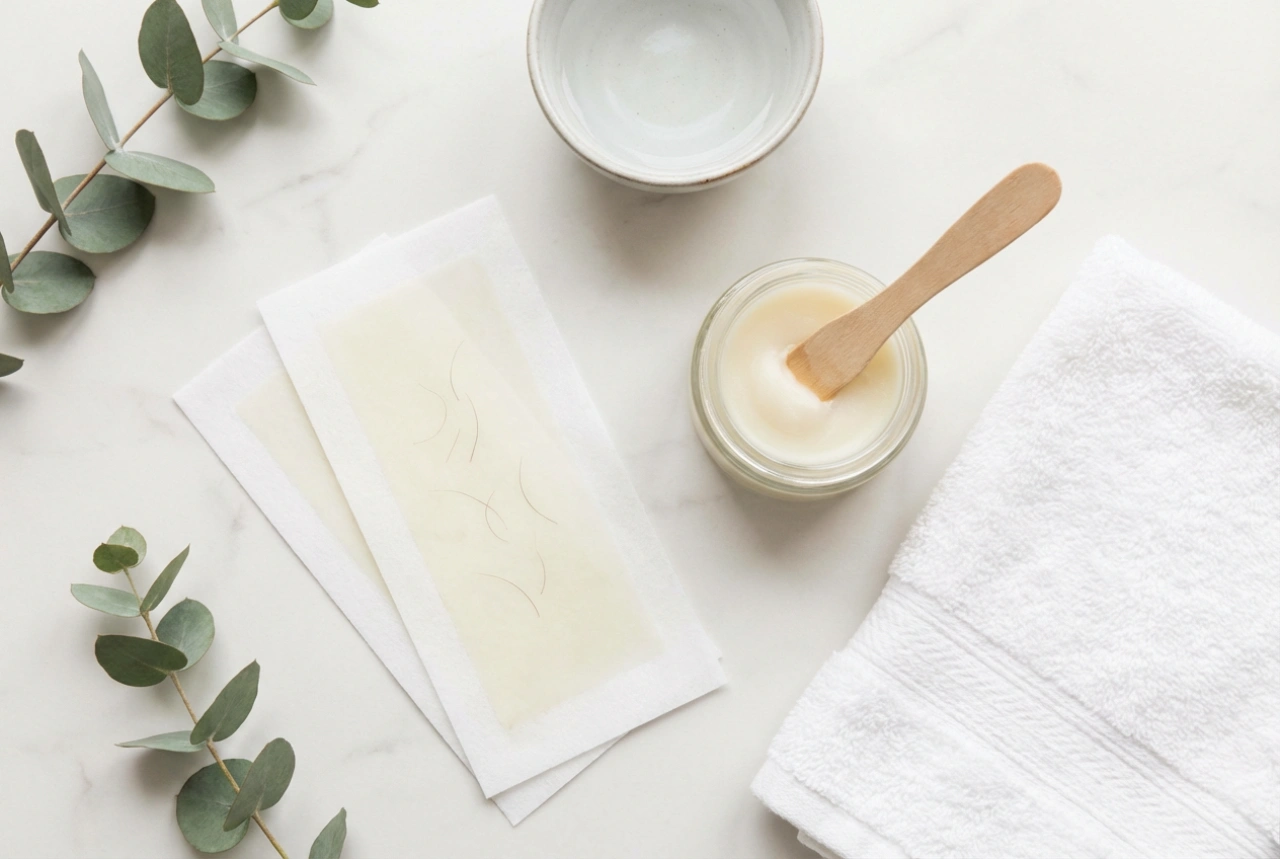
Soft wax is ideal for larger surfaces of the body, such as the legs and arms. It is applied in a very thin layer and requires a non-woven or paper strip to be pressed over it before removal. Because soft wax adheres to both the hair and the top layer of dead skin cells, it provides a mild exfoliation alongside hair removal, leaving the skin feeling remarkably smooth.
Preparing the Skin: The Foundation of Success
The key to a successful and comfortable waxing session lies in thorough skin preparation. Skipping this step can lead to uneven results, broken hairs, or minor irritation. Preparing the skin ensures that the wax can adhere perfectly to the hair shafts.
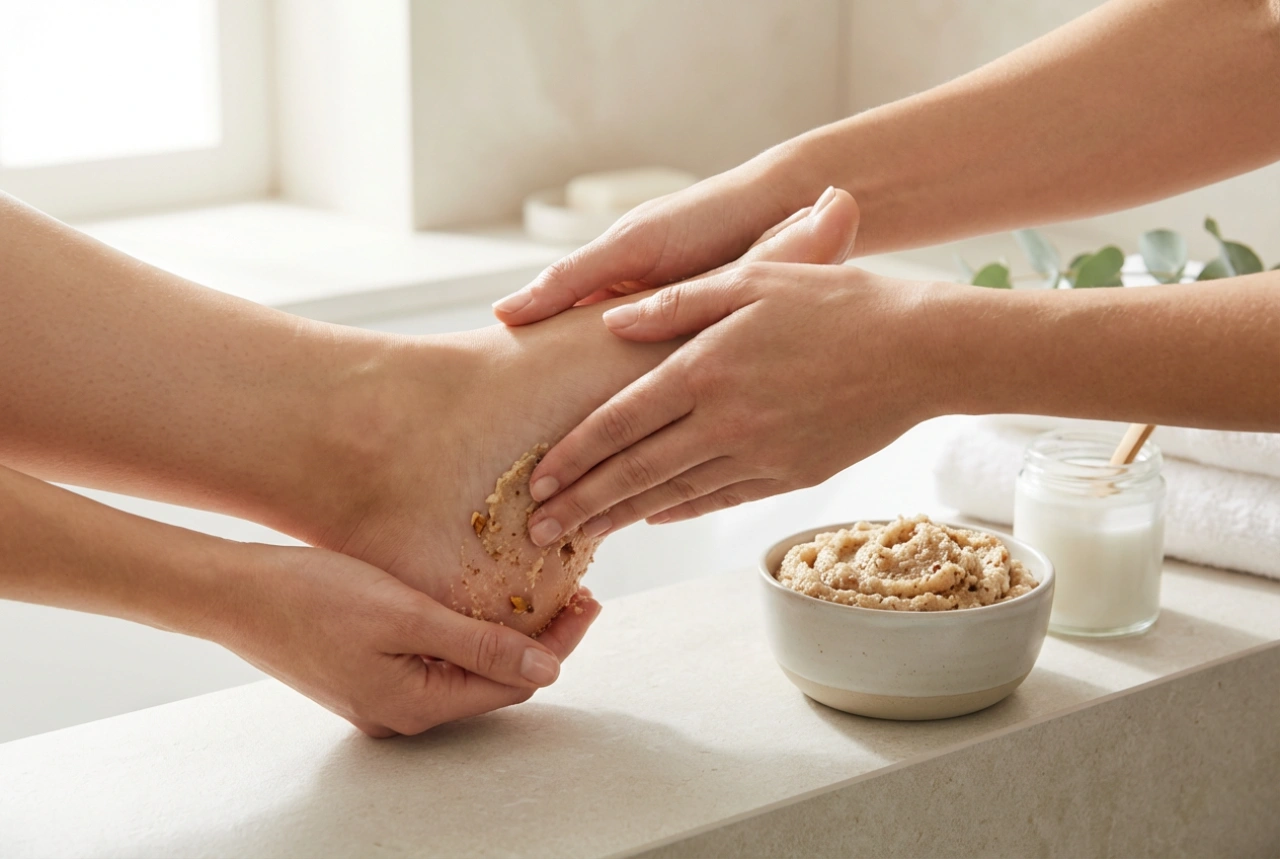
- Gentle Exfoliation: Cleanse and lightly exfoliate the target area 24 to 48 hours before your waxing session. This helps remove dead skin cells and lifts flat or trapped hairs, ensuring they are easily caught by the wax. Avoid harsh scrubs immediately before waxing to prevent over-sensitizing the skin.
- Cleanse and Dry: Wash the skin with a mild, soap-free cleanser to remove any traces of sweat, natural oils, deodorants, or moisturisers. The skin must be completely dry before application.
- Use Talc-Free Powder: Applying a very light dusting of talc-free powder or cornstarch to the area can absorb any lingering moisture. This acts as a barrier, ensuring the wax sticks only to the hair and not to the skin.
How to Heat Wax and Achieve the Perfect Consistency
Heating the wax correctly is crucial for both safety and effectiveness. Wax that is too cold will not spread evenly and may pull the skin uncomfortably, while wax that is too hot poses a risk of burns. Achieving the right consistency is an art that requires patience.
If you are using wax beads, they should be heated in a dedicated warmer according to the safety guidelines provided. The ideal consistency of warmed hard wax should resemble thick honey. It should be pliable and slow-moving, not runny like water. If the wax is dripping quickly off your wooden spatula, it is likely too hot and should be allowed to cool down for a few minutes.
Before applying the wax to a larger area, always perform a patch test on the inside of your wrist. This allows you to verify that the temperature is comfortable and safe for your skin. Consistent temperature control throughout the process ensures an even application and a much more comfortable experience.
The Technique: Precise Application and Removal
The way you apply and pull the wax determines how effective the hair removal will be. Precision and confidence are your best tools when performing this beauty ritual at home.
Start by loading a small amount of wax onto the edge of your wooden spatula. Apply the wax firmly in the direction of hair growth. Pressing down gently ensures that each hair is completely coated from the root. For hard wax, make sure to leave a slightly thicker tab at the end of the strip where there is no hair; this gives you a clean grip to pull from once the wax sets.
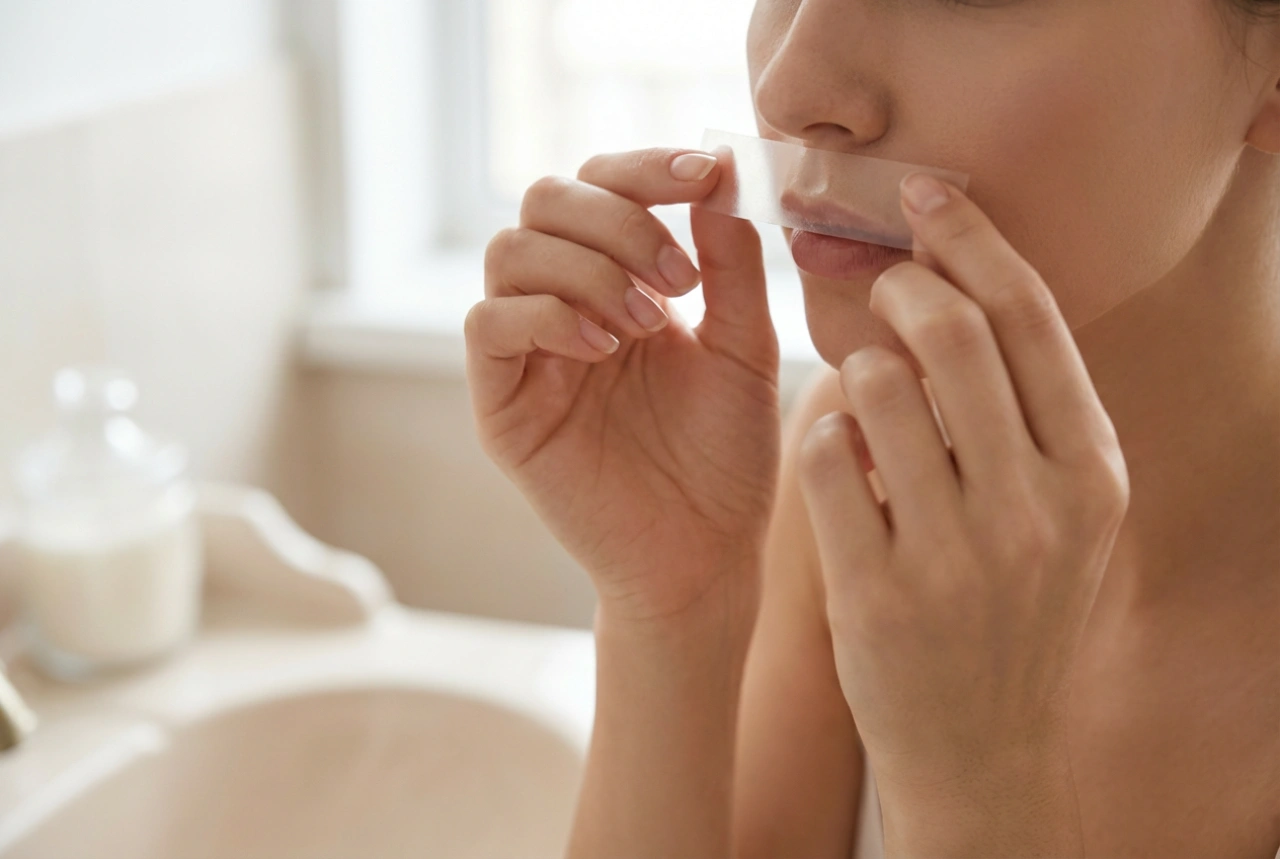
When it is time to remove the wax, timing is key. Hard wax should feel firm but still pliable—if it gets too cold, it becomes brittle and may crack. To remove either hard or soft wax, always keep the skin taut with one hand. This is the most important step to prevent bruising and discomfort. With your other hand, grip the edge of the wax or strip and pull it back quickly in the opposite direction of hair growth. Keep your hand close and parallel to the skin rather than pulling upwards, which can cause skin lifting or broken hairs.
Post-Wax Care: Soothing and Restoring the Skin
Once the depilation is complete, caring for your freshly treated skin is essential to maintain its radiance and prevent redness. Immediately after waxing, use a gentle, oil-based cleanser or a nourishing body oil to dissolve any sticky wax residue left behind.
To soothe the skin, apply a light, cooling lotion containing soothing botanicals such as aloe vera or chamomile. Avoid rich, heavy creams or fragranced products that could clog the open pores. For the first 24 to 48 hours following your session, it is wise to follow these simple guidelines:
- Wear loose, breathable cotton clothing to prevent friction and sweat buildup.
- Avoid hot baths, saunas, swimming pools, and direct sun exposure, as the skin is temporarily more sensitive to heat and UV rays.
- Postpone intense physical workouts that cause heavy sweating, which can irritate newly opened follicles.
By establishing a consistent routine of gentle exfoliation, precise hair removal, and dedicated aftercare, you can maintain beautifully smooth skin and enjoy a clean, modern beauty ritual in the comfort of your own home.