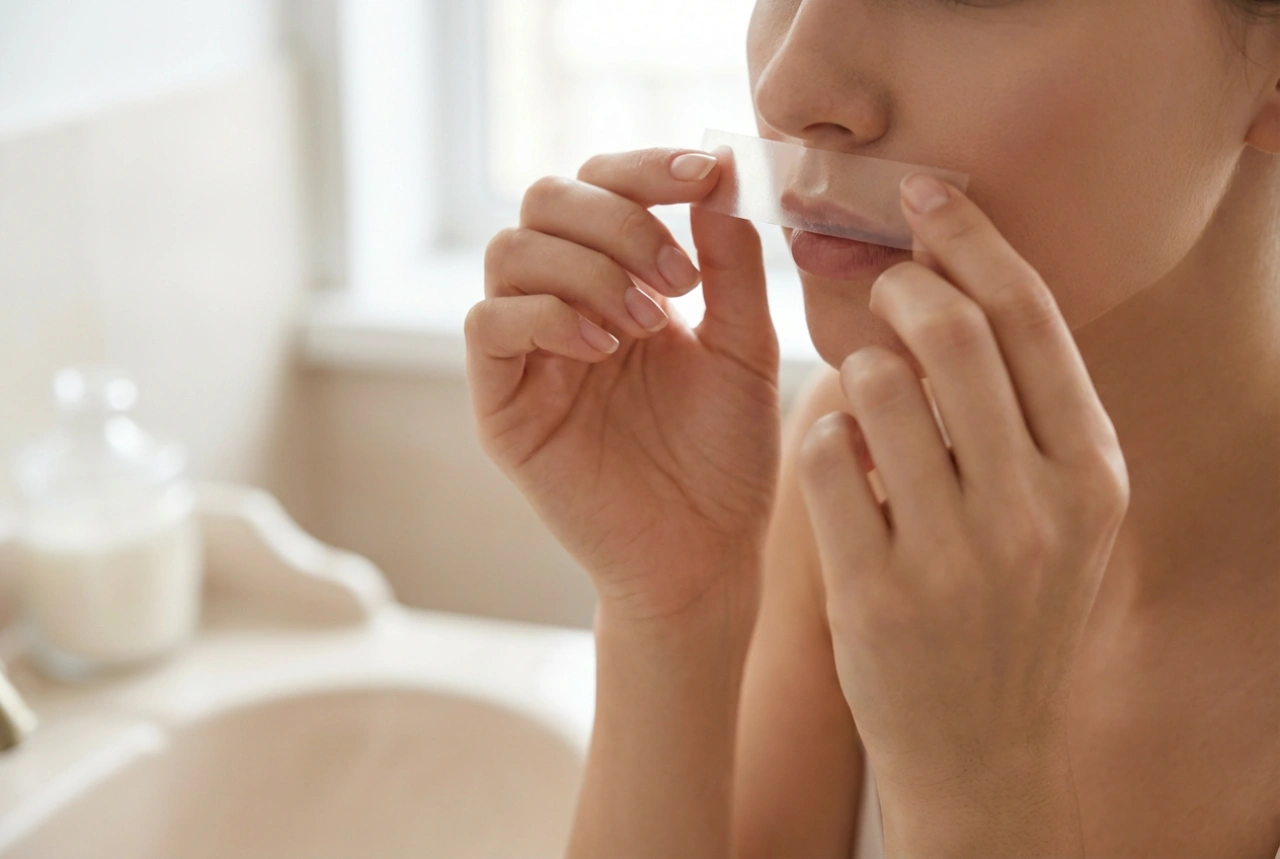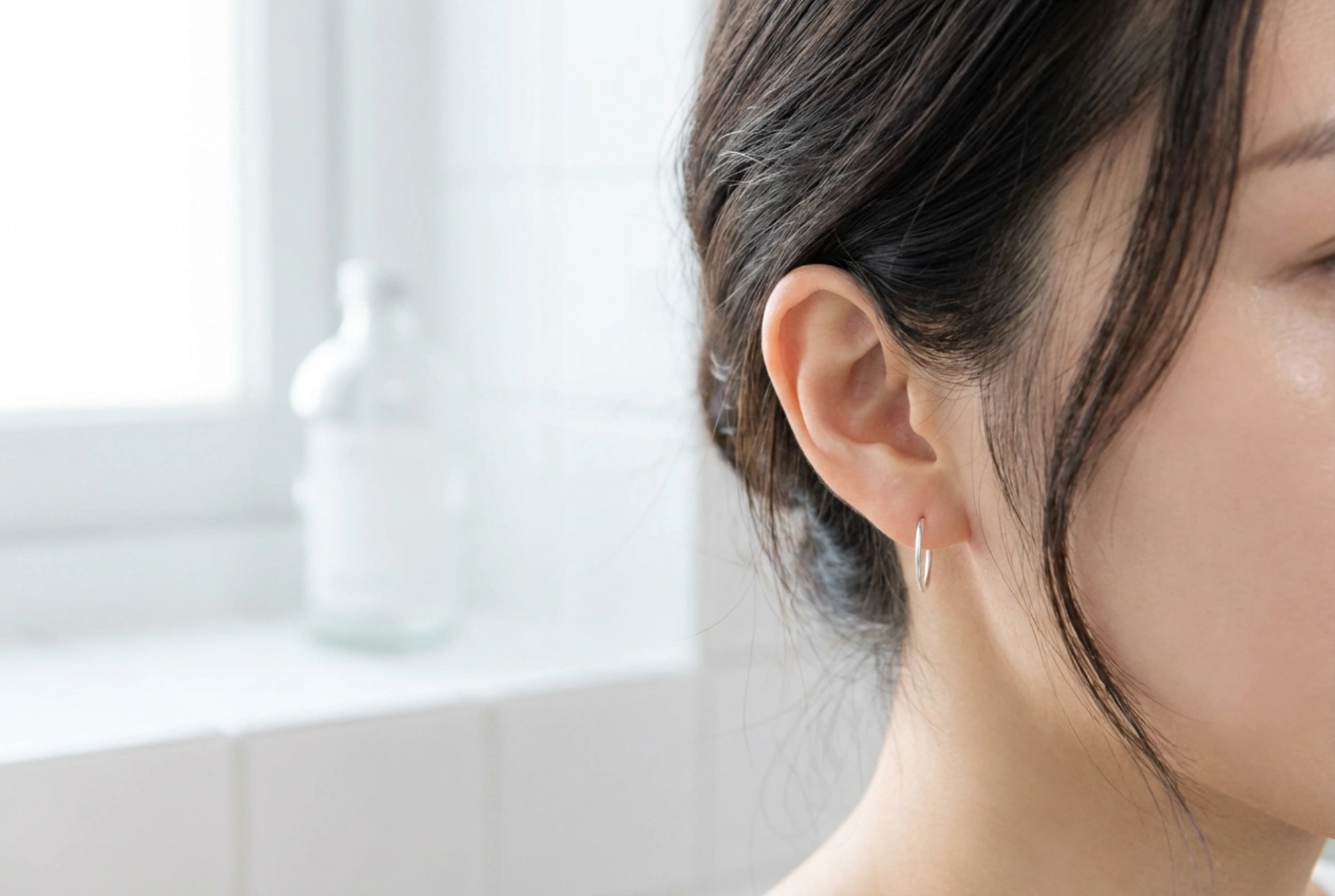


Achieving a refined, well-maintained appearance is often down to the smallest details of our beauty routine. While we readily focus on brows, lips, and facial skin, the delicate area around the ears is frequently overlooked. Fine, soft hairs or stray strands around the ear lobe and outer rim can catch the light, detracting from an otherwise smooth and polished aesthetic. Ear waxing has become an increasingly popular, long-lasting solution for those seeking to maintain a clean, tidy, and elegant look. By focusing on safe, gentle methods, you can easily incorporate this grooming step into your regular self-care ritual.
The Benefits of Ear Waxing for a Clean Aesthetic
Unlike shaving or trimming, which merely cut the hair at the surface and can lead to prickly regrowth within days, waxing removes the hair directly from the root. This results in incredibly smooth skin that lasts for several weeks. Over time, consistent waxing can even cause the hair to grow back finer and softer, making subsequent treatments much easier and less frequent.
For those who prefer a meticulous grooming standard, ear waxing ensures that fine peach fuzz and coarser hairs on the outer ear are completely cleared. This provides a clean canvas that beautifully frames the face, enhances the appearance of earrings, and complements swept-back hairstyles. It is a simple cosmetic enhancement that yields immediate, satisfying results without requiring daily maintenance.
Choosing the Right Wax for Sensitive Skin
The skin on and around the ears is exceptionally thin, delicate, and sensitive. Therefore, choosing the correct type of wax is vital to avoid irritation, redness, or bruising. There are two primary types of wax used for cosmetic hair removal: hard wax and strip (soft) wax.
- Hard Wax: This is highly recommended for the ear area. Hard wax is applied warm and hardens as it cools, shrink-wrapping around the hair strands rather than sticking directly to the skin. When removed, it pulls the hair out with minimal discomfort, making it exceptionally gentle for delicate contours.
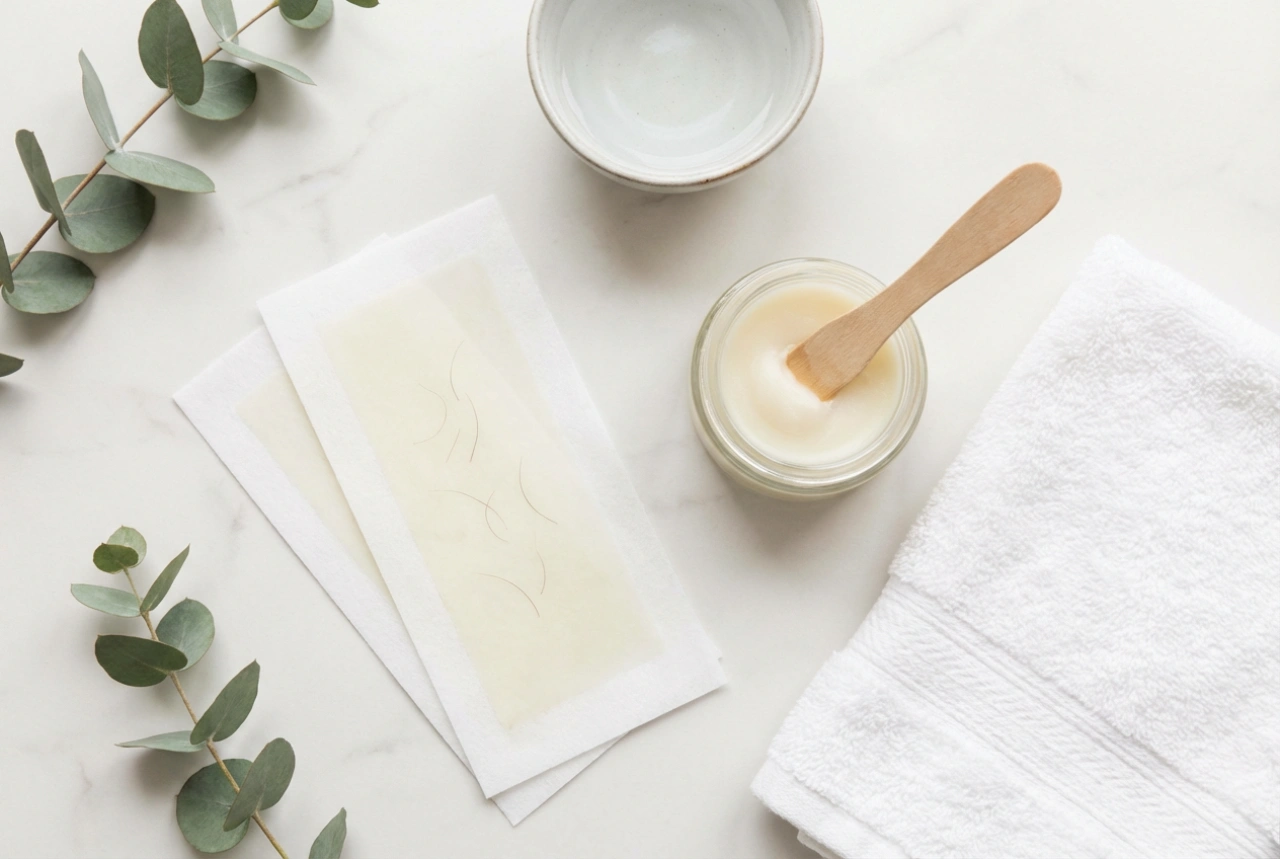
- Soft Wax: This type requires paper or fabric strips for removal. While highly effective for larger areas like the legs, soft wax can adhere too strongly to the delicate skin of the ears, increasing the risk of irritation. It is generally best avoided for this specific zone.
A Safe and Gentle Step-by-Step Waxing Technique
When performing ear waxing at home, safety and caution must always come first. The golden rule of ear waxing is to only treat the visible, outer parts of the ear, such as the lobe, helix, and tragus. Never attempt to insert wax into the inner ear canal, as this can cause injury.
To ensure a safe and successful session, follow these practical steps:
- Preparation: Thoroughly clean the outer ear with a gentle, alcohol-free cleanser to remove excess oils, lotion, or sweat. Ensure the skin is completely dry before proceeding. You can apply a tiny amount of pre-wax powder to absorb any residual moisture.
- Temperature Check: Warm the hard wax according to instructions. Always test a small dab on your inner wrist first to ensure it is comfortably warm, not hot.
- Application: Using a small, precise wooden spatula, apply a thick layer of wax to the outer ear lobe or rim in the direction of hair growth. Keep the application controlled and away from the opening of the ear canal. Place a small cotton ball loosely at the entrance of the canal as a physical barrier to prevent accidental dripping.
- Removal: Allow the wax to cool and harden until it is no longer tacky. Hold the skin taut with one hand to minimise discomfort. Grip the edge of the wax and pull it quickly and smoothly in the opposite direction of hair growth, keeping your hand close and parallel to the skin.
- Soothe: Immediately apply a cold compress or a soothing, unscented lotion containing aloe vera or chamomile to calm the skin and reduce temporary redness.
Essential Post-Treatment Care
Proper aftercare is key to preventing irritation and keeping the waxed area smooth and healthy. For the first twenty-four hours after waxing, avoid touching your ears with unwashed hands to prevent introducing dirt to the open follicles. It is also wise to skip heavy perfumes, alcohol-based toners, and hot showers, as these can aggravate newly waxed skin. By maintaining a clean, gentle post-waxing routine, you can enjoy a beautifully groomed, touchably soft look that enhances your natural elegance.