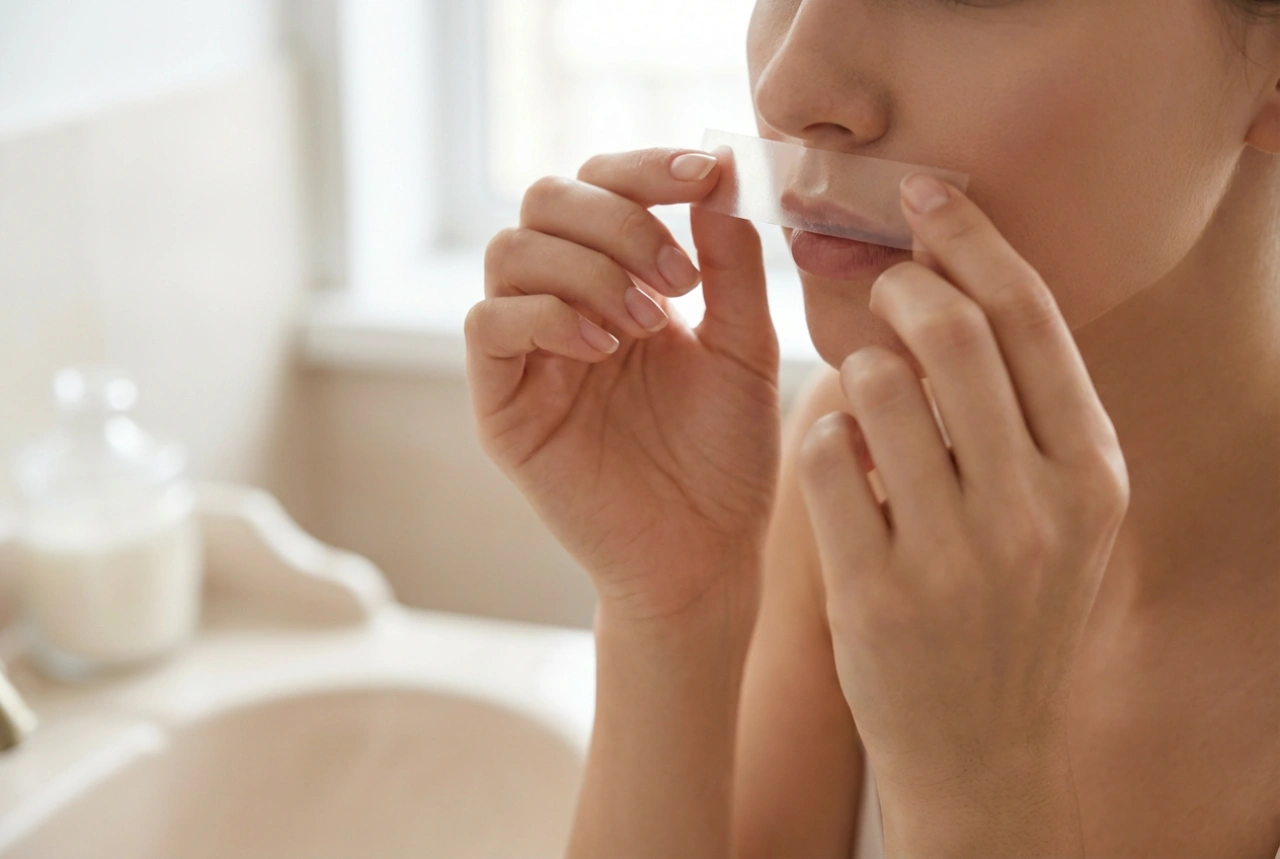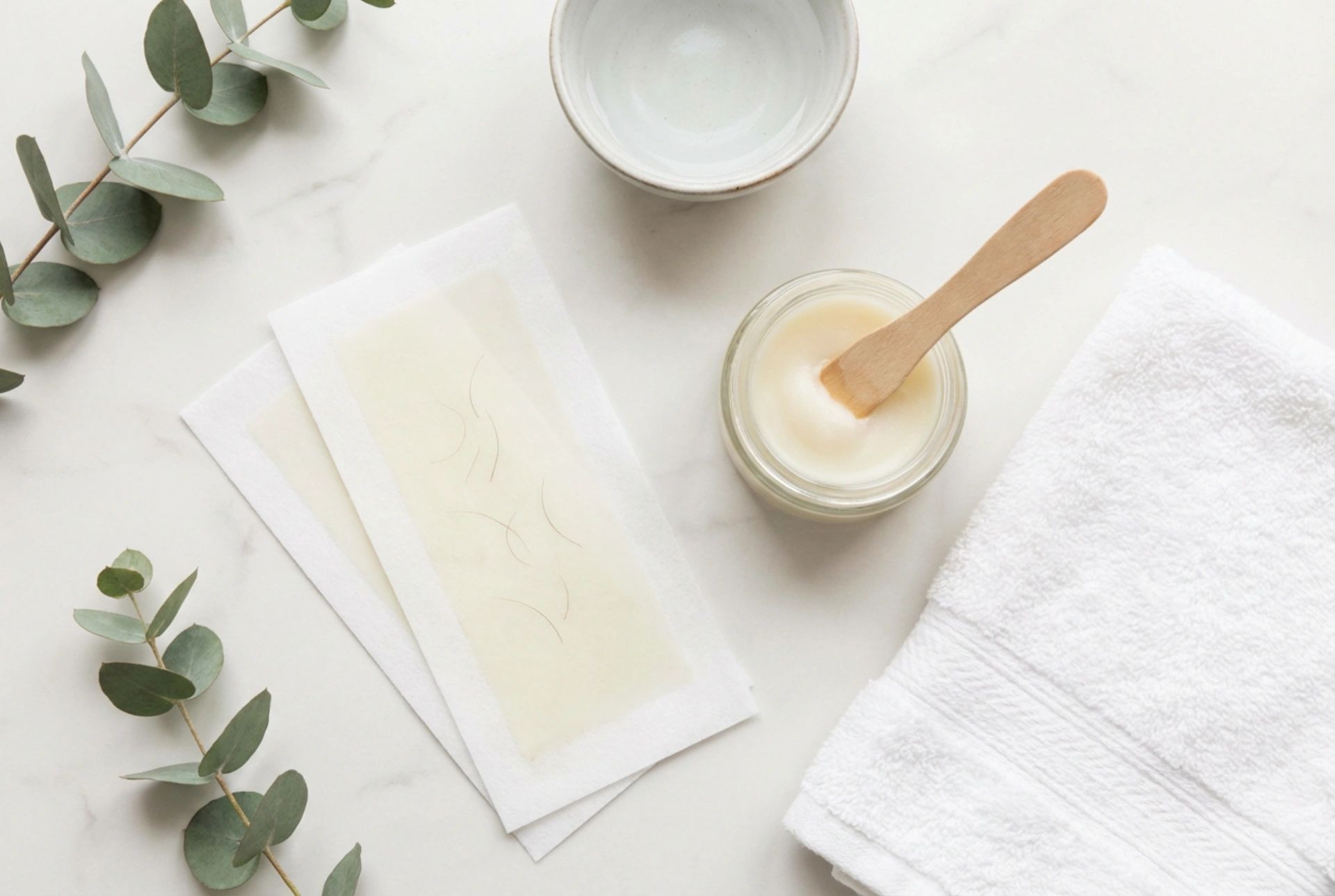


Achieving smooth underarms at home can be a simple and satisfying part of your self-care routine. Creating a serene environment with a minimalist setup—including gentle wax strips, a soothing balm, and a soft cotton towel—sets the perfect stage for a successful beauty ritual. Underarm waxing offers long-lasting results, but because the skin in this area is particularly delicate and sensitive, using the correct technique is essential. By understanding the proper pre- and post-waxing steps, you can easily minimise discomfort, prevent unsightly irritation, and keep ingrown hairs at bay.
Preparing the skin for a smooth start
The key to a successful at-home waxing experience lies in preparation. Neglecting this step can lead to poor wax adhesion, increased pain, or unnecessary irritation. To begin, ensure your underarm hair is of the correct length. Ideally, the hair should be between four to six millimetres long. If it is too short, the wax will not be able to grip it properly; if it is too long, the process may be more uncomfortable than necessary.
A day before you plan to wax, gently exfoliate the underarm area. This helps to remove dead skin cells and lift flat hairs, making the waxing process smoother. On the day of waxing, make sure your skin is completely clean and dry. Avoid applying any moisturisers, deodorants, or oils beforehand, as these products can create a barrier between the wax and the hair. To ensure the skin is thoroughly dry and to absorb any trace of moisture, you can lightly dust the area with a small amount of unscented talc-free powder.
Step-by-step waxing technique
When you are ready to begin, sit or stand in a well-lit space in front of a mirror. This allows you to clearly see the direction of your hair growth, which is crucial because underarm hair often grows in multiple directions. Typically, the upper section grows upwards, while the lower section grows downwards. For the best results, it is highly recommended to wax the underarm in two separate stages.
- Apply with precision: Apply the wax strip firmly in the direction of the hair growth. Smooth it down several times with your fingers to ensure it adheres well to the hairs.
- Hold the skin taut: With one hand, stretch the skin of your underarm as tight as possible. This is the single most important action to reduce discomfort and protect the delicate skin from bruising.
- Pull quickly: Using your other hand, grip the edge of the strip and pull it back quickly and parallel to the skin, in the opposite direction of hair growth. Avoid pulling upwards, as this can cause skin damage and break the hairs instead of pulling them from the root.
Once the strip is removed, immediately press your clean hand or a soft, cool towel against the area for a few seconds to soothe the nerve endings and calm the immediate sensation.
Post-waxing care to prevent irritation
Immediately after waxing, your skin will be sensitised and the hair follicles will remain open for a few hours. This is the most vulnerable phase, where proper care is vital to avoid redness and bumps. Start by removing any residual wax using a gentle post-wax oil or a mild, skin-safe lipid cleanser. Avoid scrubbing or using harsh soaps on the freshly waxed area.
To soothe the skin, apply a thin layer of a cooling, alcohol-free balm or lotion. Natural ingredients like aloe vera or chamomile are excellent choices for calming temporary redness. For at least twenty-four hours following your waxing session, it is best to adhere to the following simple rules:
- Avoid applying traditional deodorants or antiperspirants containing alcohol or heavy fragrances.
- Wear loose, breathable clothing made of natural fibres like cotton to prevent friction and sweat buildup.
- Steer clear of hot baths, saunas, swimming pools, and intense workouts that cause excessive sweating.
Preventing ingrown hairs after waxing
Ingrown hairs occur when new, finer hairs grow back and bend inwards, failing to break through the surface of the skin. This can lead to small, uncomfortable bumps. Fortunately, a consistent post-waxing routine can easily prevent this issue from arising.
Two to three days after waxing, once the initial redness has completely subsided, you can begin gentle exfoliation. Using a soft washcloth, a mild body scrub, or a gentle exfoliating lotion once or twice a week will keep the skin clear of dead cells, allowing the new hairs to grow out freely. Additionally, keeping the underarm skin well-hydrated with a lightweight, non-comedogenic moisturiser ensures the skin remains soft and flexible, further reducing the likelihood of trapped hairs. By incorporating these simple habits into your weekly beauty ritual, you can enjoy beautifully smooth underarms with total confidence.