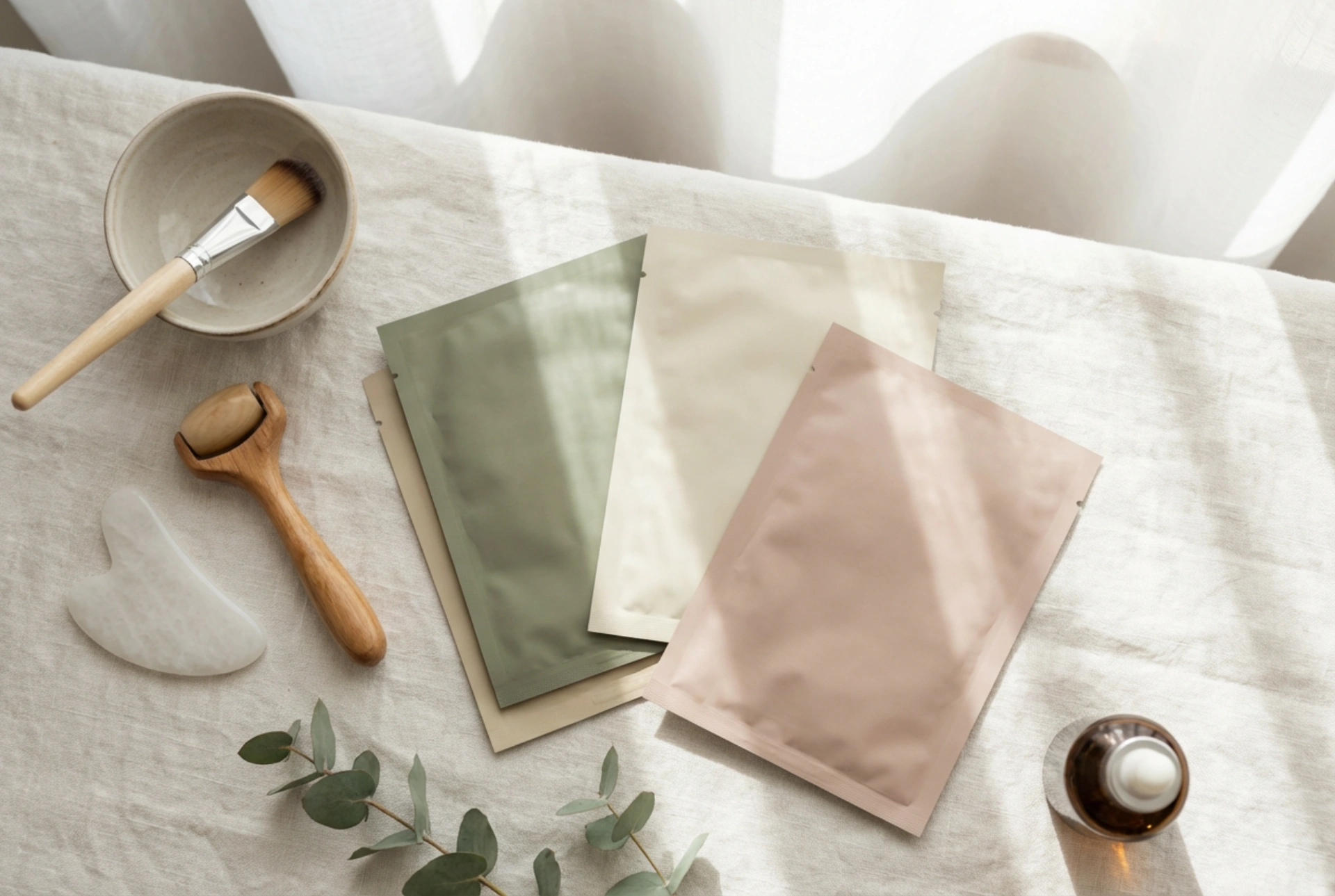


Creating a serene atmosphere at home with a few simple skincare tools and a selection of beautifully packaged masks is one of the most effective ways to unwind. The popularity of Korean face masks stems from their focus on deep hydration, gentle nourishment, and the promotion of a radiant, healthy-looking complexion. Incorporating these products into your weekly routine offers more than just aesthetic benefits; it provides a dedicated moment of relaxation and self-care. To get the most out of these treatments, it is essential to understand the different types available and how to apply them correctly.
The Main Categories of Korean Face Masks
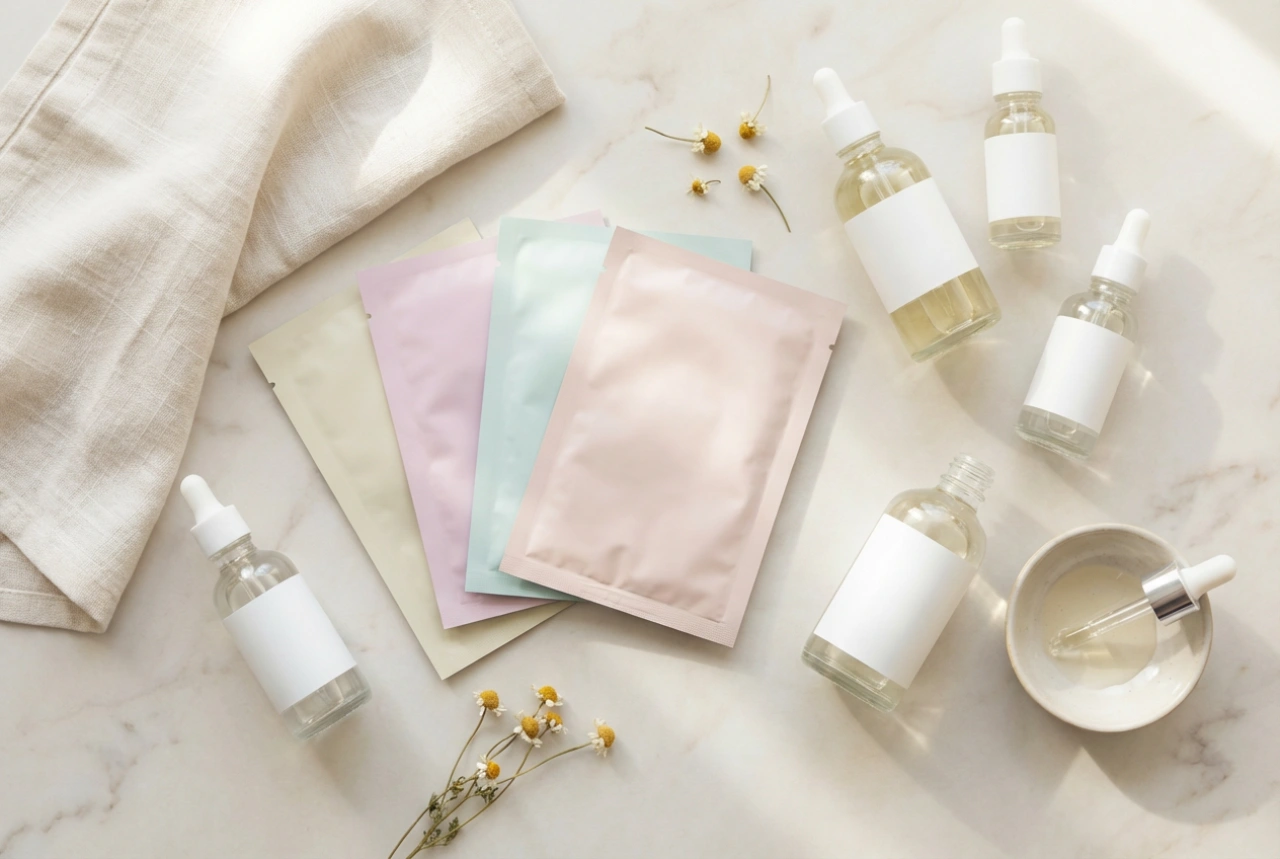
Korean skincare offers a wide variety of mask formats, each designed to address specific needs and fit seamlessly into your existing beauty ritual. Understanding these categories helps you select the perfect option for your skin's daily requirements:
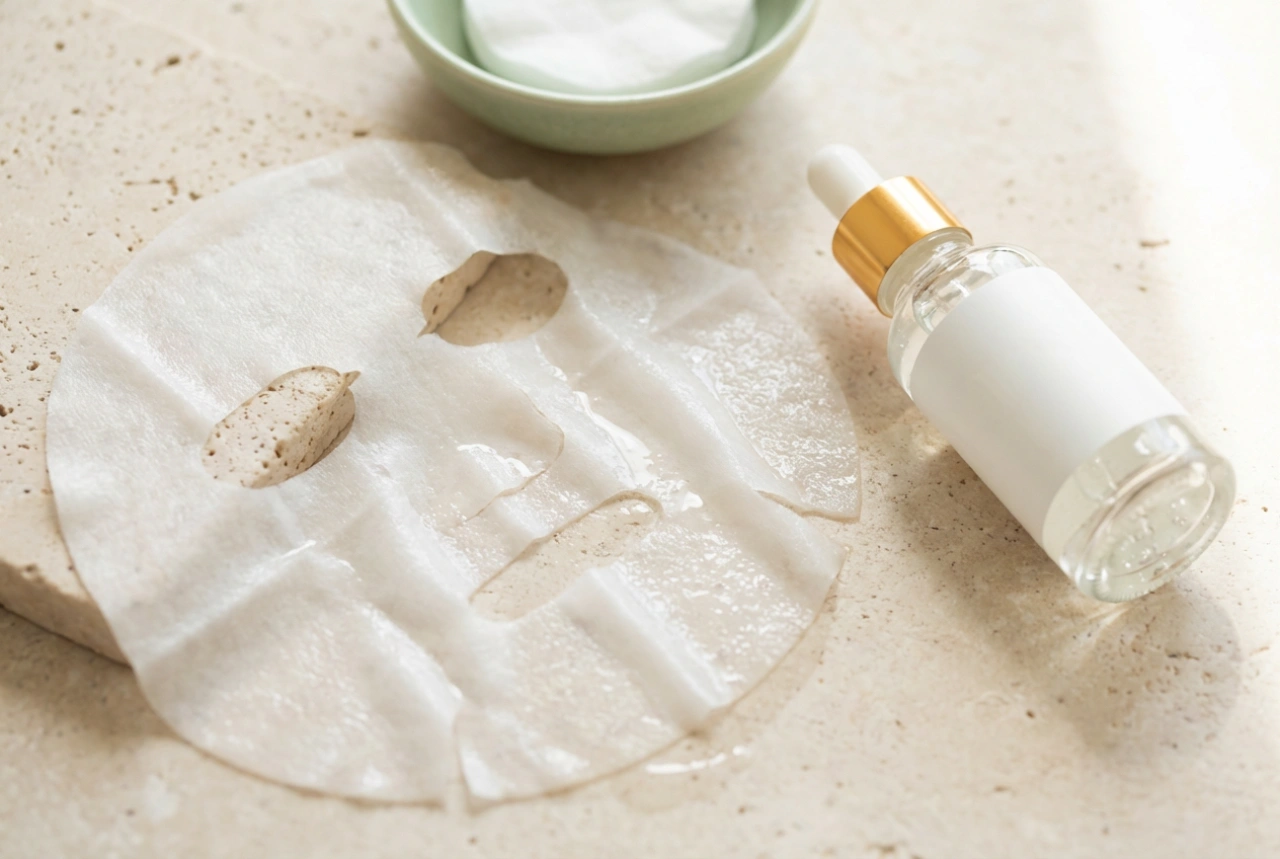
- Sheet Masks: Typically made of cotton, hydrogel, or bio-cellulose, these single-use sheets are soaked in a concentrated serum. They act as a physical barrier, preventing moisture from evaporating and forcing the active ingredients deep into the outer layers of the skin.
- Clay and Wash-Off Masks: These formulations are applied as a cream or paste and washed off after a set period. They are excellent for gently purifying the skin, absorbing excess sebum, and smoothing the skin's texture without stripping away natural oils.
- Sleeping Masks: Also known as sleeping packs, these are rich creams applied as the final step of your evening routine. They work overnight to lock in moisture, allowing you to wake up with a plump, refreshed complexion.
Choosing the Right Mask for Your Skin's Needs
Selecting the ideal mask requires a clear understanding of your skin's current condition. Because our skin changes with the seasons, stress levels, and environment, it is beneficial to keep a small variety of options on hand.
For skin that feels tight, dry, or dehydrated, look for masks rich in moisture-binding ingredients such as hyaluronic acid, glycerin, and bamboo extract. These ingredients draw water into the skin, instantly restoring plumpness and elasticity.
If your goal is to soothe temporary redness or irritation caused by environmental factors, opt for calming botanical extracts. Ingredients like centella asiatica, green tea, and chamomile are renowned for their gentle, comforting properties, helping to restore balance to stressed skin.
For those looking to revitalise a dull or tired appearance, masks containing rice ferment filtrate, propolis, or mild fruit enzymes can gently brighten the skin tone and promote a natural, healthy glow.
How to Optimise Your Mask Application at Home
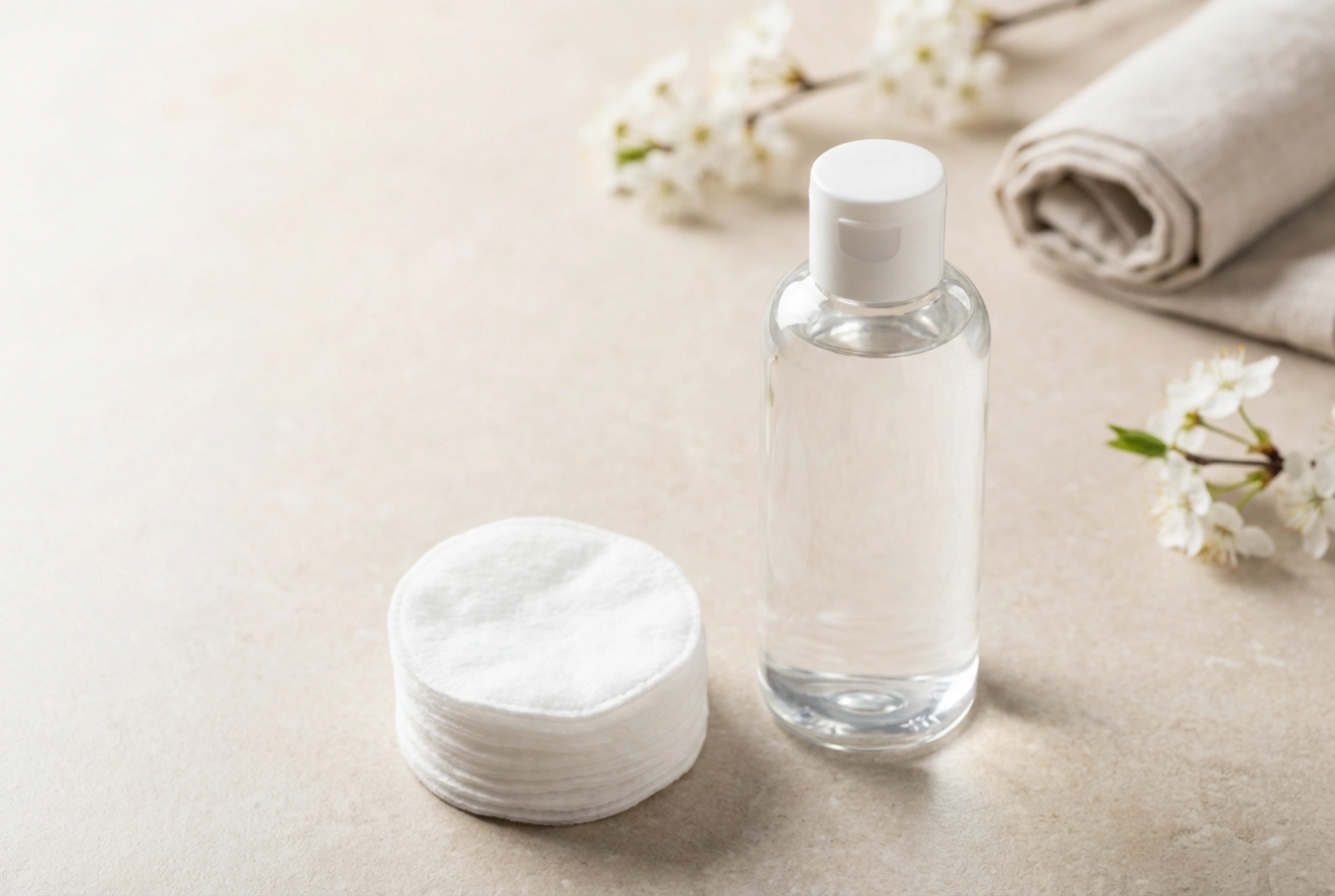
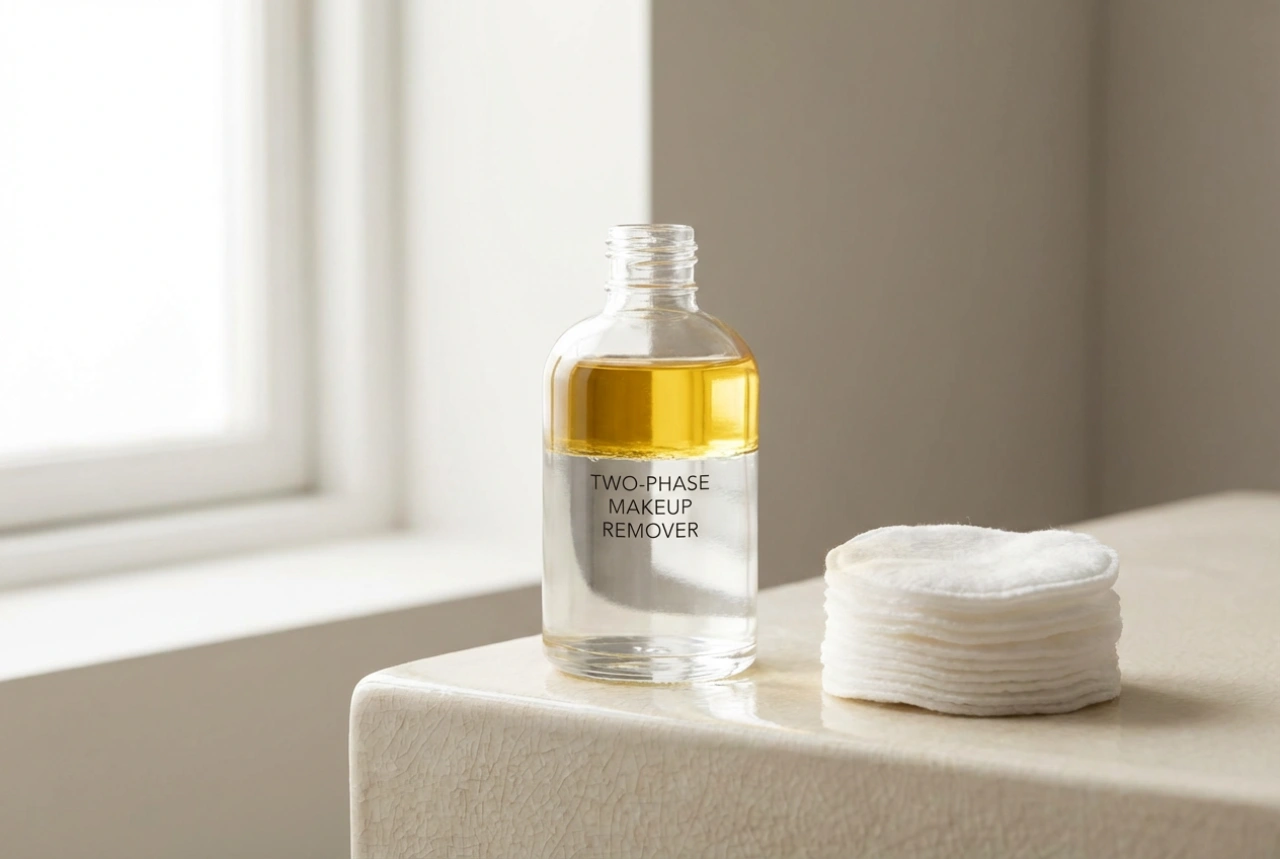
To maximise the benefits of your chosen mask, preparation is key. Always begin with a clean canvas. Start by thoroughly cleansing your face to remove any makeup, impurities, or sunscreen. Following up with a gentle toner helps balance your skin's pH and prepares it to absorb the active ingredients from the mask more efficiently.
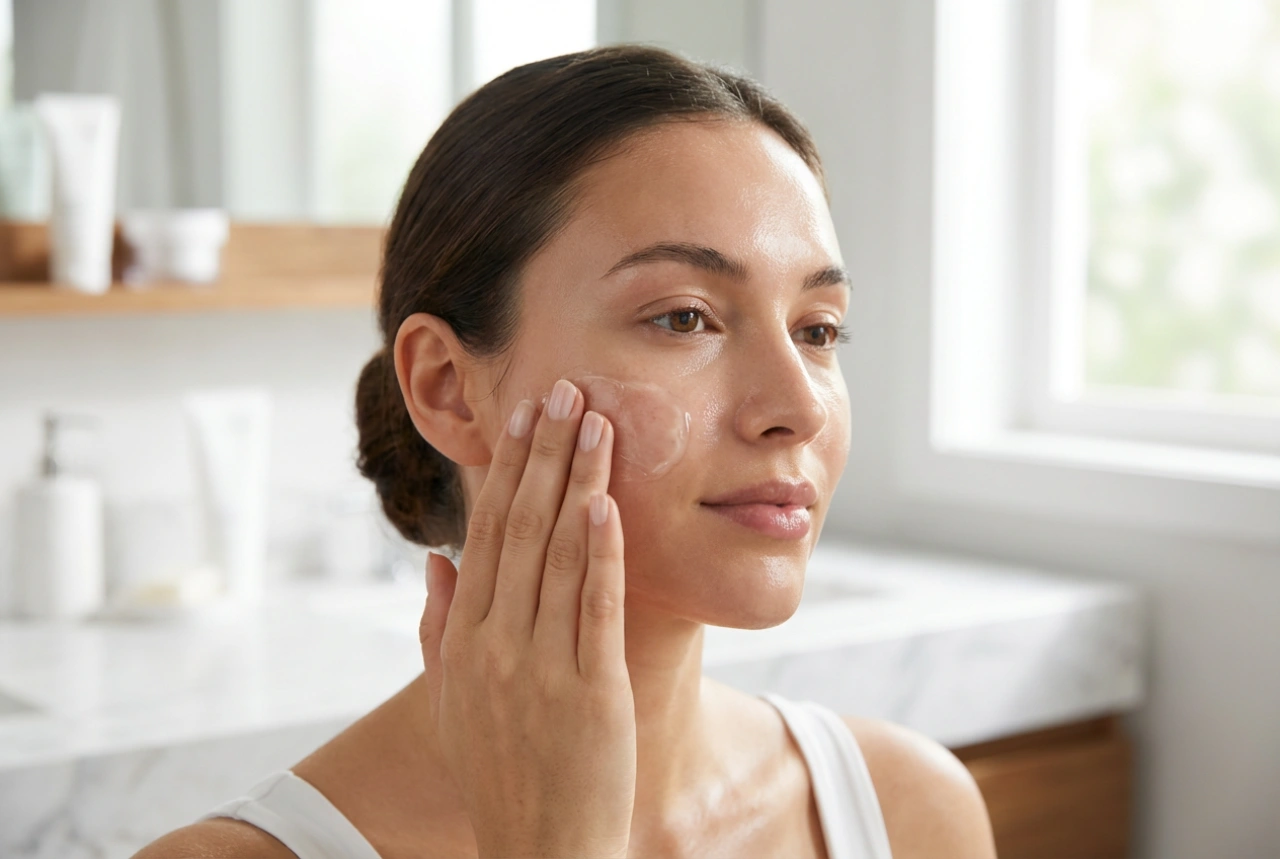
When applying a sheet mask, carefully unfold it and smooth it over your face, aligning the holes with your eyes, nose, and mouth. To elevate the experience, you can use simple skincare tools like a jade roller or a cool facial massage wand over the sheet. This not only feels incredibly relaxing but also helps distribute the serum evenly. Leave the mask on for the recommended time—usually 15 to 20 minutes. After removing it, do not wash your face; instead, gently pat the remaining essence into your skin, neck, and décolletage.
Common Mistakes to Avoid in Your Mask Ritual
While using face masks is straightforward, avoiding a few common pitfalls will ensure you get the best possible results. One frequent mistake is leaving sheet masks on for too long, or even letting them dry completely on the face. Once a sheet mask begins to dry, it can actually start drawing moisture back out of your skin. Always adhere to the recommended timing on the packaging.
Another tip is to avoid over-exfoliating. If you are using a purifying wash-off mask, limit its use to once or twice a week, and always follow up with a hydrating moisturiser to keep your skin barrier protected and nourished.