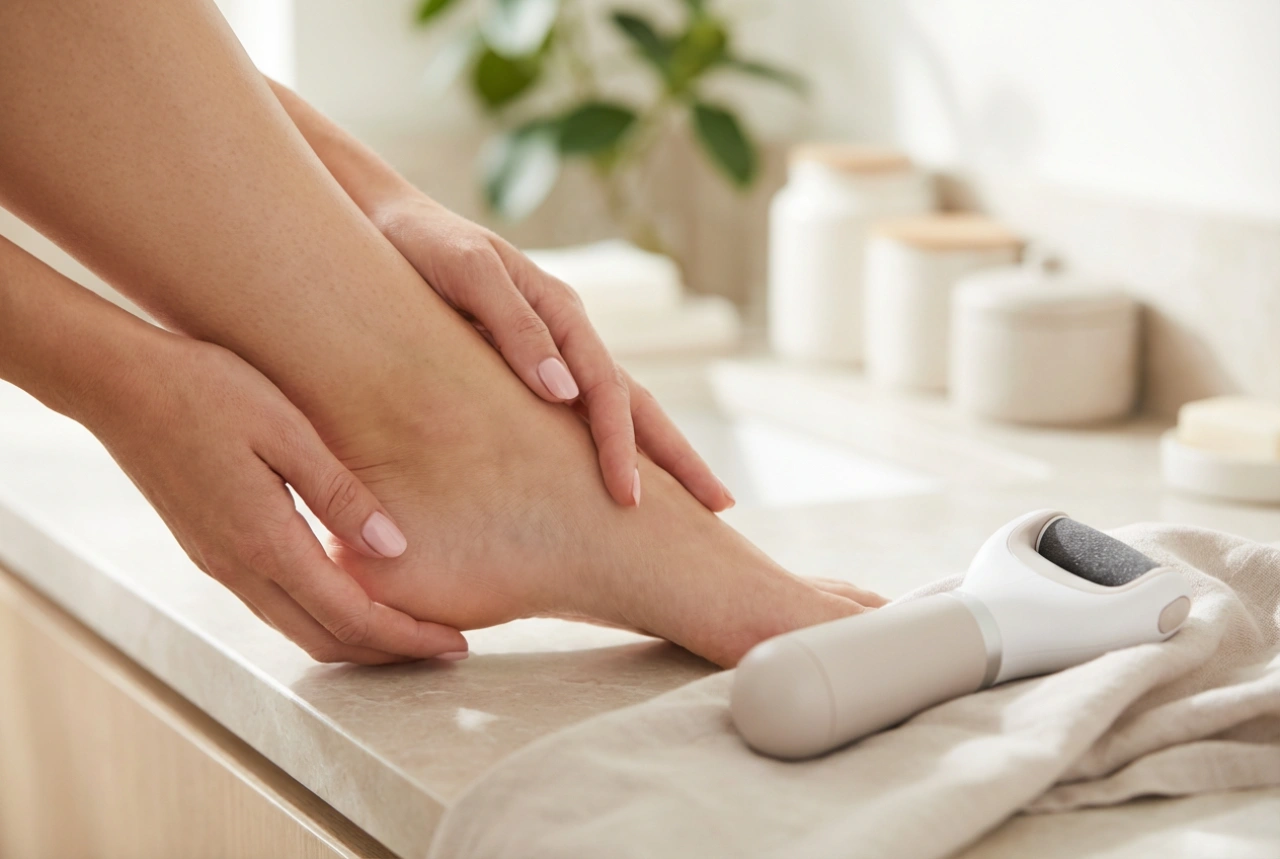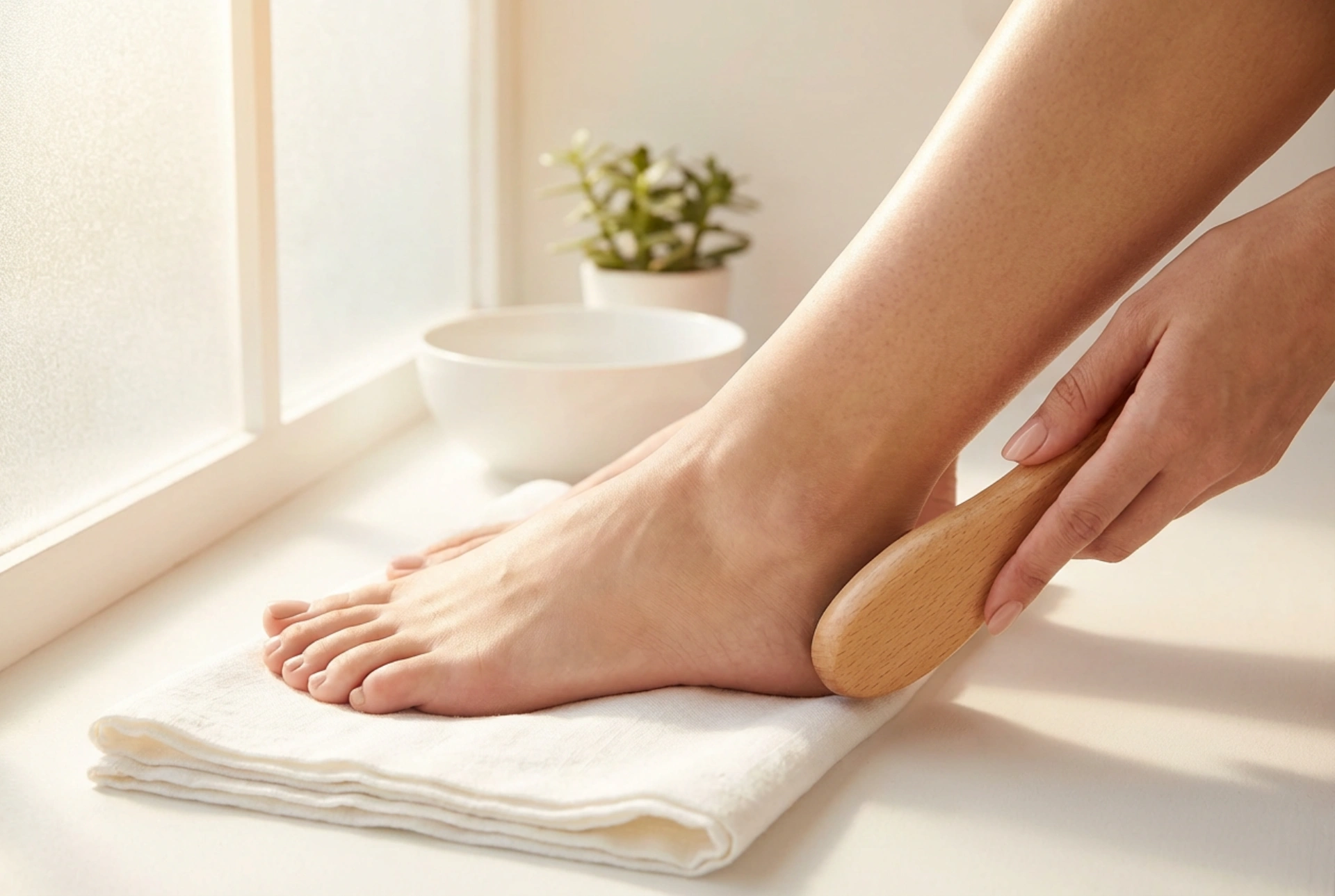


Maintaining beautifully soft, smooth heels is a key aspect of comprehensive personal care. Achieving that salon-smooth finish at home has become significantly easier with the advent of modern cosmetic foot buffers. Gentle, precise foot care not only enhances the aesthetic appeal of your feet but also supports general skin comfort. When using these devices, understanding how to handle them with a gentle technique is essential to achieve a refined, polished outcome without irritating the skin. A minimalist approach to foot care, focusing on regular, moderate maintenance rather than aggressive treatment, ensures that the skin remains supple and healthy-looking under any light.
Key Parameters of an Effective Foot Buffer
Selecting the right device requires a basic understanding of its technical specifications. While cosmetic foot buffers are designed for safe home use, their effectiveness relies on several key parameters that determine how efficiently they smooth the skin.
Rotational Speed and Power
The speed of a foot buffer is typically measured in rotations per minute (RPM). Devices designed for home cosmetic care usually operate within a safe range that allows for effective skin smoothing without generating excessive heat. It is beneficial to choose a model with adjustable speed settings. A lower speed is ideal for sensitive areas or delicate touch-ups, while a slightly higher setting helps in managing thicker areas of dry skin on the heels. Consistency in power is also crucial; devices that maintain their speed even when gentle pressure is applied offer a much smoother and more even finish.
Power Source Options
Cosmetic buffers generally come in three power configurations: battery-operated, rechargeable, or mains-powered. Rechargeable models equipped with modern lithium-ion batteries are often the most practical choice, offering cord-free convenience and consistent power output. Battery-operated units are highly portable but may lose power as the cells drain, leading to uneven performance. Mains-powered options provide unlimited run time but restrict movement, making the ergonomics of cordless models highly preferable for precise, delicate work.
Understanding the Attachments and Rollers
The success of your home pedicure depends heavily on selecting the correct attachment or roller head. Different surfaces are designed to address varying degrees of skin roughness, and choosing the right grit ensures both safety and efficiency.
- Coarse Rollers: Designed with a rougher texture, these attachments are suitable for addressing initial roughness and dry, hardened layers on the outer edges of the heel. They should be used sparingly and only on dry skin.
- Medium Rollers: These are the most versatile attachments, ideal for regular maintenance and smoothing out minor imperfections. They help transition the skin to a softer texture without being overly abrasive.
- Fine Rollers: Perfect for polishing and finishing, fine rollers gently buff the skin to a velvety smoothness. Using a fine-grit attachment at the end of your routine ensures that the skin surface is sealed and less prone to catching on fabrics.
In addition to grit size, the material of the roller plays an important role. Many modern buffers utilise micro-abrasive mineral particles or quartz crystals, which provide an incredibly durable and hygienic exfoliating surface. These materials gently wear away dry skin cells without causing the micro-tears that can sometimes occur with traditional metal rasps.
Safe Working Technique for Perfect Results
Applying the correct technique is paramount when using a mechanical foot buffer. Because these devices are highly efficient, a gentle touch and controlled movements are far more effective than applying heavy pressure.
Before beginning, ensure that your feet are completely clean and thoroughly dry. While some modern devices are waterproof and can be used on wet skin, dry buffing generally allows for a more precise assessment of how much dry skin is being removed. Hold the device comfortably, ensuring a secure grip that allows for delicate control.
Move the buffer gently over the target areas using light, continuous motions. Never keep the roller in one spot for more than two to three seconds, as the friction can quickly generate heat and cause discomfort. Follow the natural contours of your heel, moving the device in circular or sweeping motions. Let the rotating head do the work; applying excess pressure will only slow down the motor and reduce the effectiveness of the treatment. Periodically stop to wipe away dust and assess the texture of your skin with your fingers to ensure you do not over-buff the area.
Post-Treatment Care and Device Maintenance
The process of achieving beautiful feet does not end once the buffer is turned off. Proper aftercare and device hygiene are critical to maintaining the results and ensuring the longevity of your equipment.
Immediately after buffing, rinse your feet with warm water to remove any remaining skin dust, then pat them dry with a soft towel. Apply a generous amount of a rich, hydrating cream or moisturiser. Products containing nourishing ingredients like shea butter, glycerin, or low concentrations of urea are excellent for locking in moisture and keeping the newly smoothed skin supple. For an enhanced effect, you can wear soft cotton socks for a few hours after application to help the cream absorb deeply.
Equally important is the hygiene of your foot buffer. After every use, remove the roller head and brush away any accumulated dust. If the attachments are washable, rinse them under warm running water and allow them to air-dry completely before storing them. Keeping the device clean prevents the build-up of skin residue and ensures that the abrasive surfaces remain effective for your next session. Replace the roller heads regularly as soon as you notice the abrasive particles starting to wear down.