

Achieving beautifully smooth and well-cared-for feet is a goal many of us share, evoking a sense of cleanliness and personal pampering, much like a spa experience. An electric foot file is a popular tool for maintaining soft skin at home, offering a convenient way to address areas of hard skin on the heels and soles. Understanding how to use this device correctly, from choosing the right attachment to providing proper aftercare, is key to achieving the best and safest results.
What is an Electric Foot File and How Does It Work?
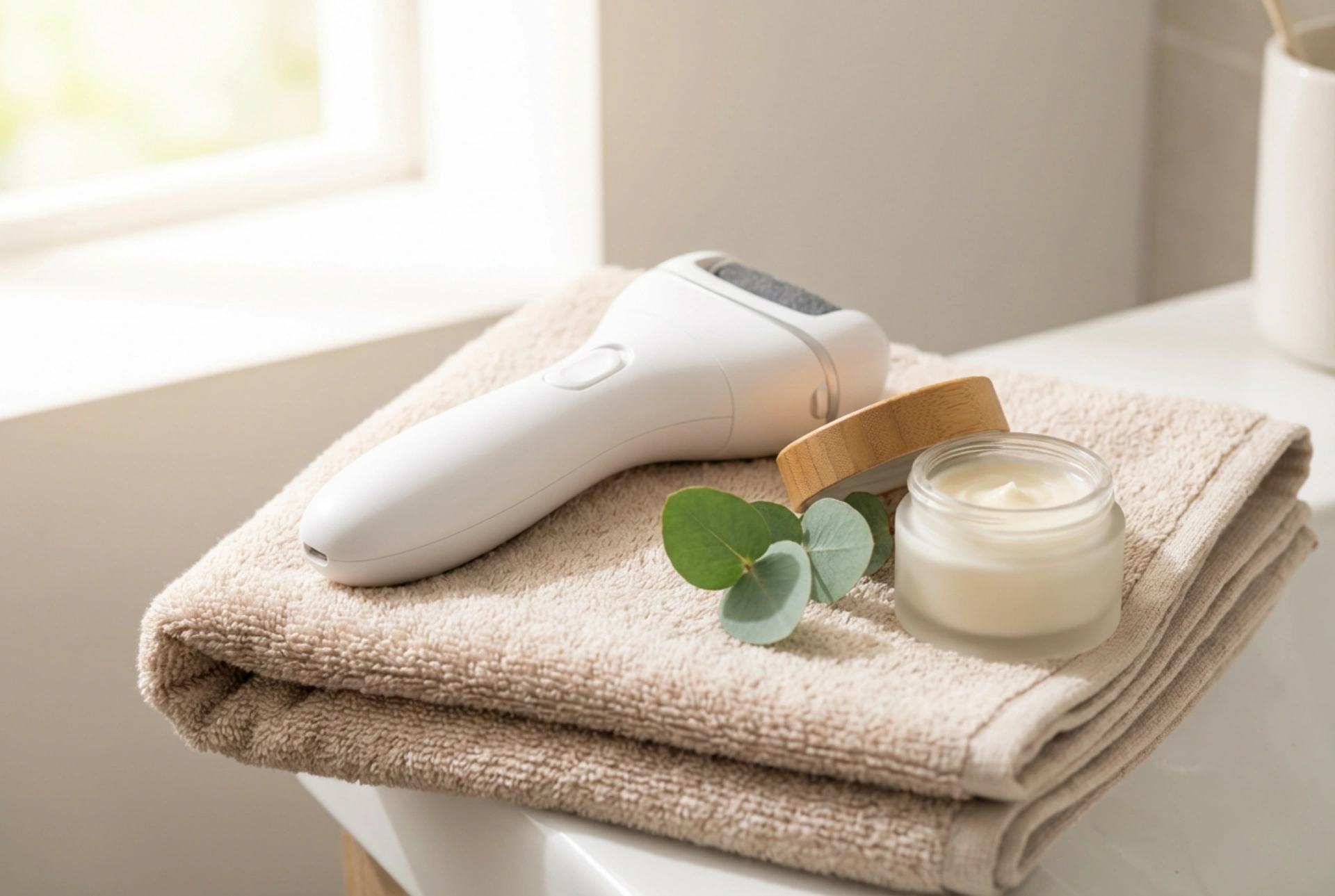
An electric foot file, also known as an electronic foot sander or buffer, is a handheld device designed for home pedicures. It works by using a rotating head covered in an abrasive material to gently exfoliate and smooth away layers of dry, hard skin. Unlike manual files, the motorised action does most of the work for you, requiring minimal pressure and effort. Most devices are battery-operated or rechargeable, making them portable and easy to use. The principle is simple: the rotating head buffs the skin surface, gradually reducing roughness and leaving the feet feeling noticeably softer.
Understanding Different Speeds
Many electric foot files come with multiple speed settings. These are not just for show; they allow you to customise the treatment to your specific needs. A lower speed is generally recommended for beginners or for use on more sensitive areas and for general maintenance. It provides a gentler exfoliation and gives you more control. A higher speed can be effective for thicker, more stubborn areas of hard skin, but it should be used with caution to avoid over-exfoliating or causing irritation. Always start with the lowest setting and only increase the speed if you feel it is necessary and comfortable.
Choosing the Right Head for Your Needs
The effectiveness of an electric foot file largely depends on the attachment head you use. These heads come in various levels of coarseness, each designed for a different purpose. Using the correct one is crucial for a safe and effective treatment.
Different Types of Heads and Their Uses
Most electric foot file kits include several interchangeable heads. Here is a general guide to what you might find:
- Coarse Head: This head has the most abrasive surface. It is designed for tackling the thickest, most persistent areas of hard skin, typically found on the heels. It should be used with a light touch and for short periods to avoid removing too much skin.
- Medium Head: This is a versatile, all-purpose head suitable for general maintenance and addressing moderate areas of dry or rough skin on the soles of the feet. It provides a good balance between effectiveness and gentleness.
- Fine or Polishing Head: With the least abrasive surface, this head is perfect for finishing your treatment. It buffs the skin to a smooth, soft finish after the coarser heads have done their work. It can also be used for light touch-ups between more intensive sessions or on more delicate areas.
It's important to inspect the heads regularly for wear and tear. A worn-out head will be less effective and may require you to apply more pressure, which increases the risk of irritation. Always replace them according to the manufacturer's recommendations.
A Step-by-Step Guide to Using an Electric Foot File
For a safe and successful home pedicure, follow a structured approach. Preparation and proper technique are essential.
- Step 1: Prepare Your Feet. Always use an electric foot file on clean, and most importantly, completely dry feet. Moisture can make the skin rubbery and difficult to file evenly, and it can also damage the device. Do not soak your feet before the treatment.
- Step 2: Choose Your Head and Speed. Select the appropriate head based on the condition of your skin. Start with the lowest speed setting.
- Step 3: Begin Filing. Turn the device on and gently glide it over the area of hard skin. Do not press down hard; let the rotating head do the work. Keep the file moving continuously over one area for no more than 3-4 seconds at a time to prevent friction and heat build-up. Work in small, controlled sections.
- Step 4: Check Your Progress. Periodically stop and feel the skin with your hand to check your progress. The goal is to smooth the skin, not to remove it entirely. Over-filing can lead to sensitivity and discomfort.
- Step 5: Finish and Refine. Once you have reduced the hard skin with a coarser head, you may wish to switch to a fine or polishing head to buff the area for an extra-smooth finish.
Essential Post-Treatment Care for Silky Smooth Feet
What you do after filing is just as important as the filing itself. Proper aftercare helps to soothe the skin, lock in moisture, and maintain your results for longer.
Cleanse and Moisturise
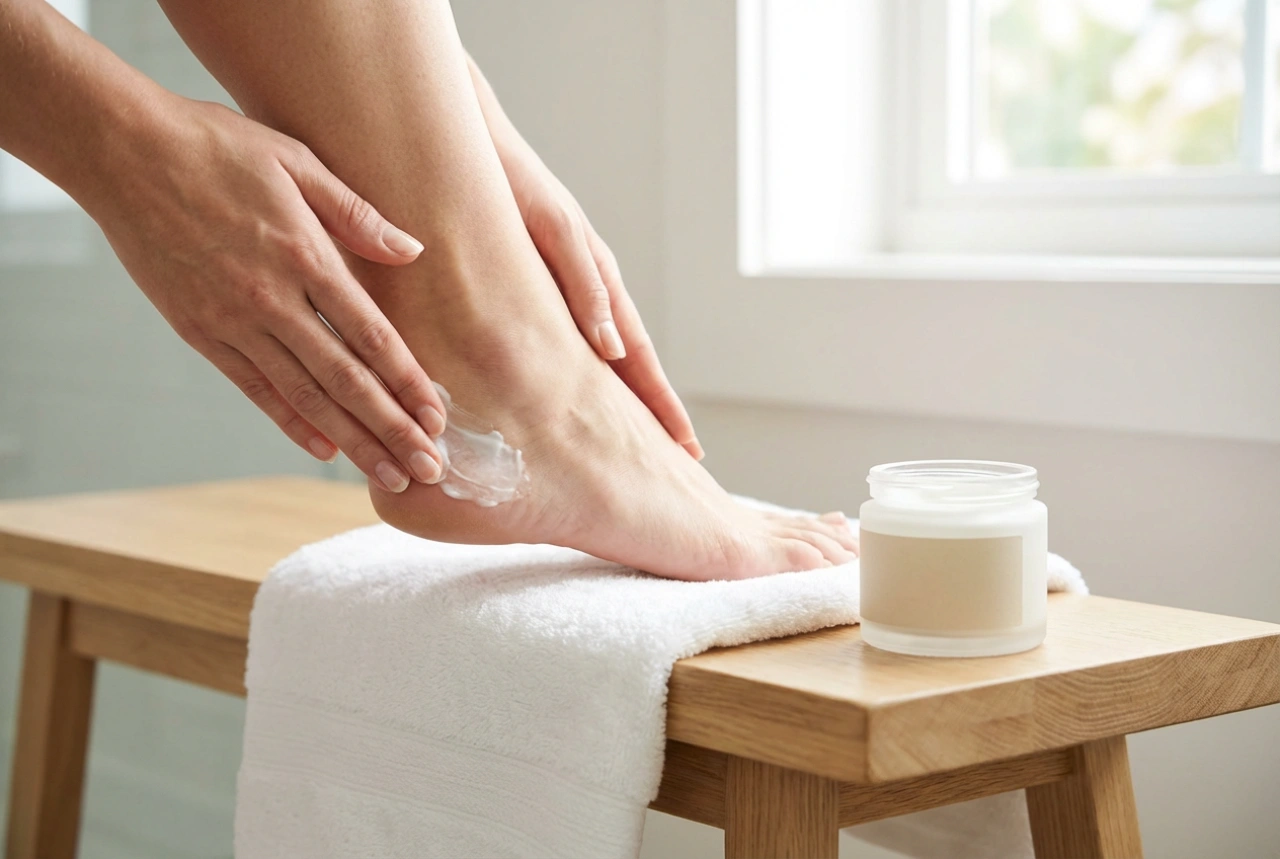
After you have finished filing, rinse your feet with lukewarm water to wash away any exfoliated skin particles and pat them dry with a soft towel. Immediately apply a generous amount of a rich, nourishing foot cream. Look for ingredients that help to hydrate and protect the skin barrier. Gently massage the cream into your feet, paying special attention to the areas you have just treated. This not only rehydrates the skin but also helps to soothe it.
Maintaining Your Results
To keep your feet soft, make moisturising a daily habit, preferably before bed. You can enhance the effect by wearing cotton socks overnight after applying cream. Regular, gentle use of your electric foot file for maintenance (perhaps once a week with a fine head) is more beneficial than infrequent, aggressive treatments. This consistent care will help prevent the significant build-up of hard skin and keep your feet feeling comfortable and looking their best.