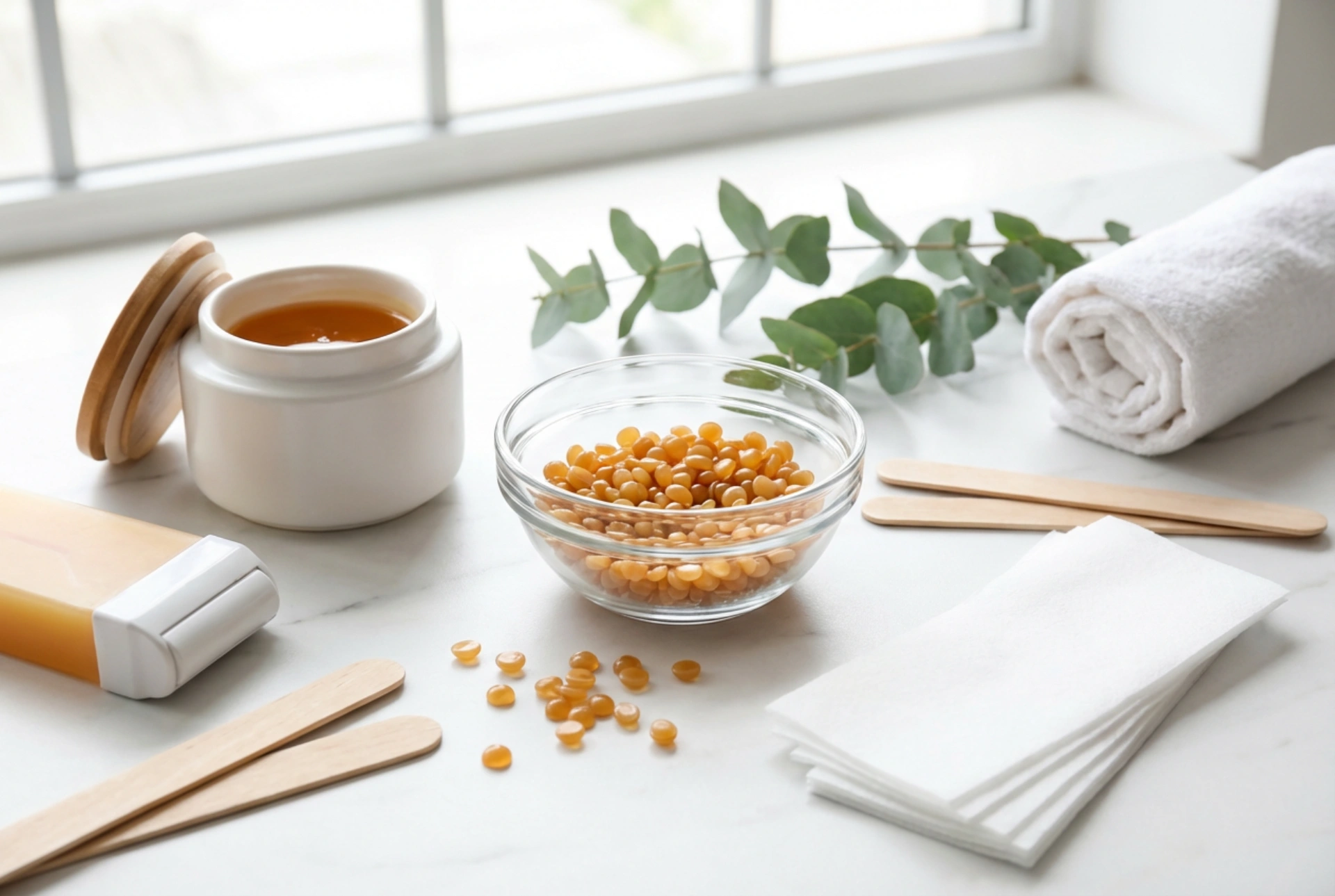


Achieving smooth, silky skin is a timeless beauty ritual, and choosing the right method is essential for a comfortable and effective experience. Among the various techniques available, waxing remains a highly favoured choice due to its long-lasting results. When organizing your beauty space, you might find yourself inspired by a clean, minimalist layout of waxing tools: warm amber beads, a jar of classic soft wax, a convenient roll-on applicator, wooden spatulas, and neat stacks of white non-woven strips. Understanding the nuances of these different hair removal waxes, including their specific melting points and application methods, is the first step to mastering a professional-quality routine at home.
Hard Wax: The Gentle Power of Wax Beads
Hard wax, often found in the form of beautiful amber beads or pellets, has gained immense popularity in modern beauty routines. One of the main advantages of hard wax is its unique mechanism of action: as it cools, it shrink-wraps around the hair shaft without adhering directly to the skin. This makes it an exceptionally gentle option, particularly suited for delicate areas such as the face, underarms, and the bikini line.
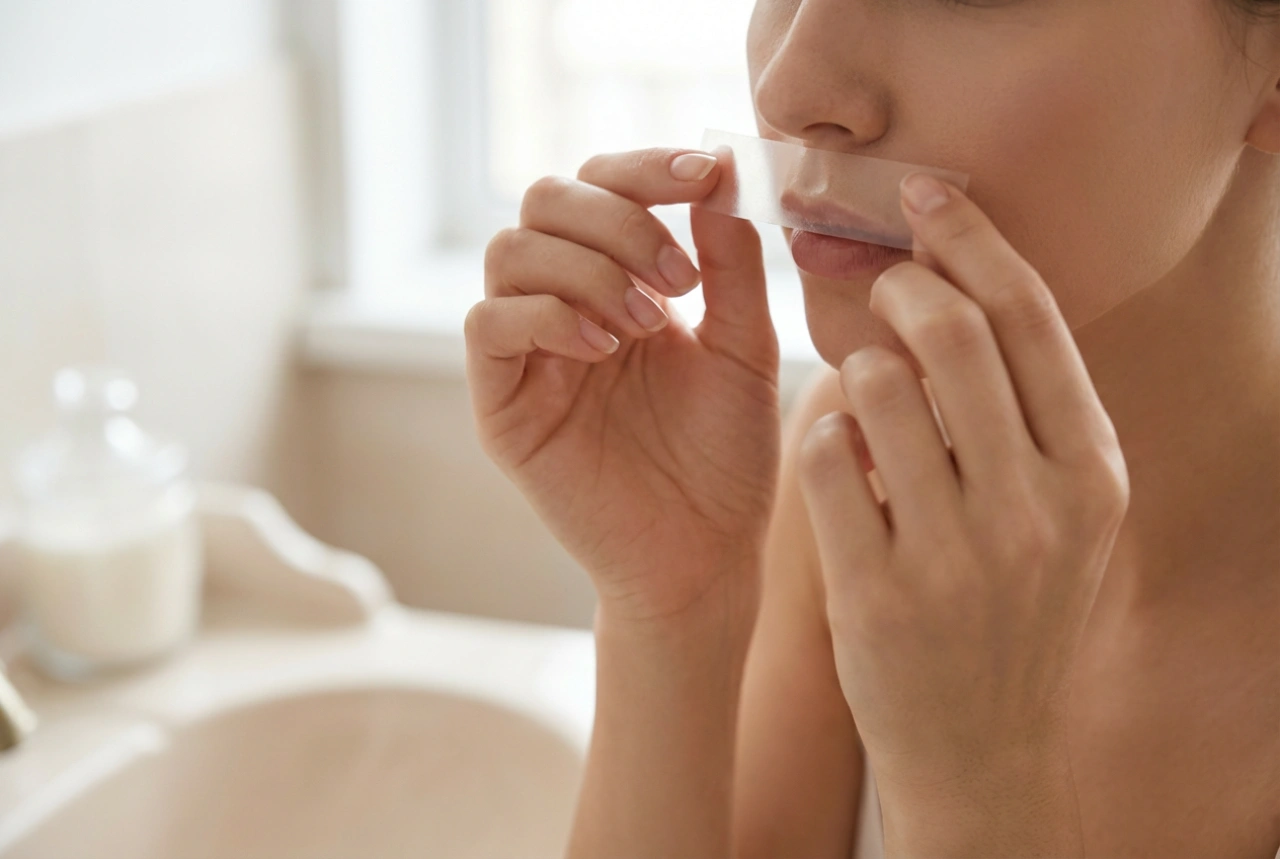
To use hard wax, the beads are heated in a specialized warmer until they reach a smooth, honey-like consistency. The typical melting point for high-quality hard wax ranges between 40°C and 48°C. This relatively low melting point ensures that the wax is comfortable upon application and minimises the risk of thermal discomfort. Using a wooden spatula, a thick layer of wax is applied in the direction of hair growth, leaving a slightly thicker lip at the edge to facilitate removal. Once the wax cools and hardens into a pliable plastic-like strip, it is peeled off quickly in the opposite direction of hair growth, without the need for paper or fabric strips.
Soft Wax: Classic Precision for Larger Areas
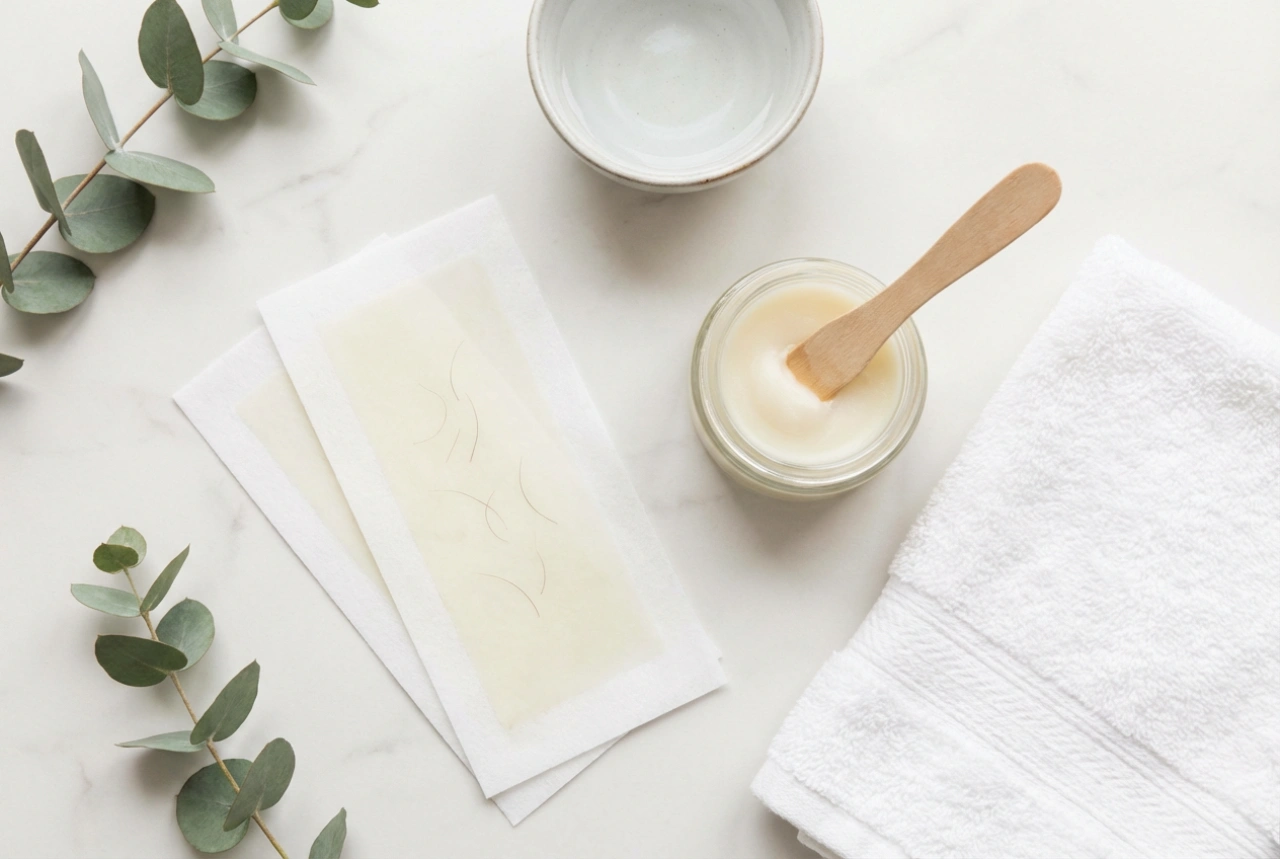
Soft wax, often referred to as warm wax, is the traditional choice for treating larger surface areas of the body, such as the legs, arms, and back. Unlike hard wax, soft wax is applied in an incredibly thin layer and requires the use of non-woven paper or muslin strips to pull the hair from the follicle. Because it adheres to both the hair and the outermost layer of dead skin cells, it also acts as an effective physical exfoliant, leaving the skin feeling remarkably smooth.
The melting point of soft wax is generally lower than that of hard wax, typically settling around 37°C to 40°C, which is close to natural body temperature. This makes the application process quick and efficient. After warming the wax in a jar, a thin layer is spread over the skin using a spatula. A fabric or paper strip is then pressed firmly over the waxed area and pulled back swiftly parallel to the skin. Because soft wax is highly adhesive, it is crucial to avoid applying it to the same area more than once during a single session to prevent unnecessary irritation.
Roll-On Wax: Mess-Free Convenience
For those seeking a simplified and clean approach to hair removal, roll-on wax systems offer an excellent alternative. This method utilises pre-filled wax cartridges equipped with a roller head that dispenses a perfectly even, ultra-thin layer of soft wax onto the skin. It eliminates the need for spatulas and significantly reduces the chance of accidental drips or spills, making it a highly practical option for home use.
Roll-on wax cartridges are heated in a customized heating unit, usually taking about 20 to 30 minutes to reach the optimal temperature of around 40°C. Once heated, the wax is rolled directly onto the skin in the direction of hair growth. A standard waxing strip is then applied, pressed down, and pulled away. This system is exceptionally efficient for quick touch-ups on legs and arms, combining the efficacy of traditional soft wax with modern, user-friendly design.
Understanding Melting Points for Safe Application
Mastering the temperature of your chosen wax is key to achieving excellent results while maintaining skin comfort. Every type of wax possesses a specific melting point determined by its ingredients, such as natural resins, beeswax, or synthetic polymers. Operating within the recommended temperature guidelines ensures that the product performs as intended.
- Underheated wax: If the wax is too cool, it will be thick, difficult to spread, and will not wrap around the hairs effectively, leading to uneven results and unnecessary pulling.
- Overheated wax: If the wax is too hot, it becomes highly runny and poses a significant risk of causing surface discomfort or redness. Always verify the consistency before application.
- The wrist test: Before applying any warm wax to the target area, always test a small drop on the inside of your wrist to ensure the temperature is comfortable and safe.
Essential Steps for a Perfect Finish
To ensure a successful hair removal session, proper preparation and post-wax care are just as important as the waxing process itself. Preparing the skin helps the wax adhere better, while post-care ensures the skin remains calm, hydrated, and smooth.
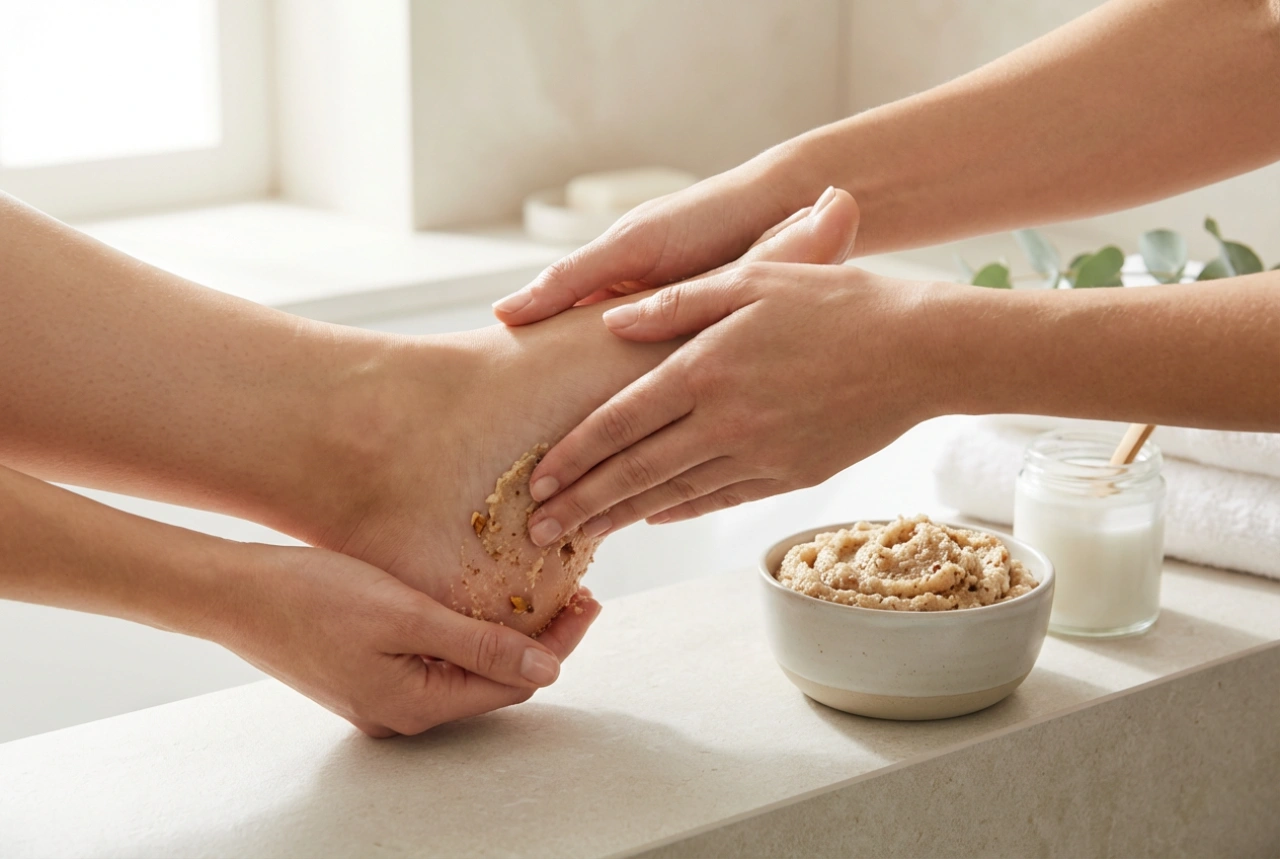
A day before your session, gently exfoliate the skin to remove dead skin cells and release any trapped hairs. On the day of waxing, ensure the skin is completely clean, dry, and free of oils or moisturisers, as these can create a barrier that prevents the wax from grabbing the hair. After the session, use a gentle cosmetic oil, such as baby oil or a specialized post-wax soothing oil, to easily dissolve any remaining sticky residue. Avoid hot baths, heavy physical exercise, and direct sun exposure for 24 hours post-wax to let the skin rest and recover naturally.