

The shaggy haircut, a timeless style celebrated for its effortless movement and dynamic texture, has made a significant comeback. Characterised by its distinct layers and natural volume, this cut offers a chic, contemporary aesthetic that beautifully frames the face. Achieving that perfect 'undone' look, however, requires an understanding of its structure and the right styling techniques. Whether you have fine, thick, straight, or wavy hair, learning how to enhance its layers, texture, and lift is key to mastering this versatile hairstyle.
What Defines a Shaggy Haircut?
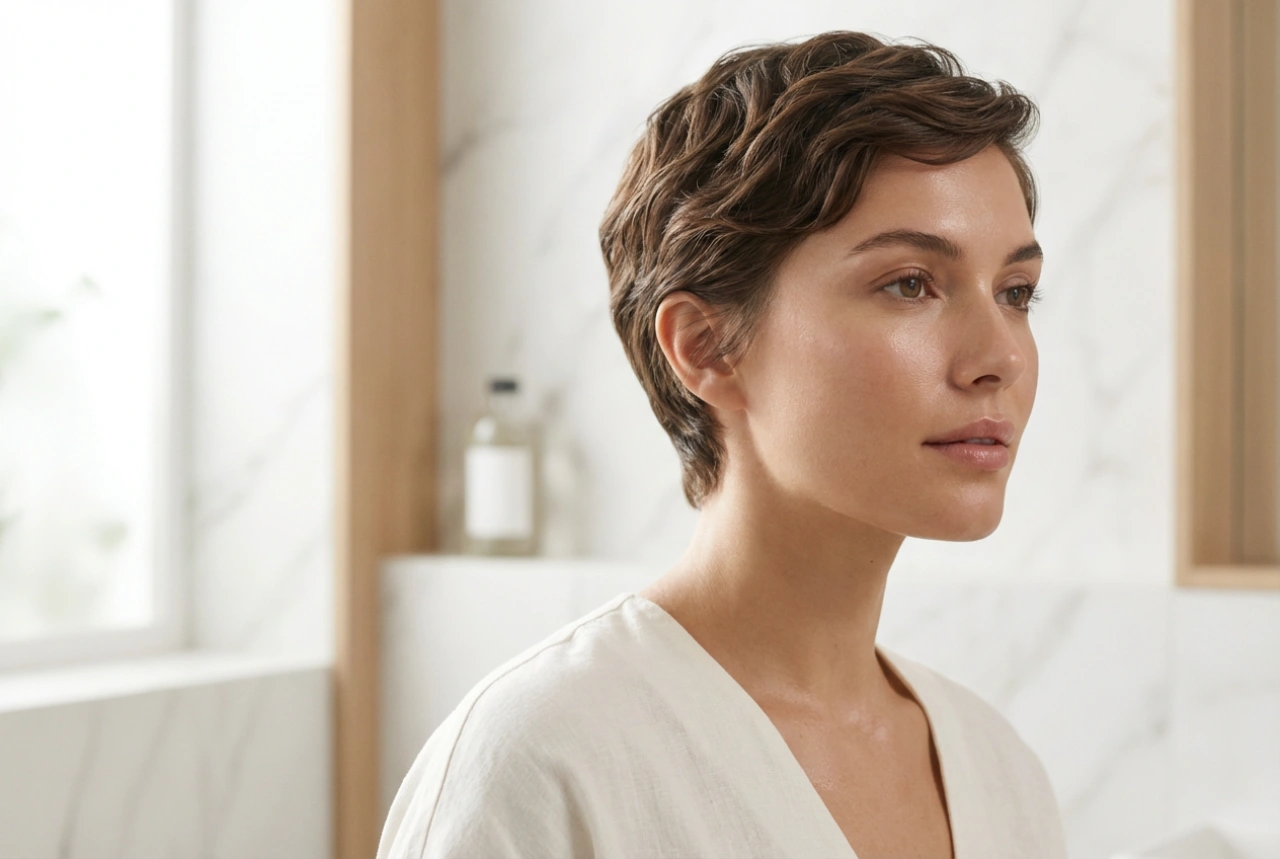
At its core, the shaggy cut is all about layers—and lots of them. Unlike a uniform, one-length style, the shag features layers of varying lengths throughout the hair, with shorter layers on top and longer layers towards the bottom. This technique creates a 'shaggy' or feathered effect, particularly around the crown and face. The primary goal is to build volume at the roots and crown while reducing bulk at the ends, resulting in a shape that is full of life and movement. Modern interpretations can range from soft and subtle to bold and dramatic, often incorporating bangs or face-framing pieces to further enhance the style's flattering qualities.
Is the Shaggy Cut Right for You?
One of the greatest appeals of the shaggy haircut is its versatility. It can be adapted to suit a wide range of hair types and face shapes. For those with fine hair, the layers can create the illusion of thickness and volume, preventing the hair from falling flat. On the other hand, individuals with thick hair can benefit from the shag's ability to remove excess weight and add movement, making the hair feel lighter and more manageable. Wavy and curly hair textures are particularly well-suited to this cut, as the layers work to enhance the natural curl pattern and reduce frizz. When considering face shape, the layers can be tailored to soften angular features or add definition to rounder faces, making it a highly customisable option.
Styling Your Shaggy Haircut for Maximum Effect
The beauty of a shag lies in its relaxed, slightly messy appearance. Over-styling can work against its natural charm. The focus should be on enhancing what's already there: the layers, the texture, and the shape. With a few simple techniques, you can easily replicate that salon-fresh look at home.
Achieving Natural Texture
To bring out the best in your layers, embracing your hair's natural texture is crucial. After washing, gently squeeze out excess water with a microfibre towel to minimise friction. For an air-dried look, you can apply a small amount of a texturising spray or a light styling cream, scrunching the hair gently with your fingers to encourage waves and movement. This hands-off approach allows the layers to settle naturally, creating an authentic, lived-in finish. Avoid heavy products that can weigh the hair down and diminish the shaggy effect.
Creating Volume and Lift
Volume, especially at the crown, is a hallmark of the shaggy style. To achieve this, blow-drying can be your best friend. Try flipping your hair upside down and directing the heat at the roots. This simple trick provides an instant lift that lasts. For those with wavy or curly hair, using a diffuser attachment is ideal. It distributes the airflow evenly, which helps to define curls and add volume without creating unwanted frizz. Once your hair is mostly dry, you can flip it back and use your fingers to position the layers around your face.
Enhancing the Layers
The final step is to define the individual layers and ends to showcase the haircut's structure. A small amount of a lightweight wax, pomade, or texturising paste can be used for this. Warm a pea-sized amount of product between your fingertips and selectively apply it to the ends of the layers, twisting or pinching small sections to create separation and piecey-ness. This adds a polished yet undone quality to the style, highlighting the intricate details of the cut and enhancing its overall movement.
Maintaining Your Shaggy Hairstyle
To keep your shaggy haircut looking its best, regular maintenance is important. Because the style relies on specific lengths and defined layers, it can start to lose its shape as it grows out. Scheduling regular trims every 6 to 10 weeks will help maintain the structure and prevent the ends from looking heavy. Between appointments, focus on keeping your hair healthy. Use a nourishing conditioner, especially on the mid-lengths and ends, to prevent them from becoming dry and brittle. A healthy foundation ensures your style always looks fresh, vibrant, and full of life.