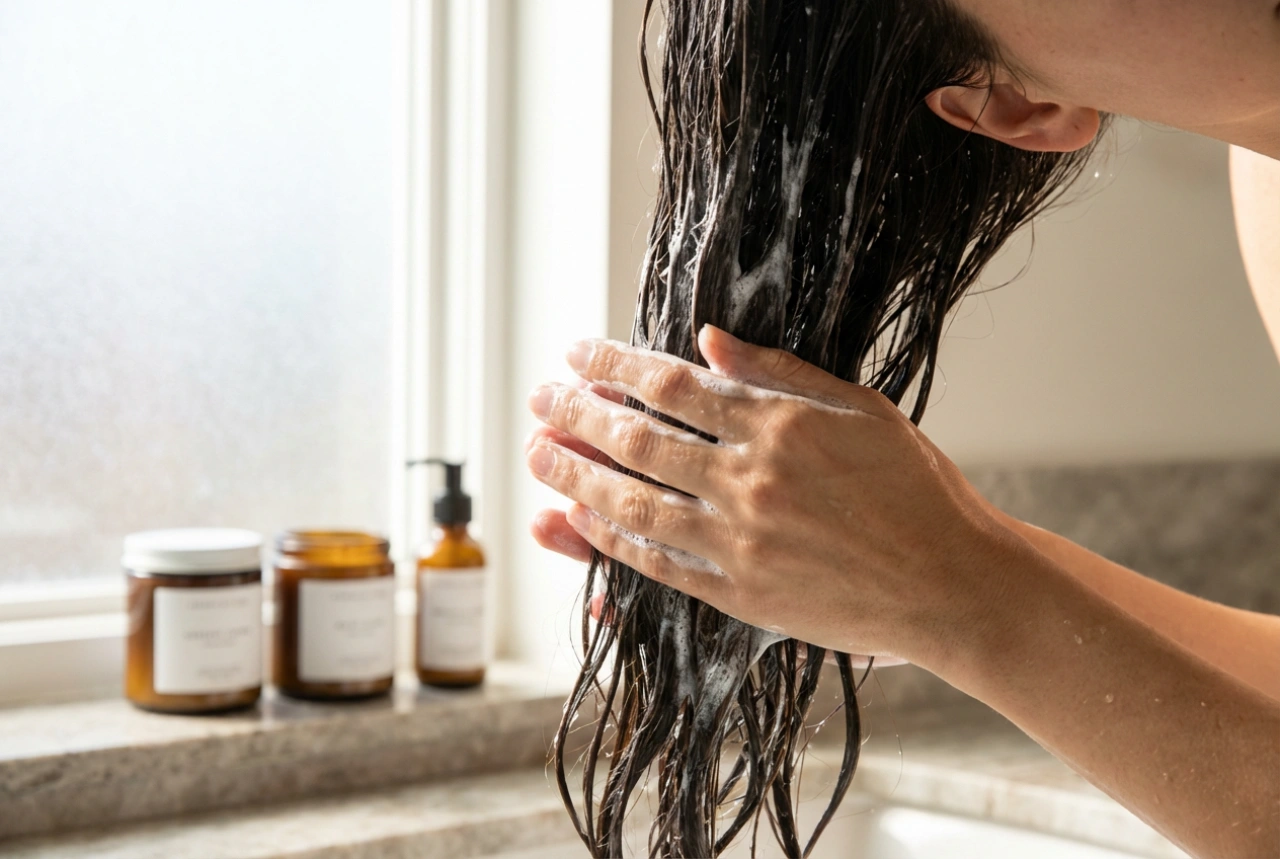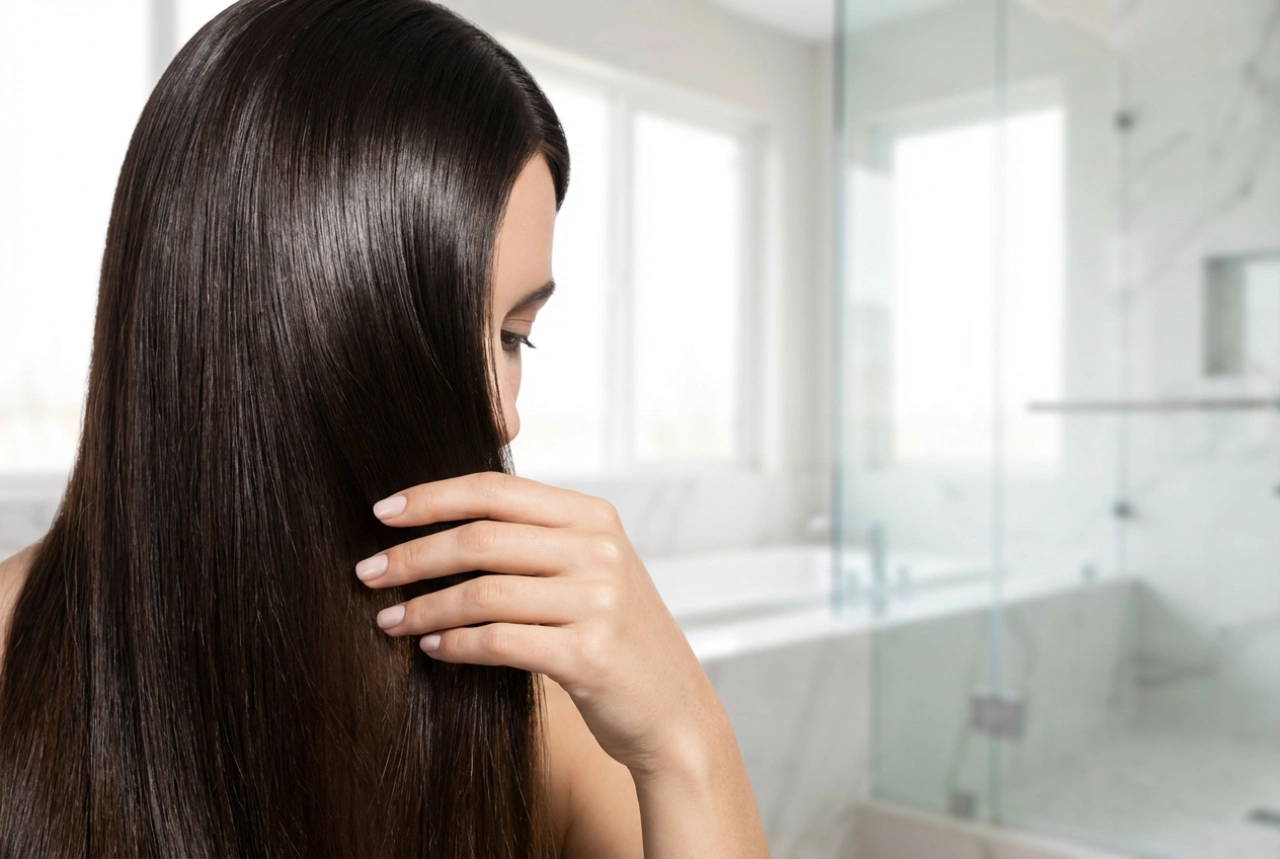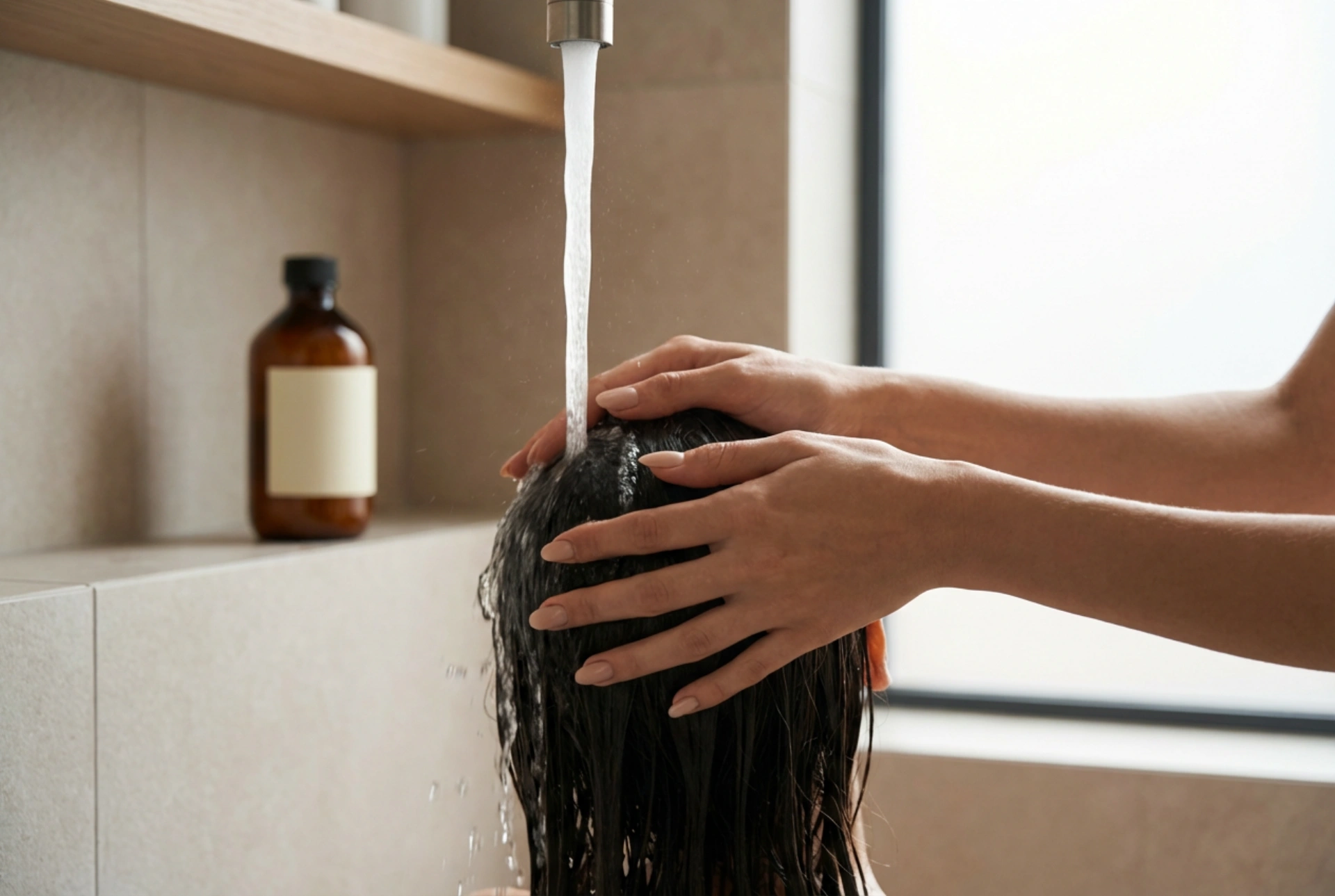


The quest for smooth, manageable hair often begins in the shower. A serene hair care ritual, as suggested by the image of gently rinsing hair, is the first step towards controlling frizz. Frizz occurs when the outer layer of your hair, the cuticle, becomes raised, allowing moisture from the air to enter and swell the strands. The result is hair that appears puffy and unruly. Fortunately, with the right shampoo and a few adjustments to your washing technique, you can significantly reduce frizz and achieve a sleeker, more polished look.
Understanding Why Hair Becomes Frizzy
Before diving into solutions, it's helpful to understand the root causes of frizz. Primarily, it's a matter of moisture—or the lack thereof. Dry and damaged hair is far more susceptible to frizz because its cuticle layer is already rough and open. When this thirsty hair is exposed to humidity, it eagerly soaks up moisture from the atmosphere, causing the hair shaft to swell unevenly and create that characteristic frizzy texture. Factors like harsh hair products, excessive heat styling, and even rough towel drying can all contribute to damaging the cuticle and encouraging frizz.
Choosing the Right Shampoo for Frizzy Hair
The foundation of any anti-frizz routine is a suitable shampoo. Your goal is to cleanse the scalp and hair without stripping away the natural oils that keep it hydrated and smooth.
Ingredients to Look For
When selecting a shampoo, look for hydrating and smoothing ingredients. These components help to replenish moisture and seal the hair cuticle. Key ingredients include:
- Glycerin: A powerful humectant, it draws moisture from the air into the hair shaft, providing deep hydration.
- Natural Oils: Ingredients like argan oil, coconut oil, and jojoba oil are excellent emollients. They coat the hair strand, smoothing the cuticle and locking in moisture to prevent humidity from causing frizz.
- Shea Butter: Rich in fatty acids and vitamins, shea butter is intensely moisturising and helps to soften and smooth coarse, frizzy hair.
- Hyaluronic Acid: Just as it benefits the skin, this ingredient can hold a significant amount of water, delivering a surge of hydration to dry hair strands.
- Proteins: Ingredients like silk or wheat proteins can help to fill in the gaps in a damaged cuticle, temporarily strengthening the hair shaft and creating a smoother surface.
Ingredients to Avoid
Certain ingredients can exacerbate frizz by drying out the hair. Be mindful of shampoos containing high concentrations of harsh sulphates (like sodium lauryl sulphate), which can strip the hair of its protective oils. While not all alcohols are bad, some short-chain alcohols can also be drying if they are high on the ingredients list.
The Ideal Washing Technique to Combat Frizz
How you wash your hair is just as important as what you wash it with. Adopting a gentle approach can make a world of difference.
Step-by-Step Guide to Frizz-Free Washing
- Use Lukewarm Water: Hot water can strip your hair's natural oils and cause the cuticle to swell. Start and finish your wash with lukewarm water. For an extra frizz-fighting boost, do a final rinse with cool water to help seal the cuticles shut.
- Focus on the Scalp: Concentrate your shampoo on the scalp, where most oil and build-up occurs. Gently massage it in with your fingertips (not your nails). There's no need to vigorously scrub the lengths of your hair; the suds that rinse down will be sufficient to cleanse them.
- Never Skip Conditioner: Conditioner is a non-negotiable step for frizzy hair. It replenishes moisture and smooths the cuticle that shampooing may have slightly raised. Apply it generously from the mid-lengths to the ends, avoiding the roots if your hair gets greasy easily. Leave it on for a few minutes before rinsing thoroughly.
- Gentle Drying is Key: The way you dry your hair can either create or prevent frizz. Instead of rubbing your hair with a rough cotton towel, which creates friction and ruffles the cuticle, gently squeeze out excess water with a microfibre towel or an old cotton t-shirt. This method absorbs water without causing friction.
Post-Wash Care for Lasting Smoothness
Your anti-frizz efforts shouldn't stop once you've finished washing. To lock in the benefits of your routine, apply a leave-in conditioner or anti-frizz serum to damp hair. These products create a protective barrier that seals in moisture and blocks out humidity throughout the day. When combing, use a wide-tooth comb on damp hair to detangle gently, starting from the ends and working your way up to the roots to prevent breakage and further damage to the cuticle. Consistent, gentle care is the secret to taming frizz for good.