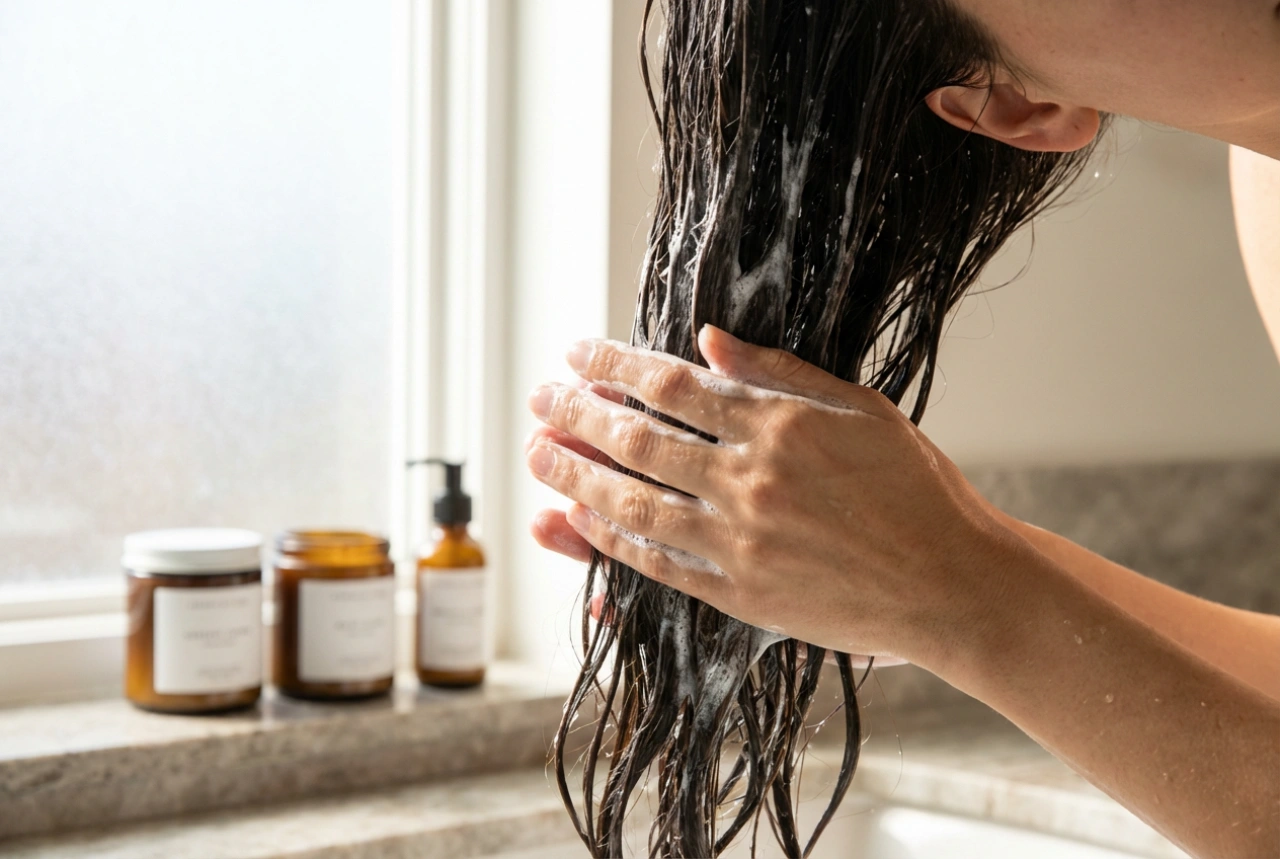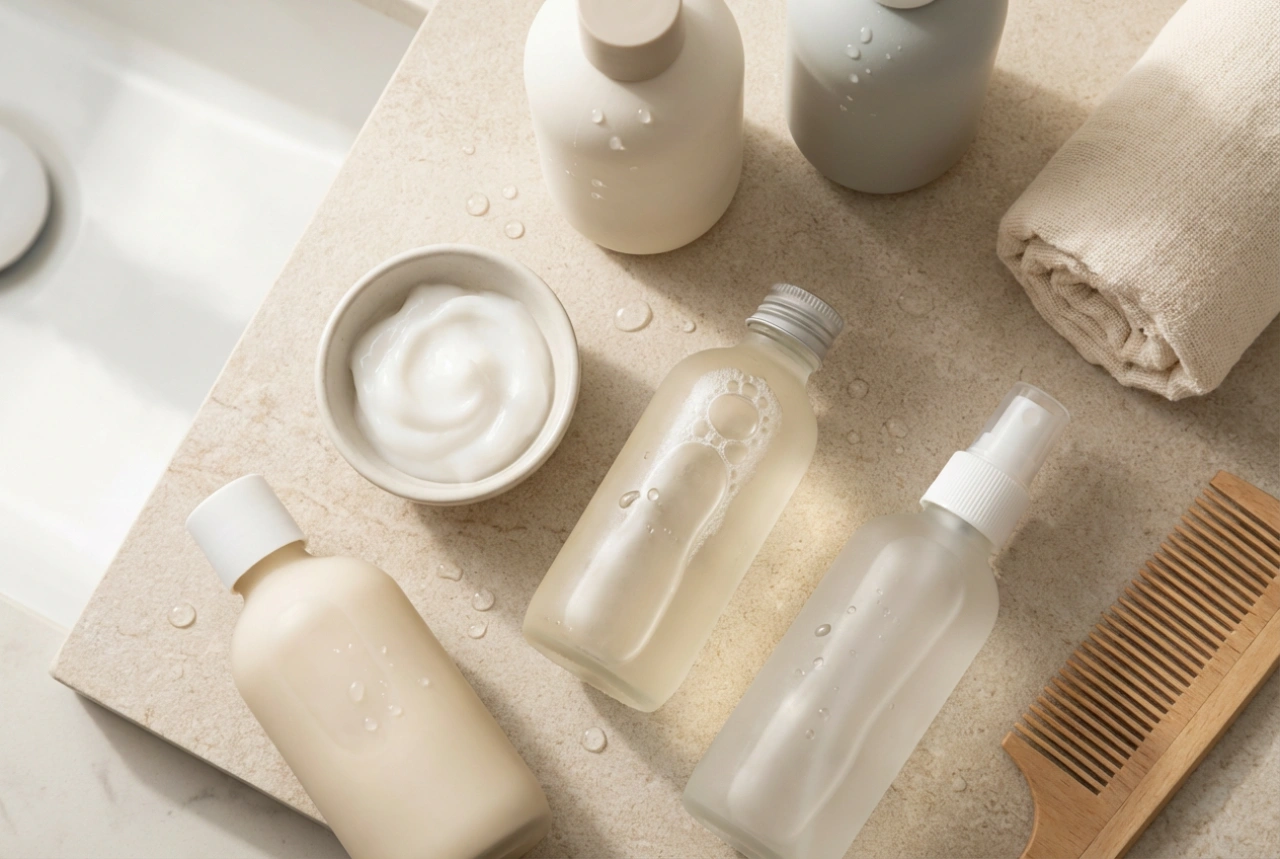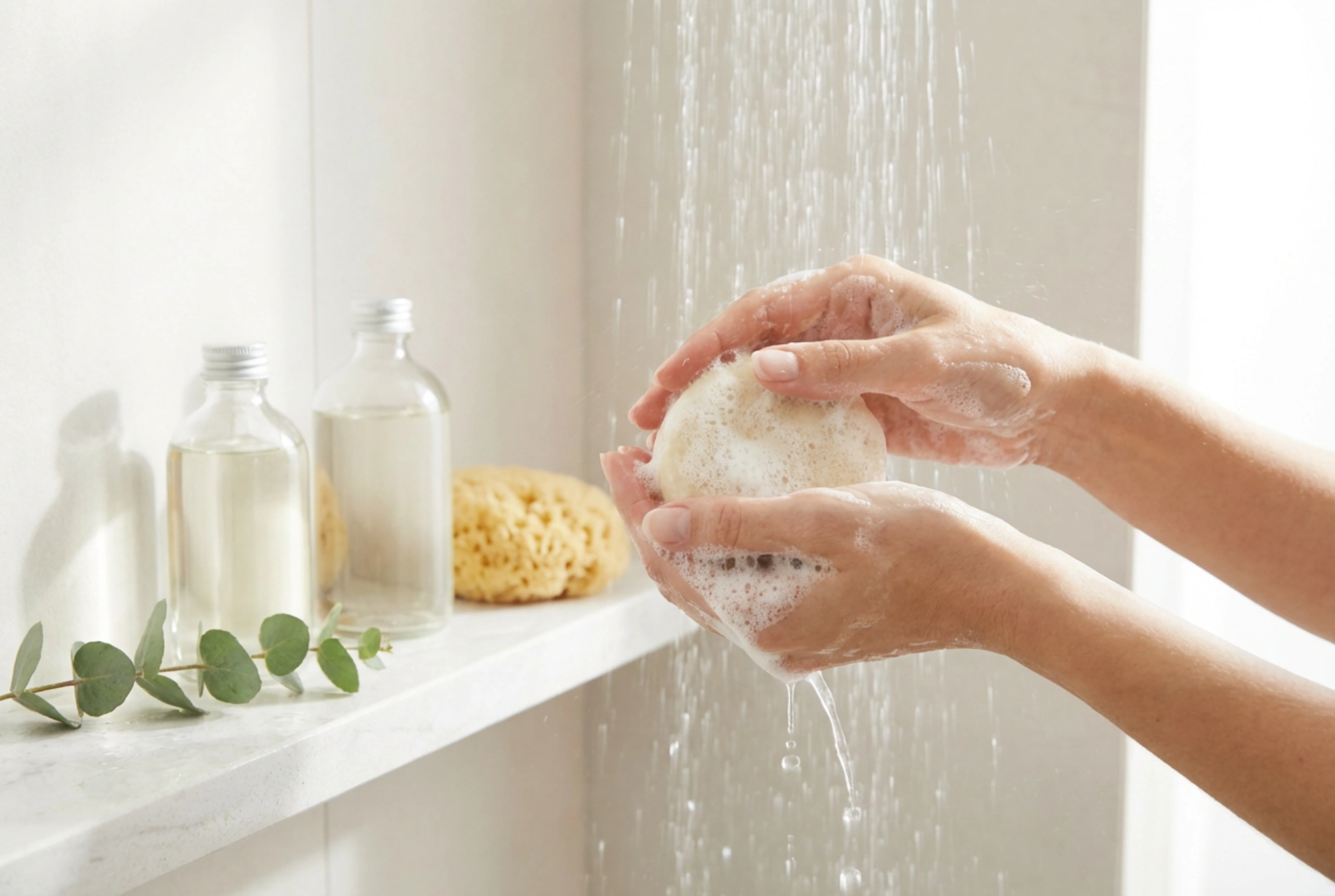


Embracing a more natural approach to hair care often begins with a simple switch: a new shampoo. The experience of working a gentle, plant-derived shampoo into a soft lather, as suggested by the image of hands in a light-filled shower, can feel both luxurious and responsible. However, natural shampoos can behave differently from their conventional counterparts, particularly when it comes to lather and the feeling they leave on the hair. Understanding these differences is key to mastering an effective and satisfying natural hair washing routine.
Understanding Natural Shampoo Ingredients
The term 'natural shampoo' generally refers to formulas that prioritise ingredients derived from plant sources and avoid certain synthetic chemicals. The most significant difference lies in the cleansing agents, also known as surfactants. Instead of strong detergents like sulfates (e.g., Sodium Lauryl Sulfate), natural shampoos typically use milder alternatives derived from sources like coconut, corn, or sugar. These ingredients are chosen for their ability to cleanse effectively without being overly harsh, helping to maintain the scalp's natural balance. Other common components include botanical extracts, essential oils for fragrance and benefits, and plant-based oils and butters for moisture. The focus is on a composition that cleanses gently while nurturing the hair and scalp.
The Myth of Rich Lather: Why Natural Shampoos Foam Differently
One of the first things users notice when switching to a natural shampoo is the reduced amount of foam. For decades, we have been conditioned to associate a thick, abundant lather with superior cleaning power. In reality, this copious foam is often a characteristic of strong sulfate-based detergents. Milder, plant-derived surfactants create a more subtle, often creamier lather. It is crucial to understand that the volume of foam does not equate to cleansing efficacy. A low-foaming shampoo can be just as effective at removing dirt, excess oil, and product build-up. The key is proper application and technique, not the amount of bubbles produced.
A Step-by-Step Guide to Effective Washing with Natural Shampoo
To get the most out of your natural shampoo and ensure your hair is left feeling truly clean and refreshed, adjusting your washing technique is essential. Follow these steps for an optimal clean.
1. Thoroughly Wet Your Hair
Before applying any shampoo, make sure your hair is completely saturated with lukewarm water. Water helps to loosen surface dirt and allows the shampoo to distribute evenly. Spending an extra minute under the water can make a significant difference in how well the product works.
2. Emulsify the Shampoo in Your Hands
Instead of applying the shampoo directly to your head, dispense the required amount into your palms. Add a little water and rub your hands together to create a light lather. This 'activates' the shampoo and makes it easier to spread through your roots, ensuring a more even and gentle application.
3. Focus on the Scalp
The primary goal of shampooing is to clean the scalp, where most oils and impurities accumulate. Use your fingertips (not your nails) to gently massage the emulsified shampoo all over your scalp in circular motions. This not only cleanses but also stimulates blood flow. You don't need to vigorously scrub the lengths of your hair; the suds that rinse down will be sufficient to cleanse them without causing unnecessary friction or dryness.
4. Consider a Double Wash
If you use styling products or have gone several days between washes, a double-cleansing method can be very effective. The first wash helps to break down and lift away oils and product build-up, and you may notice very little foam. After rinsing, apply a smaller amount of shampoo for a second wash. You will likely find that it lathers much more easily this time, providing a deeper, more satisfying clean.
5. Rinse Completely
One of the most critical steps is to rinse thoroughly. Any residue left behind can weigh the hair down or make it feel less than clean. Take your time, lifting sections of your hair to ensure water reaches every part of your scalp and all the way to the ends. A final rinse with slightly cooler water can help to seal the hair cuticle, adding shine.
Adjusting to a Natural Hair Care Routine
When you first switch to a natural, silicone-free shampoo, your hair might go through a 'transition period'. It may feel different—perhaps less slippery or even a bit tangled—as it adjusts to the absence of synthetic coating agents. This is normal. With consistent use of proper washing techniques and a suitable natural conditioner, your hair will adapt, often revealing its true texture and a newfound lightness and vitality. Patience is key to unlocking the full benefits of a gentler, more natural approach to hair care.