

A healthy scalp is the foundation of strong, vibrant hair. When you notice your hair is becoming weaker or seems to be thinning, focusing on your scalp care routine can make a significant difference. Simple practices, such as a gentle scalp massage and choosing the right products, can create an optimal environment for hair to thrive. This guide will walk you through key aspects of a supportive hair care regimen, including selecting a suitable shampoo, mastering scalp massage, and determining the right washing frequency for your needs.
Choosing the Right Shampoo for Hair Prone to Falling Out
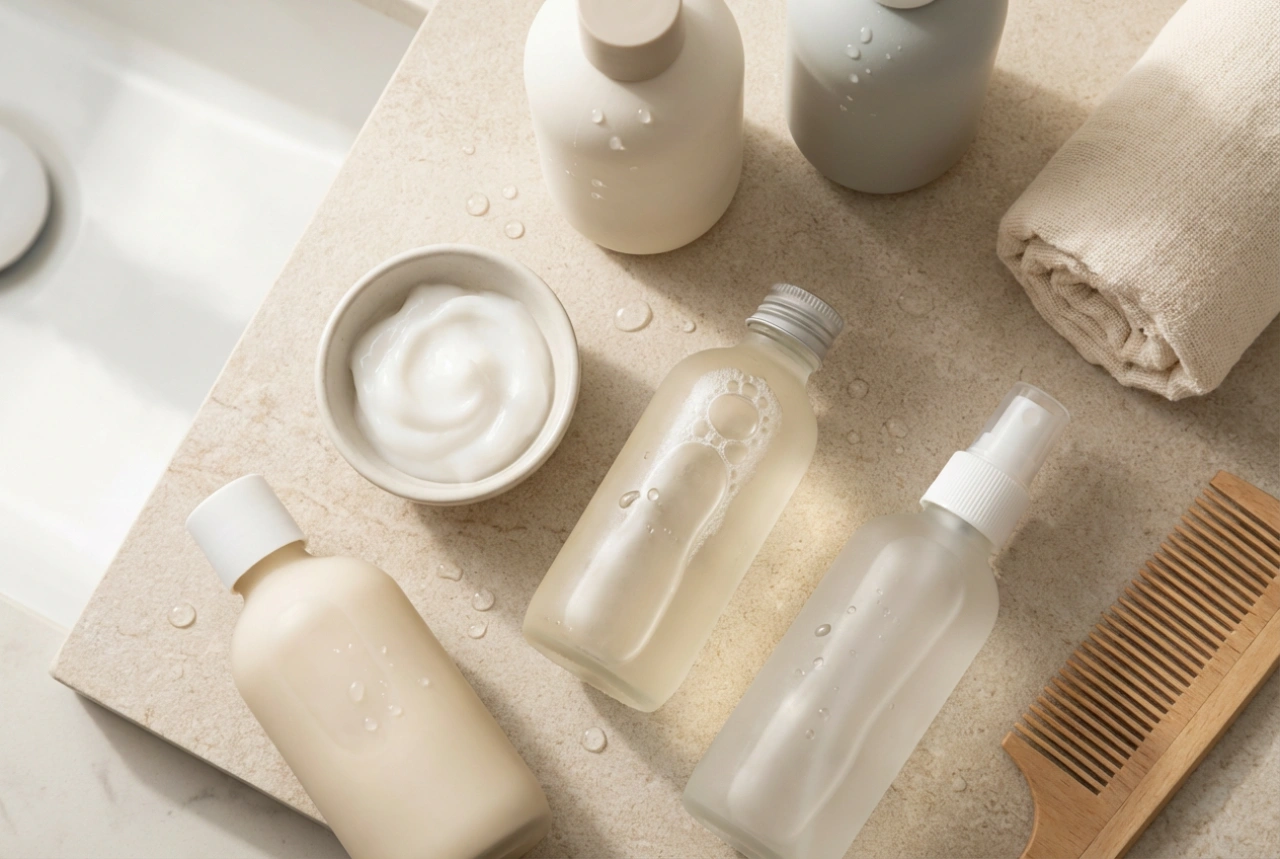
When selecting a shampoo for hair that appears to be thinning, the goal is to cleanse the scalp gently yet effectively, without causing irritation or stripping it of its natural protective barrier. Look for formulations designed to strengthen and nourish. Ingredients like biotin, keratin, caffeine, and various plant extracts (such as nettle, horsetail, or saw palmetto) are often included for their supportive properties. These components work to invigorate the scalp and improve the condition of the hair strands. Conversely, it may be beneficial to avoid shampoos with harsh detergents, like some aggressive sulphates, which can be overly drying for a sensitive scalp. Remember that a shampoo's primary role is to cleanse and prepare the scalp. While it can contribute to a healthier scalp environment, it is one part of a holistic approach to hair care.
The Power of Scalp Massage: Technique and Benefits
Scalp massage is a simple yet powerful technique that you can easily incorporate into your daily or weekly routine. Its main benefit is the stimulation of blood circulation in the scalp, which helps deliver essential nutrients and oxygen to the hair follicles. This can create a better environment for hair growth. A regular massage also helps to loosen dead skin cells and product build-up, making your shampoo more effective.
How to Perform a Scalp Massage
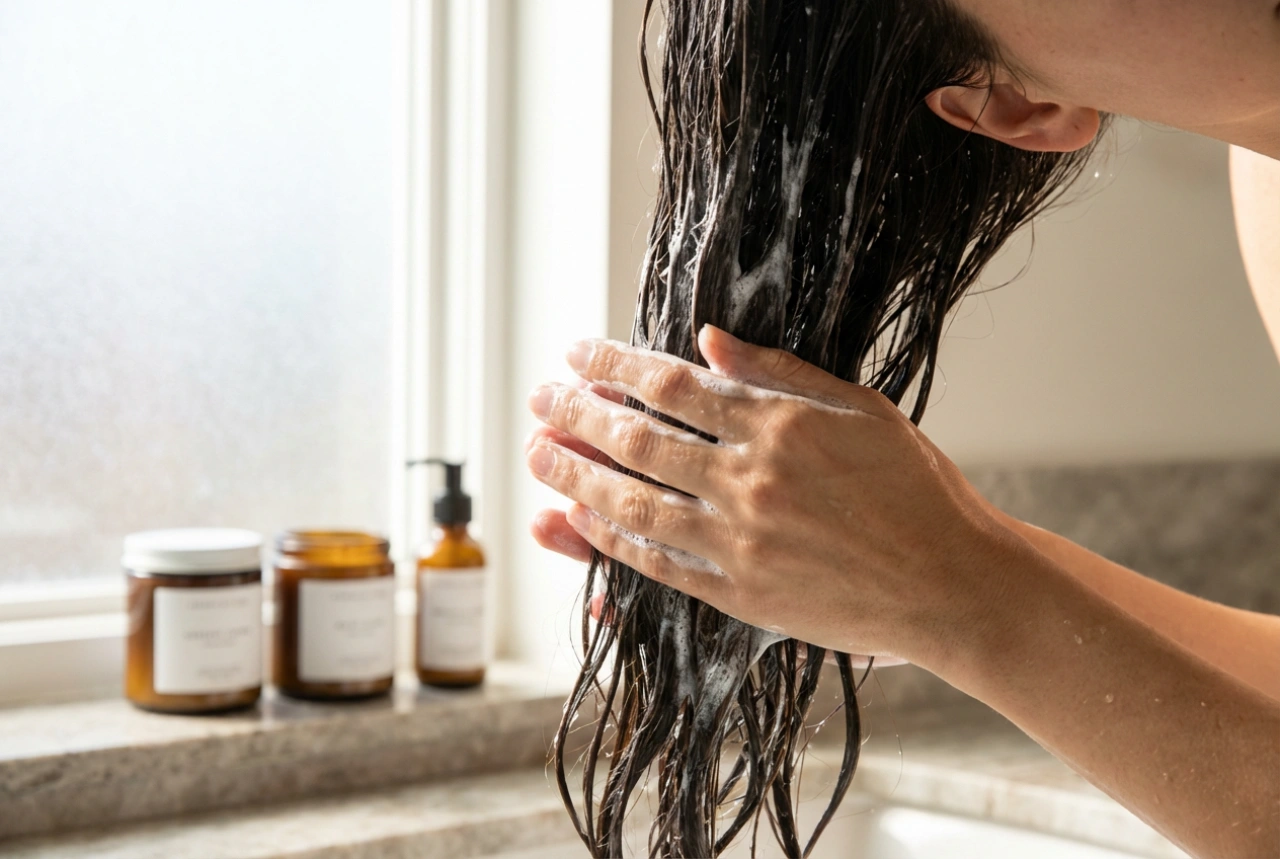
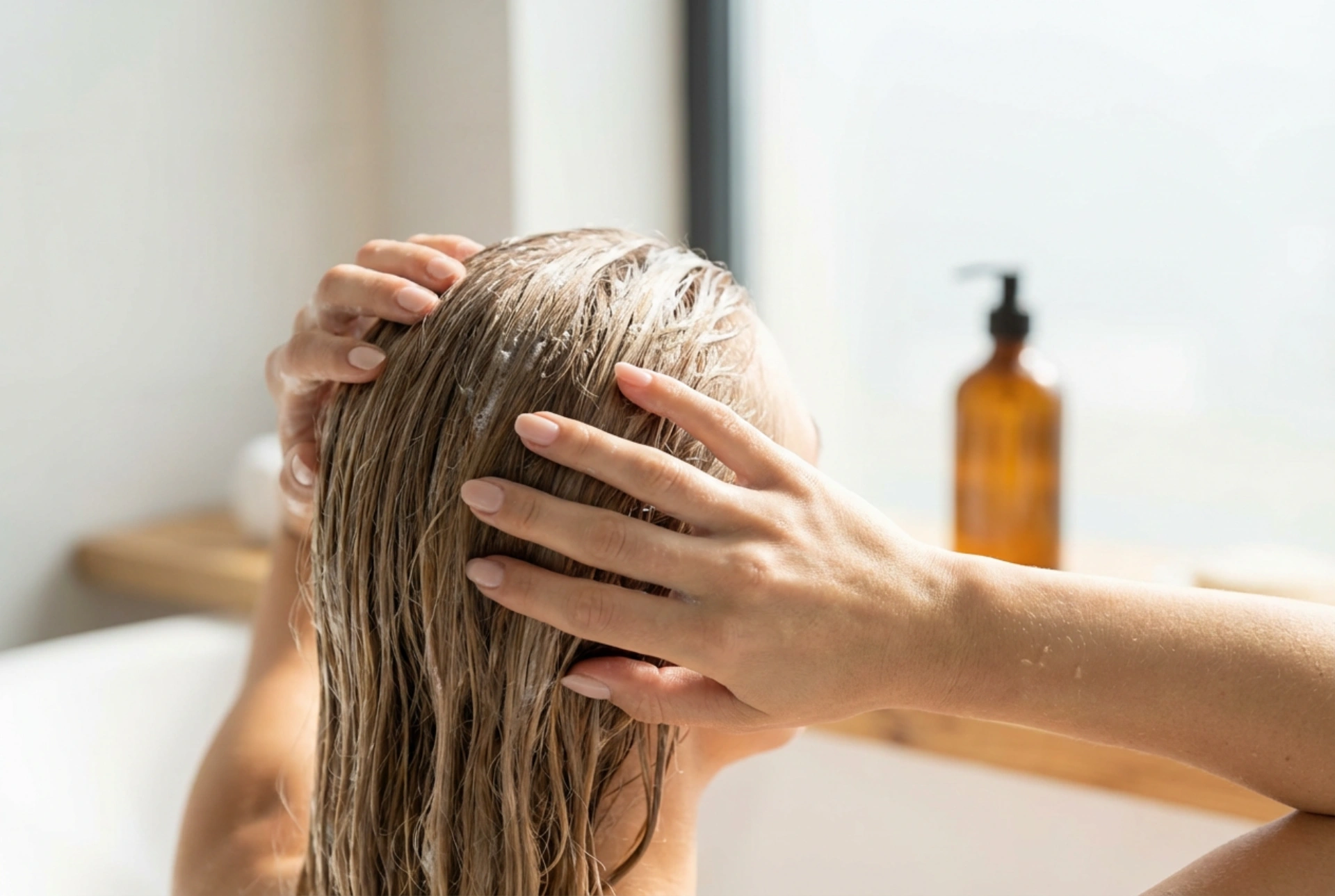
You can perform a massage on a dry scalp or while shampooing in the shower. Use the pads of your fingertips, not your nails, to apply gentle to medium pressure. Work in small, slow, circular motions across your entire scalp, starting from the front hairline and moving towards the nape of your neck. Dedicate at least 3-5 minutes to the massage to experience its full benefits. This practice not only supports scalp health but also serves as a relaxing ritual to relieve tension and stress, which can sometimes be factors related to hair concerns.
How Often Should You Wash Hair That Is Prone to Thinning?
A common myth suggests that frequent washing causes hair to fall out, but this is not true. The hairs you see in the drain are typically those that were already in the shedding phase of their natural growth cycle. In fact, not washing your hair often enough can be detrimental. An accumulation of sebum, styling products, and environmental pollutants can clog hair follicles and create an unhealthy scalp environment. The ideal washing frequency depends on your hair type and lifestyle.
- Oily Scalp: If your scalp becomes greasy quickly, you may need to wash your hair every day or every other day to keep follicles clear.
- Normal to Dry Scalp: Washing 2-3 times a week is often sufficient. This prevents the scalp from becoming too dry while keeping it clean.
- Active Lifestyle: If you exercise regularly and sweat a lot, you may want to wash your hair more frequently to remove sweat and build-up.
Regardless of frequency, always use lukewarm water, as hot water can strip the scalp of its natural oils and cause irritation. Be gentle during washing and rinsing, avoiding aggressive scrubbing that could cause mechanical damage to fragile hair.
Additional Tips for Gentle Hair Care
To further support hair that is prone to thinning, consider adopting a few extra gentle habits. Always follow your shampoo with a conditioner, applying it only to the mid-lengths and ends to avoid weighing down the roots. After washing, gently squeeze out excess water with your hands and pat your hair dry with a soft towel instead of rubbing it vigorously. Minimise the use of heat styling tools and avoid tight hairstyles like high ponytails or buns that pull on the hair roots, as this can lead to traction-related stress on the follicles.